Temporary and Permanent Wheelchair Ramps
May 14, 2025
9 Examples of Luxury Home Elevators to Inspire
May 21, 2025
Cost is a significant factor to consider when you decide to install a home stair lift elevator for enhanced mobility and safety in your home. You should be aware that prices can vary widely based on factors such as the type of lift, installation costs, and any additional features you may want. Investing in a stair lift can provide you with peace of mind and improve your quality of life, especially if you or a loved one faces mobility challenges. Understanding these costs will help you make an informed decision.
Key Takeaways:
- The average cost of a home stair lift elevator typically ranges between $2,000 and $5,000, depending on factors such as the type of lift, the installation complexity, and any additional features.
- Installation costs can vary significantly based on the stair configuration and the need for modifications, potentially adding an extra $1,000 or more to the overall price.
- Many companies offer financing options and warranties, which can help alleviate the upfront costs and provide peace of mind regarding long-term maintenance and support.
Types of Stair Lift Elevators
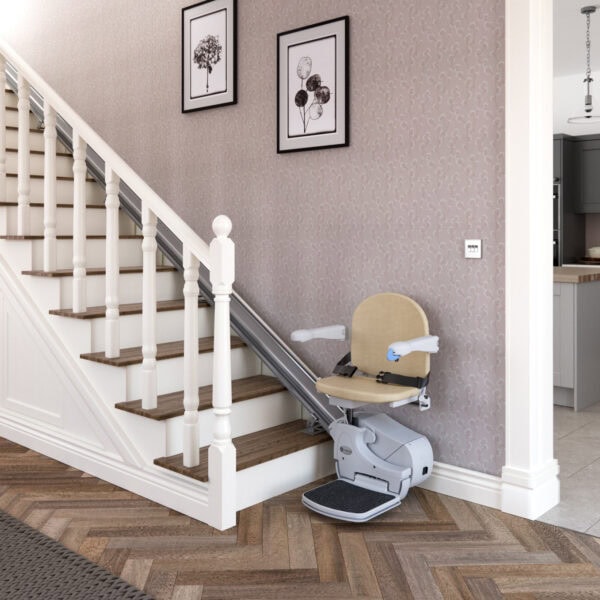
While considering a home stair lift, it’s important to understand the various types available. Here’s a breakdown:
| Type | Description |
|---|---|
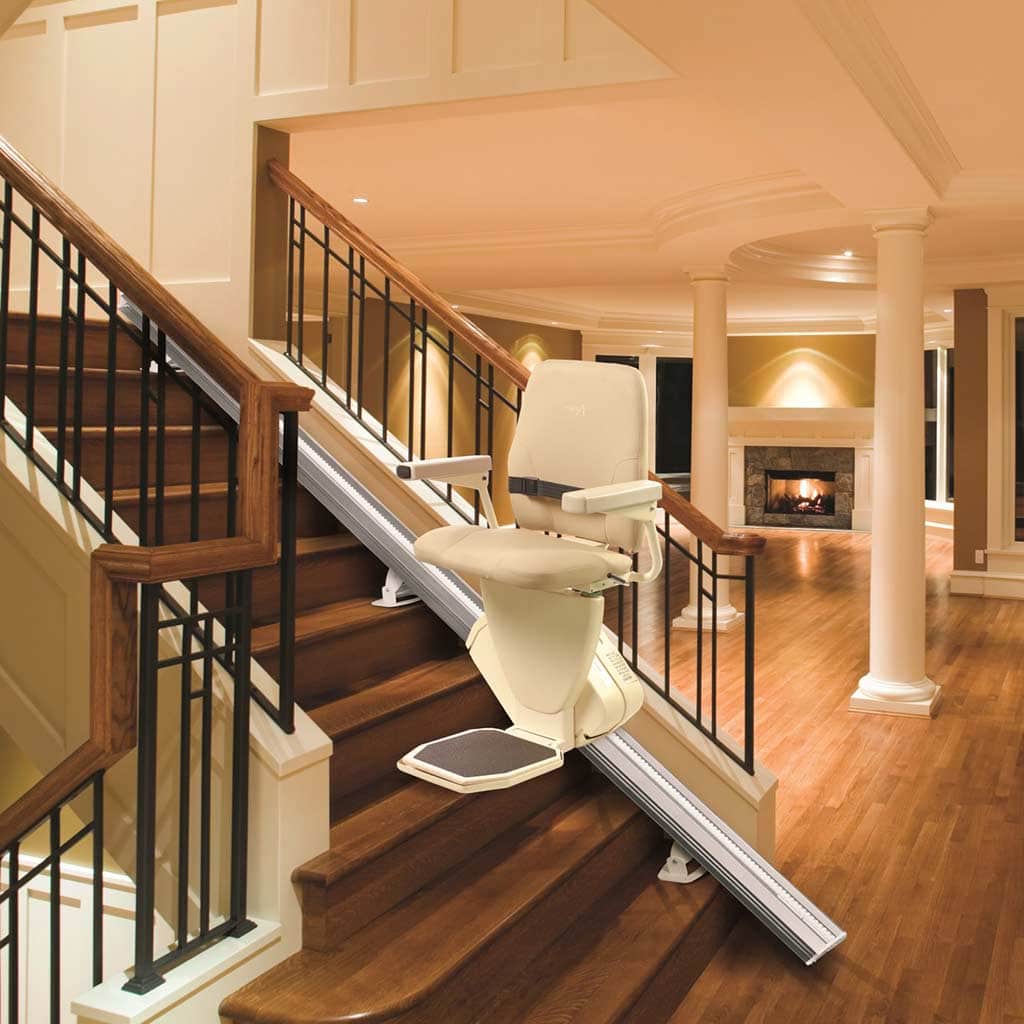
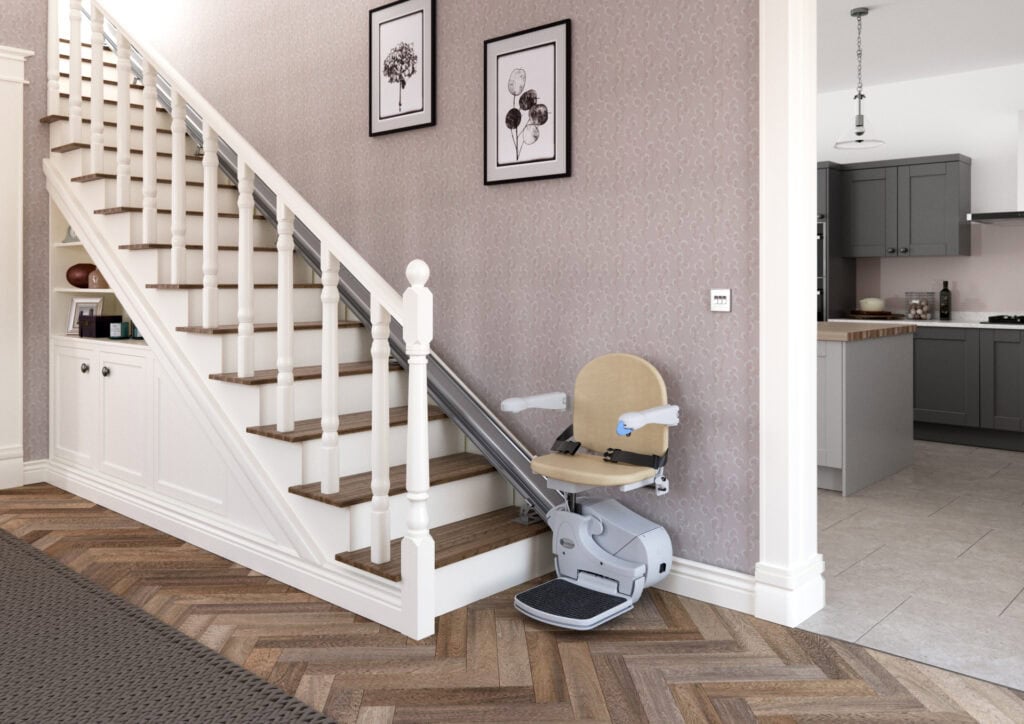
| Straight Stair Lifts | Designed for straight staircases |
| Curved Stair Lifts | Custom made for curved staircases |
| Outdoor Stair Lifts | Built for external stairs and weather conditions |
| Portable Stair Lifts | Can be moved between different staircases |
| Heavy-duty Stair Lifts | Supports additional weight capacities |
This information helps you choose the right stair lift that suits your needs.
Straight Stair Lifts
There’s a great option for you if your home has a straight staircase: the Straight Stair Lift. This type is specifically designed to navigate a straight path from the bottom to the top without any curves. It consists of a rail mounted directly to the stairs, ensuring seamless travel up and down.
Curved Stair Lifts
On the other hand, if you live in a multi-level home with a unique staircase design, consider the Curved Stair Lift. These lifts are tailored to fit your specific stair configuration, providing a safe and reliable method for navigating curves and bends.
Stair lifts of this kind can be more expensive due to the custom manufacturing process involved. They are engineered to ensure both comfort and safety while gliding along the contours of your staircase.
Outdoor Stair Lifts
Straight outdoor stair lifts are perfect if you need to access outdoor spaces. They are designed to withstand the elements and provide reliable transport from ground level to elevated areas outside your home.
With added features like weather-resistant materials and greater safety measures, outdoor stair lifts ensure that you can confidently navigate your outdoor staircase without worrying about slippery conditions or harsh weather affecting your mobility.
Factors Influencing Cost
Any discussion about the cost of a home stair lift elevator must consider several influencing factors, including:
- Installation complexity
- Customization options
- Brand and model
The total expense will vary based on these elements, making it important to evaluate each closely.
Installation Complexity
To understand the costs associated with a stair lift, you must consider the installation complexity. Factors like the configuration of your staircase, whether it is straight or curved, can significantly impact labor hours and materials needed, thus affecting the overall price.
Customization Options
With a variety of customization options available, you may find yourself facing additional costs. These can include tailored seating, different rail finishes, and optional features like powered folding or safety accessories to suit your lifestyle and needs.
This level of customization can enhance your user experience and ensure the stair lift fits seamlessly into your home décor. However, be aware that the more customized the lift becomes, the higher the cost may climb, so it’s wise to prioritize the most crucial features while staying within budget.
Brand and Model
Any choice of brand and model will greatly affect your final costs. High-end brands often come with better warranties and additional features, while budget models may lack crucial functionalities.
A reputable brand may offer higher prices due to superior technology and customer support. Ensure you research various manufacturers to find a balance between quality and affordability, as investing in a reliable lift can save you both time and potential repair costs in the long run. Choosing wisely can lead to a safer and more satisfying stair lift experience.
Price Range Overview
Now, understanding the price range for home stair lifts is vital for making an informed decision. Costs can vary significantly based on features, installation, and brand. Generally, you can expect prices to range from a few thousand dollars to over $10,000, depending on your requirements and the intricacies of your home. This guide will help you navigate through various options available to fit your budget.
Entry-Level Options
You can find entry-level stair lifts starting around $3,000. These models are best suited for basic needs and often come with standard features to help you navigate stairs safely. While they may lack advanced functions, they provide a budget-friendly solution for homeowners looking for vital mobility assistance.
Mid-Range Options
For a more enhanced experience, mid-range stair lifts typically range from $5,000 to $8,000. These options often incorporate improved features such as greater weight capacity, increased speed, and enhanced safety measures.
The mid-range options are designed with some added functionalities that focus on comfort and durability, making them a popular choice for many homeowners. These models usually offer customizable features, like swivel seats and adjustable armrests, providing not just functionality but also a higher level of user comfort.
High-End Options
MidRange, for those seeking luxury, high-end stair lifts can cost upwards of $10,000. These models come loaded with advanced technology and premium materials.
For instance, high-end stair lifts may feature custom designs, smart technology integration, and even more sophisticated safety mechanisms such as automatic safety sensors. They often provide a seamless ride experience and integrate seamlessly with your home decor, but you should carefully consider whether the additional features align with your needs and budget before making a decision.
Pros and Cons of Home Stair Lifts
All home stair lifts offer significant benefits but also come with a few drawbacks. Understanding these pros and cons will help you make an informed decision when considering a stair lift for your home.
| Pros | Cons |
|---|---|
| Increases mobility and independence | High initial cost |
| Can be installed in various home designs | Requires electrical power |
| Enhances safety for individuals with limited mobility | May take up space on stairs |
| Improves comfort in multi-level homes | Regular maintenance required |
| Reduces the risk of falls | Possible effect on home value |
Advantages
To increase your mobility at home, a stair lift can be an excellent investment. It provides convenient access to different levels of your home, reduces the danger of falls, and allows you to maintain your independence. A stair lift can be customized to fit your stairway, making it suitable for various home designs.
Disadvantages
Home stair lifts may also present a few challenges. Initial installation costs can be quite high, and depending on your home’s layout, they might take up precious space on your staircase. Additionally, many models require reliable power sources and regular maintenance, which can add to your overall expense. You should also consider the potential effect on your home’s resale value.
It is vital to assess the implications of having a stair lift in your home. Not only could the initial setup be expensive, but the need for consistent power means you must ensure your home has reliable electrical access. Maintenance is important to guarantee safety, which can further escalate costs over time. Finally, some potential buyers may question the installation of a stair lift, affecting your home’s overall market appeal.
Tips for Choosing the Right Stair Lift
To ensure you select the best stair lift for your needs, consider the following factors:
- Your specific mobility requirements
- Space available for installation
- Weight capacity of the stair lift
- Type of stairs (straight or curved)
- Warranty and after-sales support
Any investment in a home stair lift elevator should prioritize your comfort and safety.
Assessing Your Needs
Assuming that you have considered your mobility challenges, it’s necessary to evaluate the specifics of your situation. Think about how frequently you use the stairs, the range of mobility challenges you face, and whether you require additional features like a seatbelt or remote control. Understanding your personal needs will guide you to the right stair lift solution.
Consulting Professionals
For the best outcome in your stair lift selection, consider engaging with certified professionals. Their insights can significantly enhance your understanding of different models and brands.
Professionals will assess your needs and evaluate your home layout to determine which type of stair lift is ideal for you. They can also guide you through the installation process and ensure everything complies with safety regulations. Depending on their experience, they can offer recommendations on the most suitable options that align with your budget. You can expect a thorough inspection of your staircases, where you’ll receive expert advice that highlights both the positive aspects and important considerations related to various stair lift models.
Step-by-Step Guide to Installation
For a successful home stair lift elevator installation, you should follow a systematic approach. Below is a breakdown of the key steps involved:
| Step | Description |
| 1 | Choose the right location for installation. |
| 2 | Gather the necessary tools and materials. |
| 3 | Prepare the area by removing obstacles. |
| 4 | Install the rail system securely. |
| 5 | Attach the chair and test the functionality. |
Preparation
Guide your installation by ensuring everything is ready beforehand. You will need to clear your staircase of furniture and any obstructions to ensure a smooth process. Additionally, gather all tools such as wrenches, screwdrivers, and the stair lift components. Taking time to prep the area helps in avoiding potential delays and problems during the installation.
Installation Process
Clearly, the actual installation begins with securing the rail system to your stairs. If you’re using a straight stair lift, the process typically involves using brackets and wall anchors to ensure stability. Once the rail is in place, attach the chair, ensuring all connections are tight and secure before testing.
It is vital to follow the manufacturer’s instructions during the installation process. Check the alignment of the rail as it should run parallel to the staircase. Ensure that all connections are secure and that the electrical components are correctly installed for safe operation. A properly installed lift should move smoothly without any grinding or abnormal noises, indicating that everything is in order.
Post-Installation Considerations
Guide your attention to testing the stair lift following installation. Make sure you run multiple test cycles to confirm safety features like the emergency stop and battery backup function. Additionally, maintenance checks should be scheduled to ensure longevity.
Preparation after installation involves familiarizing yourself and your family with the operational features of the stair lift.Instruction manuals should be read thoroughly, and it’s beneficial to practice using the lift until you feel comfortable. This way, you can enjoy the positive aspects of your new lift while being aware of the potential risks. Ensure periodic checks and servicing as recommended to keep your stair lift in optimal condition.
To wrap up, the cost of a home stair lift elevator can vary significantly based on several factors, including the type of lift, customization options, and installation needs. On average, you can expect to invest between $3,000 and $15,000 for a quality stair lift. When making your decision, consider your budget, the specific features you desire, and the long-term benefits of enhancing your mobility and safety at home. A stair lift can improve your daily life, making it a worthwhile investment for your comfort and independence.
Q: What is the average cost of a home stair lift elevator?
A: The average cost of a home stair lift elevator typically ranges between $3,000 and $5,000. This price can vary based on several factors including the type of stair lift, the length and design of the staircase, and any additional features required for the installation. Straight stair lifts are generally less expensive than curved stair lifts due to the complexity and customization needed for the latter.
Q: Are there any additional costs associated with installing a home stair lift?
A: Yes, there are several potential additional costs to consider when installing a home stair lift. Installation fees can add anywhere from $300 to $1,200 to the overall price depending on the complexity of the installation and the company providing the service. Additionally, if any modifications to the staircase or home are necessary for a proper fit, costs may increase. Maintenance and warranty options may also incur extra charges over time.
Q: Can I find financial assistance or grants for purchasing a stair lift?
A: Many options are available for financial assistance when it comes to purchasing a stair lift. Various non-profit organizations, state and federal programs, and local home health agencies may offer grants or loans to help with the cost of mobility equipment. It’s advisable to explore resources like the Department of Aging or specific health care providers who may provide information on available financial aid programs tailored to those needing assistance with mobility solutions.

Introducing Kevin Olrich, Owner of CAPS Remodeling. As a trusted expert in the field of barrier free remodeling Kevin brings a compassionate approach to create safer, more comfortable, and independent living conditions for the elderly and disabled throughout the State of Michigan. His leadership and experience is at the core of how CAPS provides the best solutions to meet the unique needs of our customers and medical professionals.