
The Smallest Home Elevators for Space-Saving Installation
July 2, 2025
Best Stair Lifts for Narrow or Spiral Staircases
July 15, 2025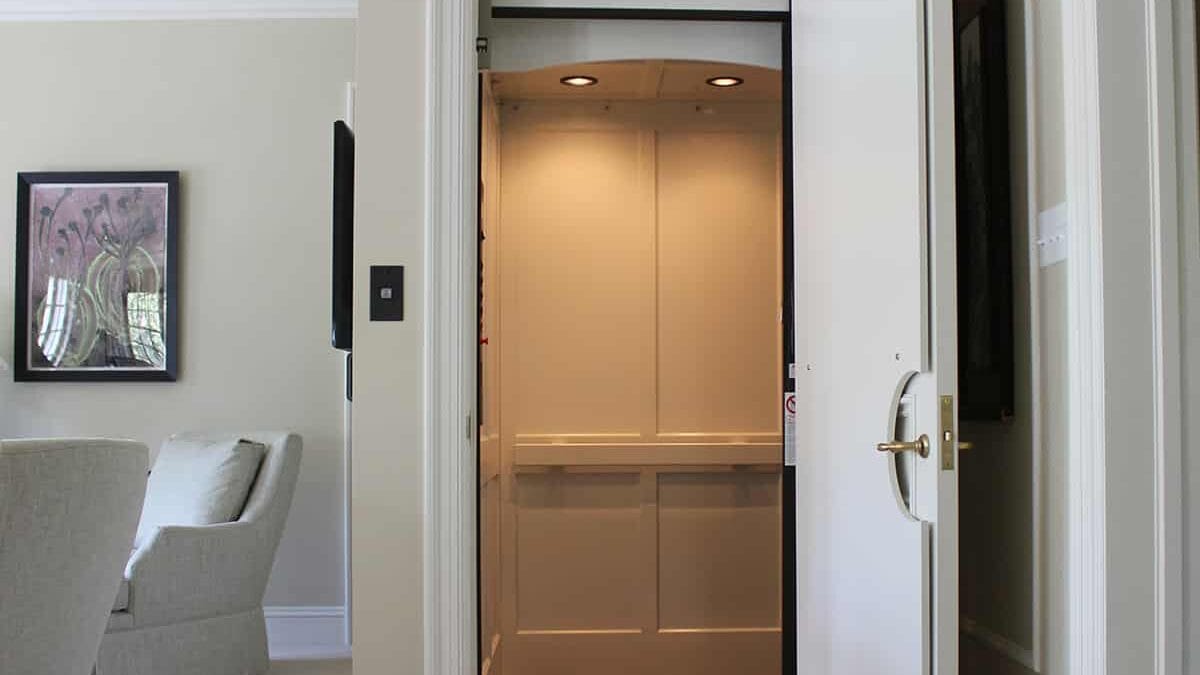
Chair lifts provide important mobility support, but upgrading to a home elevator can significantly enhance your home’s accessibility and safety. When considering this transition, it is essential to evaluate your space requirements, budget, and specific mobility needs. Home elevators offer a smoother, more reliable ride and increase your property’s value while reducing the risk of falls associated with chair lifts. At CAPS Remodeling, we guide you through every step, ensuring your upgrade is tailored perfectly to your lifestyle and home. Taking this step can transform your daily routine with both comfort and confidence.
Key Takeaways:
- Evaluate your home’s structural layout to determine the best placement and type of elevator that suits your space and mobility needs.
- Consult with professional remodeling experts, like CAPS Remodeling, to ensure a seamless transition from a chair lift to a home elevator that meets safety and accessibility standards.
- Consider the long-term benefits of a home elevator, including increased home value and enhanced accessibility, making daily movement easier and more comfortable.
Evaluating the Limitations of Chair Lifts
Space Constraints and Accessibility Challenges
Chair lifts often require extensive clear wall space along staircases, limiting their installation to specific homes with suitable stair dimensions. Narrow or curved staircases can pose significant challenges, sometimes making chair lift placement impossible or awkward. Besides physical space limitations, chair lifts restrict accessibility to only stairways, whereas elevators offer seamless entry and exit at multiple floors, enhancing overall mobility throughout your home.
The Physical and Psychological Impacts of Using a Chair Lift
Using a chair lift repeatedly can cause discomfort or strain due to fixed seating positions and limited legroom, especially during longer rides. You might also experience anxiety associated with the slow speed and exposure to staircases, which can increase feelings of vulnerability or fear of falls. Such psychological stress can reduce your willingness to use the device regularly, impacting independence and quality of life over time.
Beyond the physical discomforts, chair lifts can evoke a sense of confinement and dependence, as the restricted motion and visible presence emphasize limitations rather than empowerment. In contrast, a home elevator offers a more spacious, secure, and dignified way to move between floors, significantly reducing both physical strain and the psychological barriers linked to mobility challenges. Multiple studies have shown that upgrading to an elevator can enhance mental well-being by promoting independence and reducing daily stress related to mobility.
Why Choose a Home Elevator Over a Chair Lift?
Enhanced Safety Features and Stability
Home elevators offer significantly enhanced safety compared to chair lifts, providing a more stable and secure means of mobility. Equipped with features like emergency stop buttons, backup power supplies, and smooth, level landings, they minimize the risk of falls and mechanical failures. The enclosed cabin prevents accidental slips or missteps, while modern sensors detect obstacles and halt movement instantly. This added stability is particularly beneficial if you have mobility challenges that require reliable, consistent support every time you move between floors.
Increased Property Value and Market Appeal
Installing a home elevator can considerably boost your property’s value and appeal to prospective buyers. Unlike chair lifts, elevators provide a sleek, modern upgrade that stands out as a desirable accessibility feature, attracting a wider audience. Homes equipped with elevators have been shown to sell faster and at higher prices, often recouping a substantial portion of the installation cost. This investment not only enhances your daily living but also contributes to your long-term financial confidence should you decide to sell.
Real estate studies indicate that homes with elevators can increase in value by up to 10%, especially in markets with aging populations or luxury homebuyers. Contractors like CAPS Remodeling report that integrating a home elevator within your remodeling plans adds sophistication and convenience that buyers actively seek. Besides the monetary advantage, this upgrade signals a future-proof investment, adapting your home to evolving mobility needs and making your property uniquely appealing in competitive real estate markets.
Key Factors to Consider Before Upgrading
- Budgeting for an elevator installation to align with your financial plans
- Structural requirements and available space considerations in your home
- Local regulations and necessary permits to ensure compliance
Budgeting for an Elevator Installation
Installing a home elevator typically ranges from $20,000 to $50,000, depending on the model, customization options, and the complexity of the installation. Additional costs might include building modifications and ongoing maintenance. Planning your budget carefully helps avoid surprises and ensures you fund the most suitable option for your mobility needs and home value.
Assessing Structural Requirements and Space Considerations
Analyze the existing layout where the elevator will be installed—commonly, shaft dimensions must be at least 5 feet by 5 feet. Load-bearing walls might need reinforcement. Your home’s construction type influences elevator options; concrete homes allow easier shaft cutting than those with wooden framing. You must decide if a hydraulic, traction, or pneumatic elevator suits your house, each requiring different space and support requirements.
A deeper explore structural needs shows that many homes require custom framing or wall modifications to safely accommodate the elevator shaft and equipment. Ceiling heights of at least 8 feet are preferable, allowing for sufficient space for machinery, especially in hydraulic models. Flooring integrity matters, too—you may need subfloor reinforcement to support the weight of an elevator. Consulting a structural engineer maximizes safety and speeds up the permitting process with accurate blueprints.
Understanding Local Regulations and Permits
You must secure permits before installation. These include obtaining building permits, conducting electrical and mechanical inspections, and ensuring adherence to the Americans with Disabilities Act (ADA) if applicable. Regulations vary significantly by city and state; some areas require special inspections of elevator shafts or emergency communication systems.
Local jurisdictions often mandate compliance with strict codes such as the International Building Code (IBC) and ASME A17.1 safety standards for elevators. Failure to meet these can result in fines or demands to remove non-compliant installations. Working with experienced contractors familiar with your area’s permitting process accelerates the approval process and confirms that your elevator meets safety and accessibility requirements.
Recognizing these key factors enables a smoother transition from a chair lift to a lasting, functional home elevator tailored to your lifestyle.
Exploring Different Types of Home Elevators
| Type of Elevator | Key Features |
|---|---|
| Traditional Hydraulic Elevators | Use fluid pressure to lift the cab; it is ideal for handling heavy loads and providing a smooth ride. |
| Pneumatic Vacuum Elevators | Operate using air pressure differences; compact and require minimal space. |
| Traction Elevators | Utilize cables and counterweights for energy-efficient, quiet operation. |
| Machine Room-Less (MRL) Elevators | Eliminate the need for a separate machine room, saving space and streamlining installation. |
| Stair Lifts vs. Elevators Comparison | Elevators offer increased speed and capacity, while stair lifts are more budget-friendly. |
Traditional Hydraulic Elevators
Traditional hydraulic elevators utilize a fluid-filled piston system to smoothly raise and lower the elevator cab. They’re typically chosen for their reliable performance and capacity to carry heavy weights, often exceeding 2,000 pounds. Installation requires a machine room, typically located in the basement or adjacent to the shaft, and they operate quietly with consistent speeds, making them highly suitable for multi-story homes. You can expect a dependable, low-maintenance option that provides a seamless ride inside your home.
Pneumatic Vacuum Elevators
Pneumatic vacuum elevators utilize air pressure to create upward and downward movement in a transparent cylindrical shaft. This design enables rapid installation without major structural changes or machine rooms. Their compact footprint allows them to fit into tighter spaces, and the glass exterior provides a modern, airy aesthetic. These elevators generally handle lighter loads and fewer stops, perfect if you want a visually striking lift that maximizes space efficiency.
Beyond aesthetics, pneumatic vacuum elevators boast energy efficiency thanks to the absence of cables and heavy machinery. The vacuum system consumes power mainly during ascent, relying on gravity for descent, which reduces operational costs. Their modular design allows for easy relocation if you remodel or move, making them a flexible, futuristic addition to your home that supports both form and function.
Traction Elevators and Their Benefits
Traction elevators utilize steel cables and counterweights to ensure smooth and quiet movement between floors. Initially found in commercial buildings, they are gaining popularity in residential settings due to their energy efficiency and minimal maintenance requirements. The counterweight balances the cab’s weight, decreasing the amount of power needed to operate and reducing strain on the motor.
These elevators can handle faster speeds and greater travel distances compared to hydraulic models, making them ideal for taller homes. You’ll find them adaptable to various architectural styles, with options for machine roomless designs that preserve valuable space. Furthermore, their advanced control systems provide precise floor leveling and enhanced ride comfort, improving safety and convenience for you and your family.
Any home elevator you select should align with your building layout and personal needs, ensuring reliable mobility and enhancing your home’s accessibility.
Step-by-Step Guide to the Upgrade Process
| Step | Description |
| 1. Conducting a Home Assessment with Professionals | Experts evaluate your home’s architecture, load-bearing capacities, and available space to determine the best elevator placement and specifications. |
| 2. Creating a Timeline for Installation | A detailed schedule that aligns all phases of installation, from demolition to final inspection, ensures the project stays on track and minimizes disruptions. |
| 3. Coordinating with Contractors and Suppliers | Effective communication between you, contractors, and equipment suppliers ensures seamless delivery, customization, and adherence to safety standards. |
Conducting a Home Assessment with Professionals
Hiring specialists like structural engineers and elevator consultants provides an accurate assessment of your home’s existing framework. They’ll examine floor supports, ceiling heights, and wiring routes, identifying any necessary modifications to accommodate a home elevator. This assessment sets the foundation for safe installation and ensures compliance with local building codes, helping avoid costly changes during construction.
Creating a Timeline for Installation
Constructing a clear installation timeline provides a realistic plan that balances work phases, including the removal of the old chair lift, any required structural changes, elevator delivery, assembly, and rigorous safety testing. For example, a typical residential elevator installation can take between 3 and 6 weeks, depending on its complexity. Proper scheduling keeps your daily routines manageable while allowing contractors to sequence tasks efficiently.
Prioritizing timeline creation empowers you to orchestrate each step with confidence. It enables coordination for temporary mobility needs and preparation for any room closures during work. Adjustments can be made in sequence to accommodate unforeseen challenges, such as hidden wall reinforcements, while maintaining a target completion date and budget. The timeline also forms the basis for sharing progress updates with family members or home care providers involved in the upgrade.
Coordinating with Contractors and Suppliers
Effective communication channels between you, your remodeling contractor, elevator vendors, and any subcontractors streamline deliveries and installation activities. Confirming elevator model options, technical specifications, and customization details upfront reduces the risk of delays. Contractors benefit from the timely receipt of parts and components while you gain transparency on progress and costs.
Active coordination also involves scheduling walkthroughs with installers to clarify the desired elevator features and finishings. Working closely with suppliers ensures the equipment meets your mobility needs, safety features, and aesthetic preferences. For example, specifying button heights, door automation, or power backup options early in the process leads to a more tailored installation. Maintaining open dialogue helps prevent miscommunication that could cause rework or extended project timelines.
Designing Your Elevator: Aesthetic and Functional Choices
Customization Options for Interior and Exterior Design
You can tailor your home elevator’s interior to mirror your personal sdécorand home décor. From sleek stainless steel panels to warm wood finishes, materials vary widely. Lighting options include LED accent lights or soft ambient glow, enhancing both safety and ambiance. The exterior cab can be finished to complement your home’s architectural style—whether traditional, modern, or transitional. Glass panels provide an open, airy feel. At the same time, solid walls offer privacy and security. With such diversity, your elevator becomes an elegant extension of your living space rather than just a functional necessity.
Integration with Home Automation Systems
Modern home elevators now incorporate smart technology, enabling seamless integration with your existing home automation system. You can control your elevator remotely via smartphone apps or voice commands through assistants like Alexa or Google Assistant. Features also include personalized user profiles that automatically adjust lighting and speed settings. This level of control improves convenience and accessibility, making mobility inside your home more seamless and tailored to your daily routine.
Delving deeper, integration with home automation systems means your elevator can work in harmony with security systems and environmental controls. Imagine setting your elevator to automatically open when your security system recognizes your arrival or syncing elevator operation with your smart thermostat for optimized energy use during peak travel times. Integration extends beyond convenience, enhancing safety with real-time monitoring and alerts directly to your phone or smart devices, ensuring you stay connected to the most important aspects of your home’s vertical transportation.
Managing the Installation: What to Expect
Preparing Your Home for Elevator Installation
Before the elevator system arrives, clear the installation area completely of the removable décor, furniture, and any wall hangings. Structural adjustments such as wall reinforcement or creating an elevator shaft may require minor demolition work. You’ll need to secure any pets and advise family members about restricted zones during construction. Electrical and plumbing systems may need to be rerouted to accommodate the elevator machinery. Ensuring a clean, accessible workspace can shorten installation times and reduce the risk of damage to your home’s interior.
Navigating Disruptions During Construction
Installation activities often generate noise and dust and demand temporary power shutdowns. You might encounter vibrations or see workers moving equipment throughout your home. Access to certain areas may be limited for safety reasons. A typical residential elevator install takes between three to five days, depending on complexity. Planning alternative routes around the worksite and scheduling patient downtime helps keep the process smooth without significant lifestyle interruptions.
Beyond noise and dust, the presence of heavy machinery means you should keep children and pets well away from the installation zone to avoid any accidents. Coordination with your installer to receive daily progress updates can help clarify when noisy or intrusive phases occur, allowing you to adjust your day accordingly. Some homeowners find that temporarily relocating to other rooms or spending more time outdoors helps reduce stress during these intense days. Proper air filtration or covering furniture in adjacent rooms helps reduce dust spread and protect your belongings.
Ensuring Long-Term Maintenance and Safety
Establishing a Routine Maintenance Schedule
Setting up a routine maintenance plan for your home elevator helps prevent unexpected breakdowns and prolongs the equipment’s lifespan. Ideally, inspections should happen every 6 to 12 months, including lubrication of moving parts, checking electrical systems, and testing emergency features. Regular upkeep not only ensures smooth operation but also minimizes costly repairs in the future. Collaborate with licensed technicians who specialize in home elevators to accurately assess wear and tear and keep your system compliant with safety codes.
Understanding Elevator Safety Protocols and Best Practices
Familiarize yourself with the operational rules and emergency procedures specific to residential elevators. These include weight limits — typically around 750 pounds — and ensuring clearance space within the cabin for safe entry and exit. You should also educate all household members on how to respond in the event of malfunctions, such as power outages or door obstructions. Keeping emergency contact information accessible inside the cab can provide timely assistance when needed.
The National Association of Elevator Contractors (NAEC) recommends following manufacturer guidelines for both daily use and troubleshooting. Safety features, such as automatic door sensors, emergency stop buttons, and backup power supplies, must be tested frequently. Additionally, adherence to local codes enforced by agencies such as the American Society of Mechanical Engineers (ASME) ensures that your elevator meets all legal and safety standards. Staying informed about these protocols helps reduce hazards and enhances your confidence in your home’s vertical mobility.
To wrap up
As a reminder, upgrading from a chair lift to a home elevator can significantly enhance the accessibility and convenience of your home. By considering factors such as space, budget, and your specific mobility needs, you can select the most suitable elevator solution for your home. Working with experienced professionals, such as CAPS Remodeling, ensures a smooth installation process tailored to your lifestyle. This upgrade not only improves safety but adds long-term value to your property, helping you maintain independence and comfort. Take the time to plan carefully, and you’ll enjoy the benefits of your new home elevator for years to come.
FAQ
Q: What are the main steps involved in upgrading from a chair lift to a home elevator?
A: Upgrading from a chair lift to a home elevator typically starts with a professional assessment of your home’s layout and structural capacity. This evaluation helps determine the most suitable type of elevator and its optimal placement. Next, design and permit approvals are secured, ensuring compliance with local building codes and regulations. Installation involves preparing the space, which may include structural modifications, followed by the setup and testing of the elevator system. Finally, a thorough walkthrough is conducted to explain operation and maintenance to homeowners.
Q: How much space is required for installing a home elevator compared to a chair lift?
A: Home elevators generally require more space than chair lifts because they are enclosed systems with shafts or hoists. While chair lifts hug the stairs and occupy minimal space, elevators require a designated shaft or area that can support their weight and mechanical components. The exact space depends on the elevator model and the home’s architecture. Professionals at CAPS Remodeling can provide a detailed evaluation to optimize space usage without compromising home aesthetics or functionality.
Q: What are the benefits of upgrading to a home elevator from a chair lift?
A: Transitioning to a home elevator offers several benefits, including improved accessibility, increased home value, enhanced safety, and greater convenience. Elevators can accommodate wheelchairs and provide smooth vertical travel between floors without the need to transfer in and out of the chair. Additionally, elevators tend to offer a more modern and aesthetically pleasing solution that integrates seamlessly with home design. CAPS Remodeling specializes in custom home elevator installations that cater to your lifestyle and accessibility needs.

Introducing Kevin Olrich, Owner of CAPS Remodeling. As a trusted expert in the field of barrier free remodeling Kevin brings a compassionate approach to create safer, more comfortable, and independent living conditions for the elderly and disabled throughout the State of Michigan. His leadership and experience is at the core of how CAPS provides the best solutions to meet the unique needs of our customers and medical professionals.