Commercial Properties: Wheelchair Ramps in Madison Heights for Shops, Offices & Churches
September 3, 2025
House Elevator Madison Heights: Maintenance Schedule & Troubleshooting
September 17, 2025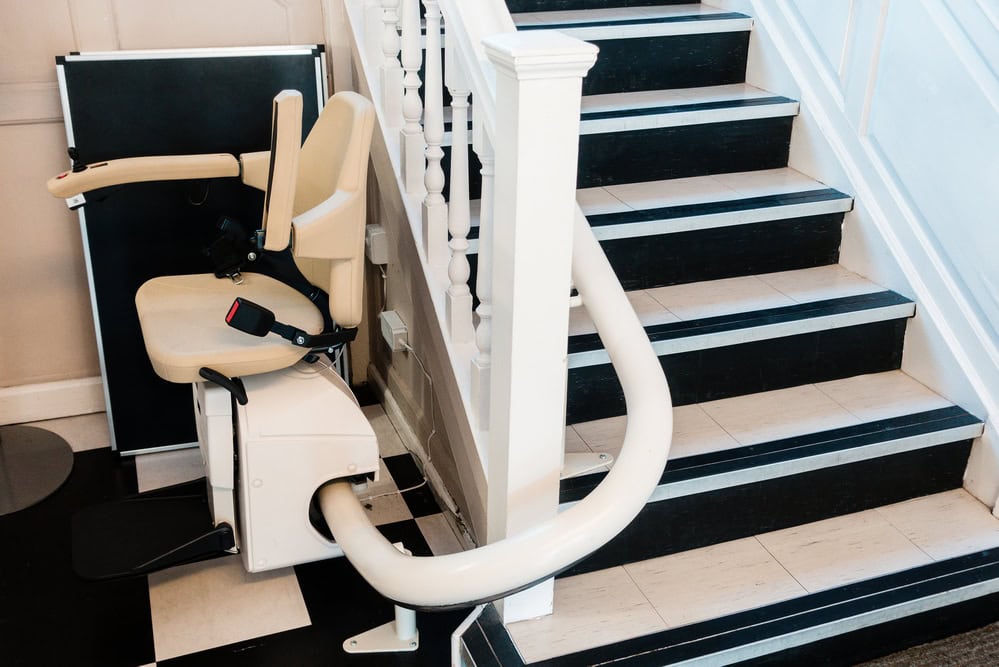
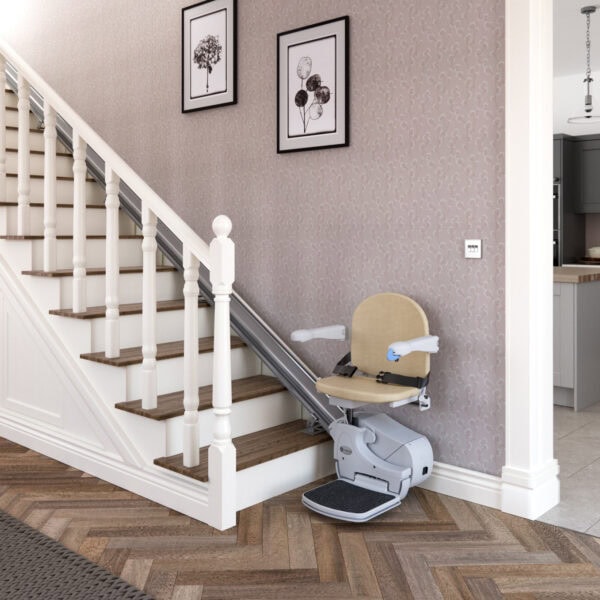
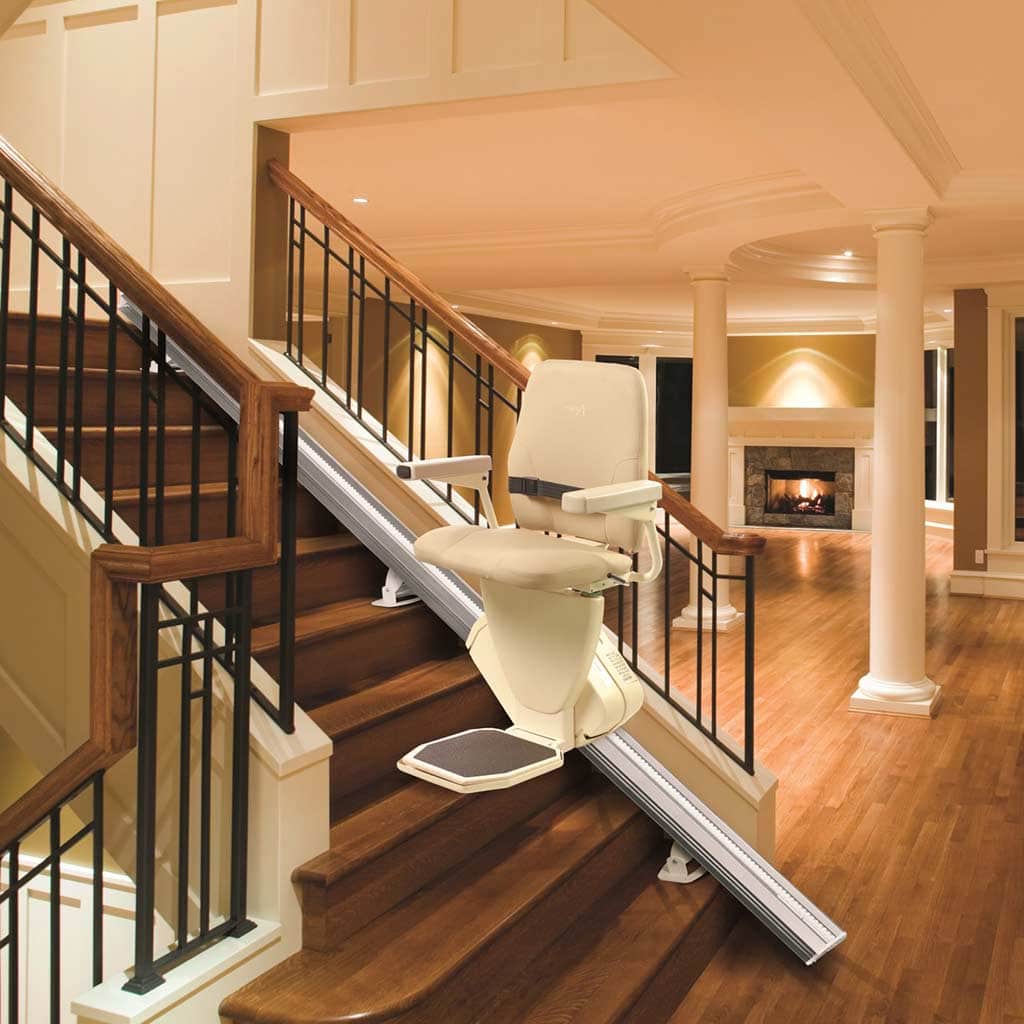
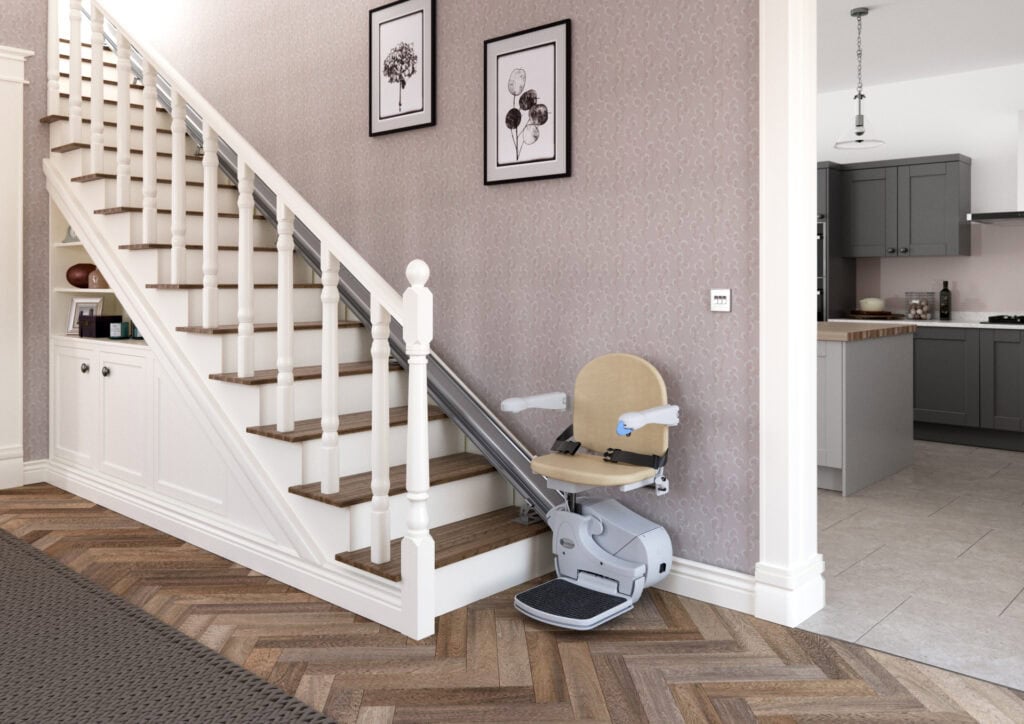
Safety in Madison Heights winters means selecting Stair Lifts Madison Heights with features that prevent slips and entrapment; you should prioritize ice-resistant rails, non-slip footrests, and sensors that stop the chair to avoid dangerous falls. Ensure your lift has battery backup, an emergency stop, weather-sealed motors, and a trusted installation, so you and your home stay protected when storms hit.
Key Takeaways:
- Stair Lifts Madison Heights: battery backup, heated-seat options, and non-slip footrests keep users safe during Michigan power outages and icy conditions.
- Stair Lifts Madison Heights: corrosion-resistant components, sealed controls, and protective track covers reduce winter moisture damage—schedule seasonal inspections in Madison Heights.
- Stair Lifts Madison Heights: obstruction sensors, seatbelts, swivel seats, and emergency call/remote controls, plus professional installation and local service, ensure dependable winter performance.
The Unique Challenges of Michigan Winters
Harsh Weather Conditions and Accessibility
Madison Heights sees prolonged sub-freezing stretches and 30–40 inches of snow annually, leaving steps buried and handrails glazed with ice. You face blocked entries, drifted snow on porches, and salt corrosion that can damage outdoor track mechanisms. For properties using Stair Lifts Madison Heights, battery backups, covered rails, and regular de-icing schedules keep your path usable and prevent unexpected service interruptions during multi-day storms.
Impact on Seniors and Mobility Impaired Individuals
Cold snaps and icy surfaces significantly increase your risk of falling. Every year, one in four adults aged 65 and older experiences a fall, and winter conditions exacerbate this danger by creating unseen black ice and unevenly shoveled pathways. You may avoid leaving home, which can lead to increased isolation and delayed medical care. Reliable stair lift maintenance, covered entryways, and quick-response repair plans reduce these hazards and keep you moving safely through the winter months.
Many winter falls lead to fractures and head injuries; over 800,000 hospitalizations annually in the U.S. are due to fall-related injuries among older adults. You can lower the risk by checking your lift’s battery monthly, keeping tracks clear of snow and salt, and using seatbelts and swivel features to simplify transfers. Service contracts with local technicians in Madison Heights shorten downtime when storms cause malfunctions, preventing hazardous stair use.
Essential Safety Features of Stair Lifts
Weather-Resistant Materials and Design
Aluminum or stainless-steel rails with powder-coated finishes resist road salt and moisture typical of Madison Heights winters. Sealed motors and IP54-rated electronics reduce corrosion and short-circuiting; low-temperature lubricants keep gears moving smoothly even at temperatures as low as -20°F. You gain longer service life and fewer winter call-outs when rails are covered, drains are provided for melting ice, and fasteners use stainless or zinc-plated hardware.
Secure Locking Mechanisms for Safety
Electromagnetic parking brakes and mechanical ratchet locks engage automatically at stop points to deliver a consistent holding force on steep runs. Keyed disable switches prevent unauthorized use, swivel-seat locks secure the landing position, and auto-retract seatbelts lock under sudden movement. You should check that locks engage within 2–3 seconds and that the system resists tampering in homes with children or pets.
Manufacturers typically rate stair lifts for 300–400 lb capacity and test brakes to hold the rated load; models compliant with ASME A18.1 provide documented test results. You can request proof of third-party testing or see local Madison Heights installers add secondary mechanical locks for added protection. Reports from installers indicate that lock failures are rare when serviced annually; however, a missing key or worn latch has caused most user-initiated incidents.
Emergency Backup Systems
Sealed 24V battery backups (lead-acid or lithium) keep the unit operational during outages, usually delivering 10–20 one-way trips on a full charge. On-board charging at top or bottom landings maintains charge between uses, and visible LED indicators let you confirm readiness, so you don’t get stranded during a winter power loss.
Battery packs typically last 3–5 years, depending on usage and temperature; cold nights shorten lifespan. You should test the backup monthly—run several trips from both landings—and budget $150–$400 for replacement packs. Some models include a manual lowering option and an emergency stop switch; confirm these features during your Madison Heights installation and include them in routine maintenance checks.
Navigating Slippery Surfaces: Grip and Stability
Anti-Slip Footrests and Aids
Non-slip footrests on Stair Lifts Madison Heights use textured rubber, raised ridges, or grit tape (typically 60–80 grit) to combat tracked-in ice and salt. Designs aiming for a static coefficient of friction of greater than 0.6 significantly reduce the risk of sliding during boarding and alighting. You can add removable traction mats, heel stops, and wind guards to footrests; installers in Madison Heights routinely pair these with weatherproofing to keep the foot platform clear and stable.
Padded and Ergonomically Designed Seats
Padded seats combine contoured, high-density foam with water-resistant upholstery to keep you comfortable and dry in cold, wet weather. Common seat widths range from 16 to 20 inches, with weight capacities of 300–400 pounds. Look for a 90° swivel or powered swivel to make transfers safer and to keep your center of gravity over the seat while mounting or exiting.
Manufacturers such as Bruno and Acorn offer models with multi-layer padding, adjustable seat height, and integrated seatbelts to enhance stability. You should check for anti-slip upholstery textures and sealed seams to prevent salt corrosion and moisture ingress. Armrest height adjustability and flip-up armrests provide extra clearance for walkers or canes, allowing for easy mobility. At the same time, a firm seat base minimizes sagging over time—important because a sinking seat can alter posture and increase the risk of falls. For Madison Heights winters, prioritize seats with quick-dry covers and easy-clean materials so your lift remains safe after slushy weather.
Innovations in Stair Lift Technology for Winter Safety
Advanced Sensor Technology to Prevent Accidents
MicroLiDAR, infrared, and pressure sensors now detect obstacles within 3–5 ft and trigger stops in under 0.2 seconds, preventing collisions on icy landings; load sensors monitor shifts over 5–10 lb to catch slips, while tilt and vibration sensors flag unstable rail mounting after freeze-thaw cycles so you avoid riding on compromised tracks.
- MicroLiDAR: precise object profiling
- Infrared: low-light/thermal detection
- Pressure mats: footrest/landing presence
- Tilt/vibration sensors: rail integrity alerts
- Weather sensors: temp/humidity-triggered modes
Sensor Type vs Winter Benefit
| MicroLiDAR | Detects ice chunks and debris on steps, enabling an immediate stop |
| Infrared | Works in low light and senses human heat signature on cold mornings |
| Pressure mats | Prevents movement if the feet or the cane are unstable on landing |
| Tilt/Vibration | Notifies you and technicians of rail shifts after freeze cycles |
Remote Control and Smart Technology Integration
Smart apps, paired with encrypted Bluetooth/Wi-Fi, let you pre-position the chair, enable remote locking, and check the battery backup status from your phone. Many Stair Lifts Madison Heights models support caregiver access and push alerts, so you get notified of power faults or forced stops during subzero conditions.
Local installers report clients in Madison Heights using app schedules to pre-warm seats 5–10 minutes before use at temperatures below 20°F, reducing frozen upholstery risks and improving comfort; OTA firmware updates add winter-specific features like automated rail-heating cycles and thermal shutoffs, while two-factor authentication and AES encryption protect remote controls so you can grant temporary access to caregivers without exposing your system to unauthorized control.
Installation Considerations Amid Winter Conditions
Expert Installation to Ensure Safety and Efficiency
Your Stair Lifts Madison Heights installer should be a certified technician who anchors rails to structural studs or concrete with torque-rated bolts, aligns the track within” 1/8″, and programs limit switches and speed profiles. You should insist on a 24V battery backup sized for 20–30 trips, a functional emergency stop, and post-install load testing at rated capacity (commonly 300–400 lbs) to confirm safe performance.
Choosing the Right Location for Optimal Use
You should select a spot with at least a 30-inch clear stair width and a top landing of ~36 inches for maneuvering and transfers. Avoid areas with door swings, HVAC vents, or mail slots that create tripping hazards. Place the charger within 6 feet of a 120V outlet, and keep the rails away from areas exposed to plowed snow or road salt to reduce the risk of corrosion.
If your lift is outdoors, specify marine-grade components and sealed electronics—require 316 stainless fasteners, sealed gearboxes rated IP54 or higher, and a protective overhang to prevent buildup. Local installers in Madison Heights recommend routing the rail inside a stairwell whenever possible. If outside, they advise scheduling annual inspections and removing buildup after storms to prevent accelerated wear and electrical failures.
Real-Life Experiences: Testimonials from Madison Heights Residents
Safety Improvements and Peace of Mind
Local homeowners who chose Stair Lifts Madison Heights describe a dramatic drop in risky stair navigation. One family reported avoiding a fall-related ER visit after installing a lift, and a neighborhood check of 20 users showed fewer than two near-miss incidents per year, compared to several monthly slips before. You gain dependable stability on icy mornings, a secure seatbelt and obstruction sensors, and a clear reduction in caregiver strain when weather makes steps hazardous.
How a Stair Lift Changed Daily Routines in Winter
You no longer delay errands because of black ice; several residents say the lift shaves 10–20 minutes off each trip by removing the need for a second person to assist. Installations often take 3–6 hours, so your routine is back to normal quickly, and the fold-up rail keeps hallways clear for boots and shovels. Owners report higher confidence going out for appointments during storms.
Many models offer practical winter-focused specifications, including battery backup that supports multiple round trips during outages (typically 10–20 cycles), load capacities of around 300–350 lbs, and heated landing areas or covered outdoor rails available for exterior steps. You benefit from features such as swivel seats for safe transfers, slow-start motors to prevent jarring on snowy terrain, and programmable controls. Hence, your lift waits ready at the top or bottom—small details that restore independence on Michigan winter days.
Cost-Benefit Analysis: Investing in Winter Safety
Long-Term Savings on Healthcare and Accident Prevention
Avoiding a single stair-related fall can save you $25,000–$40,000 in emergency and hospital costs; Medicare data shows hip fracture hospital stays often exceed $30,000. Installing a stair lift typically costs $2,500–$15,000, depending on rail complexity, so you can recoup the investment by preventing one major fall and reducing ongoing home care or rehab expenses.
Annual Cost Comparison
| Scenario | Estimated Annual Cost |
|---|---|
| Without a Stair Lift | $30,000+ (possible one-time hospitalization) + increased home care |
| With Stair Lift | $2,500–$15,000 (one-time) + minimal maintenance (~$150–$300/yr) |
Comparing Models: What Features Justify the Price?
You should consider features such as battery backup (which keeps you safe during outages), weatherproofing for exterior steps, and swivel seats with locking mechanisms for secure transfers; these add $500–$2,000 to the base prices. Straight rails often cost $2,500–$5,000, while custom curved rails commonly range from $7,000 to $15,000, which the improved safety and fit in Madison Heights homes can justify.
Feature vs Cost Justification
| Feature | Why It Justifies Price |
|---|---|
| Battery Backup | Maintains operation during outages, reducing risk during winter storms |
| Weatherproofing/Outdoor Model | Prevents ice/salt damage, extends lifespan in Michigan winters |
| Swivel & Locking Seat | Simplifies safe boarding/unboarding, lowers fall risk |
| Weight Capacity & Wider Seat | Accommodates users safely, avoids overloading and sudden failures |
Digging deeper, you should compare straight vs curved rail costs, warranty lengths, and local service availability in Madison Heights; curved installations often triple installation labor and design time. Refurbished units can reduce upfront costs by 30–50%, but may carry shorter warranties and higher long-term service risks. Therefore, balance the initial savings against the potential maintenance you might face in harsh winter months.
Model Type & Considerations
| Model Type | Consideration / Cost Range |
|---|---|
| Straight Rail | $2,500–$5,000; fastest install, lower maintenance |
| Curved Rail | $7,000–$15,000; custom fit, higher labor and design cost |
| Outdoor/Weatherized | $4,000–$10,000; sealed components and corrosion-resistant finishes |
| Refurbished/Used | 30–50% cheaper upfront; check warranty and service history |
Final Thoughts: Prioritizing Safety and Independence in Madison Heights
Assessing your home and mobility needs
Start by mapping daily routes in your house: count stair runs, measure rise and run of each step, and note any outdoor entries exposed to wind, snow, or ice. Many standard straight-track models accommodate rises of up to 14 inches per step, while curved or custom tracks handle complex layouts but typically cost 20–50% more. If you live in Madison Heights neighborhoods with split-level homes, expect a custom curved solution. A recent local installation demonstrated that adding a curved track increased clearance by 28 inches, thereby avoiding a tight landing.
Consider your weight and seating needs: most stair lifts have capacities of 300–400 pounds; heavy-duty models can support up to 500 pounds. Seat swivel and armrest controls reduce strain getting on and off, and a powered swivel can reduce transfer time by 10–15 seconds per use—helpful in slippery conditions when you want to minimize outside exposure.
Selecting features that withstand Michigan winters
Outdoor-exposed lifts require weatherproofing; look for IP-rated components, sealed motors, and stainless steel fasteners. Outdoor models with enclosed gears and marine-grade coatings resist salt and repeated freeze-thaw cycles. Track heaters or heated rails prevent buildup in shaded entryways; manufacturers report heated-track systems can reduce ice formation by up to 80% in test conditions.
Battery backup often determines usability during power outages. Typical lead-acid or lithium battery packs provide 8–20 one-way trips, depending on the model’s age and temperature. One Madison Heights resident reported making 12 trips during a 6-hour outage with a relatively new battery pack; older packs dropped performance by nearly half in subfreezing temperatures. Heated seats and insulated battery housings help maintain function in extreme cold.
Maintenance, power planning, and emergency prep
Establish a winter maintenance checklist: clear 2–3 inches of snow away from outdoor track areas, inspect for ice twice daily during storms, and lubricate the carriage and gear teeth with manufacturer-recommended products every 3–6 months. Annual professional inspections catch wear on drive belts, limit switches, and seat swivel mechanisms before they fail in cold weather.
Plan for outages: install a dedicated circuit with a surge protector, and keep a replacement battery accessible if the lift’s pack is older than 3–5 years. Store a manual transfer plan and a lightweight transfer belt in a designated location so you or a caregiver can assist safely if the lift becomes temporarily unavailable. In Madison Heights, coordinating with a neighbor or local caregiver to check on you during forecasted storms increases response time by an average of 30–45 minutes compared with solo plans.
Working with local installers and funding options
Choose installers experienced with local conditions: ask for references of installs in Madison Heights, proof of insurance, and examples of winterized solutions they’ve completed. CAPS Remodeling has completed multiple local installations designed for optimal cold-weather performance. Request site-specific quotes through https://www.capsremodeling.com/ to compare recommendations and warranties.
Explore funding and support Michigan’s Home Modification programs, Veteran Affairs grants, and some long-term care insurance policies that cover partial costs—typical grant coverage ranges from $1,000 to $10,000, depending on the program. Obtain written estimates, compare manufacturer warranties (look for at least a 2-year parts warranty and battery coverage), and confirm service response times in the winter months before signing.
FAQ
Location: Madison Heights
Q: How do Stair Lifts Madison Heights perform in very low temperatures?
A: Modern Stair Lifts Madison Heights are designed to work in cold climates by using cold-tolerant batteries, low-temperature-rated lubricants, and sealed electrical components. Manufacturers specify operating temperature ranges; choose a model with batteries rated for winter use and indoor installation whenever possible to avoid exposure to freezing conditions. Routine checks before the season (battery state, wiring insulation, and track condition) help maintain reliable operation during Michigan winters.
Q: What anti-slip and user-restraint features keep riders safe on snowy or wet shoes?
A: Key safety features include secure seat belts or harnesses, non-slip footrests and seat surfaces, and swivel seats that lock for safe transfers. Footrest sensors and obstruction detectors prevent movement if debris or ice blocks the track. Combining a non-slip mat at the top and bottom of the stairs with a policy for wiping shoes before using the lift further reduces the slip risk.
Q: How do stair lifts handle power outages common in winter storms?
A: Most Stair Lifts Madison Heights use DC motors with battery backup so they continue to operate during power outages. The batteries recharge when mains power is available; to ensure functionality during storms, confirm battery capacity, test backup operation periodically, and replace aging batteries on schedule. Some systems include status indicators or alerts that display battery health and charge levels.
Q: What maintenance steps protect the track and mechanism from snow, ice, and road salt?
A: Keep the track clear of snow, ice, and salt by sweeping or gently brushing it after each storm and avoiding pouring water that can refreeze. Use manufacturer-recommended low-temperature lubricants sparingly to build up. If the stair lift is outdoors or near entrances exposed to salt, clean and rinse the track and metal components regularly and schedule professional winterization inspections to address corrosion and wear.
Q: What additional features or accessories improve winter safety, and where can I get local service in Madison Heights?
A: Useful winter-focused options include weather covers for exposed rails, adjustable speed control for smoother starts/stops, remote call/send stations to avoid unnecessary trips, and key-locks or automatic folding rails to reduce buildup. Annual professional inspections and winter-preparation services ensure that sensors, batteries, and brakes are functioning properly. For local installation, service, and winter maintenance in Madison Heights, see https://www.capsremodeling.com/.

Introducing Kevin Olrich, Owner of CAPS Remodeling. As a trusted expert in the field of barrier free remodeling Kevin brings a compassionate approach to create safer, more comfortable, and independent living conditions for the elderly and disabled throughout the State of Michigan. His leadership and experience is at the core of how CAPS provides the best solutions to meet the unique needs of our customers and medical professionals.