How wheelchair ramps in Madison Heights handle snow, ice, and salt
November 4, 2025
Residential lift elevator in Madison Heights vs traditional elevators—pros and cons
November 18, 2025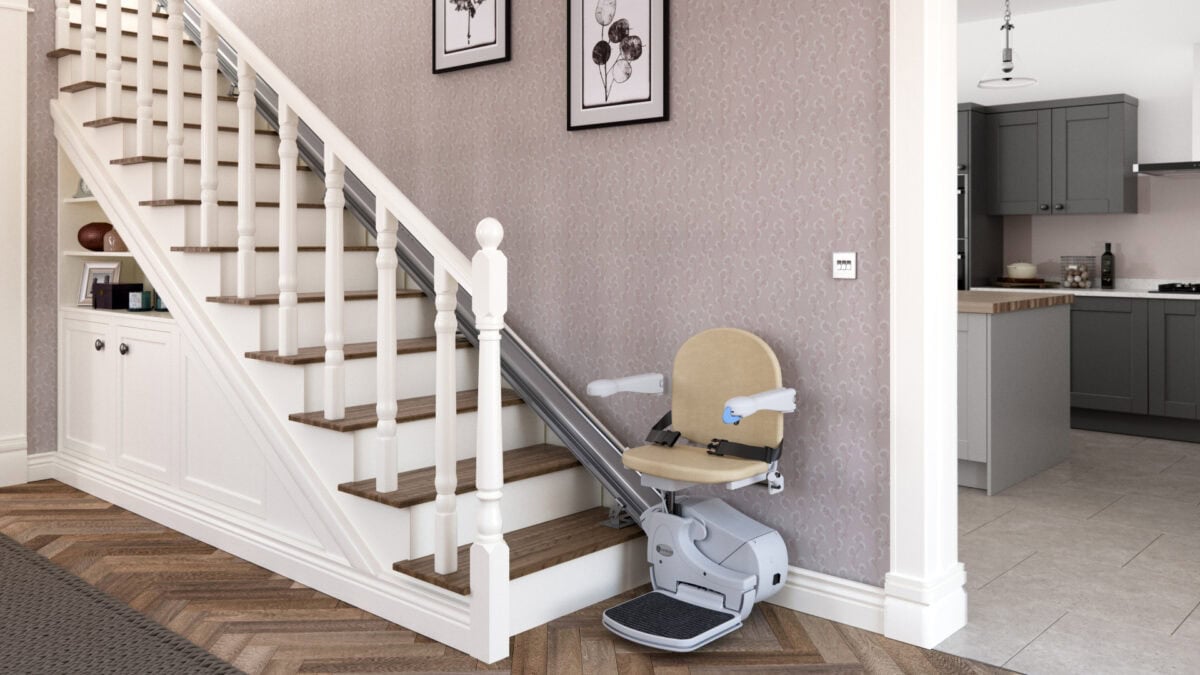
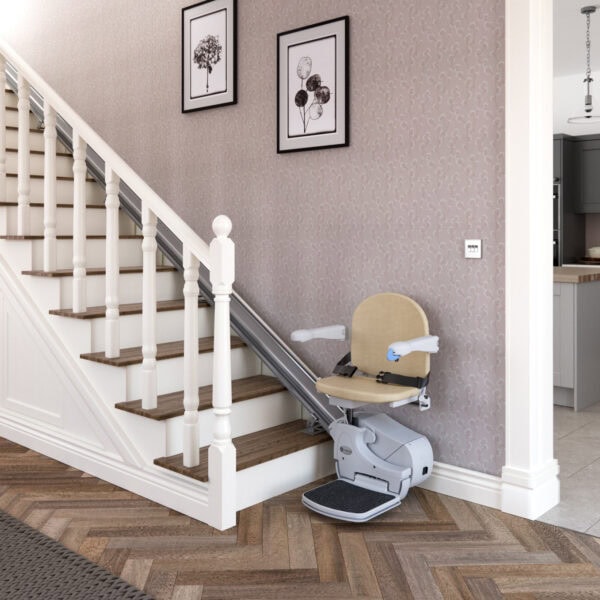
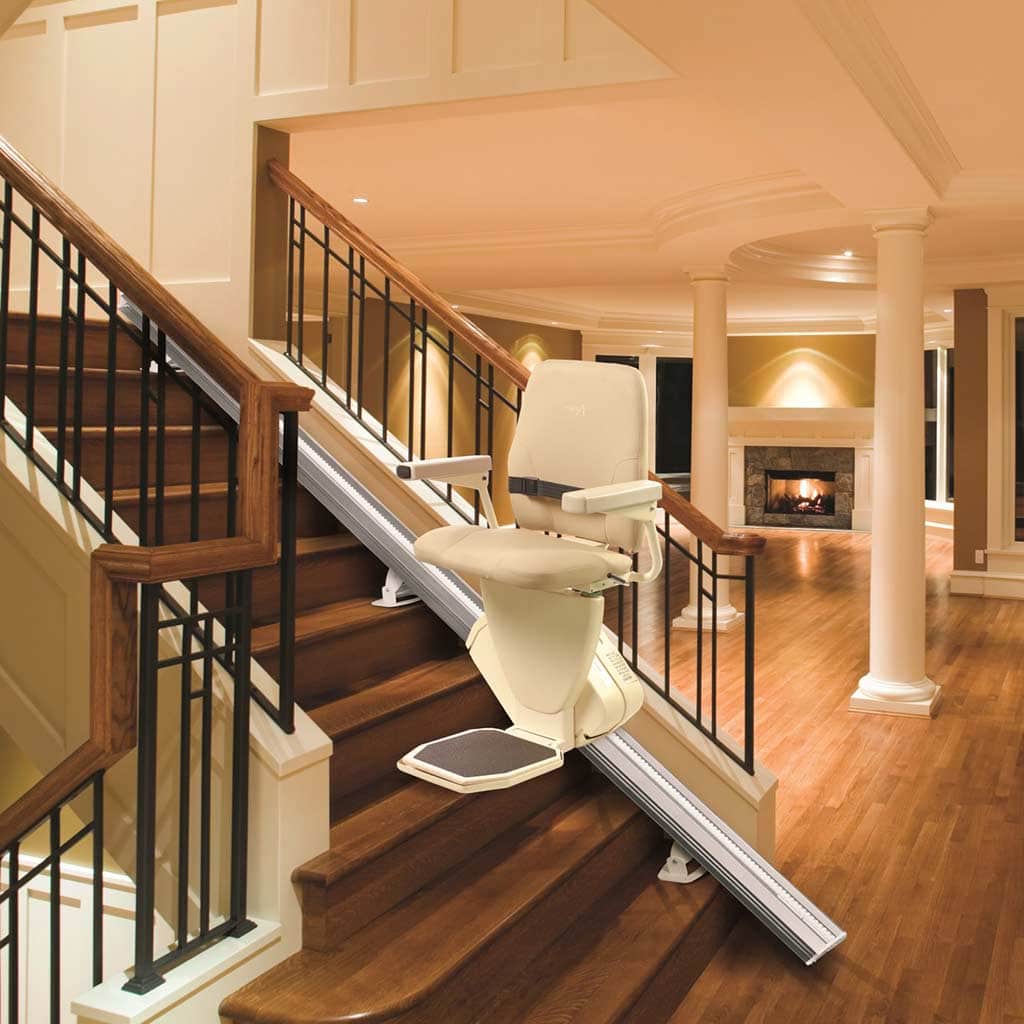
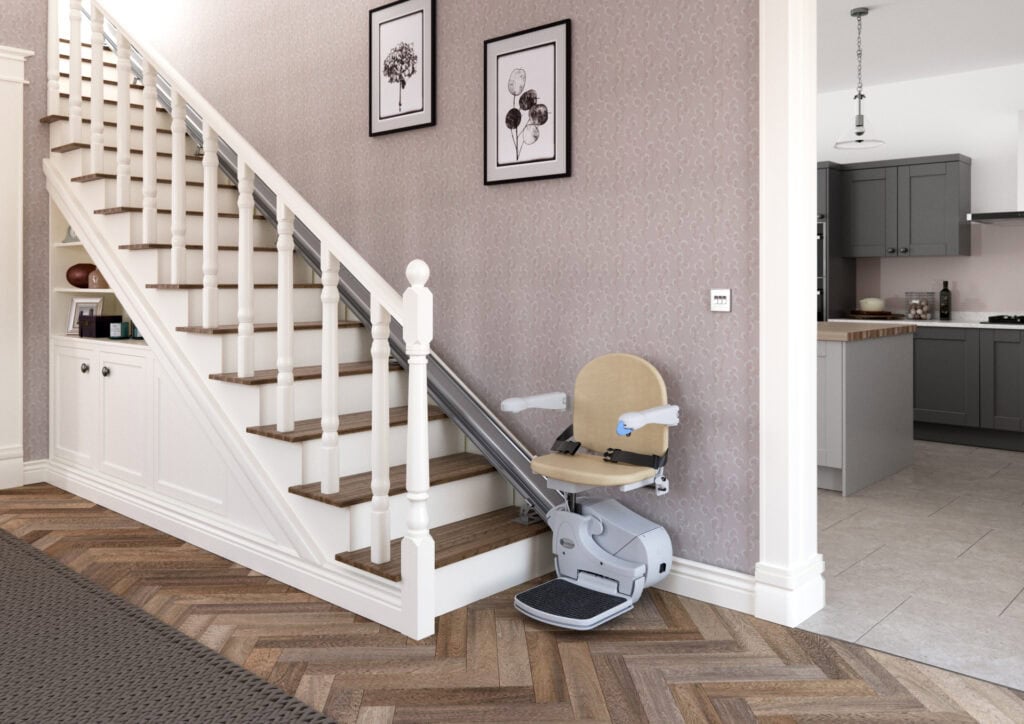
If you or a loved one is planning for safer, easier movement between floors, the next big decision is how to pay for the solution. For many households in Madison Heights, stair lifts are the fastest, least disruptive way to restore access. But should you rent or buy? This guide walks through the real differences—total cost of ownership, service and downtime, customization, home value, and the personal factors that actually move the needle—so you can choose with confidence.
If you’d like local guidance from a team that installs and supports stair mobility solutions, CAPS Remodeling can help with assessments and options for patient lifts and residential accessibility.
What problem are you solving—and for how long?
Before comparing price tags, define the use case. The right payment path follows the timeline.
Short-term needs often include:
- Post-surgery recovery, where stairs are temporarily unsafe
- A visiting family member who needs access for a limited time
- A home sale in progress, where keeping both floors accessible avoids rushed moves
Long-term needs typically involve:
- Progressive mobility changes, where the lift will be used for years
- Aging-in-place plans aimed at avoiding a move to a single-level home
- Caregiving support that relies on predictable, everyday access
If your timeline is measured in weeks or a few months, renting may look attractive. Once you cross into multi-year use, buying generally becomes the better value because the monthly fees of a rental accumulate quickly.
The real cost picture: rental vs. purchase
Let’s simplify how costs tend to stack up in Madison Heights for a typical straight-rail unit. Numbers vary by model and features, but the structure is consistent.
What you’ll often see with rentals:
- Initial setup fee (covers site visit, installation, and eventual removal)
- Monthly rental charge
- Optional damage waiver
- Required maintenance handled by the provider, baked into the plan
- Removal fee at the end of the term
What you’ll often see with purchases:
- One-time equipment and installation cost
- Optional extended warranty after the base warranty ends
- Pay-as-needed service after year one if you opt out of extended plans
- Resale or trade-in value later, depending on condition and model
The key is not just the upfront total—it’s the cross-over point where rental payments approach the purchase price. For many households, that happens somewhere around the 10–18 month range for basic straight lifts. Curved lifts cross over faster because their custom rails make rentals rare or more expensive. If you expect to use the lift longer than that rough window, buying usually wins.
Straight vs. curved stairs: why the shape matters
Stair shape is a decisive factor in Madison Heights homes. Many houses here have uncomplicated straight runs; others feature landings, tight turns, or pie-shaped treads.
- Straight stairs are widely available for rent or purchase. Rails are modular, which makes installation and later removal simple. If you’re considering a rental, straight is where you’ll typically find the best monthly pricing.
- Stairs with turns or landings: Curved lifts require a custom rail fabricated to match your exact staircase. Rentals are much less common because those rails can’t be reused elsewhere. If you have turns, buying is the practical route; otherwise, you risk rental pricing so high that it erases the advantage.
If you’re not sure which category your staircase falls into, schedule a quick local assessment. A pro can verify measurements, confirm required features, and estimate lead time.
Safety, comfort, and features you shouldn’t skip
Whether you rent or buy, prioritize the same core features. These directly affect everyday confidence and reduce caregiver strain.
- Battery-powered operation with automatic charging at the rail
- Smooth start/stop motor control (no jolt at takeoff or landing)
- Swivel seat at the top landing to face the hallway before standing up
- Folding footrest and armrests to keep the stairway clear for others
- Seat belt or lap belt with easy one-hand release
- Obstruction sensors along the carriage and footrest
- Call/send controls at both landings
When renting, verify that the model you’re offered includes these essentials. When buying, match the feature set to the user’s specific needs—wider seat pads for larger body types, power swivel or power folding for reduced strength, and high-capacity options if needed.
Service, downtime, and who answers the phone
Reliability matters more than anything when mobility is on the line. This is where the rental vs. purchase decision can feel less obvious.
- Rentals promise convenience: The provider typically bundles service into the monthly plan. If a repair is needed, you call, and they dispatch a technician. Downtime is still downtime—ask about average response times during winter storms and peak periods in Madison Heights.
- Purchases give control: You choose the brand and the local installer. Ask about stocked parts, technician availability, and the exact warranty scope. A strong local installer can match or exceed rental response times and will know your home’s layout for faster fixes.
Either way, you want clear expectations for response times, loaner availability (rare for lifts, but ask), and regular maintenance checks.
Resale and removal considerations
Rentals end cleanly: the company removes the lift and patches screw holes where needed. No resale hassle, no decision-making.
Purchases offer options:
- Keep the unit in place for future needs
- Move it to another property if the stair layout is compatible (mainly straight rails)
- Trade in or resell the unit privately, recouping part of your investment
- Donate to a community organization if that aligns with your goals
If you anticipate moving within a couple of years, a rental can save you the hassle of logistics. If you’re settled and planning to age in place, buying aligns better with long-term stability.
A clear decision framework for Madison Heights households
Use this quick filter to pressure-test your choice:
Choose renting if:
- Your staircase is straight, and the expected use is under a year
- You’re bridging a temporary medical situation with a defined end date
- You need a lift immediately during home renovations, and will remove it after
- You prefer a single monthly payment that includes service without thinking about warranties
Choose buying if:
- You expect use beyond 12–18 months
- Your stairs require a curved rail or custom features
- You want control over the exact model, upholstery, and accessories
- You care about long-term cost, resale potential, and integrating the lift with the home for years to come
Financing, insurance, and funding notes
While insurance rarely covers stair lifts directly, you may find partial support through certain programs, tax credits for medical home improvements, or flexible financing plans. If you’re comparing rent vs. buy and cost is the only hesitation, ask about:
- Low-interest payment plans that spread purchase costs over time
- Seasonal promotions on new installations
- Refurbished models with full safety checks from a local installer
A modest monthly payment on a purchase may rival a rental fee, but with the advantage of equity and long-term savings.
Installation speed and disruption
Rentals sometimes move faster because providers keep straight-rail units on hand. If your need is urgent—say, a planned hospital discharge—speed can be decisive. That said, a well-stocked local installer can often meet quick timelines for straight-unit purchases and provide realistic lead times for curved configurations.
Installation itself is typically a matter of hours. The rail mounts to stair treads, not the wall, minimizing repairs if the lift is removed later. Ask your installer to walk you through the landing clearances, charging points, and fold-away procedure so the stairs remain functional for other family members.
Everyday usability: small details that pay off
User comfort is less about brand names and more about thoughtful setup. Be sure the lift is tailored to the rider in Madison Heights conditions—winter clothing, boots, and all.
- Set seat height so knees are comfortable and feet rest flat on the footplate
- Confirm reach to the armrest controls with winter gloves on
- Add a top-landing power swivel if turning manually is difficult
- Consider a key switch if there are curious grandchildren in the home
- Ask for a wall-mounted charging indicator at eye level so you always know the batteries are topped up
If renting, don’t accept a “one-size” setup. Comfort adjustments matter even for short-term use.
Maintenance myths: what you really need to do
Modern stair lifts are remarkably low-maintenance, but not maintenance-free.
- Keep the rail clean and free of debris; a soft cloth does the job
- Fold the footrest and armrests when not in use to protect against bumps
- Charge consistently by parking at a charging point—common with both rentals and purchases
- Schedule periodic checks per the installer’s guidance; batteries are consumable and will need replacement over the years
With rentals, these checks are typically included. With purchases, you can choose an annual plan or pay only for service when needed. Either way, treat any unusual sound or hesitation as a prompt to call your provider.
Accessibility beyond the lift: landings, lighting, and transfers
A stair lift is one part of a safe path. Review the surrounding areas to ensure the entire trip runs smoothly.
- Top and bottom landings should be clear, level, and well-lit
- Add motion-activated lighting to avoid fumbling for switches
- Verify that walkers or wheelchairs fit comfortably at each landing for transfers
- Consider complementary solutions such as a short threshold ramp or grab bars near transfer points
For a holistic plan, you can coordinate a quick walk-through with CAPS Remodeling to discuss stair lift options so all the pieces fit together.
When renting backfires—and when buying is premature
Rentals can disappoint if:
- Your straight rail quietly turns into two years; the math flips, and you end up paying more than at the purchase
- The rental inventory doesn’t include key features you need, forcing a compromise
- Response times for service aren’t clear, leaving you uncertain during downtime
Purchases may be premature if:
- A physician expects full stair confidence to return in weeks
- You haven’t finalized your long-term living plan and might move soon
- The staircase is about to be remodeled, which could require a new rail anyway
Match the commitment to your clarity. If you’re still gathering information or waiting on a prognosis, a short rental can buy time without locking you into a long-term path.
Customization, aesthetics, and living with the lift
Buying opens the door to customization that rentals rarely offer:
- Upholstery colors and finishes that match your decor
- Power options for folding, swiveling, or footrest control
- Higher weight capacities and wider seats
- Rail parking upgrades that move the carriage off the landing
These details matter when the lift will live in your Madison Heights home for years. Rentals aim for widely compatible setups; purchasing lets you tailor the system to your exact preferences.
Environmental and resale angles
Thinking ahead, a purchased unit can be relocated, repurposed, or resold, extending its useful life. Straight-rail models are the most flexible, both for moving to a new home and for future resale. Rentals, by design, return to the provider for refurbishment and redeployment—efficient, but with no value retained by the homeowner.
If sustainability is part of your decision, ask your installer how they handle end-of-life components, battery recycling, and refurbishment of trade-ins.
Putting it all together: a simple decision path
- Define your timeline. If it’s truly short-term, lean rental.
- Identify your staircase type. Curved or multi-landing usually means buy.
- List your must-have features. If a rental can’t match them, buying wins.
- Compare the 12–18 month cost crossover. Past that, ownership pays off.
- Confirm service expectations. Whoever installs it should be the one you trust to maintain it.
- Decide how the lift fits your broader aging-in-place plan. Long-term plans favor ownership and customization.
How CAPS Remodeling supports your decision
As a local accessibility contractor serving Madison Heights, we help homeowners evaluate both paths. You can expect:
- A clear, written scope that outlines features, timeline, and total cost
- Options for straight and curved lifts, including power upgrades
- Guidance on financing and whether refurbished units make sense
- Professional installation and ongoing service from the same team
If you’re weighing the rent-versus-buy decision for stair lifts in Madison Heights, a quick phone consultation and a site visit can clarify everything—from staircase measurements to exact landing clearances and user comfort preferences.
The long-term view
When mobility and independence are at stake, the “cheapest today” choice isn’t always the best. Rentals keep you flexible and are perfect for short, defined needs. Buying builds stability, control, and often the lowest total cost across the years, especially for the many Madison Heights homes with straight staircases and long-term aging-in-place plans.
If you’re ready to explore options tailored to your home and goals, CAPS Remodeling can help you compare models, features, and timelines and guide you toward a decision that will feel right—not just this month, but years from now.
FAQs
1) How long does installation take in most Madison Heights homes?
For a straight staircase, installation often takes just a few hours once the parts are on site. Curved installations take longer due to custom rails, but the work is still typically completed within a day once fabrication is done.
2) What happens to my stairs if I remove the lift later?
The rail fastens to the treads, not the wall. When removed, you’ll see small screw holes that can be filled. For rentals, removal is part of the service; for purchases, your installer can handle patching.
3) Can I rent a curved stair lift?
It’s uncommon because curved rails are custom. When available, pricing often approaches purchase levels quickly, so buying is usually the better choice for curved stairs in Madison Heights.
4) Will a stair lift work during a power outage?
Yes, most modern units run on batteries that recharge when parked at the rail. You’ll have multiple trips available during an outage, and normal charging resumes when power returns.
5) What safety features should I insist on?
Look for a swivel seat at the top landing, seat belt, obstruction sensors, smooth start/stop motor control, and call/send controls at both landings. These features support confidence, especially for daily use.
If you’d like a tailored recommendation and quote for stair lifts in Madison Heights, we’re happy to help—start here: patient lifts.

Introducing Kevin Olrich, Owner of CAPS Remodeling. As a trusted expert in the field of barrier free remodeling Kevin brings a compassionate approach to create safer, more comfortable, and independent living conditions for the elderly and disabled throughout the State of Michigan. His leadership and experience is at the core of how CAPS provides the best solutions to meet the unique needs of our customers and medical professionals.