
For homeowners who rely on a residential lift, maintenance costs, inspection cadence, and common repair needs are top concerns. This 2025 guide outlines realistic annual service fees and repair ranges, explains how often inspections are required, compares contract options, and identifies the faults that most often cause downtime. Suppose you want to lower lifecycle costs while keeping the system safe and compliant. In that case, you’ll find clear price ranges, recommended inspection schedules, contract comparisons, component-level troubleshooting, and homeowner-safe maintenance steps.
Below we cover cost benchmarks and drivers, suggested service cadences, contract types and what they include, typical problems and repair pathways, ASME A17.1 inspection points, and practical actions you can take to extend your elevator’s service life.
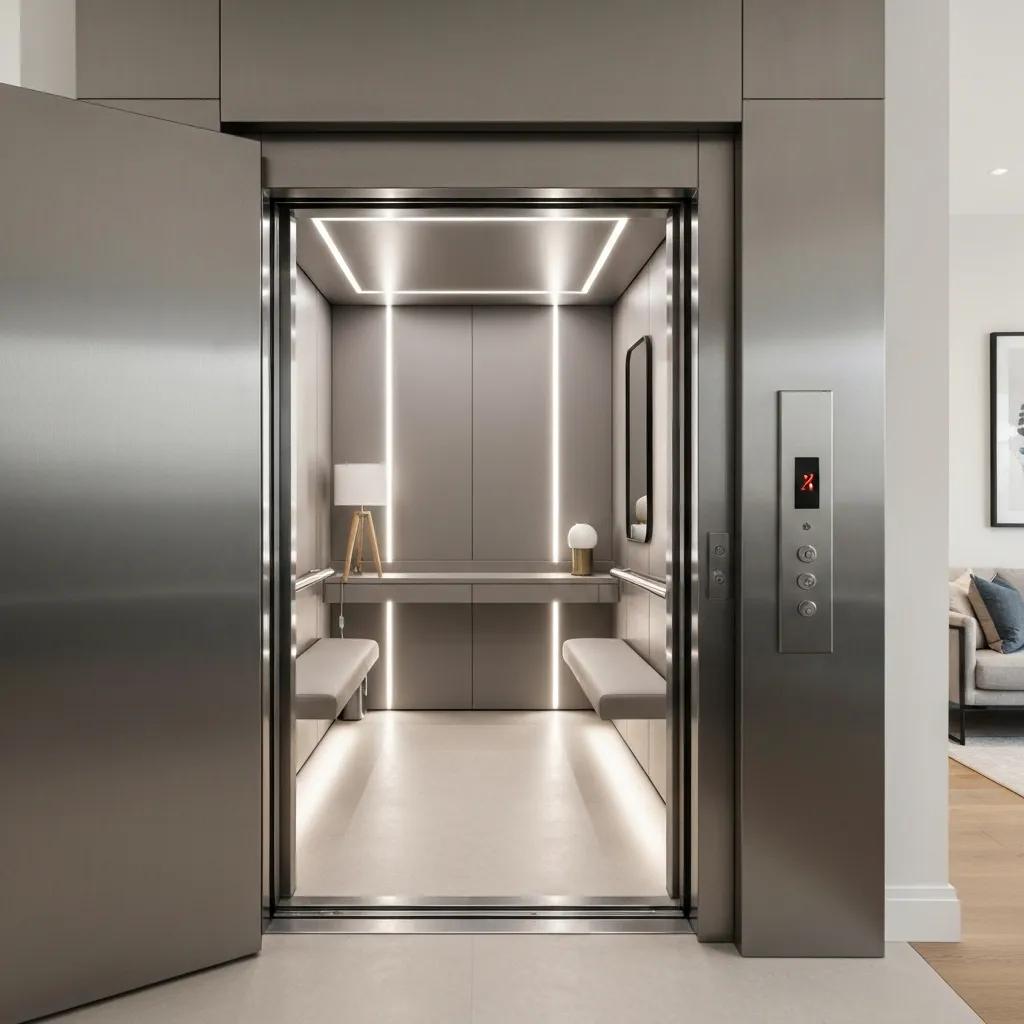
How Much Does Home Elevator Maintenance Cost in 2025?
Costs in 2025 depend on elevator type, usage, and location, but predictable ranges make budgeting manageable. Annual preventive visits usually include inspection, lubrication, and minor adjustments; major repairs and parts replacements are where costs become less predictable. Knowing typical line items—motors, controllers, door sensors, cables—and their price bands helps you decide whether a service contract or pay-per-visit approach is the better value. The sections below quantify average annual and repair costs and explain the primary factors that drive price differences so you can compare quotes and avoid surprise bills.
What Are the Average Annual and Repair Costs for Residential Elevators?

Here are typical 2025 cost ranges for routine service and frequent repairs to help you plan. Annual maintenance for a residential elevator usually falls in a modest range; major work—like replacing a motor or controller—can be several times higher.
The table below summarizes annual service, common repair categories, and emergency call-out costs so you can quickly compare likely expenses.
| Service Item | Typical Coverage / Attribute | 2025 Typical Range (USD) |
|---|---|---|
| Annual maintenance | One scheduled visit: inspection, lubrication, basic adjustments | $300 – $760 |
| Minor repairs | Door sensor replacement, limit switch, small controls | $150 – $650 |
| Major repairs | Motor repair/replacement, controller board replacement | $1,000 – $6,000 |
| Emergency call-out | After-hours or urgent technician visit | $150 – $450 (plus parts/labor) |
This table shows that routine upkeep is relatively low-cost compared with major component replacement—and why predictable maintenance generally reduces long-term expense. The next section explains the variables that determine where a specific job will fall inside these ranges and what choices reduce total ownership cost.
Which Factors Affect Home Elevator Maintenance and Repair Costs?
Several linked factors determine residential elevator costs and explain why quotes vary. Elevator type (hydraulic, traction, or pneumatic) sets baseline parts and labor needs—hydraulic systems need fluid and seal work while traction systems focus on cables and sheaves. Age and condition increase the chance of major repairs as parts near end of life; heavier usage accelerates wear on motors, sheaves, and door hardware. Geography affects labor rates and parts availability, and the contract tier (basic versus comprehensive) changes whether parts and labor are included or billed separately. Knowing these drivers helps you ask the right questions when comparing bids from service providers.
How Often Should You Schedule Home Elevator Maintenance and Inspections?
A balanced service schedule protects safety and minimizes unexpected downtime while meeting regulatory expectations. Combine simple homeowner checks with scheduled professional visits and at least one annual certified inspection. Usage and elevator design determine whether semi-annual or quarterly professional service is needed—high-traffic homes or older systems usually require more frequent attention. Below we offer a recommended schedule and explain how usage and system type affect inspection frequency.
What Is the Recommended Maintenance Schedule for Residential Elevators?
A consistent schedule helps catch wear early, preserve component life, and document service history for safety, insurance, and resale. Monthly homeowner checks plus one annual certified technician inspection form the baseline. For elevators with high trip counts, multi-occupant homes, or systems nearing end-of-life, consider semi-annual professional tune-ups or quarterly check-ins to prevent sudden failures.
- Monthly homeowner checks: quick visual hoistway review, threshold cleaning, door sensor wipe, and notes on ride quality.
- Annual certified technician inspection: full safety tests, brake/governor checks, controller diagnostics, and a written report.
- Semi-annual or quarterly professional tune-up: for high-use systems, include lubrication, fluid checks (hydraulic), and cable/sheave inspection.
This cadence balances cost and reliability; the next section explains how specific elevator types change recommended intervals so you can tailor service to your system.
How Does Usage and Elevator Type Influence Service Frequency?
Type and traffic patterns shape wear and the components that need closer monitoring. Hydraulic systems require attention to fluid condition and seals—heavy use speeds fluid contamination and seal wear, so inspect more often. Traction systems need repeated checks on cables, sheaves, and motor bearings; high trip counts add thermal and mechanical stress that may justify semi-annual service. Pneumatic lifts rely on vacuum seals and leak detection—these systems benefit from specialized checks after increased usage. Matching frequency to both use intensity and system design lowers failure risk and times replacements to minimize total cost.
What Are the Different Types of Home Elevator Maintenance Contracts?
Maintenance contracts typically fall into three tiers—basic, comprehensive, and pay-per-visit—each balancing upfront cost, predictability, and coverage. The best choice depends on your risk tolerance, budget, and the elevator’s age and usage. Basic plans lower near-term expense but leave you exposed to big repair bills; comprehensive plans raise yearly costs but often include parts and labor, faster response times, and diagnostic services.
What Does a Basic Home Elevator Maintenance Plan Include?
Basic plans provide the essential services that keep an elevator operational and meet inspection needs but usually exclude many replacement parts and extended labor. Common inclusions are one annual inspection, lubrication, basic adjustments, and a service report. Exclusions often include major electrical or mechanical parts, emergency call fees, and advanced diagnostics. Homeowners who choose a basic plan accept variable out-of-pocket repair costs and may prefer pay-per-visit work to keep fixed costs down.
| Contract Tier | Typical Includes | Typical Exclusions |
|---|---|---|
| Basic Plan | Annual inspection, lubrication, minor adjustments | Major parts, emergency call fees, diagnostics |
| Comprehensive Plan | Scheduled visits, parts & labor for covered items, priority response | Wear items after warranty or exclusions listed |
| Pay-per-visit | No scheduled visits; technician visits billed per call | Any included preventative maintenance |
Use this comparison to weigh immediate savings against potential long-term expenses. The following section explains why higher-tier contracts can lower total lifecycle cost.
How Do Comprehensive Maintenance Contracts Enhance Elevator Care?
Comprehensive contracts reduce repair-cost risk by bundling scheduled visits, many parts, and labor into a predictable fee. These plans often include priority emergency response, on-site diagnostics during visits, and parts discounts—factors that cut downtime and blunt the financial impact of major failures. For multi-occupant households or residents who depend on the elevator for accessibility, comprehensive coverage can be a cost-effective way to minimize disruptions. Some plans also offer remote or predictive monitoring that spots early component wear and lets technicians intervene before a failure grows costly.
What Are Common Home Elevator Problems and How Are They Repaired?
Knowing frequent faults and their typical fixes helps you prioritize urgency and anticipate costs. Most service calls focus on motors, sheaves, controllers, and sensors; mapping symptoms to causes speeds diagnosis and improves first-visit repairs. The sections below list top problems with diagnostic clues and expected repair paths, including a quick-reference diagnostic table with likely causes and cost ranges.
How to Identify and Fix Misaligned Motors and Worn Sheaves?
Motor misalignment and worn sheaves produce clear symptoms—odd noises, vibration, or jerky movement—that point to mechanical wear or bearing failure. Technicians use ride-quality checks, vibration analysis, and visual inspection of sheave grooves and cable seating to diagnose these issues. Repairs range from bearing replacement and realignment to full sheave replacement and cable re-termination.
| Component | Symptom | Likely Cause | Typical Repair / Cost Range |
|---|---|---|---|
| Motor | Grinding or vibration | Misalignment, worn bearings | Alignment, bearing replacement: $400 – $1,800 |
| Sheave | Squeal, uneven travel | Worn grooves, improper lubrication | Sheave re-grooving or replacement: $600 – $2,500 |
| Cables | Fraying, uneven tension | Wear from sheave damage | Cable replacement and re-tension: $800 – $3,500 |
These diagnostic notes help you decide when immediate technician action is necessary and when monitoring is acceptable. The next section covers electronic controller and sensor issues that can mimic mechanical faults.
What Are Typical Controller and Sensor Issues in Home Elevators?
Controller faults and door sensors often cause false stops, unexpected re-openings, or incorrect floor stops—frustrating and intermittent problems. Common causes include dirty or misaligned sensors, degraded wiring, and failed controller boards. Many issues clear with cleaning, realignment, or wiring repair; older systems may require controller replacement. Simple diagnostics include cleaning sensor lenses, testing wiring continuity, and swapping modules when safe and appropriate. Knowing these failure modes helps you report symptoms accurately and speeds repairs.
How Do Safety Standards and Annual Inspections Ensure Home Elevator Reliability?

Annual inspections and adherence to safety standards (including ASME A17.1) are central to reliable, compliant elevator operation and can reduce insurance and liability risk. Inspectors check mechanical, electrical, and structural safety features, test emergency systems, and provide a formal report required by many jurisdictions and insurers. Proactive inspections uncover wear in brakes, governors, interlocks, and hoistway integrity so repairs can be done before failures occur. The following subsections list key safety checks and summarize how ASME A17.1 informs residential maintenance and record-keeping.
What Are the Key Safety Features Checked During Home Elevator Inspections?
Inspectors use a checklist that targets components whose failure could cause injury or entrapment. Typical items include brake function and governor tests, door interlocks and sensor operation, emergency lowering and backup power checks, and hoistway and cab structural inspections. Each element is tested to ensure it meets minimum performance standards and any required corrective actions are recorded. Keeping these systems in good working order reduces risk and helps prioritize maintenance identified in the inspection report.
How Does ASME A17.1 Regulate Residential Elevator Maintenance?
ASME A17.1 is the widely adopted code that sets minimum safety standards and inspection intervals for elevators, with provisions tailored for residential use. The code defines testing procedures, device performance criteria, and documentation requirements that technicians and inspectors follow during annual inspections. Homeowners should keep inspection records and service reports as proof of compliance and to simplify insurance or resale. Following ASME A17.1-based practices reduces liability and ensures maintenance meets nationally recognized safety benchmarks.
How Can Homeowners Extend Their Elevator’s Lifespan Through Maintenance?
Regular, proactive maintenance and owner vigilance extend component life and lower lifetime ownership costs by stopping small issues from becoming major failures. Homeowners help most by doing safe, simple tasks between professional visits, logging unusual behavior, and keeping hoistway entrances and thresholds clear of debris and moisture. Documenting maintenance and calling certified technicians when warning signs appear preserves warranties and keeps you in compliance. The sections below list homeowner-safe preventative steps and provide clear guidance on when to engage a certified technician.
What Preventative Maintenance Steps Can Homeowners Perform Safely?
There are simple, safety-first tasks homeowners can do that materially reduce wear and detect early problems. Safe actions include wiping door sensor lenses and thresholds, visually checking hoistway access for debris, listening for changes in ride quality and recording them, and never overloading the cab past its rated capacity. Don’t attempt electrical work or inside-cab panel repairs—log irregularities and report them to your service provider. Regular homeowner checks complement professional inspections and build a record that helps technicians diagnose intermittent faults faster.
- Wipe and inspect door sensors and thresholds monthly to reduce false re-opens.
- Keep hoistway entrances clear; remove debris that can jam doors or tracks.
- Log noise, vibration, or leveling issues and share the log with your technician.
These simple steps cut preventable wear and speed diagnostics when a professional visit is required. The next section outlines red flags that merit immediate attention from a certified technician.
When Should You Hire a Certified Elevator Technician for Maintenance?
Escalating to a certified elevator technician at the right time protects safety and prevents small faults from worsening. Call promptly for persistent unusual noises, jerky motion, inconsistent leveling, repeated emergency stop activations, electrical faults, or door interlock failures—these symptoms suggest serious mechanical or electrical issues. Annual certified inspections are required in many areas and are also needed after major component replacements to verify safe reassembly and compliance. Timely professional intervention protects passengers and helps avoid larger, costlier repairs.
- Immediate technician call: persistent noises, jerky starts/stops, or door interlock failures.
- Scheduled technician visit: any intermittent faults that recur over several days.
- Mandatory service: annual inspections and post-repair safety verification.
Following these escalation steps helps you combine safe DIY checks with timely professional care to keep your elevator reliable and code-compliant.
Frequently Asked Questions
What are the benefits of having a comprehensive maintenance contract for home elevators?
A comprehensive maintenance contract gives homeowners predictable coverage for scheduled visits, many parts, and labor—reducing the financial shock of unexpected repairs. These plans usually include priority emergency response and on-site diagnostics, which speeds repairs and cuts downtime. Some comprehensive plans add monitoring that spots wear early, helping prevent major breakdowns and lowering total cost of ownership over time.
How can homeowners prepare for an elevator inspection?
To prepare, make the elevator and surrounding area accessible so the technician can reach required components. Remove debris from the hoistway and clear space around the doors. Note any unusual noises or performance issues and have maintenance records organized for the inspector’s review—this information speeds diagnosis and helps produce a thorough report.
What should homeowners do if their elevator experiences frequent breakdowns?
Start by reviewing maintenance records for patterns or recurring faults. Schedule a comprehensive inspection with a certified technician to identify root causes. Also consider whether your current maintenance contract provides adequate coverage; upgrading to a comprehensive plan may be worthwhile. Finally, evaluate the elevator’s age and usage—sometimes an upgrade or replacement is more cost-effective than repeated repairs.
Are there specific safety features that homeowners should regularly check?
Yes. Regularly verify that door interlocks are operating (so the elevator won’t move with doors open) and that the emergency lowering system and backup power function correctly. Check brakes and governors for proper operation. Regular checks of these safety-critical systems help maintain compliance and reduce the risk of accidents.
What are the signs that indicate a need for immediate elevator repair?
Immediate repair is warranted for persistent grinding or squeaking noises, jerky or inconsistent motion, frequent activation of emergency stops, failure to level correctly at floors, or door interlock malfunctions. Report these issues to a certified technician promptly to prevent escalation and more expensive repairs.
How can homeowners ensure compliance with local elevator regulations?
Familiarize yourself with local codes and standards—ASME A17.1 is commonly referenced—and keep up with annual inspections by certified professionals. Maintain thorough records of maintenance and inspections, as these are often requested for compliance checks, insurance, or resale. Staying aware of regulatory updates in your area also helps ensure ongoing compliance.
What are the common misconceptions about home elevator maintenance?
One common misconception is that maintenance is only needed when something breaks. In fact, regular preventive care is essential for safety and reliability. Another is that all maintenance contracts offer the same coverage—contract terms vary widely, so read them carefully. Finally, DIY fixes can be tempting, but many elevator issues require certified technicians to ensure safety and code compliance.
Knowing the typical costs, inspection cadence, and common repairs for home elevators helps you make informed choices that improve safety and reliability. Regular inspections and the right maintenance contract can reduce unexpected expenses and extend your elevator’s useful life. Start by reviewing your current maintenance plan, scheduling any overdue inspections, and using the checklists in this guide to stay proactive. For more detailed resources and local service options, consult your trusted elevator provider.
I am text block. Click edit button to change this text. Lorem ipsum dolor sit amet, consectetur adipiscing elit. Ut elit tellus, luctus nec ullamcorper mattis, pulvinar dapibus leo.
 Madison Heights, MI