
Accessible Kitchen Remodeling: Wheelchair-Friendly Design Ideas for Aging in Place
June 23, 2026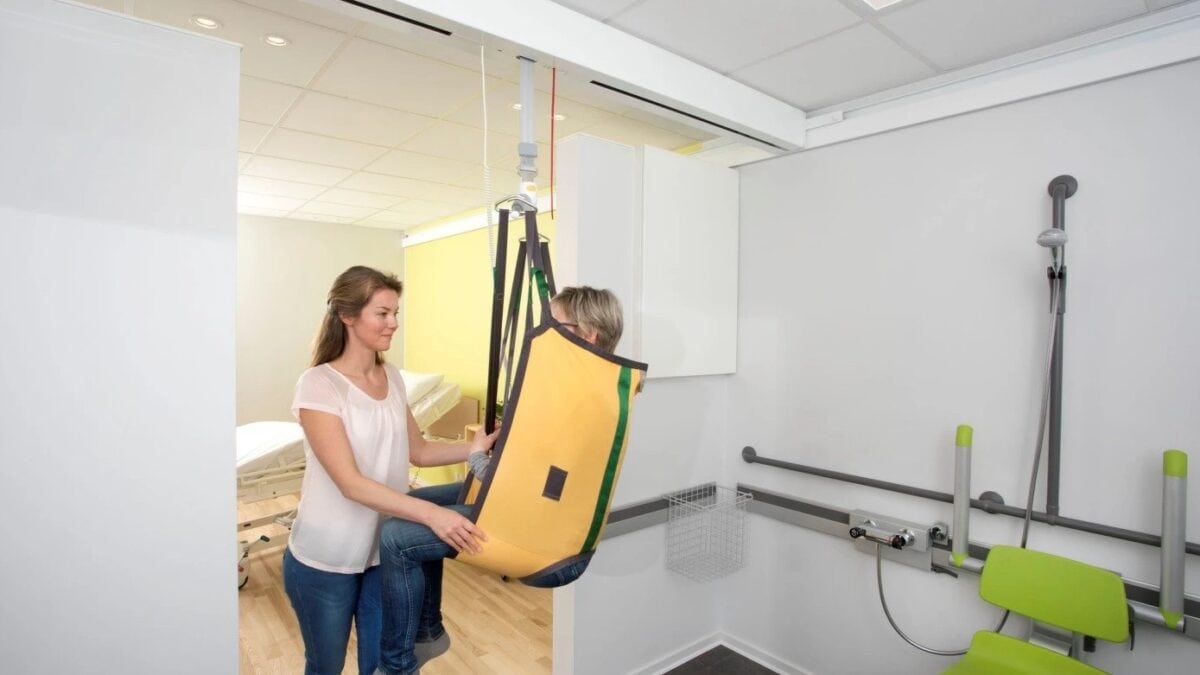
Helping someone move from one place to another can be one of the most physically demanding parts of home care.
A transfer may seem simple from the outside. Moving from a bed to a wheelchair, from a wheelchair to a toilet, from a recliner to a bed, or from a shower chair to a wheelchair can happen several times a day.
But for a person with limited mobility, those transfers can be difficult, stressful, and unsafe without the right support. For a caregiver, repeated lifting, bending, pulling, and repositioning can lead to serious strain over time.
That is why many families begin looking into patient lifts and ceiling-track lift options for home use.
A ceiling track lift or patient lift can make transfers safer, smoother, and more controlled. These systems are designed to reduce manual lifting and help move a person with dignity, stability, and less physical effort from the caregiver.
For Michigan families planning for aging in place, disability access, or recovery at home, choosing the right lift system can make daily care easier and safer.
What Is a Patient Lift?
A patient lift is a mobility device used to assist in transferring a person who cannot move safely on their own.
It typically uses a sling or support harness that attaches to a lifting mechanism. The lift raises the person enough to move them from one surface to another, such as from a bed to a wheelchair.
Patient lifts are often used for people who have limited strength, poor balance, paralysis, advanced illness, injury recovery, or mobility conditions that make standing transfers unsafe.
There are different types of patient lifts. Some are portable floor lifts that roll on wheels. Others are installed overhead, such as ceiling track lifts.
The goal is the same: make transfers safer for the person being moved and for the caregiver providing support.
What Is a Ceiling Track Lift for Home Use?
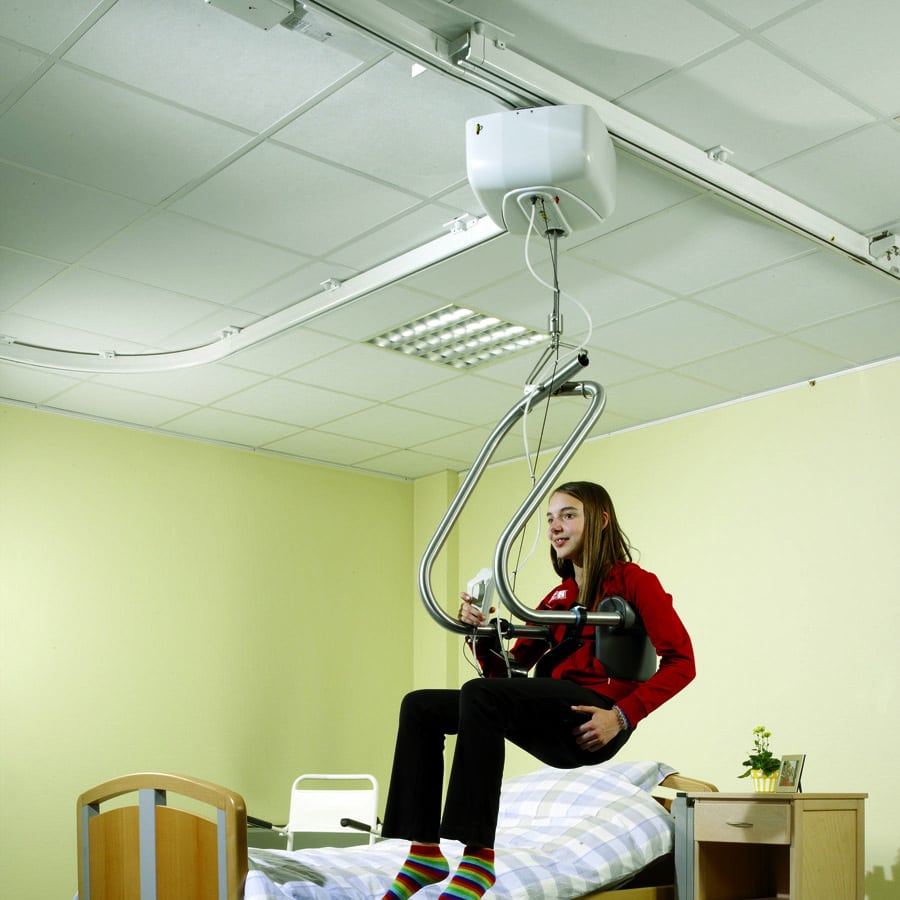
A ceiling track lift is an overhead lift system installed on a track mounted to the ceiling or a support structure.
The lift motor moves along the track, and the person is supported in a sling below the motor. Depending on the design, the track may run in a straight line, turn through a doorway, or connect multiple areas of the home.
A ceiling-track lift home system can be installed in key areas where transfers occur most often. Common locations include bedrooms, bathrooms, living rooms, and spaces between a bed and a wheelchair.
Some systems are designed for one room. Others are planned to move a person between rooms.
The biggest advantage of a ceiling track lift is that it does not require a large rolling base on the floor. That can make it easier to use in tight spaces and reduce clutter around beds, bathrooms, and wheelchairs.
Why Safer Transfers Matter at Home
Transfers are one of the highest-risk moments in daily care.
A person may lose balance while standing. A wheelchair may shift. A caregiver may underestimate how much support is needed. A wet bathroom floor may make movement more dangerous. A tired caregiver may use poor body mechanics after a long day.
Even one unsafe transfer can lead to a fall, injury, or loss of confidence.
For caregivers, the risk is also real. Repeated lifting can strain the back, shoulders, arms, and knees. This can become especially difficult when the person being cared for needs help several times a day.
A lift system helps reduce the need for manual lifting. It allows the transfer to happen in a more controlled way.
Instead of relying only on physical strength, the caregiver can use the lift to support the person’s weight and guide the movement more safely.
Ceiling Track Lift vs. Floor Patient Lift
Both ceiling track lifts and floor patient lifts can help with transfers, but they work differently.
A floor patient lift is a mobile device with a wheeled base. It can be moved from room to room and used in different areas of the home. This can be helpful when flexibility is needed.
However, floor lifts require sufficient clearance to roll the base under or around furniture in tight bedrooms or bathrooms, which can be difficult. Thick carpet, narrow doorways, and small turning areas can also make floor lifts harder to use.
A ceiling-track lift is installed overhead, so it does not require a large base on the floor. This can make it easier to use in tight spaces, especially near beds, toilets, tubs, showers, and wheelchairs.
The trade-off is that a ceiling-track lift is installed in specific areas. It is not as portable as a floor lift unless the system is designed with removable motors or multiple tracks.
For many families, the right choice depends on the home layout, the person’s mobility needs, caregiver strength, and how often transfers happen.
When a Ceiling Track Lift Home System May Be the Better Choice
A ceiling-track lift home system may be the better choice when transfers occur often and in the same areas every day.
For example, if a person needs help moving between a bed and a wheelchair several times a day, an overhead track in the bedroom can make that routine easier.
If bathroom transfers are difficult, a track system may help move the person more safely near the toilet, shower, or bathing area, depending on the layout and design.
A ceiling track lift may also be a better fit when the room is too small for a floor lift. Many Michigan homes have compact bedrooms and bathrooms that were not designed with caregiving equipment in mind. In mind, in those spaces, a floor lift may feel bulky or hard to maneuver.
Ceiling track lifts are also helpful when caregivers are at risk of injury from repeated lifting. By reducing physical strain, the lift can support both the person receiving care and the person providing it.
When a Floor Patient Lift May Be the Better Choice
A floor patient lift may be a good choice when the family needs flexibility.
Because floor lifts can be moved, they may be used in different rooms without installing tracks throughout the home. This can be helpful for short-term recovery, temporary care situations, or homes where transfers happen in several places.
Floor lifts may also work well when the home has enough open space, smooth flooring, and furniture arranged to allow easy movement.
Some families start with a floor lift before deciding whether a ceiling track lift is needed. Others use a floor lift as a long-term solution when the layout allows it.
However, floor lifts do require storage space. They can be harder to move in tight rooms. They may also be difficult for some caregivers to position correctly if the person is heavier, the bed is low, or the room has limited clearance.
The best option depends on how the equipment will be used in real daily routines.
Common Transfers That Lifts Can Help With
Patient lifts and ceiling track lifts can support many common home transfers.
One of the most frequent transfers is from bed to wheelchair. This can be challenging if the person cannot stand safely or needs full support during movement.
Another common transfer is from wheelchair to bed. This may happen at night, during rest periods, or after medical care.
Bathroom transfers are also important. Moving from a wheelchair to the toilet, shower chair, or bathing area can be risky because bathrooms often have tight spaces, hard surfaces, and wet floors.
Lifts may also help with transfers from a recliner, lift chair, or living room seating area.
In some cases, lifts can support repositioning, depending on the equipment and care plan. This may help reduce strain when adjusting someone in bed or preparing for daily care tasks.
Each transfer should be carefully reviewed because the right lift setup depends on the person’s body support needs, the caregiver’s role, and the available space.
How Ceiling Track Lifts Support Caregivers
Caregivers often put their own bodies at risk without realizing it.
They may lift from awkward angles, twist while supporting weight, or rush through a transfer because they feel unstable. Over time, this can lead to injuries that make caregiving harder or even impossible.
A ceiling track lift can reduce that burden.
Instead of physically lifting the person’s full weight, the caregiver uses the lift system to raise, move, and lower the person more safely. The caregiver can focus on guiding the transfer, checking positioning, and making sure the person feels secure.
This can be especially helpful for spouses, adult children, or family caregivers who are not trained medical professionals.
A lift does not replace compassion or personal care. It simply provides the right support so care can happen with less strain and more control.
How Lifts Support Dignity and Comfort
Transfers are not only physical. They can also be emotional.
Many people feel nervous, embarrassed, or frustrated when they need help moving. They may worry about falling. They may feel like a burden. They may dislike being lifted manually by a loved one.
A patient lift can make transfers feel more predictable.
When the person is properly supported in a sling and the caregiver follows a consistent routine, the transfer can become calmer and less stressful.
A ceiling track lift home system can also make care feel less disruptive. Since the track is already in place, the equipment can be ready when needed without having to bring in a bulky lift each time.
Comfort depends on proper sling selection, correct positioning, and a lift system that matches the person’s needs. When planned well, the transfer can feel safer and more respectful.
Choosing the Right Sling
The sling is one of the most important parts of a patient lift system.
A sling supports the person during the transfer. It must fit the person’s body, mobility level, weight, posture, and transfer type.
Some slings provide full-body support. Others are designed for seated transfers, access for toileting, bathing, or specific care needs.
A poorly fitted sling can feel uncomfortable or unsafe. It may place pressure in the wrong areas or fail to provide enough support.
Families should not choose a sling based only on size. They should also consider the person’s trunk control, head support, skin condition, comfort level, and how the sling will be used.
For example, a person who cannot sit upright without support may need a different sling than someone who has strong upper-body control.
The right sling helps make the lift safer, more stable, and more comfortable.
Planning the Lift Around the Home Layout
The home layout is a major factor in choosing a lift system.
For a ceiling-track lift, the track path must be planned around where transfers occur. The system may need to reach the bed, wheelchair parking area, bathroom doorway, toilet, shower, or other care areas.
Ceiling structure matters. The installation must be properly supported so the lift can function safely. In some homes, a structural review may be needed before installation.
Doorways, ceiling height, furniture placement, and room size also matter.
A bed may need to be positioned differently. A bathroom may need more open space. A doorway may need to be widened. Flooring, lighting, and grab bars may also be part of the overall safety plan.
For a floor lift, the layout must allow enough space for the lift base to roll, turn, and position under furniture or around the wheelchair.
In both cases, the equipment should match the home, not just the person’s diagnosis.
Ceiling Track Lifts in Bedrooms
Bedrooms are among the most common places for ceiling-track lift installation.
The bed is often the center of daily care. Transfers may occur in the morning, in the evening, during rest periods, or when changing clothes and completing personal care.
A ceiling track lift in the bedroom can make bed-to-wheelchair and wheelchair-to-bed transfers much easier.
The track may be installed over the bed and extend to a nearby wheelchair area. In some cases, the track may connect to an adjoining bathroom or care area, depending on the home’s layout.
Bedroom planning should consider bed height, wheelchair placement, caregiver access, dresser location, and clear pathways.
A lift system works best when the room is arranged to support it. Removing clutter and creating enough working space can make transfers smoother.
Ceiling Track Lifts in Bathrooms
Bathroom transfers can be some of the most challenging.
Toileting, bathing, showering, and changing often require close support. Bathrooms may be small, slippery, and hard to maneuver in.
A ceiling-track lift may help with transfers to the toilet, shower chair, or bathing area when the bathroom layout allows.
However, planning a bathroom lift must be done carefully. Water, flooring, drainage, privacy, caregiver access, and fixture placement all matter.
A lift may be part of a larger bathroom safety plan that includes grab bars, a roll-in shower, accessible toilet placement, non-slip surfaces, handheld shower controls, and better lighting.
For many families, the bathroom is the room where accessibility upgrades have the biggest effect on daily safety.
Patient Lifts and Aging in Place
Aging in place means staying at home safely and comfortably as needs change.
For some people, aging in place is possible with small changes, such as grab bars or handrails. For others, more support is needed as mobility decreases.
Patient lifts can be an important part of that plan.
A lift may allow a person to remain at home when transfers have become too difficult for family caregivers to manage safely. It may also reduce the need for multiple caregivers during certain movements.
This can help preserve home routines and reduce stress.
A ceiling-track lift home system is especially useful when long-term care needs are anticipated. Since the track is installed in the areas where care happens most, it can become part of the home’s daily function.
Planning is better than waiting until transfers become unsafe. Many families begin exploring lifts after a fall, hospital stay, surgery, stroke, or major health change. Earlier planning can make the transition smoother.
Patient Lifts After Surgery, Stroke, or Injury
Some families need a patient lift because of a sudden change.
A person may return home after surgery, a stroke, a fall, or a serious illness and suddenly need help with transfers. The home may not be ready for that level of care.
In these situations, a floor lift may be used as a quicker solution when the layout allows it. A ceiling track lift may be considered if the mobility change is long-term or if transfers are expected to remain difficult.
The key is to think beyond the first few days at home.
Will the person regain mobility soon?
Will they need daily transfer support for months or years?
Can the caregiver safely manage transfers without equipment?
Is the bathroom accessible enough?
Is the bedroom arranged for safe care?
A lift system should fit both the immediate need and the likely recovery path.
Safety Features to Consider
Safety should guide every lift decision.
Important features may include a reliable lifting motor, proper weight capacity, emergency lowering function, secure sling attachments, easy-to-use controls, and smooth movement.
For ceiling track lifts, track design and installation quality are critical. The system must be properly supported and installed in accordance with the manufacturer’s requirements.
For floor lifts, the base should move smoothly, the wheels should lock when needed, and the lift should be stable during transfers.
Battery life, charging setup, and ease of maintenance also matter. A lift that is hard to charge or difficult to operate may not be used consistently.
The safest lift is one that fits the person, the caregiver, and the home.
Training and Daily Use
Even the best lift system requires proper use.
Caregivers should understand how to position the sling, attach it correctly, operate the lift, guide the person, and lower them safely.
The person being transferred should also understand the process as much as possible. A calm routine can reduce anxiety and make transfers smoother.
Training should cover common transfers, emergency steps, sling care, battery charging, and signs that something is not working properly.
Families should avoid guessing. Incorrect sling placement or rushed transfers can create risk.
Once everyone is comfortable, the lift can become a routine part of daily care rather than a stressful event.
Maintenance and Long-Term Reliability
A patient lift is a piece of safety equipment and should be maintained properly.
Families should follow the manufacturer’s instructions for inspection, cleaning, charging, and service.
Slings should be checked for wear, fraying, damaged stitching, or stretched fabric. Lift parts should be reviewed for loose connections, unusual noises, battery problems, or movement issues.
Ceiling tracks should remain secure and unobstructed. The lift motor should move smoothly along the track.
Regular maintenance helps keep the system dependable. It also gives caregivers confidence that the equipment will work when needed.
Signs It May Be Time to Consider a Lift
Families may not always know when a lift is needed.
Some warning signs are clear. If the person has fallen during a transfer, needs to be physically lifted, or cannot reliably bear weight, it may be time to consider a patient lift.
Other signs may be more gradual.
A caregiver may feel back pain after transfers. The person may become afraid to move. Transfers may take longer each week. Bathing or toileting may become stressful. The person may avoid getting out of bed or using certain rooms because movement feels unsafe.
These signs should not be ignored.
A lift system can help prevent injury. It can also make daily care feel more manageable for the whole household.
How CAPS Remodeling Helps With Home Lift Planning
CAPS Remodeling helps Michigan homeowners create safer homes for aging in place, disability access, and daily care.
When a family is considering a ceiling-track lift home system or a patient lift, the equipment is only one part of the project. The home itself must also support safe movement.
That may mean reviewing bedroom layout, bathroom access, doorway width, flooring, grab bar placement, shower access, and pathways between rooms.
A ceiling track lift may work best as part of a larger accessibility plan. For example, a bedroom lift may need a clear wheelchair path. A bathroom lift may work better with a roll-in shower or safer toilet access. A transfer plan may also include handrails, ramps, or other modifications.
CAPS Remodeling can help families think through how the lift will fit into real daily routines.
The goal is not simply to install equipment. The goal is to create a safer home environment in which transfers, bathing, toileting, and mobility are easier to manage.
Choosing Between Short-Term and Long-Term Solutions
Not every lift need is permanent.
Some people need support during recovery after surgery or illness. Others need long-term transfer assistance because of a progressive condition, disability, or age-related mobility decline.
Short-term needs may be handled with a portable floor lift, temporary equipment, or smaller home adjustments.
Long-term needs may justify a ceiling track lift home system, bathroom remodeling, doorway changes, or other permanent accessibility upgrades.
Families should think carefully about how long the lift will be needed and whether mobility is expected to improve, remain stable, or decline.
Planning around the future can help avoid repeated changes and rushed decisions.
Ceiling Track Lifts and Patient Lifts
Transfers are a major part of home care. When they become unsafe, stressful, or physically demanding, it may be time to consider better support.
A patient lift can reduce manual lifting and help move a person more safely from one surface to another. A ceiling-track lift home system can provide even greater ease in areas where transfers occur frequently, especially bedrooms and bathrooms.
The right lift can protect the person being transferred, reduce caregiver strain, and make daily routines feel more stable.
For some families, a floor patient lift may offer the flexibility they need. For others, a ceiling track lift may be the better long-term solution.
The best choice depends on mobility needs, caregiver support, home layout, transfer frequency, and future care plans.
With thoughtful planning, ceiling track lifts and patient lifts can help make home care safer, more comfortable, and more manageable for everyone involved.
FAQs
What is a ceiling track lift for home use?
A ceiling track lift is an overhead lift system installed on a track in the home. It uses a motor and sling to help transfer a person between areas such as a bed, a wheelchair, a toilet, or a shower chair.
Is a ceiling track lift better than a floor patient lift?
A ceiling-track lift may be better for frequent transfers in the same areas, especially in tight bedrooms or bathrooms. A floor patient lift may be better when flexibility and movement between rooms are more important.
Can a ceiling track lift be installed in a bathroom?
Yes, a ceiling track lift may be installed in a bathroom when the layout and structure allow it. Bathroom planning should also consider water safety, flooring, toilet access, shower access, and caregiver space.
Who needs a patient lift at home?
A patient lift may be needed when a person cannot transfer safely without major assistance, cannot reliably bear weight, has a high risk of falls, or when caregivers are at risk of injury from repeated lifting.
Does a patient lift replace a caregiver?
No. A patient lift does not replace a caregiver. It helps the caregiver transfer the person more safely by reducing manual lifting and supporting more controlled movement.

Introducing Kevin Olrich, Owner of CAPS Remodeling. As a trusted expert in the field of barrier free remodeling Kevin brings a compassionate approach to create safer, more comfortable, and independent living conditions for the elderly and disabled throughout the State of Michigan. His leadership and experience is at the core of how CAPS provides the best solutions to meet the unique needs of our customers and medical professionals.