How to Make Stairs Safe for Seniors
March 1, 2022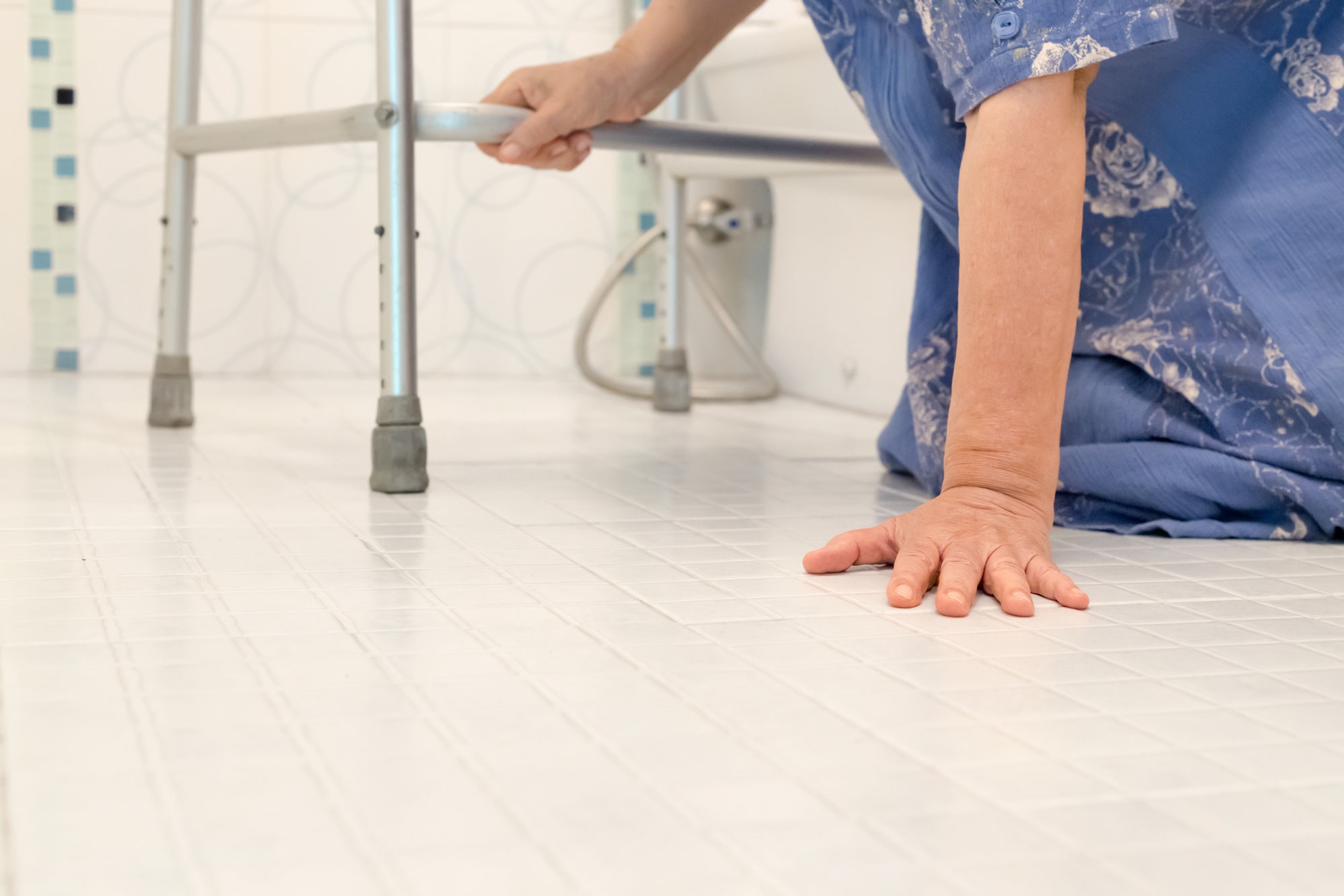
A Leading Cause of Death among Adults 65 and Older is Falls.
February 8, 2023
“The stairs are getting so hard to climb.”
“My daily routines are becoming more challenging”
“I’ve lived here 40 years. No other place will seem like home.”
These are common issues for older people. You may share the often-heard wish — “I want to stay in my own home!” The good news is that with the right help you might be able to do just that and continue to live independently. Staying in your own home as you get older is called “aging in place.”
How to plan ahead to age in place
Planning ahead is hard because you never know how your needs might change. The first step is to think about the kinds of home modifications you might possibly need in the near future. Maybe you don’t need help right now, but you live with a spouse or family member who does. Everyone has a different situation, but it’s not too soon to look into home modifications that can provide safety and security now and in the future.
One way to begin planning is to look at any illnesses, like diabetes, emphysema, or other conditions that you or your spouse might have. Talk with your doctor about how these health problems could make it hard for someone to get around or take care of him- or herself in the future. These are often conversations that we would rather not think about, but they are critical for planning purposes.
When it comes to aging in place, it’s essential to measure both the costs and the savings. The costs of aging in place include home modifications, healthcare, and extra help around the house. The savings can come from not having to move to a new location, sell your home, or downsize.
Aging in place can be an excellent option for many seniors, but it’s important to weigh the costs and the savings before deciding.
Common concerns about aging in place
If staying in your home is important, you may still have concerns about safety, getting around, or other activities of your home daily life. Find suggestions below to help you think about some of these worries.
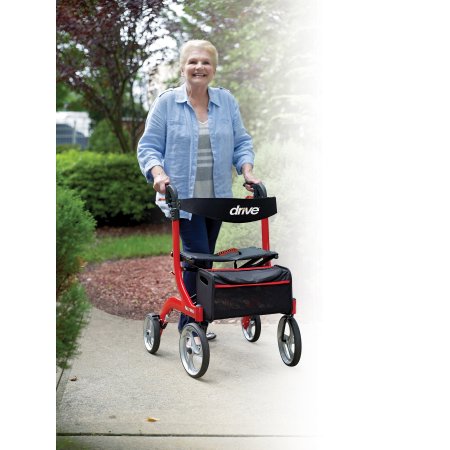
Getting around — at home and in town. Are you having trouble walking? Perhaps a walker would help. If you need more assistance, think about a power scooter.
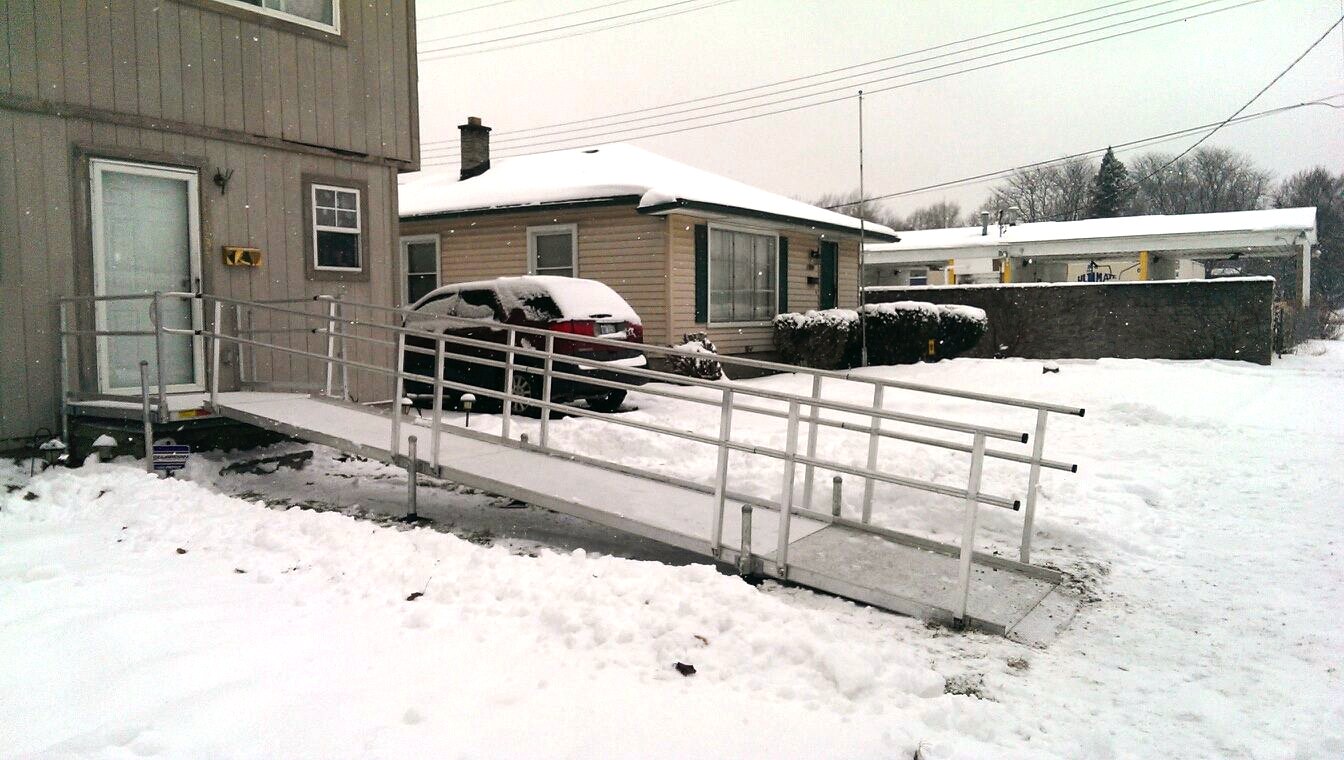
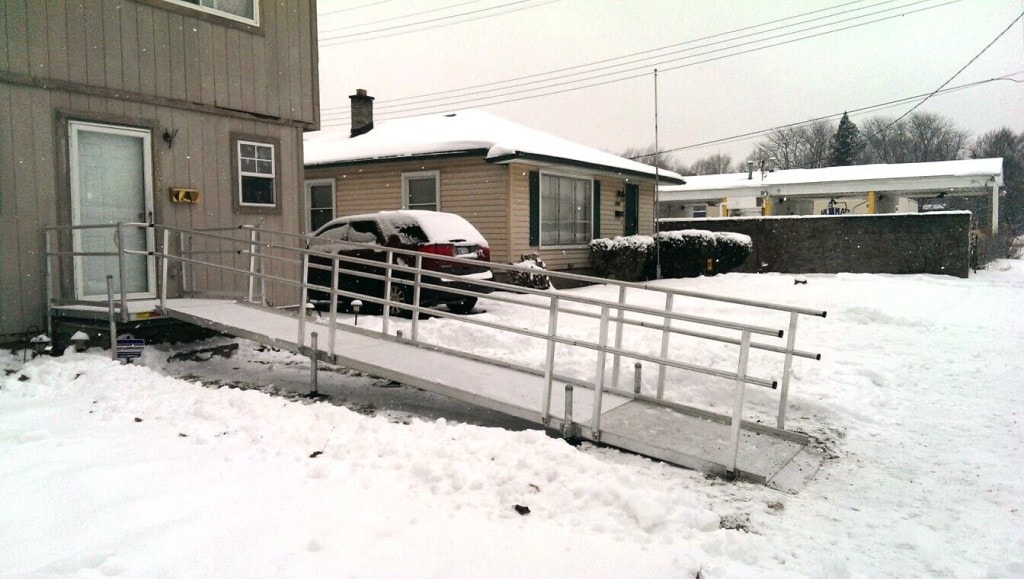
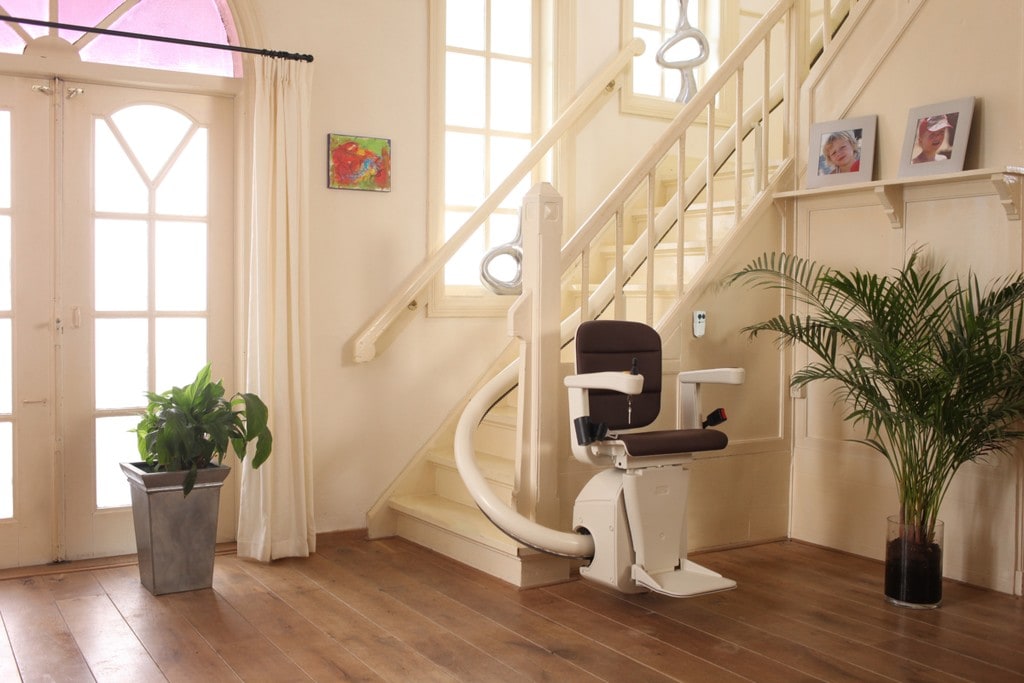
Home concerns. Would a few changes make your home easier and safer to live in? Think about things like a ramp at the front door, indoor transition ramps, grab bars in the tub or shower, nonskid floors, stair rails, or stair chairs. Sound expensive? Most of these modifications are relatively reasonable in price. As an additional perspective, these home safety modifications are far less costly than a hospital visit and lengthy rehabilitation stint from a slip or fall accident. Proactive and preventative steps can save money, time, and aggravation down the road.
CAPS Remodeling has been providing in-home barrier-free solutions for over 15 years.

Introducing Kevin Olrich, Owner of CAPS Remodeling. As a trusted expert in the field of barrier free remodeling Kevin brings a compassionate approach to create safer, more comfortable, and independent living conditions for the elderly and disabled throughout the State of Michigan. His leadership and experience is at the core of how CAPS provides the best solutions to meet the unique needs of our customers and medical professionals.