Determining the Perfect Wheelchair Ramp Size for Your Needs: Essential Guidelines and Tips
October 22, 2025How wheelchair ramps in Madison Heights handle snow, ice, and salt
November 4, 2025
Accessibility determines whether you move safely and independently, so when evaluating ramps, ask: What are the Key Factors to Consider When Choosing the Right Wheelchair Ramp? You should assess the slope and length for a safe gradient, a non-slip surface, and edge protection to prevent falls. Additionally, consider the weight capacity and durability of materials for reliable long-term use. Include handrails, landings, and secure anchoring to ensure stability. Ensure compliance with local codes and ADA guidelines to avoid hazards and legal issues.
Key Takeaways:
- What Are the Key Factors to Consider When Choosing the Right Wheelchair Ramp? Slope/grade (rise-to-run), ADA-compliant dimensions, and adequate landing lengths.
- Ramp width and load capacity matched to the user and any attendant, plus sufficient clear maneuvering space.
- Non-slip surface, edge protection and handrails, durable materials, and smooth transitions for user safety and easy maintenance.
Understanding Wheelchair Ramps
Definition of Wheelchair Ramps
Wheelchair ramps are sloped surfaces that bridge elevation changes, allowing you to move between levels without steps. Design factors to monitor include slope (the ADA standard often cited as 1:12), clear width (minimum 36 inches), surface traction, and edge protection to prevent falls. Steeper angles increase danger, while firm, non‑slip materials provide stability and longevity; verify load capacity and anchoring for safe daily use.
- Slope: aim for 1:12; slopes steeper than 1:10 increase the risk.
- Width: Maintain at least 36 inches clear for maneuvering.
- Surface: Choose non-slip materials for use in wet or icy conditions.
- Edge protection: install curbs or rails to prevent wheels from slipping.
- Knowing What the Key Factors are to Consider When Choosing the Right Wheelchair Ramp?
| Slope | Recommend 1:12 for most situations; 6″ rise → 6′ run. |
| Width | Minimum 36″ clear; wider for two-way traffic. |
| Surface | Non-slip textures, traction strips, and drainage features reduce the risk of falls. |
| Edge Protection | Curbs (2″) or rails prevent wheels from running off. |
| Load Capacity | Ranges from 300–800 lbs; match to user and equipment. |
Types of Wheelchair Ramps
Ramps are available in various styles, including portable, threshold, modular, permanent, and folding, with materials ranging from aluminum to pressure-treated wood. Portable ramps are suitable for travel and short drops, modular sections allow for extended runs without full construction, and permanent builds deliver the greatest durability. You should match the type to the incline, frequency of use, and budget, as installation and maintenance differ substantially.
- Portable: lightweight aluminum for travel and temporary needs.
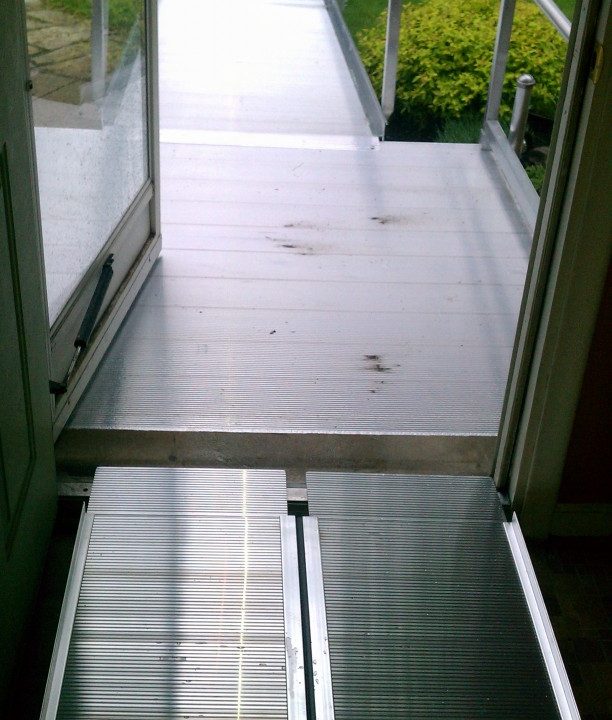
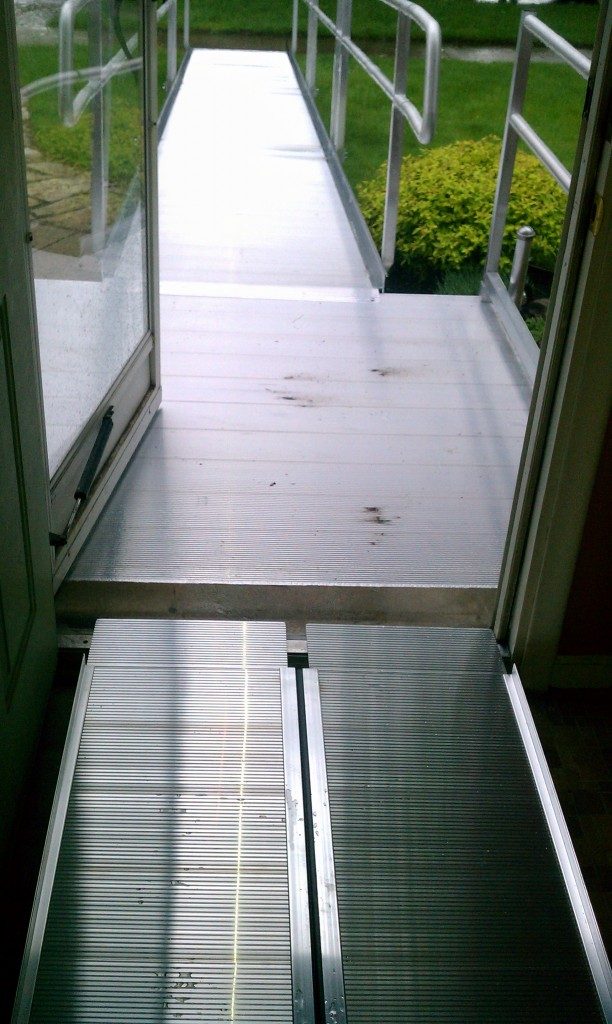
- Threshold: short ramps for small entry rises (under 3″).
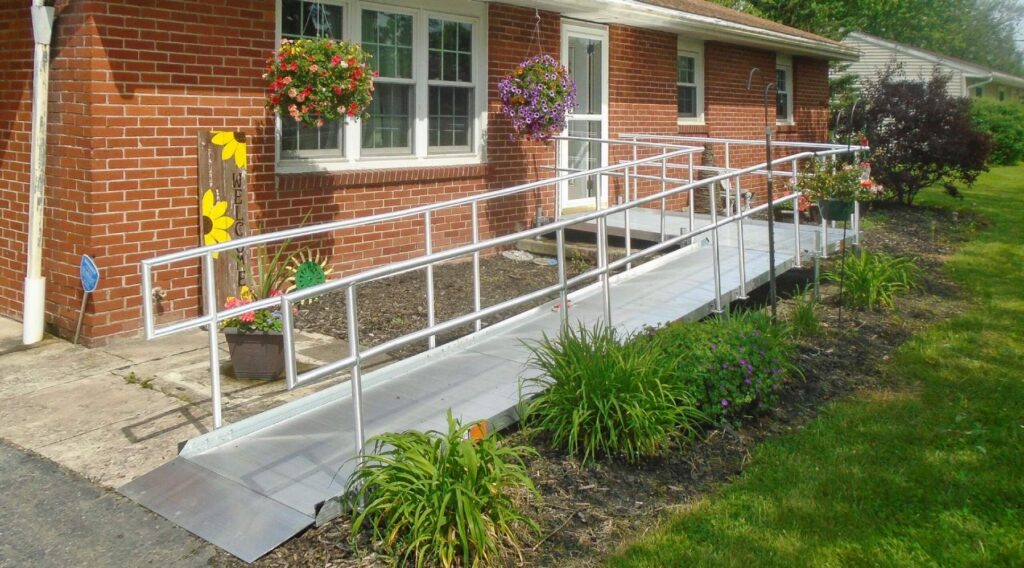
- Modular: sectional systems for extended runs without poured concrete.
- Permanent: built‑in wood, concrete, or metal for daily stability.
- Knowing What the Key Factors are to Consider When Choosing the Right Wheelchair Ramp?
| Portable | Best for travel; quick setup; often 600 lb ratings. |
| Threshold | Short drops, low profile; simple, low cost. |
| Modular | Customizable length; can include landings and turns. |
| Permanent | Highest durability; requires construction and permits. |
| Folding | Compact storage; ideal for occasional use and vehicles. |
Match slope to rise: a 12″ rise needs a 12′ run at 1:12, while steep home entries may use 1:16 or 1:20 for easier pushing; typical weight ratings run 300–800 lbs, and many aluminum travel ramps rate ~600 lbs. You should confirm handrail requirements for rises over 30″ and check anchoring—bolted permanent ramps differ from removable systems in stability and code obligations.
- Example runs: 6″ rise → 6′ run at 1:12.
- Weight ratings: Verify the ramp supports the user and their mobility device (wheelchair and caregiver).
- Materials: aluminum resists corrosion; wood requires sealing and maintenance.
- Handrails & landings: required for rises/lengths per local codes; improve safety.
- Knowing What the Key Factors are to Consider When Choosing the Right Wheelchair Ramp?
| Rise vs. Run | 1:12 standard; adjust for available space. |
| Weight Capacity | Specify the combined weight of user and equipment; include the caregiver if necessary. |
| Material | Aluminum, steel, wood—tradeoffs in cost, maintenance, and longevity. |
| Handrails | Typically required above 30″ rise; add for user stability. |
| Installation Type | Permanent (construction) vs. portable (no anchor) affects permits. |
Key Factors to Consider
- What Are the Key Factors to Consider When Choosing the Right Wheelchair Ramp?
- Slope and Gradient
- Length and Width
- Material and Durability
- Load Capacity
- Surface Texture
- Handrails, landings, and local codes
Slope and Gradient
Follow the ADA guideline of a 1:12 slope for permanent ramps — every inch of rise requires 12 inches of run — and avoid slopes steeper than 1:8 except for very short, non-primary access points; steeper ramps increase the risk of tipping, braking failure, and excessive exertion for self-propelled users, so measure your rise precisely and plan for switchbacks or landings if run length becomes impractical.
Length and Width
Calculate run using the 1:12 rule: a 30″ rise needs about 30 feet of ramp; provide at least 36″ clear width for a single wheelchair, though 48″ improves passing and caregiver access — narrow ramps limit maneuvering and increase collision risk on turns.
Include level landings at the top and bottom, as well as after every 30 feet of horizontal run. Design turning platforms at 60″ ×60″ where direction changes, and add edge protection to prevent wheels from slipping off during tight maneuvers.
Material and Durability
Choose materials based on exposure: aluminum resists corrosion and is lightweight for modular ramps; treated wood offers a lower upfront cost but requires sealing and annual checks; and concrete provides a long-lasting, low-maintenance permanent solution in high-traffic settings.
Expect aluminum ramps to last 20+ years with minimal maintenance, treated wood 5–15 years depending on upkeep, and concrete decades; factor in coatings (powder-coat, galvanizing) in coastal or snowy climates to minimize corrosion and reduce long-term replacement costs.
Load Capacity
Match the ramp capacity to the combined weight of the wheelchair or scooter, occupant, mobility aid, and any attendant. Residential ramps often have a rating of between 600 and 1,000 lbs; underspecifying capacity risks structural failure or excessive deflection under dynamic loads.
Consider static versus dynamic loads and add a 25–30% safety margin. For example, if your combined load is 500 lbs, choose a ramp rated for at least 650–700 lbs to account for acceleration, turning forces, and uneven loading.
Surface Texture
Use non-slip finishes, such as perforated aluminum, raised diamond plate, or grit-applied coatings, to maintain traction in wet or snowy conditions. Ensure that drain holes or gaps prevent water pooling, and that the finish meets slip-resistant standards for wheelchair casters and footrests.
Plan for seasonal maintenance: anti-slip tapes wear out, grit can clog with debris, and ice accumulation reduces traction. Select surfaces that shed water and allow de-icing without damaging the finish, and schedule inspections after heavy weather.
After verifying the slope, run, width, material, capacity, and surface against your site measurements and local accessibility codes, engage a certified installer to confirm the load calculations and landing placements.
Safety Features
Handrails and Guardrails
ADA guidance sets the handrail height at 34–38 inches above the ramp surface and requires handrails on both sides when the ramp rise exceeds 6 inches. Therefore, you should verify these measurements against your installation. Grippable profiles (1.25–2 inches in diameter) and continuous runs reduce the chance of loss of control. In comparison, guardrails or midrails are necessary where a side drop could exceed 4 inches to prevent wheel or foot overrun.
Non-Slip Surfaces
Choose surfaces with high traction, such as expanded aluminum grating, textured rubber, or abrasive traction tape, as they perform differently in wet or icy conditions. Look for materials with a static coefficient of friction (COF) above 0.6, where available, and prioritize surfaces that shed water quickly to reduce slip risk. You need a finish that stays grippy after heavy use and routine cleaning.
Expanded aluminum excels in drainage and clears snow more effectively than a solid plate, while textured rubber offers warmth and quieter foot traffic. Use abrasive tape for low-cost retrofits. Inspect surfaces monthly and replace or recoat when grit wears away; many high-traffic ramps require resurfacing every 3–5 years. In coastal or chemical environments, choose stainless or corrosion-resistant coatings, and test new surfaces under wet conditions before final acceptance.
Edge Protection
Edge protection—such as curbs, toeboards, or raised edges—prevents wheels from slipping off and should be continuous along open sides. A commonly used curb height is 2 inches or more, with larger heights on commercial ramps. Integrated lips or toe plates add an extra safety layer where slope changes or landing drop-offs exist.
For portable ramps, add welded side lips or bolted curb strips; on permanent installations, consider welded steel curbs or cast-in-place concrete upstands of 2–4 inches. Verify that edge guards are securely fastened and do not create pinch points; gaps under edge protection should be minimized to prevent small-wheeled devices from snagging. Inspect after freeze-thaw cycles and repair any deformations that compromise containment.
Weight Distribution
Ramp capacity must exceed the combined weight of the user, mobility device, and any attendant. Many residential ramps are rated for 600–1,000 lb, while commercial systems commonly exceed 1,500–2,500 lb. Match your power chair’s weight (often 200–400 lb) plus your user weight, and aim for a safety margin of at least 20–30% above the total.
Longer spans alter how loads are transferred: manufacturers provide span/load tables that show the required supports at specific intervals—typical support spacing is 24–36 inches for aluminum sections. Heavy point loads from powered chairs concentrate stress at landings and transitions, so specify reinforced connections and concrete footings as needed. If your setup includes caregivers or cargo, run example sums (e.g., 400 lb chair + 220 lb user + 150 lb attendant = select a ramp rated ≥1,000–1,200 lb) and have a structural or manufacturer review for any ramp longer than 12 feet or with custom spans.
Accessibility Standards
ADA Compliance
The ADA sets technical requirements for public ramps, including a maximum slope of 1:12 (1 inch rise per 12 inches of run), a minimum clear width of 36 inches, handrail heights of 34–38 inches, landings that are at least 60 inches long, and a run limit of 30 feet between landings. You should use these specs as the baseline for safety and liability when answering “What Are the Key Factors to Consider When Choosing the Right Wheelchair Ramp?” Noncompliant ramps increase the risk of falls and legal exposure.
Local Building Codes
Your local building code often imposes additional requirements on top of ADA, including permits, mandatory inspections, structural load ratings, guardrail rules, and weather-specific provisions. Failing to obtain a permit can result in fines or orders for removal. Always contact your municipal building department before finalizing the ramp design to avoid costly remediation.
Municipalities enforce different standards—commercial projects typically follow the IBC with 42‑inch guard heights where drops exceed 30 inches, while many residential codes accept 36 inches. You’ll encounter variations in allowable slopes, required wind/snow load considerations, sidewalk tie‑ins, and historic‑district exceptions. HOA rules, right-of-way setbacks, and utility clearances can also necessitate design changes. Bring your site plans to the building office and request a code interpretation to avoid any surprises.
Universal Design Principles
Universal design extends beyond minimum codes to ensure usability for everyone, encompassing equitable use, low physical effort, clear approach space, and intuitive transitions. You’ll improve day-to-day access by choosing wider widths (36–48 inches), continuous handrails, gentler slopes where space allows, and non-slip surfaces, addressing the question “What Are the Key Factors to Consider When Choosing the Right Wheelchair Ramp?” while future-proofing the entry.
Applying universal design means planning for varied abilities and scenarios, such as providing level landings at doors, tactile strips for visually impaired users, and passing areas every 30 feet on long runs. Use contrasting colors for edge visibility, choose materials rated for the local climate, and ensure handrails extend 12 inches beyond ramp ends. These measures reduce caregiver strain, lower fall rates, and often eliminate the need for later costly retrofits—so you get both immediate safety and long‑term value.
Maintenance and Upkeep
Regular Inspections
You should inspect your ramp monthly for outdoor installations and every three months for high-traffic indoor ramps, as well as immediately after heavy storms or freezes. Look for loose bolts, bent frames, rust, cracked decking, and worn non-slip surfaces; check transitions and handrail stability against a standard of 34–38 inches. Refer to “What Are the Key Factors to Consider When Choosing the Right Wheelchair Ramp?” for how material and slope choices affect inspection needs.
Cleaning and Weatherproofing
Wash debris and grit weekly in winter and monthly otherwise; salt and chlorides accelerate corrosion on metal ramps. Reseal wood every 12–24 months with a penetrating sealer, and apply an anti-corrosion primer to exposed metal annually in coastal or snowy climates to maintain traction and extend structural life.
For wood ramps, use a deck cleaner, then sand any splinters before sealing. Choose a water-based or penetrating oil sealer rated for exterior use. Metal ramps benefit from a mild detergent rinse, rust removal with a wire brush, and a coat of marine‑grade paint or zinc primer followed by a topcoat. Replace or refresh non-slip tape or grit every 6–12 months, depending on wear. Glossy paints reduce traction and should be avoided on treads. Coastal case study: A seaside home switched to 316 stainless fasteners and marine paint, extending ramp life from under 2 years to over 10.
Repairs and Modifications
Address wobbles, sagging, or cracked boards immediately; an unstable ramp poses a fall risk. Use original manufacturer parts whenever possible and verify that any slope or length change maintains the ramp at or below a 1:12 ratio. Small fixes, such as replacing decking or tightening hardware, can be DIY, but structural repairs and slope changes often require the services of a licensed contractor.
Major modifications—such as adding sections, altering the rise, or changing the handrail layout—can void warranties and violate local codes if not engineered correctly. Obtain permits for structural work and document the load ratings and materials used. Example: A homeowner added a 12-inch extension without recalculating the slope, increasing the grade to 1:8 and creating a hazard; correction required rebuilding the run and obtaining an inspection. Keep an inspection log, along with photos and receipts for parts, so you can demonstrate compliance and service history if questions arise.
Personalizing Your Ramp Choice
User Needs and Preferences
Ask yourself: What are the Key Factors to Consider When Choosing the Right Wheelchair Ramp? You should match ramp slope (ADA max 1:12), clear width (minimum 36 inches), and weight capacity to your wheelchair type—manual chairs often need 24–27″ clear width, power chairs and scooters commonly exceed 300–400 lb combined weight, so choose ramps rated 600–800+ lb. Consider transfer style, handrail height, and whether you need a gentle 1:16 slope for easier self-propelling.
Space Constraints
You can’t shorten the required run: a 24-inch rise requires approximately 24 feet of ramp at a 1:12 slope, so measure the available run, headroom, and landing space before making a choice. Modular systems, folding ramps, or switchback designs help fit tight yards or porches without forcing an unsafe slope.
For tighter footprints, consider multi-run configurations with 60-inch landings to change direction. ADA rules require landings at the top and bottom, as well as for each 30 inches of vertical rise. Surface clearance under staircases, overhead obstructions, and gate swings all affect design choices. Metal telescoping ramps save storage space, while concrete approaches provide permanence but require excavation and a higher upfront cost. Edge protection and handrail placement are non-negotiable in confined layouts to avoid fall hazards.
Budget Considerations
You’ll find portable aluminum ramps priced from about $150 to $1,200, modular section ramps priced from $500 to $4,000, poured concrete or custom steel ramps priced from $2,000 to $12,000, and vertical platform lifts priced from $4,000 to $15,000, depending on features and installation. Factor in maintenance, delivery, and professional installation; a cheap plastic ramp may save money initially, but can be unsafe and costly to replace.
Compare the total cost of ownership, including expected lifespan (aluminum: 10–20 years, treated wood: 5–15 years), warranties, and maintenance (annual bolt checks, surface cleaning, repainting, or sealing). Explore funding options: state Medicaid waivers, VA grants, local rehabilitation charities, and some municipalities offer matching funds. Submit measurements and a professional quote to expedite approvals and reduce out-of-pocket expenses.
Final Words
On the whole, you should consider durability, slope, width, surface traction, installation type, weight capacity, and local codes when answering the question, ‘What Are the Key Factors to Consider When Choosing the Right Wheelchair Ramp?’ Assess your environment and mobility needs, consult professionals, and test options to ensure safety, independence, and long-term accessibility for your daily routines.
FAQ
Q: What Are the Key Factors to Consider When Choosing the Right Wheelchair Ramp?
A: Evaluate slope and length (gentler slopes are easier to use), ramp width and edge protection, weight capacity and structural strength, landing size and placement for safe turns, handrails and guardrails for support, surface traction for wet or icy conditions, materials and durability (aluminum, concrete, wood, composite), portability versus permanent installation, local building codes and ADA requirements for public access, and maintenance needs. Measure the rise, available run, and turning clearances before choosing a design or product.
Q: How do I determine the correct ramp slope and required length for my entry?
A: Measure the vertical rise from ground to entry threshold. The commonly recommended maximum slope for safe everyday use is 1:12 (one unit of rise for every 12 units of run), which means one inch of rise requires one foot of ramp. For gentler inclines, use ratios such as 1:16 or 1:20, if space allows. Account for level landings at the top and bottom and any intermediate landings for long runs. Confirm local code or ADA requirements for your situation, then multiply the rise by the chosen ratio to calculate total ramp length.
Q: What materials and surface treatments offer the best combination of traction, durability, and low maintenance?
A: Aluminum is lightweight, corrosion-resistant, and low-maintenance—good for portable and many modular ramps. Concrete is durable and permanent, but requires proper surface finishing for traction and more installation work. Treated wood or composite decking can be attractive for homes, but it needs weatherproofing and periodic upkeep. Use anti-slip coatings, abrasive grit strips, or textured tread to enhance traction and ensure proper drainage, preventing pooling. Select materials based on the climate, expected usage frequency, and maintenance capabilities.
Q: Should I choose a portable ramp or a permanently installed ramp for home access?
A: Portable ramps are cost-effective, easy to install, and useful for temporary needs or travel; they are lighter but may offer limited width, slope, and aesthetics. Permanent ramps offer a custom fit, greater durability, wider platforms, integrated handrails, and improved long-term accessibility; however, they require site preparation, possible permits, and a higher upfront cost. Consider the frequency of use, available space, appearance, budget, and whether the ramp must meet public-access standards when making a decision.
Q: What safety features and legal requirements must be addressed before installing a ramp?
A: Verify local building codes and permit requirements and, for public access, ADA compliance for slope, width, handrails, landings, and edge protection. Ensure the ramp has an adequate load capacity for the wheelchair type and, if applicable, an attendant. It should also have continuous handrails at the correct height, a non-slip surface, level landings at the top and bottom, and curb or wheel guides to prevent falls. Arrange for professional measurement and installation if structural modifications are required, and schedule inspections as mandated by local authorities.

Introducing Kevin Olrich, Owner of CAPS Remodeling. As a trusted expert in the field of barrier free remodeling Kevin brings a compassionate approach to create safer, more comfortable, and independent living conditions for the elderly and disabled throughout the State of Michigan. His leadership and experience is at the core of how CAPS provides the best solutions to meet the unique needs of our customers and medical professionals.