When to Combine Stair Lift and Home Elevator Solutions in Your Home
August 26, 2025
Stair Lifts Madison Heights: Safety Features That Matter in Michigan Winters
September 10, 2025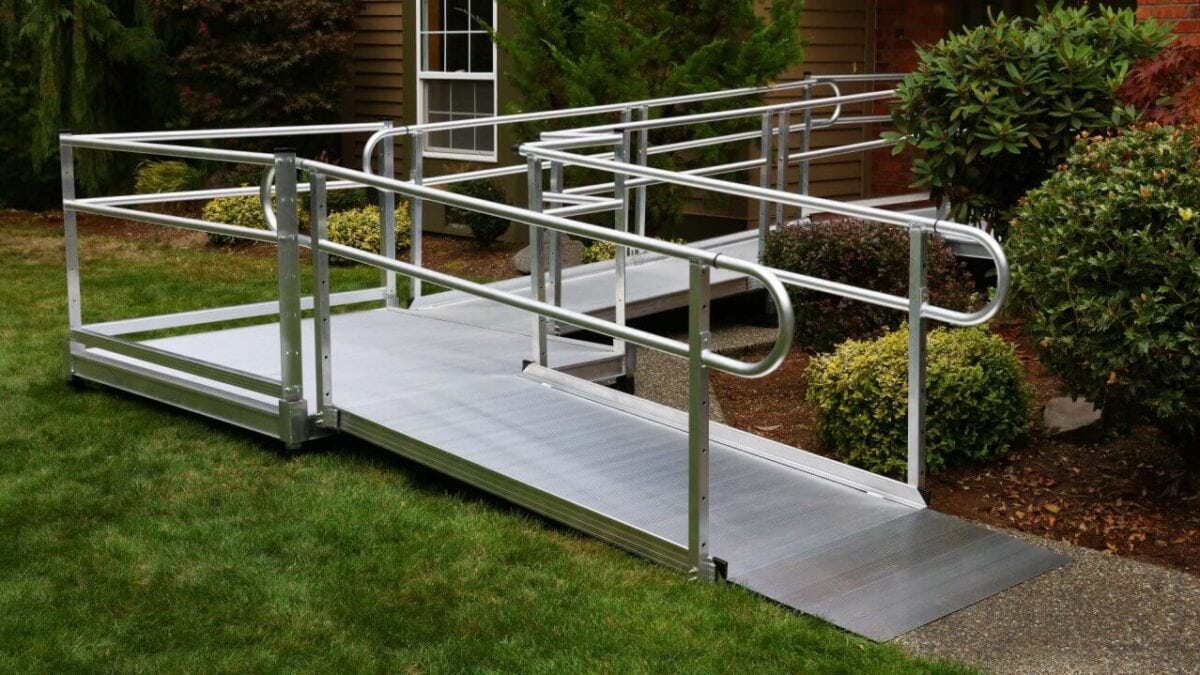
Wheelchair Ramps in Madison Heights aren’t just about meeting a rule—they’re about welcoming everyone through your doors. Whether you manage a boutique on John R Rd., an office off 12 Mile, or a neighborhood church, the right ramp boosts safety, accessibility, and your brand’s reputation for care.
At CAPS Remodeling, our goal is to make entry smooth, safe, and durable for customers, staff, and parishioners. This guide explains ramp styles, code-minded design, materials, budgeting, timeline, and maintenance—tailored for Madison Heights commercial properties.
If you’re ready to discuss options, you can learn more at Wheelchair Ramps in Madison Heights or request a site visit at your convenience.
Why ramps matter for Madison Heights businesses
Accessibility is good business. A thoughtfully designed ramp:
-
Welcomes customers who use wheelchairs, walkers, strollers, and rolling carts.
-
Reduces slip/trip risks at thresholds and steps.
-
Speeds deliveries with dollies and service carts.
-
Signals your organization’s commitment to inclusion.
From high-traffic retail entries to side-door service routes, a well-planned ramp keeps people moving safely—especially during Michigan winters.
Quick look: Key benefits for shops, offices & churches
| Benefit | What it means for your building | Real-world impact |
|---|---|---|
| Safer entry | Grippy surfaces, proper slope, handrails | Fewer slips/near misses in rain & snow |
| Code-minded design | ADA-informed slopes, landings, clearances | Smoother inspections & occupancy peace of mind |
| Faster traffic flow | Wider runs and level landings | Less bottlenecking on busy Sundays or sales days |
| Durable materials | Aluminum, concrete, or composite options | Lower upkeep over Michigan freeze-thaw cycles |
| Clean aesthetics | Color, trim, and railing choices | A ramp that fits your façade |
| Smart drainage | Pitch, scuppers, and snow-melt options | Drier entries; fewer icy patches |
| Clear wayfinding | Rail cues and lighting | Easier navigation for low-vision visitors |
ADA-informed essentials (in plain English)
While local permitting and inspections guide the final call, these ADA-informed principles shape most commercial ramp designs:
-
Slope: A common target is about 1:12 (for every 1 inch of rise, 12 inches of run). Steeper slopes tire users and can be unsafe.
-
Width: Aim for a clear width of at least 36 inches; busier buildings often benefit from wider runs.
-
Landings: Provide level landings at top/bottom and at turns; they allow resting and maneuvering.
-
Handrails: Typically required on both sides when the rise exceeds a small threshold; rails improve stability for everyone.
-
Edge protection: Curbs or wheel guides prevent roll-offs.
-
Surface: Non-slip, firm, and stable—especially crucial in snow and rain.
-
Doors & thresholds: Ensure adequate landing space to open doors without backing up or rolling downhill.
Our team translates these guidelines to your actual site so you’re not wrestling with technical drawings—we’ll lay out what fits, what passes, and what will perform through winters.
Ramp types that work for Madison Heights properties
Every building and budget is different. Here are the most common choices for Wheelchair Ramps in Madison Heights:
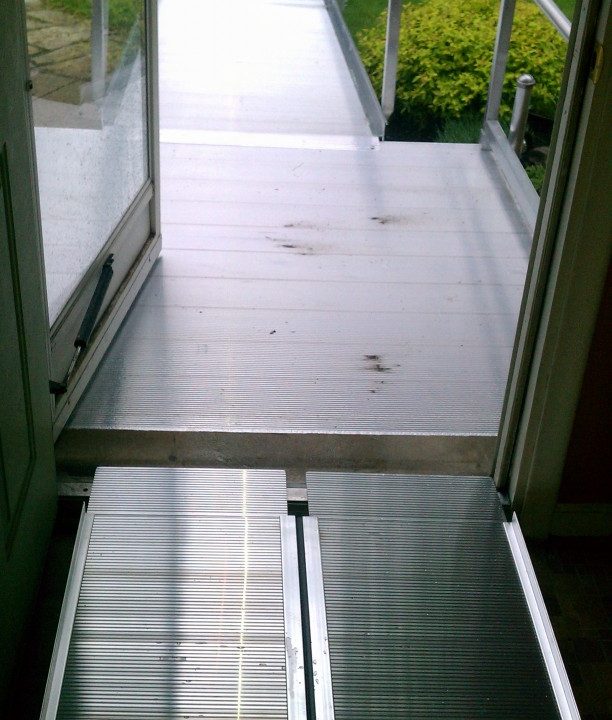
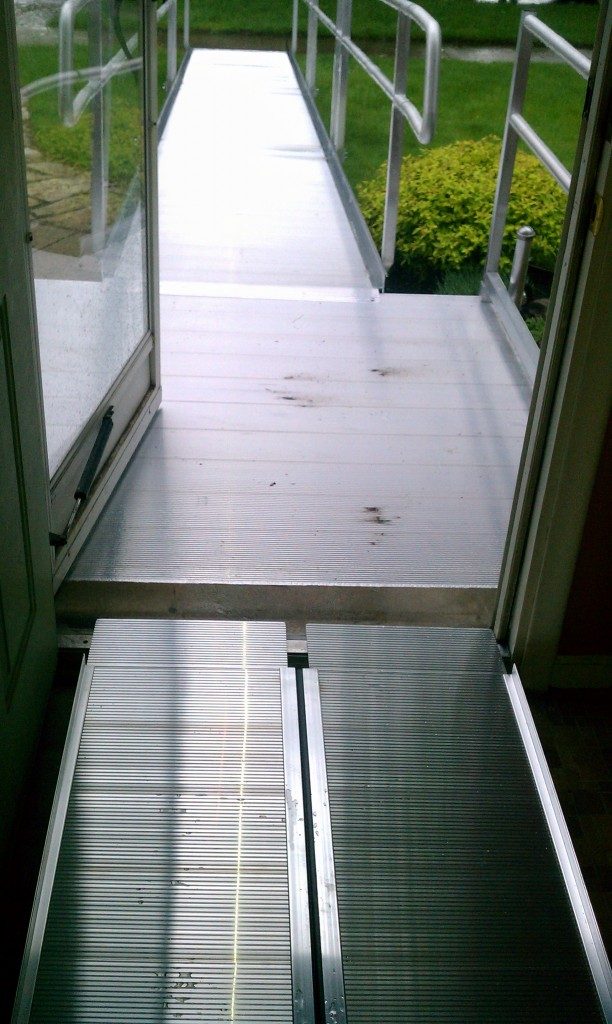
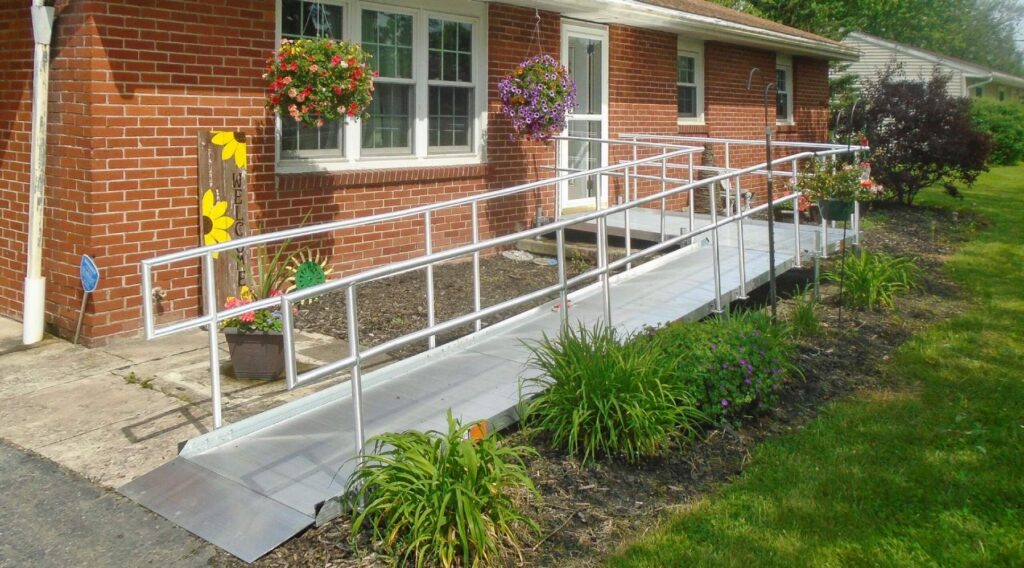
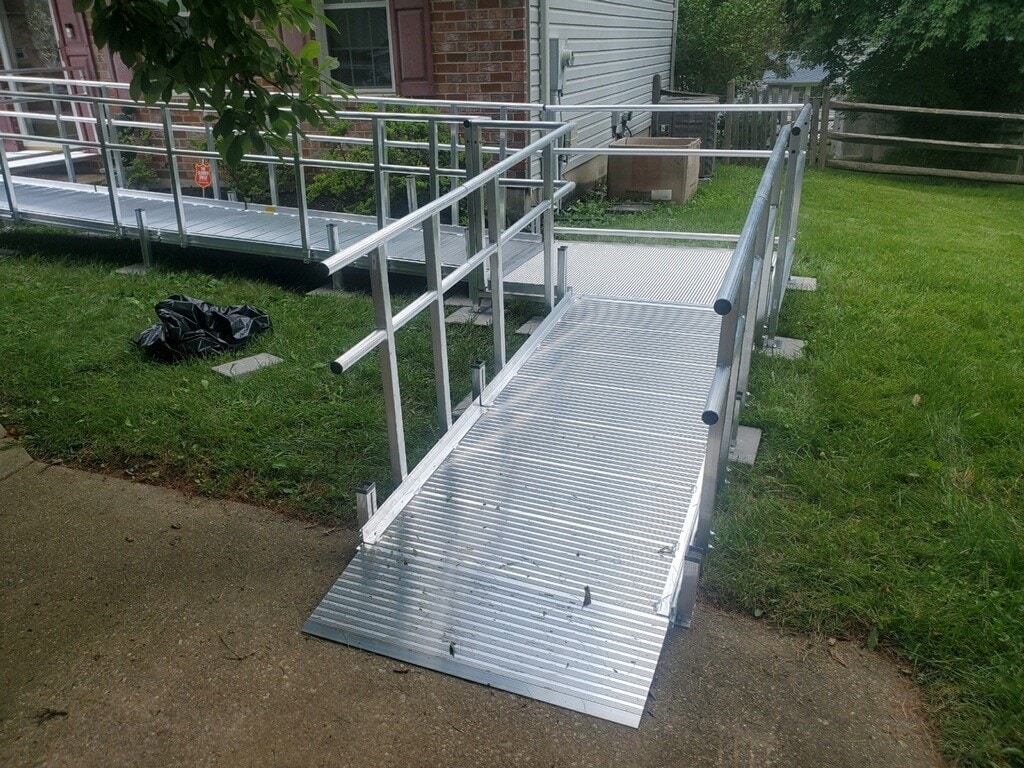
1) Modular aluminum systems
-
Best for: Fast installs, seasonal adjustments, or when ground shifts are expected.
-
Pros: Non-corrosive, grippy decking, adjustable legs, reusable. Good for tight timelines.
-
Considerations: Can look more “utilitarian” unless dressed with skirting or landscaping.
2) Permanent concrete ramps
-
Best for: Long-term, high-traffic entries (retail, office lobbies, churches).
-
Pros: Extremely durable, custom-formable with curbs, landings, and integrated drainage.
-
Considerations: Heavier upfront cost and weather-dependent pours; expansion joints and sealing matter.
3) Pressure-treated wood with composite treads
-
Best for: Side entries, rear service doors, budget-sensitive installs that still need a finished look.
-
Pros: Warmer aesthetic, flexible geometry, rail style options.
-
Considerations: Ongoing maintenance; choose non-slip treads and plan for snow removal.
4) Composite ramp/deck systems
-
Best for: A refined, low-maintenance finish.
-
Pros: Colorfast boards, hidden fasteners, upscale appearance.
-
Considerations: Needs solid framing; verify board friction ratings for wet/icy days.
5) Threshold ramps & grade transitions
-
Best for: 1–2 inch door lips or minor level changes that still trip carts and walkers.
-
Pros: Quick fix with big usability gains.
-
Considerations: Not a substitute for full entry ramps when you have steps.
We’ll help you weigh traffic volume, aesthetics, and maintenance so you select what fits your site and operations.
Design decisions that keep people moving
A well-functioning ramp is more than a slope. We dial in details that make daily use simpler:
-
Approach angle: Align the ramp so arrivals can roll straight in—not zigzag across parking lanes.
-
Landing room at the door: Space to pull the door without rollback.
-
Handrail profile: Grip size and continuity matter for people with limited dexterity.
-
Edge protection: Low curbs or rails prevent caster wheels from dropping off edges.
-
Turning radii: Switchbacks need ample space for wheelchairs and carts.
-
Drainage: Subtle cross-slope, trench drains, and downspout re-routes keep surfaces dry.
-
Snow strategy: Specify textured surfaces, heating mats, or reliable snow-melt plans.
-
Lighting: Low-glare fixtures along railings and landings improve visibility after dark.
Real-world layouts for Madison Heights sites
Small retail storefront (single step or two)
-
Goal: Quick access that doesn’t block display windows.
-
Plan: Compact aluminum or composite ramp with one turn, 36–48 in. clear width, and a door-side landing. Add a curb rail and low-profile lighting.
Professional office suite (2–4 steps)
-
Goal: Daily staff flow plus client visits.
-
Plan: Wider concrete or composite ramp (48–60 in.), two runs with central landing, dual handrails, canopy tie-in if possible for snow. Blend the ramp with façade color.
Neighborhood church (longer rise, larger crowds)
-
Goal: Comfortable slope for elders and families, safe after services.
-
Plan: Multi-run concrete system with generous landings, continuous rails, and clear wayfinding signs. Consider heated mats at the top landing for winter Sundays.
Materials & finishes: durability for Michigan weather
-
Deck surfaces: Look for high-friction ratings and snow-friendly textures.
-
Rails: Powder-coated aluminum or steel for durability; wood rails for a softer look (with more upkeep).
-
Fasteners: Corrosion-resistant hardware is a must.
-
Skirting & trim: Hide supports for a cleaner façade; choose colors that match storefronts or brick.
-
Sealers & coatings: Reapply on schedule; it keeps moisture out and traction up.
-
Signage: Simple, high-contrast graphics aid low-vision users and guide traffic lanes.
The CAPS Remodeling process (start to finish)
-
Site walk & measurement
We check approaches, door swings, grades, and drainage. If needed, we take quick readings to confirm slope feasibility. -
Concept & options
You’ll see layout options with materials (aluminum, concrete, composite). We talk through timeline, winter workarounds, and look/feel. -
Permit coordination
Commercial projects typically require permits. We handle drawings, submittals, and inspector meetings so your team can stay focused. -
Build & installation
Crews arrive on schedule, secure the work zone, and keep the entry usable when possible. We set handrails, landings, and edge protection to spec. -
Final checks & walkthrough
We verify slopes, landings, fasteners, and finishes, then walk with you on maintenance and snow strategy. -
Support after install
From seasonal tune-ups to resurfacing, we’re here to keep the ramp performing.
If you prefer to start online, visit Wheelchair Ramps in Madison Heights for a quick contact.
Budget & timeline: what to expect (without the guesswork)
Every site is unique, so we avoid cookie-cutter quotes. Instead, we guide you through the factors that shift cost and schedule:
-
Rise & total run: Longer ramps mean more materials and rail footage.
-
Material choice: Aluminum modules install fast; concrete lasts ages; composite elevates look & feel.
-
Layout complexity: Switchbacks, custom landings, and drainage add scope.
-
Site conditions: Utilities near grade, tight sidewalks, or façade constraints may require additional work.
-
Weather: Concrete pours and coatings are temperature sensitive; we’ll plan accordingly.
-
Inspection cadence: We build to pass the first time; review cycles can affect dates.
We’ll give a clear proposal after the site walk—no surprises, no padding.
Safety features that make a daily difference
-
Dual handrails with continuous grip and returns at top/bottom
-
Edge protection (curbs, wheel guides) to prevent roll-offs
-
High-traction treads and snow-friendly textures
-
Contrasting nosings or edge strips for visibility
-
Low-glare lighting integrated at rails or posts
-
Wayfinding decals or signs to separate entry/exit flows
-
Bollards where vehicles pull close to entries
-
Weather plans (salt alternatives, snow-melt mats, or heat trace where suitable)
Maintenance: keep it safe, year-round
A few simple habits go a long way:
-
Weekly glance: Clear debris, check for loose fasteners, and spot-clean spills.
-
After storms: Remove snow promptly; avoid harsh chemicals on coated surfaces.
-
Quarterly touchups: Re-tighten rails, top off anti-slip grit if used, and check caulk lines.
-
Annual review: Inspect slope areas for wear, reseal composite or concrete as needed, and refresh high-contrast markings.
We offer maintenance plans sized to your building’s traffic and weather exposure.
Why choose CAPS Remodeling for Madison Heights
-
Commercial savvy: We design for real-world traffic—retail peaks, office rushes, and church gatherings.
-
Code-minded approach: ADA-informed layouts, smart drainage, and inspection-ready details.
-
Durability first: Materials and assemblies chosen for Michigan’s freeze-thaw cycles.
-
Clean aesthetics: Ramps that blend seamlessly with your façade, rather than competing with it.
-
Clear communication: One point of contact from site walk to final sign-off.
When you need Wheelchair Ramps in Madison Heights, we make the process straightforward—from concept to permit to install. Explore more at Wheelchair Ramps in Madison Heights.
Local context: fitting your ramp to Madison Heights streets & sites
Sidewalk widths, parking lot slopes, and storefront steps vary across Madison Heights. Our on-site evaluation ensures your ramp fits the actual grade, neighboring storefronts, and entry door swing. If your property is in a small plaza or on a busier corridor, we’ll coordinate entry flow so deliveries and patrons don’t compete for the same space.
Want more local info? Visit our Madison Heights service page for accessibility solutions specifically designed for the area.
Frequently asked questions (FAQs)
1) Do all ramps have to be concrete for businesses?
No. Aluminum and composite-deck ramps are excellent for many commercial entries. Concrete is long-lasting, but modular systems can be installed quickly and reconfigured if your entryway changes.
2) How long does a typical install take?
It depends on rise, materials, layout, and permitting. Modular aluminum may install in days, while larger concrete systems take longer due to formwork and cure times. We’ll outline a schedule after the site walk.
3) Can you work during winter?
Yes—with the right materials and staging. Some operations (like concrete pours) are temperature-dependent, but we can phase the project and use winter-friendly methods where practical.
4) What makes a ramp “safe” in snow and ice?
High-traction surfaces, good drainage, prompt snow removal, and well-placed lighting. Heated mats at landings are a helpful add-on for entries with heavy Sunday or weekday traffic.
5) Will a ramp change the look of our building?
It doesn’t have to. We choose rail profiles, colors, and skirting to match your façade. Concrete can be finished cleanly; aluminum and composite systems can be dressed to look integrated.
Next steps
If your shop, office, or church needs Wheelchair Ramps in Madison Heights, we’re ready to help. Book a quick site visit or start the conversation here: Wheelchair Ramps in Madison Heights.

Introducing Kevin Olrich, Owner of CAPS Remodeling. As a trusted expert in the field of barrier free remodeling Kevin brings a compassionate approach to create safer, more comfortable, and independent living conditions for the elderly and disabled throughout the State of Michigan. His leadership and experience is at the core of how CAPS provides the best solutions to meet the unique needs of our customers and medical professionals.