Stairlifts: Should I Buy New or Used?
June 12, 2025
Differences Between Curved & Straight Stair Lifts
June 26, 2025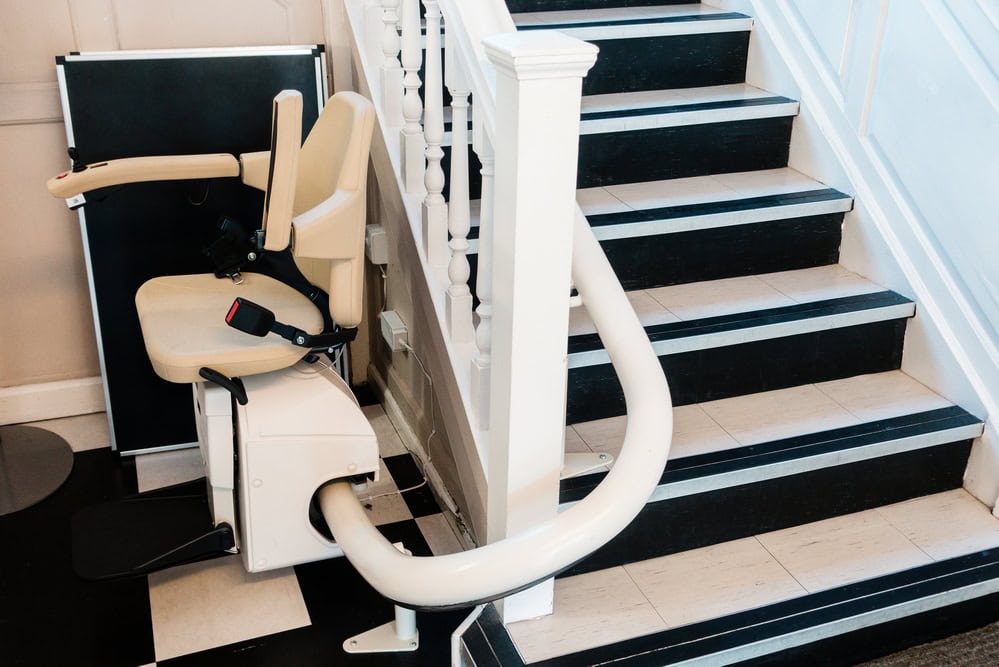
Just because you’re considering a chair lift for your home doesn’t mean you should worry about damaging your stairs. Many people hear myths suggesting chair lifts cause structural harm, but the facts tell a different story. When properly installed by experienced professionals, chair lifts protect your stairs and add safe, reliable mobility without compromising your home’s integrity. In this post, you’ll learn the truth behind common concerns so you can make confident, informed decisions about your home accessibility.
Key Takeaways:
- Chair lifts are designed to be installed with minimal impact on your stairs, typically attaching to the stair treads without causing permanent damage.
- Proper professional installation ensures that your stairs remain safe and structurally sound while accommodating the stair lift rails and mechanisms.
- Any minor marks or holes from installation can often be easily repaired if the chair lift is ever removed, preserving the appearance and integrity of your stairs.
The Mechanics of Straight Stair Lifts
How Straight Stair Lifts Operate
Straight stair lifts move smoothly along a fixed rail mounted to the staircase, propelling the chair safely between floors. Powered by a battery-operated motor, the lift uses a rack-and-pinion or cable drive system to convert electrical energy into controlled movement. You operate controls on the armrest or a remote, guiding the chair up or down at a consistent, safe speed generally between 15 and 25 feet per minute, which balances efficiency with rider comfort and security.
Key Components and Their Functions
The main parts include the rail, the chair or seat assembly, the drive mechanism, and the power source. The rail anchors to your stairs and supports the carriage that houses the motor and gears. The seat is equipped with safety features, including armrests, a seatbelt, and a footrest. A rechargeable battery powers the motor, ensuring operation even during power outages. Controls enable you to start, stop, and reverse the lift with ease, providing confidence on every trip.
Delving deeper, the rail typically attaches discreetly along the stair tread edges, requiring minimal alteration to your stairs’ structure, which helps avoid potential damage. Inside the carriage, a gear meshes smoothly with a toothed rack on the rail, translating motor rotation into linear motion. The 12-volt battery pack stores enough charge for multiple trips during outages, while smart charging systems maintain battery health. Safety sensors detect obstacles and instantaneously halt movement to protect you and others, making the ride secure and reliable. This combination of components works in harmony to provide a seamless experience tailored to your home’s layout and your mobility needs.
Evaluating Your Home for a Stair Lift Installation
Assessing Space Requirements
Measure the width of your staircase carefully before choosing a stair lift. Most modern rails mount about 6 to 9 inches from the wall, leaving ample space for foot traffic. Narrow or curved staircases may require custom rail solutions to ensure both the lift and pedestrian use coexist safely. Don’t overlook potential obstacles, such as banisters, doors, or uneven step heights, as these factors can significantly influence rail placement and installation complexity.
Choosing the Right Model
The correct stair lift model depends on your staircase layout and personal mobility needs. For straight staircases, a standard rail suffices, typically costing between $3,500 and $5,500. For curved or multi-level staircases, specialized rails and chair designs are often required, which can increase installation time and cost. Evaluate seat features such as swivel capabilities, weight capacity, and control types to match your comfort and safety requirements.
Beyond the staircase shape, factors like your daily usage, physical condition, and home décor can influence model selection. Some lifts offer powered swivel seats, adjustable footrests, or extra-wide chairs that aid transfers and provide superior comfort. Durability and maintenance considerations also vary; premium models often include enhanced safety sensors and longer warranties, while lower-priced units may lack these benefits. Consulting with a certified installer can help align technical specs with your lifestyle, ensuring your stair lift remains a reliable and comfortable mobility solution for years.
Unpacking the Cost of Straight Stair Lifts
Understanding Base Costs and Additional Features
Straight stair lifts typically range from $3,500 to $5,500, depending on the model and available features. The base price typically covers standard installation and basic safety components, such as seatbelts, swivel seats, and rechargeable batteries. However, options such as powered swivel seats, folding rails, upgraded upholstery, or remote controls can add several hundred dollars to the cost. You should also consider whether your staircase requires any custom modifications, as these can impact the overall cost.
Long-term Financial Considerations
Owning a stair lift involves more than just the initial purchase price. Maintenance, occasional repairs, and battery replacements can contribute to ongoing costs. Quality models, installed correctly, tend to have service lifespans exceeding 10 years, minimizing long-term expenses. Factoring in these elements helps provide a clearer picture of the total cost of ownership and may reveal that a stair lift remains a cost-effective mobility solution over time.
For example, battery packs typically require replacement every 5 to 7 years, with an average cost of between $200 and $400. Regular servicing and inspections, often recommended annually, can cost $100 to $200 per visit but help prevent expensive repairs and ensure safety. Additionally, a well-maintained stair lift retains its value better if you decide to upgrade or move, offsetting some of the long-term financial commitment.
Safety Features That Matter
Essential Safety Mechanisms
Modern straight stair lifts include multiple built-in safety features designed to protect you throughout every ride. These typically include seat belts to secure you in place, safety sensors that automatically stop the lift if an obstruction is detected on the stairs, and swivel seats that lock in position to help you safely get on and off. Additionally, lifts are equipped with reliable braking systems to control speed and ensure smooth stopping at each end of the rail, providing you with steady support every step of the way.
Enhancing User Confidence
Features like easy-to-use controls, smooth acceleration, and customizable settings help you feel in control and comfortable during every trip. Adjustable seat heights and armrests provide a personalized fit, while intuitive remote controls offer the freedom to call or send the lift without assistance. Together, these elements build trust in the device, making you more likely to use it frequently and maintain your independence safely.
Beyond the basic safety components, many stair lifts now incorporate additional enhancements to boost user confidence. For example, some models offer illuminated footrests and seats for easier visibility, especially in low-light conditions. Programmable speed adjustments allow you to dial in a pace that feels most secure, and diagnostic systems prompt you to address any maintenance needs promptly. These thoughtful details ensure the stair lift not only performs reliably but also aligns with your comfort and safety preferences every time you use it.
The Installation Process Demystified
Step-by-Step Guide to Installation
Installation begins with a thorough assessment of your staircase to select a custom-fit rail. Technicians then securely attach the rail to the stair treads using brackets that avoid damage to your stairs. Next, the chair is mounted and calibrated for smooth, quiet operation. Finally, safety features and batteries are tested before your first ride. The entire process usually takes just a few hours, leaving your stairs intact and your home accessible without major modifications.
| Installation Step | What Happens |
|---|---|
| Assessment & Measurement | Precise measurements ensure the rail fits your staircase geometry perfectly. |
| Rail Attachment | Rail mounted on stair treads with minimal drilling, preserving integrity. |
| Chair Installation | The chair unit is securely fixed onto the rail and connected to the control system. |
| Testing & Calibration | Safety systems are checked, and the lift is run through multiple cycles to ensure reliability. |
| Customer Orientation | You receive guided instruction on safe operation and maintenance tips. |
Common Installation Challenges and Solutions
Narrow staircases, uneven steps, or uniquely curved stairs can complicate installation but rarely prevent it. Customized curved rails and modular components adapt to irregular layouts without harming stair surfaces. Sometimes, minor stair tread reinforcement is recommended to support heavier users or added features. Professional installers also use precision laser measuring tools to minimize installation errors that could compromise the lift’s lifespan or compromise safety.
When your staircase geometry is unusual, advanced engineering often comes into play. For instance, a tightly winding staircase might require a segmented rail designed specifically for that curve, ensuring a smooth ride. Uneven or fragile stairs benefit from specialized mounting brackets that distribute load without concentrating stress. If you have doubts about your stair structure, consulting with an expert installer will help identify potential obstacles early and tailor solutions that protect your home while providing dependable access.
Maintenance and Troubleshooting Tips
Routine Maintenance Practices
Keeping your stair lift running smoothly involves simple upkeep, such as regularly cleaning the rails and chair to remove dust and debris. Lubricate moving parts as advised in your user manual to prevent friction damage. Checking battery health and charging systems ensures your lift stays operational during power interruptions. Most models come with easy-to-access controls you can inspect for wear and tear. A quick monthly walk-through can help detect minor issues before they become costly. Knowing consistent care extends the lifespan and reliability of your stair lift.
Signs Your Stair Lift Needs Professional Attention
If you notice unusual noises, jerky movements, or delays when starting or stopping your stair lift, these could signal mechanical problems. Warning lights or error codes appearing on the control panel also indicate a need for inspection. Difficulty in folding or unfolding the seat or armrests, along with reduced battery run-time, points to potential electrical or motor issues. Encountering repeated interruptions in power or inconsistent speed should prompt scheduling a professional check. Knowing these symptoms early helps prevent unexpected failures.
Some signs may seem minor but deserve attention from a trained technician—especially if your stair lift hesitates or stutters during operation. Electrical components, such as batteries and wiring, require periodic testing to prevent sudden shutdowns. Mechanical parts, such as gears and brakes, require calibration to maintain safety standards. A reputable service provider can perform a detailed diagnostic and replace worn parts before they compromise your lift’s performance. Timely professional intervention protects both your safety and your investment.
Real-Life Experiences: User Testimonials
Stories of Transformation
One user shared how installing a stair lift restored their independence after a severe knee injury left them unable to climb stairs for months. Another client, a young adult with a mobility impairment, recounted how the lift enabled safe access to their upstairs bedroom, which dramatically improved their daily comfort and participation in family life. Across these stories, a common theme emerges: reclaiming freedom and safety within the home, transforming what once seemed like an insurmountable obstacle into a manageable part of everyday life.
Lessons Learned from Firsthand Users.
Users frequently emphasize the importance of working with experienced installers to ensure safety and functionality. Many found that small details, like selecting a model with a swivel seat or easy-to-use controls, greatly enhanced their overall experience. Others note that regular battery maintenance and occasional track cleaning prevented unexpected interruptions, highlighting the value of routine care for long-term reliability.
Those who chose to consult with knowledgeable professionals before purchase often avoided common pitfalls, such as buying a stair lift incompatible with their staircase layout. Several users also stress the benefit of testing different models in showrooms to gauge comfort and ease of use firsthand. These insights reveal that actively engaging in the decision-making and maintenance process leads to the best outcomes, ensuring the stair lift meets your unique mobility needs while maintaining safety and convenience.
Exploring Financial Assistance and Support Options
Insurance and Medicare Coverage
Medicare typically does not cover stair lifts since they are considered home modifications rather than durable medical equipment. Most private insurance plans also exclude stair lifts from coverage. However, if your doctor prescribes a stair lift as a medically necessary device, you might explore submitting claims or appeals, though success varies widely. Some supplemental insurance policies or long-term care insurance may offer partial assistance. Evaluating your insurance benefits carefully can help you understand any potential coverage before making a purchase.
Government Programs and Nonprofits
You may be eligible for financial assistance through programs such as Medicaid waivers, Veterans Affairs benefits, or state-specific grants designed to improve home accessibility. Nonprofit organizations focused on disability support or senior care may offer funding or low-interest loans to help cover the costs of stair lifts. Consulting with local aging agencies or disability resource centers can reveal options tailored to your specific community.
Several government-backed initiatives provide valuable resources for funding stair lifts. For example, Medicaid Home and Community-Based Services (HCBS) waivers often cover home modifications, including stair lifts, depending on your eligibility and state policies. Veterans may qualify for grants through the VA’s Specially Adapted Housing (SAH) or Home Improvements and Structural Alterations (HISA) programs, which can offset substantial expenses. Additionally, nonprofits like Rebuilding Together and local Area Agencies on Aging frequently administer programs or coordinate funding to reduce out-of-pocket costs, especially for low-income seniors or individuals with disabilities. Researching and applying to these programs can make a significant difference in managing the investment for your home’s accessibility.
To wrap up
Taking this into account, you can be confident that properly installed chair lifts do not damage your stairs. They are designed to minimize contact and pressure on your staircase, preserving its condition while improving your mobility. Any concerns about potential damage usually come from myths rather than facts. If you’re considering a chair lift, consulting with experienced professionals can ensure the right fit and installation for your home, allowing you to enhance accessibility without compromising the integrity of your stairs.
FAQ
Q: Do chair lifts cause permanent damage to my stairs?
A: No, properly installed chair lifts do not cause permanent damage to your stairs. The installation process typically involves securely fixing the rail to the stair treads without altering the structural integrity of the staircase. Most mounting systems are designed to minimize impact and can be removed without leaving significant marks or damage. However, it’s important to have the chair lift installed by experienced professionals to ensure both safety and preservation of your stairs’ condition.
Q: Will the installation of a chair lift leave unsightly holes or marks on my stairs?
A: While installation may require drilling small holes to anchor the rail, these are generally minimal and can be repaired if the lift is ever removed. The hardware used is designed for easy removal, and in many cases, the holes can be filled and refinished to closely match your existing stairs. Careful installation and removal ensure that any marks left behind are minor and do not affect the overall appearance or function of your staircase.
Q: Does daily use of a chair lift cause wear and tear on my staircase?
A: Daily use of a chair lift does not cause significant wear or tear on your stairs. The weight and movement of the lift are supported by the rail system, not the stair surface itself, which protects the stairs from damage. Additionally, modern chair lifts use smooth, cushioned wheels and tracks to minimize friction and impact. Routine maintenance of the lift helps maintain its performance and ensures that your stairs remain in good condition over time.

Introducing Kevin Olrich, Owner of CAPS Remodeling. As a trusted expert in the field of barrier free remodeling Kevin brings a compassionate approach to create safer, more comfortable, and independent living conditions for the elderly and disabled throughout the State of Michigan. His leadership and experience is at the core of how CAPS provides the best solutions to meet the unique needs of our customers and medical professionals.