Choosing the Right Wheelchair Ramp: Essential Factors for Safety and Accessibility Explained
October 29, 2025
Renting vs buying stair lifts in Madison Heights—what makes sense long-term
November 11, 2025
When winter arrives in southeast Michigan, snow and freeze-thaw cycles can turn any exterior surface into a hazard—especially ramps. This guide explains how Wheelchair ramps in Madison Heights can be planned, upgraded, and maintained to remain safer and usable during long, messy winters. We’ll cover the effects of snow and salt, the best materials and traction systems, how to move meltwater away from travel paths, and the simple routines that make a big difference. If you’d like a local team to assess your site and recommend a plan, CAPS Remodeling can help at https://www.capsremodeling.com/.
Why winter is tough on ramps
Madison Heights experiences heavy moisture, repeated freezing, and wind-driven snow. Those conditions create three predictable ramp problems:
- Slippery surfaces: Melt-and-refreeze cycles build thin layers of glaze ice that are hard to see.
- Surface damage: Traditional rock salt can dry wood, stain composites, and scale concrete over time.
- Blocked drainage: Packed snow traps meltwater, which refreezes at landings and transitions—exactly where wheels need smooth, level contact.
Design choices and maintenance habits tackle all three.
Materials that stand up to snow, ice, and salt
Choosing the right ramp surface is your first winter win. Here’s how the main options behave in Michigan weather:
Aluminum
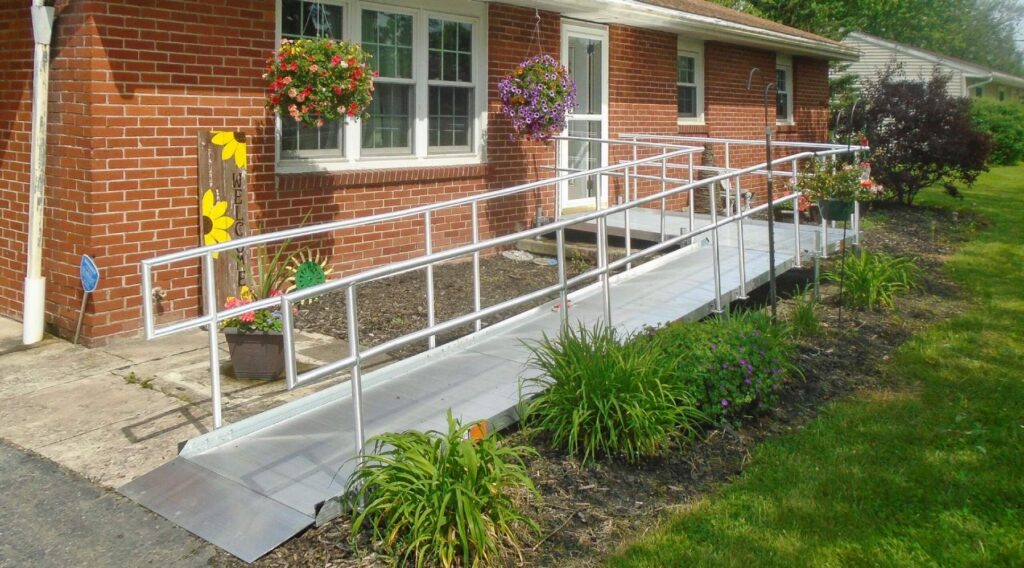
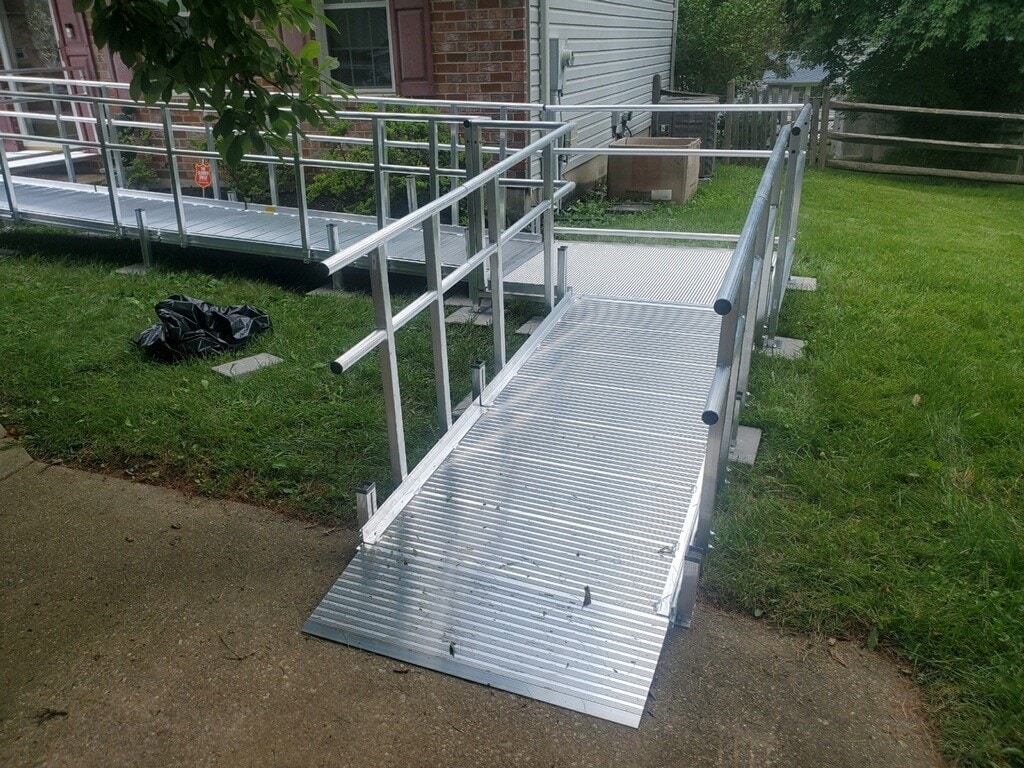
- Pros: Naturally corrosion-resistant, fast-shedding of snow when pitched correctly, compatible with many de-icers, and easy to add aggressive non-slip treads.
- Watch-outs: Bare aluminum can be slick without a textured finish or overlays; thermal conductivity can accelerate refreeze if water lingers.
- Winter tip: Pair aluminum with factory-embossed treads or high-grit overlays, and keep joints sealed to limit water intrusion.
Pressure-treated wood
- Pros: Warm look, customizable, and cost-effective.
- Watch-outs: Pores absorb water; grains can open during freeze-thaw cycles, and salt can discolor and dry fibers.
- Winter tip: Use exterior-grade, high-grit anti-slip strips across the full width of travel lanes; maintain a penetrating sealer every 1–2 years; sweep promptly after salting.
Composite boards
- Pros: Stable, low maintenance, available with molded textures; resists rot.
- Watch-outs: Some composites become slick with thin frost; dark colors may cycle ice faster (melt in the sun, re-freeze at dusk).
- Winter tip: Choose boards with deep, multi-directional texture; add mineral-grit overlays to landings and the first/last 3–4 feet of ramp where traction is most critical.
Concrete
- Pros: Durable, stable under wheel loads, tolerant of edged snow shoveling.
- Watch-outs: Salt exposure over many seasons may cause surface scaling; an improper finish (oversmooth) can become slick.
- Winter tip: Specify a broomed, non-slip finish and avoid excessive salt. Use alternative de-icers and keep the surface sealed as part of a maintenance cycle.
Traction: overlays, treads, and inlays that actually work
Surface texture is your day-to-day defense. For Wheelchair ramps in Madison Heights, we recommend a layered approach:
- High-grit tapes/overlays (mineral aggregate): Apply across full-width strips every 12–24 inches on wood or composite, and at transitions on aluminum and concrete.
- Rubberized or recycled-tire mats: Use at door thresholds and landings to catch meltwater and provide immediate grip. Ensure beveled, trip-free edges.
- Expanded metal or cleated panels (for aluminum): Excellent traction; pair with regular sweeping to prevent snow compaction in the openings.
- Textured nosings: At the top and bottom of runs, textured nosings signal slope changes and resist the polished “glide zone” effect from repeated wheels.
Slope, cross-slope, and drainage: the silent safety features
Even the grippiest surface will fail if meltwater has nowhere to go. Key geometry points:
- Gentle running slope: A shallow rise reduces the force required to climb and lowers the slide risk when conditions deteriorate.
- Minimal cross-slope with positive drainage: Aim for subtle crossfall or hidden drainage channels that move water off the travel line without creating a sideways tilt for wheels.
- Generous, level landings: These are the places where users start and stop—also where ice prefers to form. Design them with a slight, invisible path for water to drain away from doors and edges.
- Open sides with curbs/edge protection: Edge protection helps with navigation and keeps slushy piles from collapsing into wheel paths.
Snow removal that protects the ramp
The tools and techniques matter as much as frequency:
- Use plastic or poly-edged shovels on aluminum, wood, and composite to avoid gouging and exposing slick surfaces.
- Shovel with the slope (downhill) to avoid packing snow into textured layers.
- Snow throwers: Acceptable on concrete and some aluminum systems with caution; set skids high and keep metal augers off the surface.
- Brooms first, then shovels: Light, dry snow is best removed before compression; brushing preserves the sharp edges of grit overlays.
De-icers: choosing agents that fight ice without ruining the ramp
Not all ice melts are equal. Here’s a practical, ramp-friendly pecking order:
- Calcium magnesium acetate (CMA): Gentle on concrete and metals; works best in preventive applications before storms.
- Magnesium chloride: Effective at lower temps than standard chloride blends; generally kinder to concrete and wood than sodium chloride.
- Calcium chloride: Strong performer in deeper cold; use sparingly and rinse residues when temperatures allow.
- Sodium chloride (rock salt): Widely available, but the harshest on concrete and corrosive to some metals; can dry wood fibers. Reserve for emergency spot treatment and rinse away later.
Application tips
- Broadcast lightly; more product isn’t more traction—excess turns to brine that refreezes.
- Reapply after shoveling; otherwise, you remove the protective layer that stops bond formation between ice and ramp.
- Sweep residual pellets once the surface is dry to reduce tracking inside and preserve overlays.
Heated options: radiant mats and embedded systems
For households where freezing is frequent and snow removal is challenging, heating systems cut down on ice formation:
- Portable heated mats: Plug-in mats for landings and first- and last-ramp sections deliver consistent warmth underfoot. Look for beveled edges, wheel-rated durability, and moisture-resistant cords.
- Integrated electric cables (new builds): Embedded beneath concrete or under aluminum decking; pair with moisture/temperature sensors to run only when needed.
- Hydronic heat (larger projects): Warm-fluid tubing under concrete provides even heat; best planned during new construction or major renovations.
Energy-smart use: Target the “critical zones”—door thresholds, top/bottom 4–6 feet of slope, and any shaded sections where ice lingers. A zoned layout keeps power use reasonable while addressing the highest-risk areas.
Guardrails, handrails, and edge protection in winter
Rails do more than prevent falls; they’re a user’s stability anchor when traction drops:
- Continuous, warm-to-the-touch rails: Powder-coated or vinyl-clad rails are more comfortable in low temps, encouraging proper hand use.
- Clearance for gloves: Slightly larger grasp dimensions accommodate winter gloves without sacrificing control.
- Edge curbs or wheel stops: These keep wheels from slipping off when a user corrects course to avoid icy patches.
Joints, fasteners, and supports that survive freeze-thaw
Winter exposes weak points in any structure. A cold-ready ramp uses:
- Sealed joints: Flexible, exterior-grade sealants around board ends, deck seams, and transitions keep meltwater out of cavities where it could freeze and expand.
- Corrosion-resistant fasteners: Stainless or coated screws/bolts prevent rust streaks and maintain clamping force.
- Frost-depth footings: Posts or piers must extend below the local frost depth to reduce heave that can tweak the slope and pond water levels.
- Adjustable legs (aluminum systems): Allow seasonal tuning so the ramp stays level and drains properly after frost cycles.
Keep entrances and transitions clear.
The most treacherous spots are where the ramp meets a door, sidewalk, or driveway:
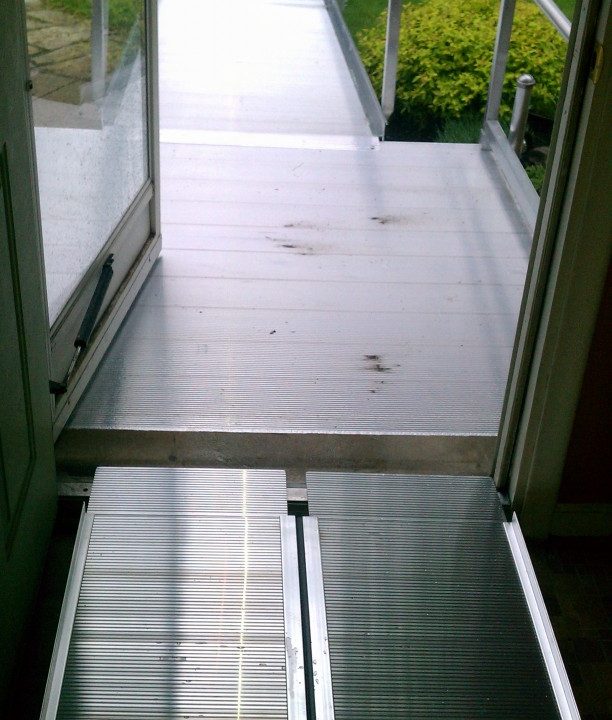
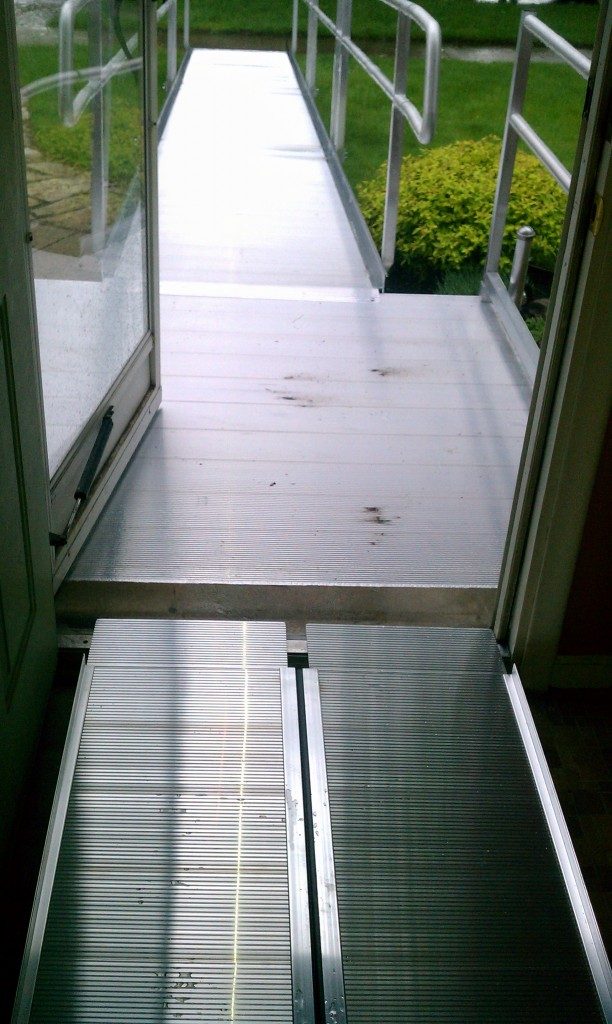
- Threshold ramps with sealed edges prevent meltwater from creeping back under doors and refreezing.
- Kick plates and snow guards at door bottoms reduce accumulation where traffic is highest.
- Transition wedges between ramp ends and concrete eliminate tiny lips that trap slush and create “catch points” for small front casters.
Landscaping and site tuning for winter
Good site planning makes every storm easier:
- Prevailing wind awareness: Place windbreaks (fences, shrubs) to cut the drifting across the ramp.
- Downspout redirection: Move outlets away from landings so roof melt doesn’t pour across travel lines and freeze overnight.
- Sun exposure: When possible, orient long ramp runs to capture midday sun; even a few degrees of warming can help de-icers and reduce refreeze.
A simple seasonal maintenance calendar
Set reminders so safety never depends on memory:
Early fall (September–October)
- Inspect surface texture; replace worn grit strips and tighten loose fasteners.
- Reseal wood or composite where needed.
- Test heated mats or sensors; verify GFCI outlets.
- Stock preferred de-icer (CMA or magnesium chloride) and non-marking shovels.
First snowfall
- Clear promptly to prevent compaction.
- Lightly broadcast de-icer after shoveling to prevent bond formation.
Mid-winter check
- Look for ponding or unusual refreeze zones; adjust legs on modular aluminum systems or add temporary drainage channels.
- Clean rails with a mild solution to remove salt film; this improves grip.
Early spring
- Rinse the ramp thoroughly to remove chloride residue.
- Inspect for raised fasteners, surface scaling, or wood fiber lift; schedule repairs before the busy season.
Upgrading an existing ramp for winter without a full rebuild
You don’t always need a new structure to improve winter safety. Many Wheelchair ramps in Madison Heights can be winter-tuned with a few focused upgrades:
- Add full-width mineral-grit strips at 12–24 inch spacing, plus extra coverage on the first/last 4–6 feet of slope.
- Install plug-in heated mats at landings and thresholds with moisture-safe cable routing.
- Introduce micro-drainage—thin kerfs or channels that migrate water sideways off the travel line.
- Replace wobbly or icy-feeling rails with continuous, glove-friendly handrails.
- Swap old fasteners for stainless or polymer-coated hardware and seal board ends to limit wicking.
New ramp? Design it “winter-first”
If you’re planning a new installation, a winter-first checklist saves headaches later:
- Material choice paired with traction plan (textured aluminum or composite with mineral-grit overlays; broomed concrete with sealer).
- Geometry tuned for drainage: gentle running slope, slight invisible water path on landings, and protected edges.
- Footings at frost depth to avoid seasonal distortion.
- Power availability at landings for heated mats or future upgrades.
- Storage niche for shovels and de-icer within easy reach, so the first clearance pass happens fast.
Safety for users and caregivers on storm days
A little preparation eases stress whenthe weather turns:
- Pre-treat before the snow arrives with a light coating of your chosen de-icer, especially at landings and thresholds.
- Keep a dedicated ramp shovel by the door; don’t borrow the metal driveway shovel that can scar overlays.
- Use slow, centered approaches with wheelchairs and walkers; avoid hugging edges where ice often lingers.
- Assign roles: One person shovels and inspects; another assists the ramp user. Clear communication reduces last-minute risks.
When to call in a professional
Some conditions call for expert eyes:
- Persistent ponding or visible heave that changes the ramp angle
- Loose or flexing deck boards on wood/composite systems
- Corrosion or squeak in modular joints on aluminum ramps
- Repeated slip incidents on the same section despite de-icing and overlays
A local assessment by CAPS Remodeling can identify the exact cause and propose targeted fixes—anything from micro-drainage cuts to heated landing zones or a material change that fits your home and budget. If you’re ready to talk about wheelchair ramps in Madison Heights, reach out at https://www.capsremodeling.com/.
Cost considerations without the guesswork
Winter-performance upgrades can be scaled:
- Low-cost: Grit overlays, threshold wedges, better shovels, and a season’s supply of gentle de-icer.
- Mid-range: Heated landing mats, added handrail runs, minor drainage changes, and hardware/sealant refresh.
- Investment level: Integrated heat zones, major material changes, or a new ramp tuned for four-season use.
Pairing the right tier with your ramp’s current condition yields the best return in safety and durability.
The bottom line
Michigan winters are tough—but with the right materials, traction systems, drainage, and maintenance, Wheelchair ramps in Madison Heights can stay safer and functional from the first flurries to spring thaw. Whether you need a quick upgrade or a new, winter-ready design, CAPS Remodeling is here to help at https://www.capsremodeling.com/.
FAQs
1) What’s the best de-icer for my ramp material?
Gentle options like calcium, magnesium acetate, and magnesium chloride are widely preferred across materials. They’re effective and generally kinder to aluminum, wood, composite, and concrete than standard rock salt. Use sparingly and sweep residues after drying.
2) How often should I replace anti-slip strips?
Inspect every fall. Replace any strip that’s peeling, polished smooth, or loses grit. High-traffic areas—first/last 4–6 feet, plus landings—often need fresh overlays each year to keep traction sharp.
3) Can heated mats handle wheel loads?
Choose mats rated for wheelchair traffic with beveled edges and moisture-resistant cords. Place them at landings and thresholds, then shovel the sloped sections so the mats don’t have to fight heavy snowpack alone.
4) Is rock salt ever okay to use?
Use only for spot emergencies when temperatures are very low and traction is failing. Rinse away residues when a thaw arrives, and plan to switch back to gentler de-icers that won’t accelerate surface wear.
5) My ramp ices up at the top landing. What should I change first?
Check for downspouts or roof melt draining across the landing. Redirect water, add a slight hidden drainage path away from the door, and apply a high-grit overlay. A heated mat at the threshold is often the single most considerable improvement.

Introducing Kevin Olrich, Owner of CAPS Remodeling. As a trusted expert in the field of barrier free remodeling Kevin brings a compassionate approach to create safer, more comfortable, and independent living conditions for the elderly and disabled throughout the State of Michigan. His leadership and experience is at the core of how CAPS provides the best solutions to meet the unique needs of our customers and medical professionals.