Renting vs buying stair lifts in Madison Heights—what makes sense long-term
November 11, 2025
Essential Grab Bar Installation Tips for Madison Heights Homeowners
November 25, 2025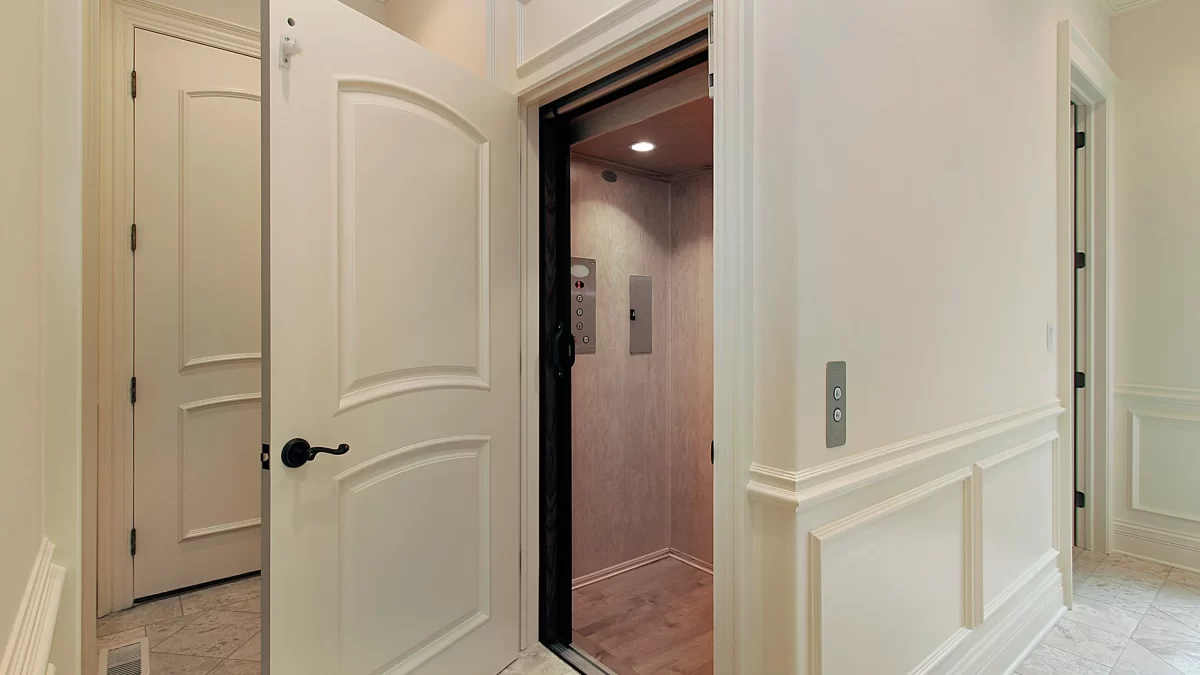
You need to weigh how a residential lift in Madison Heights offers space-saving design and enhanced accessibility and resale value, against traditional elevators’ greater load capacity and often higher maintenance costs; assess risk of mechanical failure or entrapment, installation complexity, local codes, and your long-term mobility goals to choose the safest, most cost-effective option for your home.
Key Takeaways:
- Residential lifts offer compact footprints, lower installation costs, and quicker retrofits for Madison Heights homes; trade-offs include lower weight capacity, simpler finishes, and slower speeds.
- Traditional elevators offer higher capacity, a smoother ride, greater customization, and longer-term durability; downsides include a higher upfront cost, larger structural/shaft requirements, and longer permitting/installation.
- Choose based on budget, space, usage frequency, and local code—residential lifts suit tight retrofits, traditional elevators suit heavy use, higher resale value, or new construction.
Overview of Residential Lift Elevators
Definition and Functionality
You use a residential elevator to move people and small loads between floors in a private home, with an enclosed cab, controls, and safety systems comparable to those of commercial elevators. Typically designed for 300–1,000 lb (136–454 kg) capacities and speeds around 0.15–0.30 m/s, they rely on hydraulic, traction, or pneumatic drives. Installers emphasize safety interlocks and backup lowering as must-have features for residential installations.
- accessibility
- cab
- drive system
- Perceiving safety
| Typical Capacity | 300–1,000 lb (136–454 kg) |
| Typical Speed | 0.15–0.30 m/s |
| Stops | 2–4 floors common |
| Power | 120–240 V, dedicated circuit |
| Installation Time | 2–7 days (site dependent) |
Types of Residential Lift Elevators
You’ll encounter several formats: hydraulic pit or pitless units, traction with counterweights, pneumatic vacuum lifts with transparent tubes, and platform lifts for short rises. Manufacturers often offer retrofit models for narrow shafts and modular cabs for new builds, letting you match aesthetics while meeting structural limits.
Hydraulic models deliver smooth starts and handle higher loads with minimal headroom, while traction types run quieter at higher speeds and require more overhead. Pneumatic lifts install quickly and require almost no shaft, but usually top out at about three stops and 500 lb. capacity. Installers in suburban areas often recommend pitless hydraulic units for older homes because they avoid major foundation work and typically finish in 2–4 days with minimal structural changes.
- hydraulic
- traction
- pneumatic
- Perceiving platform
| Hydraulic | Good for heavy loads, low headroom |
| Traction | Higher speed, quieter ride |
| Pneumatic | Pitless, quick install, limited stops |
| Platform | Short rises, ADA-style solutions |
| Modular | Prefabricated cabs for tight sites |
Technical Specifications
You should check load capacity (commonly 300–1,000 lb), cab dimensions (standard 30–36″ door, 3’×4′ cab common), headroom (8–10 ft / 2.4–3 m), pit depth (0–12 in for pitless options), and required electrical service (often a 20–30 A dedicated circuit). Emergency lowering and battery backup options are typical safety add-ons.
Detailing specs further, manufacturers quote travel speeds of 0.15–0.30 m/s and warranty-tested cycles often exceeding 100,000 starts. You’ll verify door interlocks, overspeed governor function, and brake fail-safes during inspection; installers usually confirm compliance with local codes and ASME/CSA guidelines, and they log test runs showing smooth acceleration, top-speed accuracy within ±5%, and emergency lowering time under 2 minutes for battery-assisted models.
Overview of Traditional Elevators
Definition and Functionality
You deal with two primary mechanisms: a pulley-and-counterweight system (traction) or a piston-driven system (hydraulic). Traction elevators use motors and counterweights for smoother, faster travel—sometimes reaching up to 2,000 fpm in high-rises—while hydraulic units push the cab and are common under six stories. Emergency brakes, door interlocks, and phone/backup power are standard safety measures, so you should closely monitor maintenance and inspections.
Types of Traditional Elevators
You’ll typically encounter geared traction, gearless traction, machine-room-less (MRL), hydraulic (ram), and winding drum elevators, each optimized for different heights and uses. Geared units suit mid-rise buildings, gearless for high-rise express service, MRL saves space for low- to mid-rise, and hydraulics are cost-effective for short shafts. Safety and ride quality vary by type and installation.
- Geared traction — good for mid-rise, robust torque for frequent stops.
- Gearless traction — higher speed and smoother ride, used in high-rises.
- MRL — eliminates a machine room to save space in retrofit projects.
- Hydraulic — low-speed, economical for 2–6 floors with no hoistway counterweight.
- This winding drum option is compact and suits small service or industrial shafts.
| Geared traction | Best for 5–20 floors; speeds up to ~1,000 fpm; moderate maintenance |
| Gearless traction | Used above ~20 floors; speeds to ~2,000 fpm; high efficiency |
| MRL (Machine-Room-Less) | Saves 10–20% of building space; ideal for retrofits; accessible maintenance |
| Hydraulic (ram) | Suitable for 2–6 floors; speeds under ~200 fpm; lower upfront cost |
| Winding drum | Compact footprint; often for service lifts or older buildings; slower |
More specifically, you should match type to traffic patterns: gearless excels where express service and high speed are needed, while geared balances cost and performance for 6–20 floors. For residential conversions, MRL often reduces construction time and eliminates the need for a separate machine room; hydraulic systems cut initial costs but require periodic oil checks and jack maintenance. Codes such as ASME A17.1 and ADA influence controls, door timing, and emergency communication.
- Traffic profile — determines if you need gearless high-speed or economical hydraulic.
- Space constraints — push you toward MRL or winding drum solutions.
- Ride quality — gearless provides the smoothest acceleration and deceleration.
- Maintenance intensity — hydraulics require fluid checks; traction needs rope and motor inspections.
- This code compliance requirement shapes door sensors, emergency power, and inspection schedules.
| Traffic profile | High peak loads require larger cars and faster runs; analyze peak 15-minute intervals |
| Space constraints | MRL removes a machine room, saving roughly 10–20% of floor area in small buildings |
| Ride quality | Gearless traction reduces noise and vibration for a premium passenger experience |
| Maintenance | Schedule semi-annual inspections for traction; hydraulic systems often need yearly fluid checks |
| Code & safety | ASME A17.1 and local regulations dictate emergency phone, door reopening, and braking systems |
Technical Specifications
You should evaluate capacity, speed, and power: common capacities range from 1,000–4,000 lb in commercial units, while residential elevators are often 500–1,000 lb. Speeds range from 100–2,000 fpm, depending on type; traction systems use 3-phase power and may require a machine room, while MRL systems install motors in the hoistway. Emergency braking, buffers, and backup power are mandatory features for safe operation.
In practice, you’ll specify a car size (e.g., 48″ x 72″) for ADA access, choose a rated load (500–3,500 lb), and select target speed based on building height—200–700 fpm for low- to mid-rise, above 800 fpm for high-rise express. Drive systems include VFD controllers for smooth acceleration, and you must confirm electrical service (often 208–480V three-phase). Maintenance intervals, inspection logs, and certified technicians keep safety systems—such as brakes, door locks, and emergency lighting—operational.
Pros of Residential Lift Elevators
Space Efficiency
Many residential lifts use shaftless or pneumatic designs so you can fit a lift in as little as 3’×3′ (0.9×0.9 m) or convert an existing closet, avoiding a full hoistway. That smaller footprint preserves living space and often eliminates the need to reroute load-bearing elements, which is especially valuable in compact Madison Heights homes or tight remodels.
Design Flexibility
Manufacturers offer models from compact pneumatic tubes to platform lifts, letting you select cab size, finishes, glass walls, and door styles to match your interior; many home units carry 500–750 lb capacities and bespoke aesthetics to blend with period or modern homes.
For example, pneumatic vacuum elevators commonly come in 27–30-inch diameters and glass cylinders that increase natural light, while shaftless platform lifts can be integrated into stairwells with minimal visual impact. You can choose controls at multiple heights for accessibility, opt for stainless steel, oak veneers, or full-glass cabs, and specify sliding or swing doors to suit tight landings—features that let the lift serve both functional and design goals in renovation projects.
Cost-Effectiveness
Residential lifts typically cost less upfront than traditional shaft elevators: rough ranges are $10,000–$40,000 for many home systems versus $50,000–$100,000+ for full-shaft installations, making them a more affordable solution for accessibility and value-add in your property.
Beyond purchase price, lifecycle costs tend to be lower because many residential models lack complex machine rooms and heavy counterweights. Annual service for home lifts often runs under $500, and parts/replacement components are simpler and cheaper than commercial elevator systems; that combination shortens payback time when you factor in increased home usability and resale appeal.
Installation Ease
Prefabricated residential lifts can be installed in 1–3 days for modular units and often require no machine room or deep pit, whereas traditional elevators often take 4–12 weeks to construct. That faster timeline reduces disruption during remodels and lowers labor costs.
Permitting and inspections remain necessary, but you’ll often avoid major structural work. Some platform lifts need only a shallow pit (as little as a few inches) and modest headroom, while pneumatic models require neither pit nor hoistway. Contractors in Madison Heights commonly report less drywall, framing, and electrical rerouting with residential lifts, which also minimizes dust and temporary loss of living areas during installation.
Energy Efficiency
Many residential lifts use efficient motors and simple drive systems, so typical movement draws under 2 kW and standby power is minimal, keeping operational energy costs low compared with larger commercial elevators.
Additional savings come from features like LED cab lighting, automatic shut-off, and efficient drive controls; some modern traction drives even include regenerative braking that returns energy to the house grid. Depending on use, operational energy expenses often remain modest—typically a few hundred dollars per year—making residential lifts an economical long-term choice for daily accessibility needs.
Cons of Residential Lift Elevators
Limited Capacity
You’ll notice that many residential lifts are sized for 1–3 people, with capacities typically between 500–750 lb (225–340 kg), so you can’t move large furniture, multiple passengers, or heavy mobility equipment in a single trip. In practice, that often means you’ll need separate trips for bulky items or hire movers with a freight elevator, which reduces convenience for frequent heavy loads.
Maintenance Requirements
You must budget for ongoing care: manufacturers commonly recommend inspections every 6–12 months, and routine service visits typically cost $150–$400 each, depending on complexity. Skipping maintenance raises the risk of operational failures and safety issues.
Routine tasks you’ll see include drive-system checks, inspection of hydraulic fluid or pneumatic seals, safety-brake testing, and emergency-lowering system verification; many units also require periodic software updates and battery checks for backup power. Typical component lifespans vary—controllers and motors may last 10–20 years, while seals and cables require more frequent attention, and major repairs or actuator replacements can run into the $1,000–$5,000 range. Factor long-term service costs into your total ownership budget.
Speed Limitations
You’ll find residential lifts are deliberately slow for comfort and safety, commonly running at 40–60 ft/min (0.20–0.30 m/s), whereas commercial elevators often exceed 200 ft/min. That slower pace affects convenience on multiple stops or in taller homes. Expect longer travel times if you use the lift frequently.
Because of that speed profile, you’ll notice delays during peak household movement—such as morning routines or hosting events—and the lift may not be suitable for time-sensitive transfers (for example, moving a patient quickly between floors). In multi-level homes with more than two floors, the cumulative wait-plus-travel time can be significant, which is why some homeowners opt for higher-speed or commercial-grade systems despite higher costs.
Aesthetic Considerations
You’ll have to accommodate visible equipment: many residential lifts require a shaft, pit, or overhead clearance that changes room proportions, while pneumatic or glass-cylinder models expose mechanical elements; custom finishes can help, but typically add $2,000–$10,000 to the project. The visual impact may conflict with your existing design.
Design-wise, you can conceal a lift behind walls or integrate a glass shaft for a modern look. Still, each choice comes with trade-offs—opaque enclosures preserve privacy but add bulk, while a glass shaft looks lighter but shows cables and machinery that require cleaning and protective coatings. Custom cabinetry and paneling can restore cohesion with your décor, yet they increase lead time and maintenance demands, so weigh aesthetic upgrades against ongoing upkeep and cost.
Pros of Traditional Elevators
Higher Capacity
You benefit from significantly larger loads: traditional passenger elevators typically handle 2,000–4,000 lb (roughly 10–20 people), whereas most residential lifts handle 750–1,000 lb. That lets you move furniture, stretchers, or commercial deliveries without multiple trips, and supports mixed-use buildings where you need both passenger and occasional freight capacity.
Enhanced Durability
Traditional elevators are built for high-cycle, heavy-duty use with commercial-grade components, thicker steel frames, and redundant braking systems, so you get a longer service life and fewer replacements than with residential lifts.
In practice, these systems are engineered to run millions of cycles and often go 15–30 years before a major overhaul if you follow ASME A17.1/CSA B44 maintenance schedules. You’ll see gearless traction, hardened ropes, and industrial controllers that tolerate continuous operation in hospitals, office towers, and malls, lowering lifetime cost-per-ride despite higher upfront expense.
Speed and Performance
Traditional elevators deliver higher travel speeds and better throughput: low- to mid-rise traction cars commonly run 100–350 fpm. In comparison, high-rise gearless systems exceed 1,000 fpm, giving you faster vertical transit and reduced wait times during peak periods.
Beyond raw speed, you gain smoother acceleration, regenerative drives, and advanced dispatching (destination control) that increase handling capacity. For example, a gearless traction elevator can move you up 50 floors in under a minute, and intelligent control systems cut average wait times by 20–40% in busy residential or commercial lobbies.
Greater Brand Recognition
You get the reassurance of established OEMs—Otis, KONE, Schindler, Thyssenkrupp—whose name recognition translates to predictable quality, standardized parts, and stronger resale value for your building.
Those brands also provide extensive service networks and formal maintenance contracts with typical response targets of 24–48 hours, spare-part distribution, and factory-trained technicians. Developers and facility managers often specify major OEMs to minimize downtime and simplify compliance, as seen in many hospitals and large condo projects where uptime and fast repairs are non-negotiable.
Cons of Traditional Elevators
Space Requirements
Traditional elevators usually require a dedicated shaft and often a separate machine room, so you’ll lose usable floor area. Typical shaft footprints run about 5′×5′ to 7′×7′, while machine rooms can take an additional 25–40 sq ft. In retrofits, creating that pit, meeting overhead clearance requirements, and creating structural openings can force you to reconfigure rooms or sacrifice closets and storage.
Higher Installation Costs
Traditional elevators tend to carry higher upfront prices; you can expect $35,000–$100,000+, depending on machine room requirements, capacity, and finishes. That range often exceeds newer MRl or simple home lift options, especially for full-size traction systems.
Costs break down into equipment, shaft construction, structural reinforcement, and permits: shaft buildouts commonly add $10,000–$30,000, machine rooms another $5,000–$20,000, and local permits/inspection fees can be $1,000–$5,000. For example, a Madison Heights retrofit that required cutting through floor joists and adding reinforced headers frequently pushes projects into the upper half of that range.
More Complex Maintenance
Because traditional elevators use more mechanical systems (geared or gearless traction, controllers, hydraulics), you’ll face more complex, costly upkeep. Annual service contracts are typically more expensive and require certified technicians familiar with commercial-grade components.
Expect routine inspections, lubrication, brake and door mechanism checks, plus occasional rope or cylinder replacements that can cost thousands. Parts lead times for traction components can exceed several weeks, resulting in longer downtime. In multi-story homes, that downtime affects accessibility—so factor in both service contract rates and emergency-call fees when comparing lifecycle costs.
Limited Customization
Traditional elevator cabs and control systems often follow industry standards, so you may have fewer aesthetic or layout choices without steep upgrade fees. Custom glass cabs, unusual door patterns, or non-standard car sizes can quickly inflate budgets.
When you want bespoke finishes—handcrafted panels, unique lighting, or non-standard car dimensions—manufacturers typically charge significant premiums and longer lead times. Also, meeting ADA or local code for wheelchair access can force larger car footprints, reducing your ability to tailor the elevator to tight spaces or unconventional floor plans without substantial cost and design work.
Final Words
Following this, you should weigh the compact design, lower installation cost, and customization of residential lifts elevator in Madison Heights against their lower speed, shorter travel, and maintenance needs compared with traditional elevators; you gain accessibility, space efficiency and modern controls, while traditional systems offer higher capacity, faster travel and proven durability for multi-story buildings—choose based on your building size, budget, and long-term use to ensure safety, compliance, and value.
FAQ
Q: What are the main advantages of residential lift elevators in Madison Heights compared to traditional elevators?
A: Residential lifts in Madison Heights typically require less structural modification, take up less shaft/room space, and can be installed faster (often days to a few weeks). They are usually less expensive up front—common price ranges are roughly $10,000–$40,000 for platform or pneumatic residential lifts versus $50,000–$150,000+ for a traditional traction or hydraulic passenger elevator. Residential lifts offer improved accessibility for one- to two‑story homes, lower energy use, and simpler mechanical systems, making them well-suited for retrofit projects in older Madison Heights neighborhoods where adding a full elevator shaft is impractical.
Q: What are the disadvantages or limitations of residential lifts versus traditional elevators?
A: Residential lifts often have lower speed, smaller cabins, and lower weight capacity (commonly 500–1,000 lbs) than traditional elevators, limiting use for bulky items or high passenger volume. Many designs are suitable only for two or three floors and may not meet commercial or multi‑floor performance standards. Aesthetic and finish options can be more limited, and some lift types (pneumatic or open-platform) offer less privacy and sound insulation. Long‑term durability and ride smoothness are generally better with a quality traditional traction or hydraulic elevator, which also tends to have broader customization and modernization options over the decades.
Q: How do cost, installation, maintenance, and permitting compare in Madison Heights, and how do these choices affect resale value?
A: Cost: residential lifts have a lower initial investment (approx. $10k–$40k installed) while traditional elevators start higher ($50k–$150k+ installed), depending on shaft, machine room, and finishes. Installation: lifts can be installed with minimal construction and shorter timelines; traditional elevators often require significant remodeling, permit processing, and structural work, extending timelines to several weeks or months. Maintenance: expect annual inspections and service. Residential lift service contracts commonly run a few hundred dollars/year, while traditional elevator maintenance and inspections are typically $1,000+/year, depending on complexity. Permitting: both require city permits and inspections in Madison Heights; traditional elevators may trigger more stringent code, fire, and mechanical requirements. Resale: An accessible, professionally installed elevator or lift can increase marketability to older buyers, but a poorly integrated or low‑capacity lift can be viewed as a limited feature. Choose systems that meet local code requirements, have documented service history, and align with the home’s layout to maximize resale value.

Introducing Kevin Olrich, Owner of CAPS Remodeling. As a trusted expert in the field of barrier free remodeling Kevin brings a compassionate approach to create safer, more comfortable, and independent living conditions for the elderly and disabled throughout the State of Michigan. His leadership and experience is at the core of how CAPS provides the best solutions to meet the unique needs of our customers and medical professionals.