Differences Between Curved & Straight Stair Lifts
June 26, 2025
How to Upgrade from a Chair Lift to a Home Elevator
July 8, 2025
There’s a growing demand for compact home elevators that maximize your living space without compromising functionality. If you’re considering an elevator installation in your Lower Michigan home, choosing the smallest models can enhance accessibility while preserving valuable space. At Caps Remodeling, we guide you through options that fit tight spaces safely and efficiently, ensuring your investment adds comfort and value. Understanding the dimensions, weight capacity, and installation requirements helps you select the perfect elevator tailored to your home’s layout and your lifestyle needs.
Key Takeaways:
- The smallest home elevators are designed to maximize space efficiency, making them ideal for remodeling projects in homes with limited square footage.
- These compact elevators can be customized to fit narrow shafts and tight corners, enabling seamless integration into existing home layouts without requiring major structural changes.
- Installing a space-saving home elevator not only enhances accessibility but also adds value and convenience to your Lower Michigan residence, especially when done by experienced professionals like CAPS Remodeling.
The Growing Demand for Compact Living Solutions
Urbanization Trends and Space Constraints
As urban centers in Lower Michigan continue expanding, the average living space you can expect shrinks significantly. Cities like Detroit and Grand Rapids are facing rising population densities, prompting residential buildings to optimize every square foot. Many homeowners and developers now prioritize compact designs that maximize usability without compromising comfort. This trend naturally elevates interest in the smallest home elevators, which integrate seamlessly into tight spaces, enhancing mobility and property value without demanding large installation footprints.
Lifestyle Changes Favoring Smaller Homes
Shifts in how you live and work have sparked a move toward smaller, more manageable homes. Remote work, minimalism, and environmental concerns encourage the adoption of spaces that require less upkeep and energy. Such preferences drive demand for space-saving features, such as compact elevators, which support accessibility while preserving your home’s open-plan elements. This balance is especially appealing in Lower Michigan, where you can enjoy the benefits of a smaller footprint without sacrificing functionality or style.
These lifestyle trends go beyond mere aesthetics; they reflect a deeper prioritization of mobility and convenience. For example, retirees in communities around Ann Arbor are downsizing but still want homes that accommodate mobility challenges without extensive remodeling. Small home elevators meet these needs perfectly, offering a space-efficient solution that adapts to evolving family structures and personal preferences. Whether you’re optimizing for aging in place or simply embracing a streamlined lifestyle, these compact installations prove invaluable.
Innovations in Small Elevator Technology
Cutting-Edge Designs for Minimal Footprint
Elevator manufacturers are pioneering ultra-compact cab designs that fit comfortably into the tightest spaces, with some models requiring as little as 15 square feet of floor space. These innovative designs utilize thinner cab walls made from lightweight, high-strength materials, such as carbon fiber composites, which enable a deeper usable interior space without increasing the shaft size. You’ll also find traction systems that eliminate bulky machine rooms, utilizing compact gearless motors mounted directly in the shaft, which dramatically reduces the overall elevator size and installation complexity for your home.
Advances in Smart Technology Integration
Smart technology is transforming small home elevators into connected and intuitive systems that respond to your preferences and lifestyle, making them more convenient and user-friendly. Features such as touchscreen controls, voice activation, and smartphone app integration allow seamless operation without occupying additional space. Some elevators utilize AI-driven predictive maintenance alerts, ensuring your system remains running smoothly and preventing unexpected breakdowns. These tech advancements make your elevator not only space-saving but also a part of your smart home ecosystem.
Delving deeper, smart home elevator technology now supports integration with popular home automation platforms, such as Amazon Alexa and Google Home, allowing you to call and control the elevator hands-free. Elevators equipped with occupancy sensors can automatically adjust lighting and ventilation, optimizing energy efficiency during use. This level of connectivity enhances convenience and safety, allowing for personalized settings tailored to different users and ensuring prompt emergency responses through the app. Incorporating these intelligent features helps you maximize the elevator’s functionality while keeping the installation footprint to a minimum.
Key Features of Space-Saving Elevators
- Compact Dimensions: These elevators typically have a footprint of as small as 15 square feet, making them ideal for tight stairwells and narrow hallways.
- Smart Load Capacity: Models support loads ranging from 500 to 1,000 pounds, striking a balance between passenger comfort and minimal space requirements.
- Energy-Efficient Motors: Utilizing hydraulic or traction systems designed for low power consumption can significantly reduce your home’s energy bills.
- Minimal Shaft Requirements: Pneumatic vacuum elevators, for example, require almost no machine room, resulting in minimal installation space. savings
- Quiet Operation: Low-noise technology allows installation near bedrooms or living spaces without disruption.
- Customizable Safety Features: Sensors, emergency brakes, and backup power systems ensure safe operation, even in small designs.
- Stylish Design Options: Slim cabins with glass panels and sleek controls blend seamlessly into modern home aesthetics.
- Fast Installation: Prefabricated elevator units can be installed in as little as a few days, minimizing disruption to your remodeling.
Weight Capacity vs. Size: Finding the Balance
Choosing a space-saving elevator means weighing size against load capacity. Compact units typically support between 500 and 1,000 pounds—enough for one or two passengers plus small cargo. While some ultra-compact models sacrifice cabin space for reduced footprint, you’ll want to ensure that the elevator comfortably accommodates your daily needs without compromising safety or functionality.
Energy Efficiency in Small Elevators
Modern home elevators optimize energy use by employing advanced motor systems and regenerative drives that recover energy during descent. Pneumatic vacuum models consume almost no auxiliary power, depending mainly on air pressure changes, making them an excellent choice for energy-conscious homeowners. Efficient elevators reduce your carbon footprint while lowering operational costs over time.
In addition to motor efficiency, lighting inside small elevator cabins often utilizes LED technology, which dramatically reduces electricity consumption. Many systems also incorporate standby modes that shut down power to non-imperative functions when not in use. Together, these features make energy-efficient small elevators a smart investment for sustainable living spaces, especially valuable in energy-conscious regions of Lower Michigan.
Safety Standards and Considerations
Small elevators must comply with local building codes and rigorous safety standards, such as ASME A17.1, to ensure reliable emergency mechanisms, including backup power and door lock sensors. Smooth start-stop systems minimize jolts, protecting passengers inside compact cabins.
Supplementing these standard requirements, many small elevators incorporate advanced safety features tailored for tight spaces. Examples include light curtains to detect obstructions and voice-activated emergency systems, adding peace of mind. For your home in Lower Michigan, ensuring compliance with these standards will safeguard your investment while enhancing occupant safety during daily use.
Installation Considerations for Small Elevators
Assessing Your Home’s Structural Integrity
Evaluating the structure of your home is a key step before installing a small elevator. You’ll need to ensure that your floors and walls can support the added weight and stress. For example, load-bearing walls must be identified, and in some cases, reinforcements such as steel beams or additional framing may be necessary. Homes built before 1980 often require extra verification of their support systems. Consulting with a structural engineer provides you with precise information and avoids any unexpected issues during installation.
Permits and Regulations: Navigating the Process
Installing a home elevator involves compliance with local building codes and safety standards. You will need to submit plans and acquire permits from your city’s building department, which can vary significantly across Lower Michigan. For instance, Detroit requires elevator plans to be reviewed by a licensed engineer, while other municipalities might prioritize electrical and fire safety inspections. Understanding this process early expedites your installation timeline and ensures full compliance with all relevant laws.
Local permitting agencies enforce elevator codes based on standards like the ASME A17.1 safety code and ADA guidelines for accessibility. You’ll often be required to provide detailed mechanical and electrical specifications, along with a professional installation plan. This rigor protects you and future residents, assuring the elevator meets rigorous safety benchmarks. Sometimes, permits also involve periodic inspections even after installation, so staying engaged through this lifecycle supports your investment and the elevator’s longevity.
Cost Analysis: Investing in a Small Elevator
Initial Costs vs. Long-Term Benefits
Investing in a compact home elevator typically involves an upfront cost ranging from $15,000 to $35,000, depending on the model and the complexity of the installation. However, this initial expense can be offset by increased home value and improved accessibility, which enhances your daily comfort and can extend your home’s usability as needs evolve. Over time, energy-efficient models may also reduce operating costs, making this investment a practical solution that serves both your current and future lifestyle demands.
Financing Options for Homeowners
Several financing avenues make installing a small home elevator more attainable. Home equity loans and lines of credit often offer competitive interest rates, allowing you to leverage the value of your property. Specialized personal loans designed for home improvements can provide fixed rates and manageable terms. Additionally, some manufacturers and installers partner with financing companies to offer customized payment plans, spreading the costs over several months or years.
Exploring financing options further, homeowners might consider FHA Title I loans, which support home modifications aimed at accessibility. These loans accommodate improvements, such as compact elevators, without requiring the home to be a primary residence throughout the loan term. Local grants or state rehabilitation programs might also provide financial aid for accessibility enhancements, especially if the elevator installation addresses mobility challenges. Consulting with lenders familiar with home remodeling can help identify the most favorable terms and ensure your financing aligns with your budget and long-term goals.
Enhancing Accessibility: The Broader Impact
Benefits for Elderly and Disabled Residents
Installing one of the smallest home elevators can significantly enhance your daily mobility, particularly for elderly or disabled family members. These compact systems eliminate the challenges of navigating stairs, providing safe and effortless movement between floors. For someone with limited strength or balance, even a narrow stairwell presents hazards, but a home elevator reduces the risk of falls and enhances independence. For example, a 2023 survey by the National Aging Institute found that over 60% of seniors experienced improved quality of life after adding a residential elevator, highlighting its impact beyond just convenience.
Boosting Property Value through Accessibility
An often-overlooked advantage of space-saving home elevators is their potential to significantly increase your property’s market appeal and value. Buyers are increasingly seeking homes that accommodate all stages of life, from young families to aging homeowners. According to Remodeling Magazine’s 2023 Cost vs. Value Report, accessibility improvements can recoup up to 70% of their installation cost at resale, demonstrating a strong return on investment. Your elevator could be the deciding feature for buyers eager to avoid costly future renovations.
Beyond immediate convenience, the presence of a compact elevator can position your home as a forward-thinking, inclusive space adaptable to varying needs over time. As the Lower Michigan real estate market continues to evolve, these thoughtful modifications enhance desirability in both urban and suburban settings. You’re not just adding functionality; you’re tapping into a growing demographic of homebuyers who prioritize lifelong accessibility and modern living solutions.
Real-Life Transformations: Space-Saving Success Stories
Innovative Home Designs Featuring Small Elevators
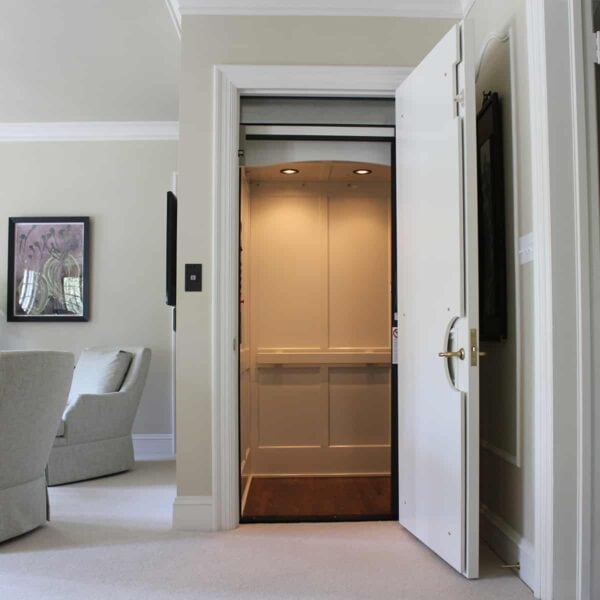
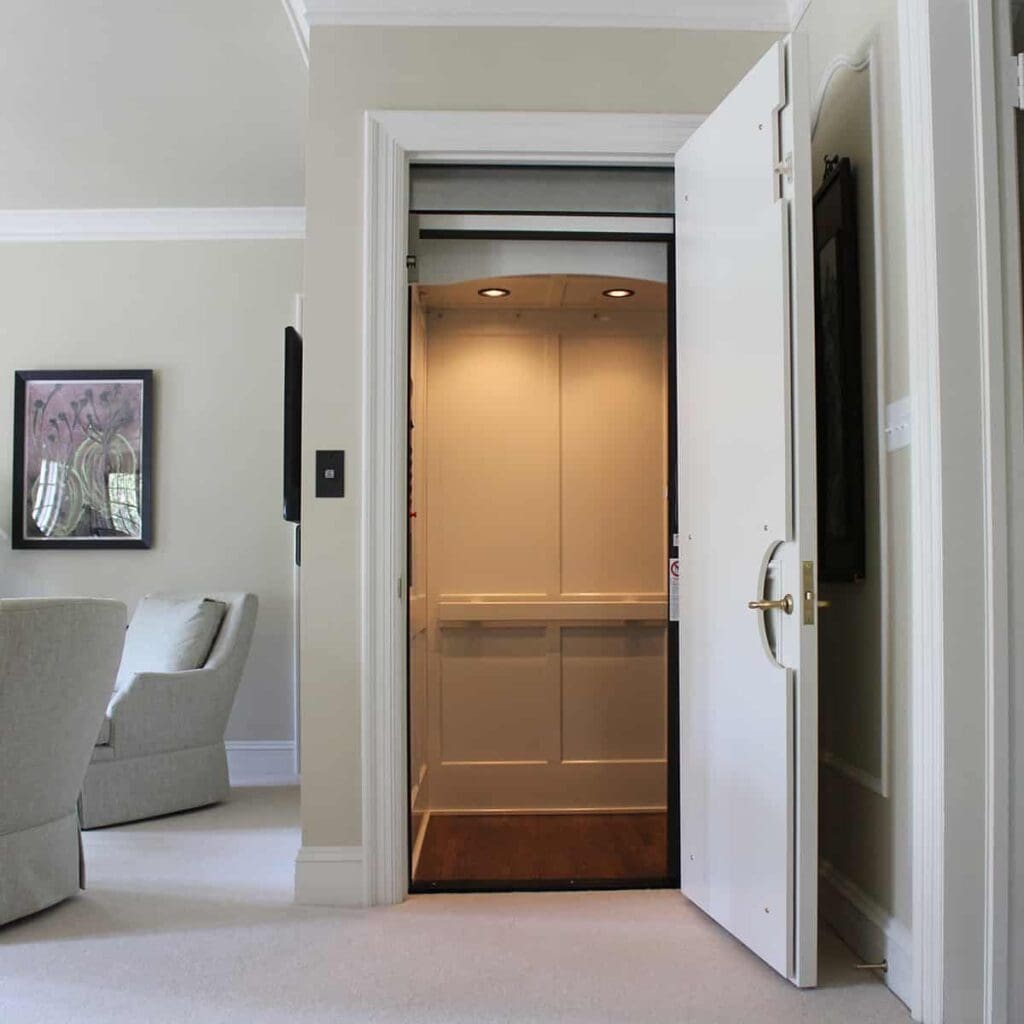
Across Lower Michigan, homeowners have embraced compact home elevators to redefine modern living spaces. For instance, a Plymouth family integrated a sleek, shaftless elevator into their two-story townhouse, reclaiming over 20 square feet that had previously been lost to staircases or bulky lifts. These elevators visually blend with minimalist interiors, often doubling as statement pieces. By selecting models with transparent or mirrored doors, some designs foster a sense of openness, making even modest rooms feel larger. Such inventive installations demonstrate how small elevators can be both functional and architecturally harmonious.
Testimonials from Homeowners
Many who have upgraded with small home elevators report dramatic lifestyle improvements. One Ferndale resident shared, “The compact elevator transformed our cramped layout, allowing easier access between levels without sacrificing usable space.” Another customer in Grand Rapids highlighted how the installation increased their home’s value beyond expectations, praising the expert guidance from Caps Remodeling in achieving a seamless fit. These firsthand accounts reflect the tangible benefits you can experience, from enhanced mobility to smarter spatial design.
Diving deeper into homeowner feedback, customer stories reveal how these elevators accommodate diverse needs—from elderly family members seeking independence to busy professionals optimizing limited square footage. The personalized installation process, backed by Caps Remodeling’s expertise, ensures each elevator suits your unique home dynamic and aesthetic. Reviews consistently emphasize reliability, quiet operation, and minimal maintenance, underscoring the practical advantages of this solution over traditional staircase options.
The Future of Home Elevators in Compact Living
Expected Trends in Design and Functionality
You can expect home elevators to become even more streamlined, featuring slimmer cabins and optimized layouts to fit into previously unusable spaces. The integration of smart technology will enhance control through voice commands and smartphone apps, thereby increasing convenience. Designs will shift towards modular, customizable systems that adapt to your home’s shape and mobility needs. Silent motors and energy-efficient drives will reduce noise and operational costs, making these elevators unobtrusive in small living environments.
The Role of Sustainability in Future Innovations
Sustainability will influence the materials and technologies used in the design of new elevator models. Advances in recyclable components and low-energy consumption motors will help reduce your home’s carbon footprint. Expect wider use of solar power integration and regenerative drives that capture and reuse energy during operation. These innovations not only benefit the environment but also lower your utility bills, aligning eco-friendliness with economic advantages.
Delving deeper, sustainability in home elevators encompasses more than energy savings. Manufacturers are exploring bio-based materials and non-toxic finishes to minimize harmful emissions inside your living space. Additionally, smart monitoring systems will optimize maintenance schedules, extending the life of your elevator and decreasing material waste in regions like Lower Michigan, where winters often demand resilient building solutions, sustainable elevators that resist corrosion and accommodate temperature fluctuations without excessive energy use are gaining popularity, making them a smart investment for long-term comfort and environmental responsibility.
Conclusion
Upon reflecting on the advantages of the smallest home elevators for space-saving installation, it becomes clear how they enhance both functionality and convenience in your home. These compact elevators optimize your living area without compromising safety or accessibility. By selecting the right model, you ensure seamless integration that is tailored to your home’s design. With expert installation services like those offered by Caps Remodeling in Lower Michigan, you can confidently upgrade your space while maintaining style and efficiency.
FAQ
Q: What are the advantages of installing a small home elevator in a limited space?
A: Small home elevators are designed to provide vertical mobility without occupying significant floor space, making them ideal for homes with limited room. They enhance accessibility, especially for elderly or disabled family members, while preserving the aesthetic and functional aspects of your living area. Additionally, these compact elevators often require less structural modification during installation, minimizing disruption and installation time.
Q: How does Caps Remodeling in Lower Michigan ensure efficient installation of the smallest home elevators?
A: Caps Remodeling specializes in customizing elevator solutions that fit seamlessly into the existing home layout. Their experienced team conducts a thorough assessment of your space to recommend the most suitable compact elevator system. They take care of all aspects, including design consultation, necessary permits, and professional installation, ensuring safety compliance and smooth operation tailored to your home’s specific needs.
Q: What maintenance is required for small home elevators to ensure long-term reliability and optimal performance?
A: Proper maintenance of a small home elevator includes regular inspection of mechanical components, cleaning of tracks and cabins, and timely servicing by qualified technicians. Caps Remodeling offers guidance on maintenance schedules and provides support services to ensure your elevator operates safely and efficiently. Routine upkeep helps prevent unexpected breakdowns and extends the lifespan of the elevator system.

Introducing Kevin Olrich, Owner of CAPS Remodeling. As a trusted expert in the field of barrier free remodeling Kevin brings a compassionate approach to create safer, more comfortable, and independent living conditions for the elderly and disabled throughout the State of Michigan. His leadership and experience is at the core of how CAPS provides the best solutions to meet the unique needs of our customers and medical professionals.