
Residential elevators — often called home lifts — are compact vertical transport systems that move people and small loads between floors. In 2025, new drive technologies and updated standards are changing how homeowners evaluate options. This guide breaks down how each elevator type works, what separates major provider categories, and how to estimate total cost of ownership so you can quickly narrow choices that suit your space, budget, and accessibility goals. If you’re unsure about installation timelines, permits, or long‑term service costs, read on: CAPS Remodeling maps types, standards, cost scenarios, and customization trade‑offs into practical comparisons. You’ll get model‑level attributes to vet options and 10‑year ownership examples highlighting energy and parts costs.
The sections below cover:
- top residential elevator provider categories and a model comparison table
- how common drive systems work and which save space
- a detailed cost breakdown and ownership scenarios
- required safety features and the role of ASME A17.1 and EN 81‑20/50
- design and customization choices
- a step‑by‑step installation timeline and permit checklist
Which residential elevator provider types lead the market in 2025?
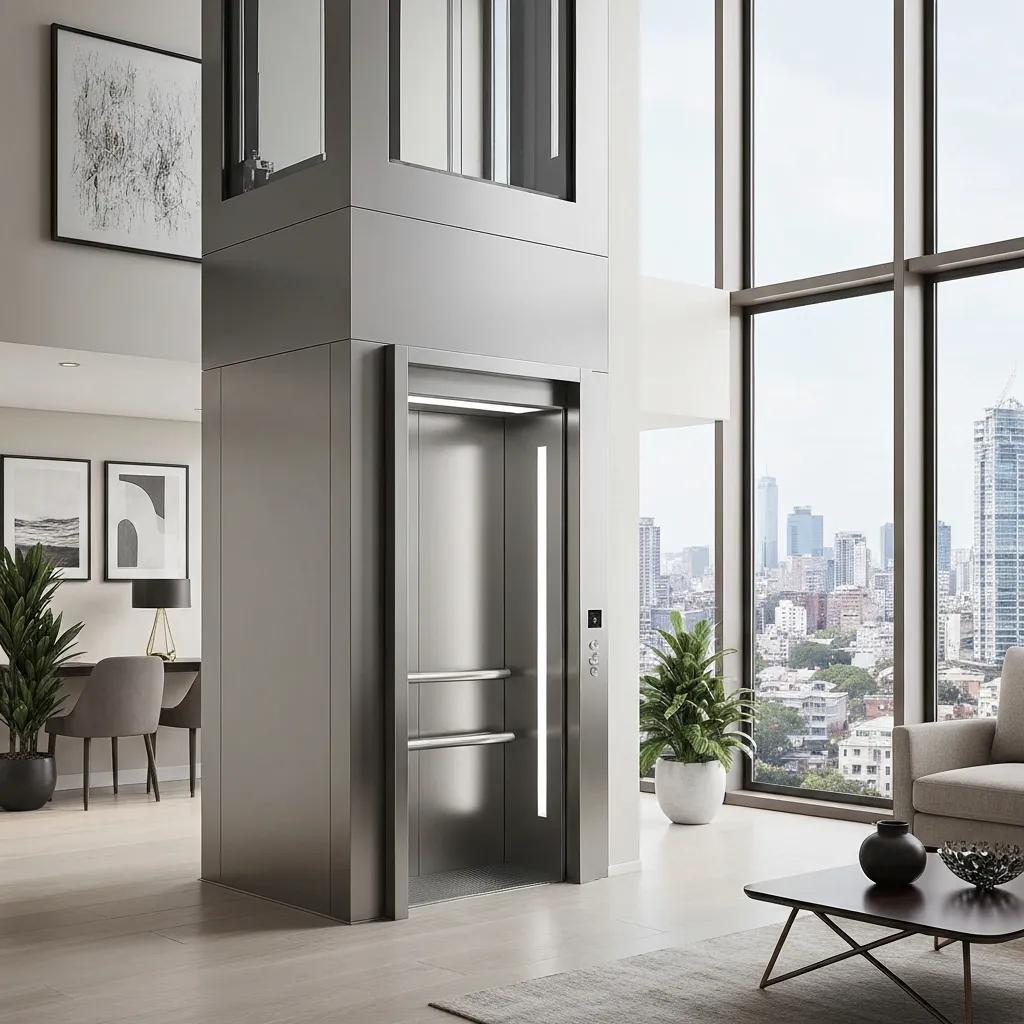
By 2025, the market groups into clear provider types: design‑forward manufacturers, accessibility‑focused suppliers, compact shaftless specialists, and modular/pneumatic innovators. Each category favors specific drive systems, footprint options, and levels of customization. The practical value of these categories is how they balance footprint, shaft needs, capacity, and warranty — the combination that determines whether a provider is best for a luxury build, a retrofit for accessibility, or a tight‑space installation. As you compare vendors, prioritize drive system, capacity, and shaft requirements, as these factors most affect installation complexity and cost. Below is a compact comparison table that highlights typical flagship attributes for each provider category so you can match them to local vendors you research next.
This table summarizes representative provider categories and their flagship attributes:
| Provider Category | Drive System | Typical Capacity | Shaft Requirement | Typical Price Range | Typical Warranty |
|---|---|---|---|---|---|
| Design‑forward provider (flagship model) | Traction / MRL | 600–900 lb | Requires shaft or compact shaftless option | $40k–$90k | 2–5 years |
| Accessibility‑focused provider (compact model) | Hydraulic / Winding drum | 500–800 lb | Often requires shaft or small pit | $30k–$70k | 1–3 years |
| Shaftless / through‑floor specialist (retrofit model) | Shaftless mechanical / Drive‑in cab | 350–600 lb | No full shaft required | $25k–$60k | 1–3 years |
| Pneumatic / modular provider (transparent cabin) | Pneumatic vacuum | 400–600 lb | No traditional shaft | $40k–$80k | 2–4 years |
Use this matrix to identify which provider category fits your constraints; next, we’ll dig into the features that set leading residential elevator lines apart and how those features map to homeowner priorities.
What features set leading home elevator providers apart?
Top providers differentiate on mechanical choices, interior options, and service commitments aligned to homeowner priorities like style, accessibility, or low‑impact retrofits. Look for cab finish variety and glazing in design‑oriented lines, compact shaftless mechanisms for retrofits, advanced control panels and remote monitoring on higher‑end models, and extended or modular warranties from accessibility vendors. When you compare suppliers, note whether they offer off‑the‑shelf modular systems or fully bespoke cabs, and whether service agreements and parts availability are bundled. Knowing these signature features helps you weigh trade‑offs between aesthetics, installation complexity, and long‑term serviceability — topics we’ll explore next with illustrative provider profiles.
How do the common provider profiles compare?
Comparing profile types — design‑oriented, legacy accessibility suppliers, and mass‑market retrofit specialists — helps match needs rather than promises. Design‑oriented firms emphasize glass cabs, smooth-traction or MRL drives, and larger cabins for luxury homes; these features suit buyers who prioritize aesthetics and speed. Accessibility suppliers favor robust hydraulic or drum systems with straightforward controls, prioritizing reliability and easier emergency servicing for mobility‑focused households. Retrofit specialists concentrate on minimal construction footprint, shaftless or pneumatic solutions, and lower installation scope for small homes and narrow stairwells. Match capacity, footprint, and expected serviceability to the provider category that best aligns with your priorities.
How do different home elevator types compare?

Home elevator drive systems — hydraulic, pneumatic vacuum, traction/MRL, shaftless mechanical, and through‑floor lifts — differ in how they convert electrical energy into vertical motion. Those differences drive trade‑offs in cost, footprint, noise, speed, and maintenance. Understanding how each mechanism behaves and what to expect over its lifecycle will help you select a system that fits your structure and daily use patterns. The subsections below summarize pros and cons for the common drive systems and highlight space‑saving options for small homes and tight retrofits.
Pros and cons: hydraulic, pneumatic, and traction systems
Hydraulic elevators use a piston and fluid reservoir to move the cab, delivering smooth, powerful motion at modest speeds. They often require a pit or machine‑room and periodic fluid and seal maintenance, so they’re a good fit for medium‑capacity residential installs that can accommodate structural work. Pneumatic vacuum elevators lift a clear cylindrical cab by controlling air pressure; they remove the need for a traditional shaft or pit and create a striking visual, but they generally offer lower capacity and slower travel speed — maintenance focuses on vacuum pumps and seals. Traction and MRL systems use ropes or belts over a drive sheave for efficient, quiet operation with higher speed and capacity; they’re common in design‑forward or luxury installations but need careful installation and routine rope/belt inspections. Each system’s maintenance schedule, energy profile, and structural needs differ, so choose based on site constraints and long‑term preferences.
Hydraulic Residential Elevators: Classifications, Economic Implications, and Durability
Hydraulic elevators are a common choice in domestic settings. They operate via a hydraulic piston that raises and lowers the elevator car. These systems are generally reliable and can be cost‑effective for low‑rise buildings. However, hydraulic elevators typically run slower than traction systems and may require more maintenance over their service life.
Which space‑saving elevator types work best in small homes?
Space‑saving choices such as shaftless through‑floor lifts, pneumatic vacuum elevators, and compact shaftless mechanical systems are usually the best fit for small houses, narrow staircases, or retrofits where a full shaft is impractical. Shaftless through‑floor lifts need only a small opening and minimal vertical structure, making them ideal for limited renovations, though cabin size and capacity are smaller. Pneumatic models eliminate a traditional shaft but come in a cylindrical form that limits some finish and payload options. For compact homes, prioritize systems that avoid deep pits or full shafts, and decide which trade‑offs — lower capacity, limited customization, or longer lead times for bespoke finishes — are acceptable.
How does cost break down by elevator type and provider?
The total cost of a home elevator includes the unit price, installation labor and materials, permitting and inspection fees, structural modifications, and ongoing maintenance — with drive system and provider category driving the biggest differences. Unit prices vary by type: shaftless and compact mechanical systems usually start lower, pneumatic and traction systems trend higher, and fully customized luxury cabs are at the top. Installation complexity — shaft construction, pit work, machine‑room creation, and electrical upgrades — can double or more the base unit cost in retrofit scenarios. The table below separates cost components and shows how type or provider category usually influences each item so you can build a realistic budget.
| Cost Component | Type / Provider Influence | Typical Value (Range) |
|---|---|---|
| Base unit price | Strongly influenced by drive system and cab customization | $25k–$90k |
| Installation labor & materials | Higher for shaft + pit construction or machine‑room builds | $10k–$50k |
| Permits & inspections | Varies by jurisdiction and compliance requirements | $500–$5k |
| Maintenance & service contracts | Depends on system complexity and frequency of service | $300–$2,000/year |
| Energy consumption | Traction and MRL generally use less energy than hydraulic systems | $50–$300/year |
This breakdown clarifies where project dollars go and shows how installation scope often eclipses the base unit price. Next we look at how installation and upkeep shape long‑term ownership costs.
How do installation and maintenance influence lifecycle costs?
Installation complexity is a major driver of upfront costs and can increase long‑term ownership expenses because structural work incurs one‑time capital costs and may lead to future repair needs. For example, adding a shaft and pit for a retrofit incurs masonry, framing, and finishing costs that a shaftless option avoids, raising the break‑even point for future replacement or upgrades. Maintenance frequency varies by drive system: hydraulic seals and fluid checks, traction rope inspections, and vacuum‑pump servicing for pneumatic units. Those recurring costs accumulate across a 10–15 year component lifecycle. The running total cost of ownership (initial investment plus 10 years of maintenance, parts, and energy) helps homeowners choose the most economical path for their expected use and resale horizon.
What price ranges separate luxury and standard home elevators?
Standard home elevators tend to offer basic cab finishes, limited customization, and a moderate warranty, placing them in a lower price band. Luxury elevators feature premium materials, glass walls, bespoke designs, higher speeds, and advanced controls and monitoring, which increase base and installation costs. Typical market bands include entry‑level retrofit solutions with low structural impact, mid‑range models with broader finish options, and luxury builds that often require bespoke structural work and high‑end interiors. Custom options—full glass, premium veneers, advanced controls—can quickly increase price and lead time, so set a firm budget and prioritize a few finish elements that deliver the most value for your project. The right band depends on desired aesthetics, required capacity, and acceptable installation complexity.
Which safety features should you insist on for a residential elevator?
Key safety features for home elevators include an emergency stop, door interlocks, battery‑powered emergency descent, obstruction detection, and remote alerts. Standards such as ASME A17.1 and EN 81‑20/50 set minimum safety and inspection requirements that affect installation and permitted features. Build redundancy into the spec — battery backup plus manual lowering, robust interlocks, and local alarms — to reduce entrapment risk and increase peace of mind for multi‑generational households. Some providers offer remote monitoring and predictive maintenance that reduces downtime but may add ongoing service costs. The table below links safety features to their purpose, relevant standards, and which systems commonly include them so you can identify non‑negotiables during shortlisting.
| Safety Feature | Why It Matters / Standards | Typical Systems Offering It |
|---|---|---|
| Emergency stop | Prevents uncontrolled movement; required by standards | Most traction and hydraulic models |
| Interlocks on doors | Prevents door opening when not at landing; ASME/EN referenced | All compliant models |
| Battery backup / emergency descent | Enables safe descent during power loss | Common on traction, some hydraulic and shaftless systems |
| Obstruction detection | Prevents entrapment and damage | Increasingly common across types |
| Remote monitoring / alerts | Speeds fault response and maintenance | Offered by higher‑end providers |
Use this mapping to decide which safety features are essential for your household; next, we’ll cover how standards influence compliance and vendor selection.
How do standards such as ASME A17.1 affect elevator choice?
ASME A17.1 and EN 81‑20/50 codify safety, inspection, and performance requirements for passenger elevators. Compliance shapes allowed installation methods, inspection intervals, and which emergency systems must be present. Meeting these standards usually requires documented plans, periodic inspections, and installer certifications — adding permit steps and inspection fees to the timeline. When evaluating providers, ask for clear evidence of compliance practices, typical inspection schedules, and the documentation they’ll hand over at completion to ensure your installation meets local authorities’ expectations. Addressing standards early avoids mid‑project surprises and helps ensure the elevator will be insurable and serviceable over time.
Which provider categories tend to include advanced safety packages?
Rather than hunting for brand names, focus on provider categories that prioritize advanced safety: higher‑end suppliers and those serving multi‑resident applications often include remote diagnostics, predictive alerts, dual‑redundant controls, and battery‑powered emergency descent as standard or optional packages. Shaftless and retrofit providers may offer simplified but compliant safety suites emphasizing interlocks and emergency descent without the telematics of luxury lines. When shortlisting, confirm which safety features are included versus optional, and factor in the long‑term cost and availability of service contracts that cover emergency response and periodic inspections. Choosing a provider whose safety offering matches your household risk profile lowers operational risk and lifecycle cost.
How much customization can I expect from different providers?
Customization ranges from simple color and panel choices to fully bespoke cabs with premium materials, glass walls, and designer lighting. Provider categories differ in how much they offer off‑the‑shelf versus made‑to‑order. Design‑oriented manufacturers support extensive glazing, integrated lighting schemes, and custom controls to match interiors, while retrofit specialists limit customization to shorten lead times and reduce cost. Custom finishes add time and price — highly bespoke cabs can add weeks to manufacturing and meaningful expense compared with standard options. Below we list common finishes and door types and describe how providers typically integrate elevators into modern homes.
Popular cab finishes and door types
Common cab finishes include stainless steel, wood veneer panels, laminate, and full‑height glass walls; each has trade‑offs in durability, upkeep, and perceived luxury. Door types include automatic sliding, bi‑parting, and manual swing doors for through‑floor lifts — automatic sliding doors are standard for enclosed shafts to meet interlock requirements. Accessibility options add wider openings, textured slip‑resistant flooring, and handrails; these choices affect both cost and installation tolerances. Pick finishes and door mechanics that suit daily use, cleaning habits, and your home’s design to avoid expensive rework after installation.
The list below explains how finish and door choices influence homeowner decisions:
- Stainless Steel Finish: Durable and low maintenance; common in higher‑traffic installations.
- Wood Veneer Finish: High aesthetic appeal but requires care for moisture and scratches.
- Full Glass Cab: Bright, open feel but usually raises cost and limits privacy options.
- Automatic Sliding Doors: Standard for enclosed shafts and required for interlock compliance.
Locking in materials early in procurement shortens lead times and helps installers estimate finish work precisely, which leads into how providers blend elevators into a home’s interior.
How do providers integrate elevators seamlessly into modern homes?
Manufacturers use shaftless options, through‑floor lifts, and compact machine‑room profiles to keep elevators discreet in contemporary interiors, enabling installations in tight urban lots or in conservation‑grade homes where a visible shaft would be unsuitable. Successful integration requires coordination between supplier, architect, and builder: early site surveys and finish mockups reduce mismatches and structural surprises. For retrofits, modular systems with prefabricated components minimize on‑site construction and speed finishing to match adjacent spaces. Choose a provider that offers clear finish templates and installation coordination to reduce delays and ensure the elevator feels like a planned interior element rather than an afterthought.
What does a typical installation process and timeline look like?

Installations generally follow five phases: site survey and requirements, permit and plan submission, structural work (shaft, pit, or floor opening), unit installation and commissioning, and inspection/certification. Each phase depends on the previous one, so schedule and permitting affect the calendar. Timelines vary by type: pneumatic and shaftless installs move fastest with limited structural work; hydraulic and traction systems that need shafts or pits take longer because of masonry and mechanical work. Custom cabs and long‑lead parts add weeks. Coordinating finishes and inspections early reduces overall time. The subsections below outline typical structural and permit needs and provide timeline ranges for different elevator types so you can plan renovations and contractor schedules accurately.
What structural modifications and permits are typically required?
Structural work depends on the system: machine‑room installations may need a dedicated space and floor reinforcement; shaft‑based systems require a vertical shaft and sometimes a pit; shaftless or through‑floor lifts usually need only a floor opening and local reinforcement. Electrical work — dedicated circuits, emergency power wiring for battery backups, and control wiring — is common across all types and should be planned with an electrician during the site survey. Permits often include building permits for structural changes, elevator/mechanical permits, and final inspection sign‑offs tied to standards like ASME A17.1 or EN 81‑20/50; local requirements vary, so consult authorities and your installer early. Supplying accurate as‑built drawings and specifying inspection intervals reduces rework and permit delays and helps keep the schedule on track.
The permit and structure checklist:
- Site survey and load‑bearing assessment: Confirms whether floor reinforcement or a shaft is possible.
- Building and elevator permits: Submitted with manufacturer and engineering documentation.
- Electrical and control wiring plan: Ensures dedicated circuits and backup capability.
- Final inspection and certificate of operation: Required before routine use.
Commissioning tests and a formal handover typically follow these steps to confirm compliance and operational readiness.
How long does installation take for each elevator type?
Timelines range from a few days for simple through‑floor or shaftless units with minimal finishing, to several weeks for pneumatic elevators, to multiple weeks or months for hydraulic or traction systems that need shaft construction, machine‑room work, and bespoke cab finishes. Typical ranges: shaftless/through‑floor installs often require 3–7 working days of on‑site work plus finish time; pneumatic installs commonly need 2–4 weeks including delivery and commissioning; hydraulic or traction systems requiring shafts and pits usually need 4–12 weeks for complete delivery, installation, and inspection. Permit delays, bespoke finishes, and coordinating other trades can extend schedules, so build contingency time into renovation plans. After installation, commissioning and final inspection usually take several additional days before the system is certified for regular residential use.
Frequently Asked Questions
What are the maintenance requirements for home elevators?
Maintenance depends on the drive system but always includes regular inspections and servicing. Hydraulic systems need fluid and seal checks, traction systems require rope or belt inspections, and pneumatic elevators focus on vacuum‑pump servicing. Schedule at least annual maintenance with a qualified technician to catch wear before it becomes a safety issue. Many providers sell service contracts that cover routine maintenance and emergency repairs, which can simplify budgeting and help maintain compliance with safety standards.
How do I choose the right home elevator for my needs?
Start by defining space constraints, capacity needs, and design preferences. Match those requirements to a drive system — hydraulic, pneumatic, or traction — and check whether your site can accommodate a shaft or pit. Consider customization options like cab finishes and door types that fit your home’s style. Finally, consult a reputable installer early: a professional site survey will clarify structural work, permit needs, and realistic costs so you can choose an elevator that meets both function and aesthetics.
What are the energy consumption differences among elevator types?
Energy use varies by system. Traction and MRL systems typically use less energy than hydraulic units, which require more power for fluid movement. Pneumatic elevators tend to be energy‑efficient because they rely on air pressure. Consider energy efficiency as part of total cost of ownership — lower consumption reduces utility impact over time and can affect long‑term operating costs.
Are there financing options available for purchasing home elevators?
Yes. Many manufacturers and suppliers offer financing, such as installment loans, leasing, or third‑party lender partnerships. Terms and interest rates vary, so compare offers. Also investigate local programs or grants for accessibility modifications — these sometimes help offset costs for homeowners making mobility improvements.
What should I know about warranties and service agreements?
Warranties and service agreements protect your investment. Warranties commonly cover parts and labor for one to five years. Service agreements can include routine maintenance checks, emergency repairs, and parts replacement. Read the fine print: note what’s covered, any exclusions, response times for emergencies, and the cost of optional extensions so the agreement aligns with your long‑term ownership plan and budget.
How do I ensure compliance with local building codes for home elevators?
Local code requirements vary — check with your building department and the installer early. Expect to submit detailed plans and manufacturer documentation for permits and inspections, and ensure the proposed system meets recognized standards like ASME A17.1 or EN 81‑20/50 where applicable. Proper documentation and timely communication with authorities reduce approval delays and help prevent rework.
What are common challenges during home elevator installation?
Common issues include unexpected structural conditions, permit delays, and coordinating multiple trades. Depending on the system, you may need shaft construction or floor reinforcement. To avoid setbacks, hire experienced professionals early, schedule permit applications promptly, and keep open communication among supplier, contractor, and inspector throughout the project.
A well‑chosen home elevator improves accessibility, daily convenience, and often adds value to a property. Understanding drive systems, true costs, safety requirements, and customization trade‑offs equips you to choose the right solution for your home. Use this guide to narrow provider categories, ask targeted questions during shortlisting, and partner with experienced installers to ensure a smooth project. When you’re ready, consult local vendors for site surveys and written estimates to move from planning to installation.
 Madison Heights, MI