
Handicap Bathroom Remodeling: An Essential Guide for Aging in Place Bathroom Design
May 28, 2025
Stairlifts: Should I Buy New or Used?
June 12, 2025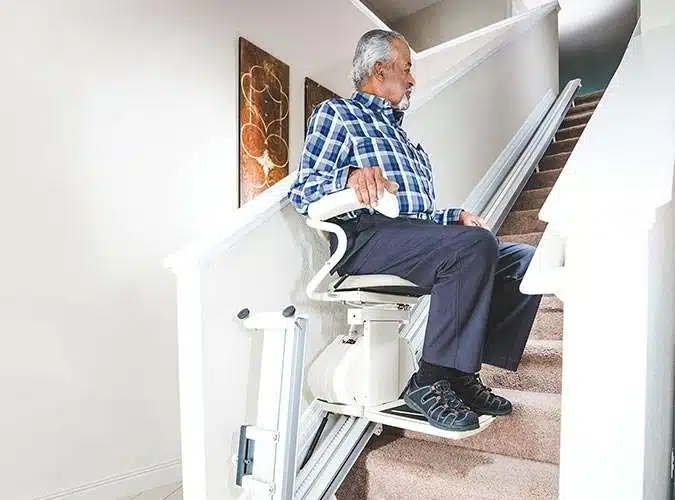
It’s common to wonder if your home’s layout can support a stairlift installation, especially when mobility is a concern. Fortunately, most homes are well-suited to accommodate stairlifts, offering a safe and practical way to navigate stairs without major renovations. By assessing factors like space availability, staircase design, and your specific mobility needs, you can make an informed decision that enhances your ability to age comfortably in place. This guide is designed to help you understand what to consider when exploring stairlift options for your home with confidence.
Key Takeaways:
- Most multi-level homes can accommodate stairlift installation, offering an accessible and safer way for seniors or individuals with mobility challenges to navigate stairs.
- Stairlifts require less space and home modification compared to residential elevators, making them a more practical and cost-effective solution for many households.
- Professional assessment and personalized recommendations ensure that stairlift installations fit seamlessly with your staircase design and specific mobility needs, enhancing both safety and comfort.
Evaluating Your Home’s Stairlift Compatibility
Determining whether your home can support a stairlift involves examining key factors, such as the specific mobility challenges you face, the available space around your staircase, and the unique design of your stairs. Most multi-level homes with typical staircases easily accommodate stairlifts, offering a safer and more accessible way to navigate between floors without major renovations. Understanding these elements helps ensure you select a stairlift that fits seamlessly into your home’s layout while meeting your personal mobility needs.
Identifying Specific Mobility Needs
Focus on the individual’s ability to manage stairs independently—do they have difficulty climbing but can walk comfortably on flat surfaces? Those who struggle with stairs but maintain reasonable upper body strength often benefit most from stairlifts. Considering factors like balance, grip strength, and endurance helps tailor the ideal solution, providing both safety and independence without unnecessary complexity.
Analyzing Space Availability and Constraints
Evaluating the physical space around the staircase is important. Straight staircases typically require 10-12 inches of clearance along the wall for stairlift rails, while curved or custom stairs may need precise measurements to fit rail bends properly. Unlike elevators, stairlifts use minimal space and don’t require new shafts or major structural changes, preserving your home’s floor plan and maximizing functionality within existing confines.
It is helpful to inspect elements such as nearby doors, hallway widths, and landing areas to ensure that stairlift installation won’t obstruct daily movement. For example, narrow staircases with a width of less than 36 inches may require specialized slim-profile lifts. Additionally, areas with limited electrical outlets may require planning for the installation of a power source. Accounting for these constraints early prevents surprises later and optimizes your home’s usability.
Understanding Staircase Design Variability
Staircases come in various shapes—straight, curved, spiral, or with intermediate landings—each affecting stairlift compatibility. Straight rail models install most quickly, while curved or multi-landing stairlifts require custom rails fabricated to the staircase’s contours. Identifying your staircase type helps determine both installation complexity and cost, enabling a solution that fits perfectly and functions smoothly.
Curved staircases present a common design challenge; the rail must follow every curve and landing precisely, often extending manufacturing times by several weeks. Spiral stairs or open-riser designs may restrict certain seating options, but they can still accommodate lifts with modifications. Detailed measurements and professional assessments ensure that your chosen stairlift integrates naturally with the staircase’s dimensions and style, enhancing both aesthetics and safety.
Tailored Stairlift Solutions to Fit Unique Home Layouts
Your home’s staircase is one-of-a-kind, and so should be your stairlift solution. From straight runs to complex curves, your stairlift can be customized to fit snugly without compromising space or style. This tailored fitting ensures maximum safety and comfort while maintaining your home’s aesthetic. Whether you have narrow staircases or unusual stair angles, there are options designed to match your exact layout, letting you enjoy seamless accessibility without major renovations.
Customizing Design for Different Architectural Styles
Stairlifts can be crafted to complement a variety of architectural styles, from traditional to modern. Options include various rail finishes, such as wood grain, brushed metal, or subtle matte tones, as well as seat materials that complement your home’s décor. This approach enables your stairlift to blend seamlessly into your space, rather than feeling intrusive, while providing both functionality and a polished appearance that respects your home’s character.
Innovative Stairlift Technologies for Challenging Spaces
Advanced stairlift technologies have made it possible to install lifts in homes with tight corners, winding staircases, or limited landing areas. Features like foldable seats and rails that hug the wall closely ensure that even the most compact or irregular staircases can accommodate a safe, effective lift. Motorized swivels and slim profiles optimize space while maintaining ease of use.
Some of the latest stairlift models feature L-shaped rail systems and dual-rail designs, providing extra stability during sharp turns. Additionally, compact folding mechanisms can reduce the lift’s footprint by up to 50%, allowing you to preserve valuable stair width for other household members. These innovations mean you don’t have to compromise on safety or convenience, even in the trickiest of home layouts.
Validating Your Decision: Common Concerns Addressed
Questions about cost, maintenance, and appearance frequently arise when considering stairlift installation. Stairlifts tend to be far more affordable upfront than residential elevators, with installation typically requiring minimal changes to your existing home. While there are ongoing maintenance costs, these remain reasonable, especially compared to elevator upkeep. Professional advice ensures you won’t overspend on features you don’t need, allowing you to invest confidently in a stairlift that meets your unique mobility needs and complements your home’s design.
Safety Features and User Support
Modern stairlifts feature a range of safety measures, including seatbelts, obstruction sensors, and swivel seats that lock into place for easier exits. Battery backups allow use during power outages, so you won’t be stranded mid-staircase. Many models come equipped with intuitive controls and remote operation, providing user-friendly support tailored to your comfort and security throughout daily use.
Maintenance and Long-term Cost Considerations
Routine maintenance for a stairlift usually involves periodic lubrication, battery checks, and safety inspections, which can be completed annually or biannually by trained technicians. This service plan ensures your lift operates smoothly and helps identify potential issues early, preventing costly repairs down the line. Factoring in these manageable costs over time helps paint a clearer picture of your total investment.
Beyond basic servicing, you should anticipate battery replacement approximately every 3 to 5 years, typically costing a few hundred dollars. Mechanical parts are designed to last in the long term, often backed by warranties that cover major components. Compared to elevators, stairlifts have lower insurance and repair expenses, making them a practical choice for dependable, everyday mobility support without straining your budget.
Navigating the Installation Process: What to Expect
Your stairlift installation begins with a thorough evaluation of your staircase and mobility needs, followed by carefully scheduled appointments designed to minimize disruption. Most installations take just a few hours, during which the stairlift rail is securely mounted with minimal impact on your staircase’s structure. Technicians ensure that all electrical connections are safely handled and then thoroughly test the unit. Post-installation, you’ll receive a detailed walkthrough of operation and safety features, along with information on maintenance and support to keep your stairlift running smoothly over time.
Pre-installation Consultations and Assessments
A specialized consultant visits your home to measure your staircase’s dimensions and assess your mobility requirements in person. They’ll evaluate factors such as stair shape, width, and any potential obstructions while discussing your daily routines to recommend the best stairlift model for you. This personalized approach helps avoid surprises during installation and ensures the chosen solution fits your home and lifestyle perfectly, often saving time and expense in the long run.
Seamless Integration with Home Aesthetics
Stairlifts today come in a variety of finishes and styles, allowing you to match your home’s décor without standing out. Whether your staircase is classic wood or modern metal, customized upholstery and track colors blend in subtly, preserving your home’s look while enhancing functionality. Designers can also trim rails carefully near landings or corners, maintaining clean lines and maximizing space.
Beyond simple color matching, installation experts often configure stairlifts to conform to the unique curves or angles of your staircase, thereby maintaining the architectural integrity of your home. For example, on a curved wood banister, the rail can be custom-formed to follow the contours precisely, making the lift feel like a natural extension rather than an add-on. In open-plan homes, discreet mounting brackets minimize visual impact by securing rails close to the wall, thereby minimizing the visual impact. Such attention to detail not only maintains aesthetics but also maximizes the safety and comfort of daily use, ensuring your stairlift complements both your living space and your mobility needs.
Summing up
To wrap up, if you’re wondering whether your home can handle stairlift installation, the answer is most likely yes. By assessing your mobility needs, available space, and staircase design, you can find a solution that fits your home and lifestyle. Stairlifts provide a safe, accessible, and cost-effective way to maintain independence in a multi-level home. Consulting with professionals ensures you receive personalized recommendations and a smooth installation process, helping you confidently age in place with convenience and peace of mind.
FAQ
Q: How can I determine if my home is suitable for stairlift installation?
A: To assess if your home can accommodate a stairlift, start by evaluating the specific mobility needs of the individual who will be using it. If the person can walk on flat surfaces but struggles with stairs, a stairlift is often an excellent solution. Next, examine the staircase itself—stairlifts require a dedicated staircase and enough space along the steps for installation. Unlike home elevators, stairlifts don’t need additional structural modifications like an elevator shaft, so most multi-level homes are compatible with stairlift installation.
Q: What types of staircases can a stairlift be installed on?
A: Stairlifts are designed to fit a wide variety of staircase types, including both straight and curved stairs. Installation specialists can customize the stairlift track to match the exact shape and dimensions of your staircase, ensuring a seamless fit that blends in well with your home’s design. Whether your staircase has landings, turns, or narrow spaces, modern stairlifts offer flexible configurations to accommodate these features without major home renovations.
Q: What are the maintenance and cost considerations for stairlifts compared to home elevators?
A: Stairlifts usually have a lower upfront cost compared to residential elevators and require less invasive installation work. While there are ongoing maintenance needs such as battery replacements and periodic servicing, overall maintenance costs tend to be quite reasonable. Additionally, stairlifts provide a cost-effective mobility solution for individuals seeking to remain safely in their homes. Professional providers can guide you through pricing details and help create a maintenance plan tailored to the specific stairlift model you choose.

Introducing Kevin Olrich, Owner of CAPS Remodeling. As a trusted expert in the field of barrier free remodeling Kevin brings a compassionate approach to create safer, more comfortable, and independent living conditions for the elderly and disabled throughout the State of Michigan. His leadership and experience is at the core of how CAPS provides the best solutions to meet the unique needs of our customers and medical professionals.