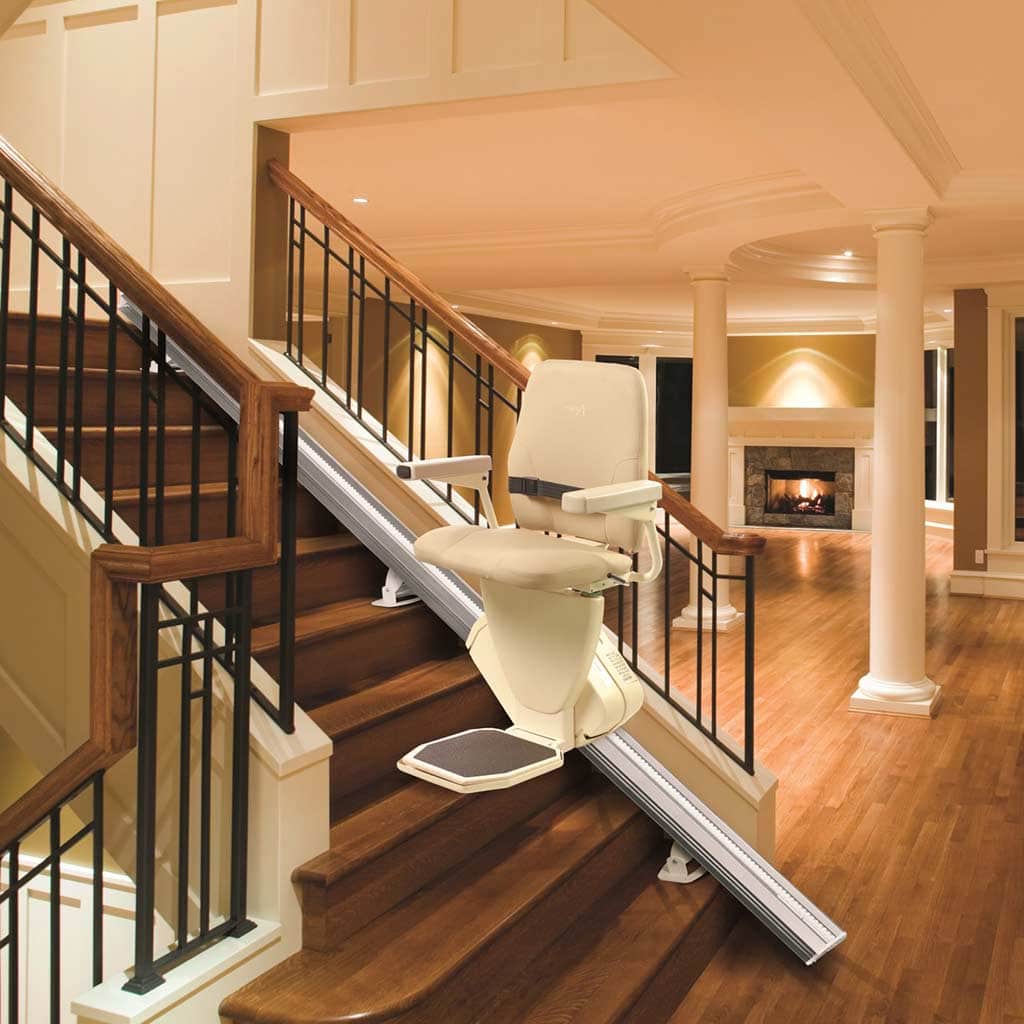
Stair Lifts for Madison Heights Homes: Comfort, Control, and Confidence
February 27, 2026
Wheelchair Ramp Rentals in Madison Heights: When Temporary Access Makes Sense
March 16, 2026
Your entryway sets the tone for how easy it is to move in and out of your home every day. For many families, the front step, garage threshold, or side entrance may not seem like a major issue at first. But over time, even a small barrier can turn into a daily struggle.
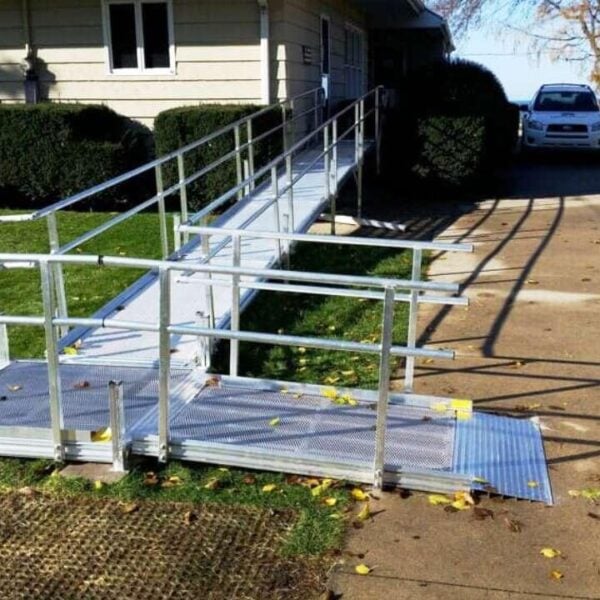
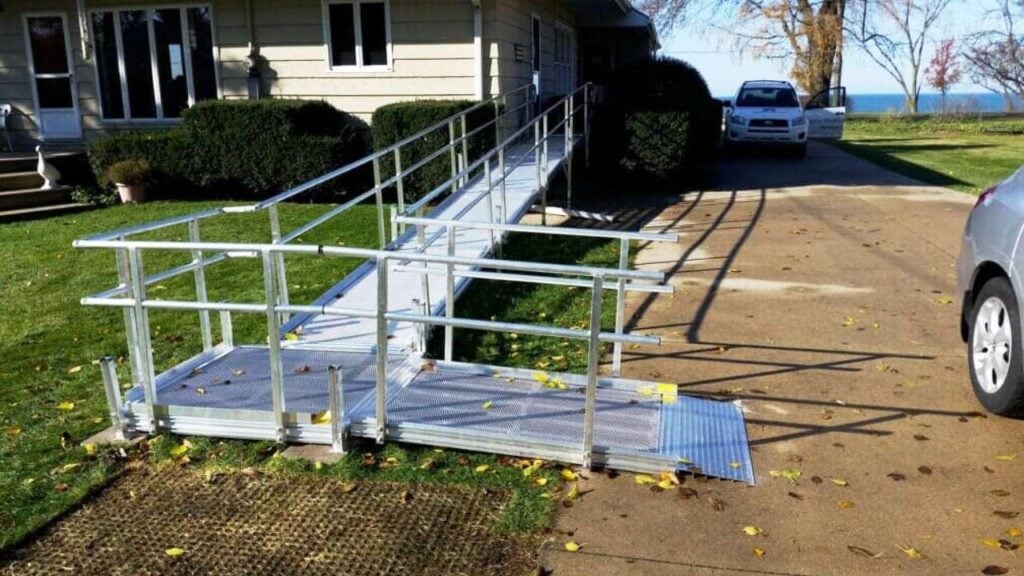
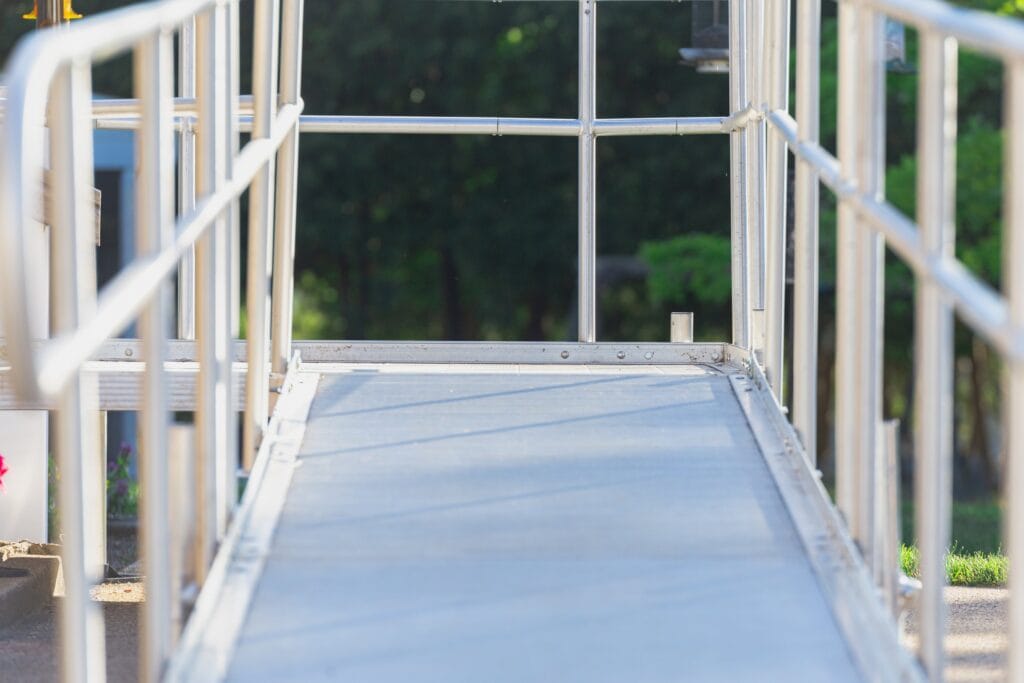
That is often when homeowners begin thinking about wheelchair ramp installation in Madison Heights.
An upgraded entryway is not only about adding a ramp. It is about making the home easier to use, safer for day-to-day movement, and more comfortable in the long term. Whether the need is tied to aging in place, recovery after surgery, a new wheelchair or walker, or a change in mobility, the right timing matters.
If you wait too long, the home can become harder to navigate than it needs to be. If you plan, you can create a smoother transition and avoid rushed decisions.
This guide walks through the most common signs that it may be time to upgrade your entryway, what to think about before starting, and how a well-planned ramp can support safer access at home.
Why do entryways become a problem faster than expected
Many homes were not originally built with accessibility in mind. A few stairs at the front porch, a raised threshold, or a narrow landing may not stand out until mobility changes.
That shift can happen gradually or all at once.
Sometimes a family starts noticing that getting in and out of the house takes more effort than before. Other times, the issue becomes obvious after a hospital discharge, an injury, or a move from cane use to wheelchair use. Even a small barrier affects daily life in a big way.
The entryway is one of the most used areas of the home. It is where residents leave for appointments, return with groceries, welcome visitors, and handle routines that should feel simple. If access at that point feels unstable, awkward, or stressful, the rest of the home may not feel fully usable either.
That is why wheelchair ramp installation in Madison Heights often becomes one of the first upgrades families consider.
Sign #1: One or two steps are now limiting safe access
Many homeowners assume a ramp is needed only when there is a full flight of stairs. In reality, even one or two steps can become a serious obstacle.
A single step can be difficult for someone using a wheelchair, a transport chair, a walker, or a rollator. It can also become unsafe for a caregiver helping with transfers. Repeated lifting, uneven footing, and awkward movement at doorways increase the risk of strain or falls.
If your entry requires someone to pause, reposition, or ask for help each time they enter or leave, that is a clear sign the space may need attention.
A ramp can turn that stopping point into a smoother path. Instead of treating the entrance like a challenge to manage, the home begins to work with the resident’s needs.
Sign #2: A temporary solution is no longer enough
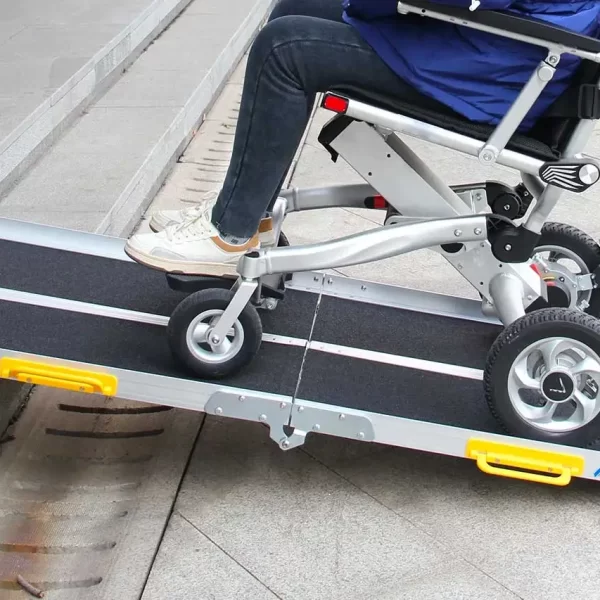
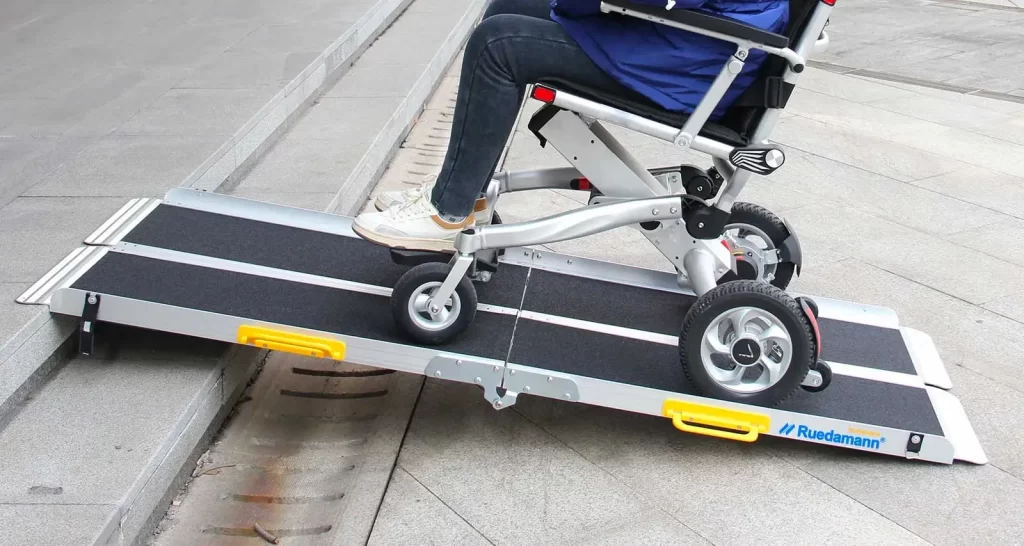
Some families begin with a short-term fix. That may include portable ramps, makeshift boards, repeated assistance from a family member, or using a less convenient entrance because it feels easier than the front door.
At first, that may seem practical.
But temporary solutions have a way of becoming permanent habits, even when they are not the best option. If the current setup feels unstable, inconvenient, or difficult in bad weather, it may be time to replace the workaround with a proper upgrade.
This is especially true when the person using the space depends on access every day. A home entrance should not require guesswork. It should feel dependable in the morning, after dark, during rain, and through changing seasons.
When the quick fix starts causing stress rather than solving the issue, it is usually time to consider a better long-term plan.
Sign #3: Mobility needs are changing
One of the biggest reasons families schedule wheelchair ramp installation in Madison Heights is that mobility needs are changing.
Someone may have started with minor balance concerns and now needs a walker. A family member recovering from surgery may need support for months longer than expected. A resident who once managed with help may now want more independence in entering and leaving the home.
These changes are common and do not always follow a neat timeline.
Waiting until access becomes urgent can make the process feel rushed. Planning earlier gives you more room to think through the best entry point, ramp size, materials, layout, and surrounding features.
A ramp is often most helpful when it is installed before the home becomes difficult to use, not after every trip outside has already become a strain.
Sign #4: Caregivers are doing too much lifting or support
An entryway may technically be usable while still being physically demanding for everyone involved.
If a spouse, adult child, or caregiver has to brace, lift, guide, or steady someone every time they cross the doorway, the setup is not working as well as it should. That kind of repeated effort can lead to exhaustion and injury for both people.
A ramp can reduce the need for manual lifting and improve movement at a point where falls often happen. It can also make it easier to get to appointments, family outings, or simply enjoy time outside without turning the doorway into a major event.
When caregiving at the entrance feels harder than it used to, that is often a sign that an upgrade should move higher on the priority list.
Sign #5: Weather is making the entryway harder to use
In Madison Heights, homeowners know that outdoor surfaces can change quickly with rain, snow, ice, and falling temperatures.
An entrance that already feels awkward in dry conditions may become far more difficult in poor weather. Slippery steps, uneven concrete, narrow landings, and steep transitions can all add stress to the process of getting in and out safely.
That does not mean every home needs the same type of ramp design. It does mean the weather should be part of the decision. A ramp should be planned with stability, traction, drainage, and ease of use in mind.
If you have noticed that certain seasons make the entrance much less manageable, it is a strong reason to start planning now rather than waiting for another difficult winter or rainy stretch.
Sign #6: The “best” entrance is not the one you want to use
Many homes have more than one possible access point.
Sometimes the front door has steps, so the household uses the garage. Other times, the side door is less steep, but it is farther from the driveway or lacks enough room to move comfortably. In some cases, families use whichever entrance seems least difficult, even though it is not the most practical.
That can work for a while. But when the home’s main access route no longer matches how you actually want to live, it may be time to upgrade.
A ramp can help restore convenience. Instead of planning your day around the least difficult path, you can create a better path.
That matters more than many people expect. Good access is not only about safety. It also supports dignity, routine, and independence.
Sign #7: You are planning for aging in place
Not every ramp project begins with an immediate mobility issue.
Some homeowners plan because they want the home to remain usable over time. They know that a safe entryway can become an important part of aging in place, even if current mobility is still fairly strong.
This kind of planning often leads to better results because the project can be approached calmly. You can think through the layout, pick the right entrance, and make decisions based on long-term use instead of immediate pressure.
If staying in your home is the goal, entry access should be one of the first areas to review.
What to think about before moving forward
Not every ramp belongs in the same place or should be built the same way. The right solution depends on how the home is laid out and how the space will be used.
Before moving ahead, it helps to think through a few practical questions.
Which entrance makes the most sense?
The best entry point is not always the front door. A side or garage entrance may allow for a smoother layout, more landing space, or easier access from the driveway.
How much space is available?
Ramp planning depends heavily on space. A safe layout needs enough room to create a usable path without forcing tight turns or awkward transitions.
Who will be using the ramp?
A person using a manual wheelchair may need something different from someone using a power chair, walker, or transport chair. Caregiver support matters too.
How often will it be used?
Daily use calls for a strong, dependable layout that works in all kinds of conditions.
Are other entry updates needed?
Sometimes the ramp is only one part of the solution. Handrails, threshold adjustments, lighting, or changes to the landing area may also improve safety and ease of use.
Why proper ramp planning matters
A ramp should not feel like an afterthought. It should feel like part of a safer entrance.
Proper ramp planning matters because usability depends on much more than adding a slope. Length, rise, surface, transitions, and landings all affect how safe and comfortable the entry will feel.
That means a well-planned ramp can support smoother movement, while a poorly planned one may still feel difficult to use.
For homeowners, the main takeaway is simple: a ramp should be designed around real use, not just installed as a quick add-on.
How an upgraded entryway changes daily life
When people think about accessibility upgrades, they often focus on the physical feature itself.
But the real benefit shows up in the routine.
A better entryway can make it easier to leave for a doctor visit without stress. It can make coming home with groceries feel less complicated. It can reduce the need to call someone over for help with every trip outside. It can help a resident feel more comfortable welcoming guests or enjoying time on the porch, in the yard, or around the neighborhood.
Those daily moments are where the value of wheelchair ramp installation in Madison Heights becomes most clear.
The goal is not only to make the home accessible on paper. The goal is to make the home easier to live in.
Why waiting can create bigger problems
Many homeowners delay ramp planning because they are unsure whether the need is serious enough yet.
That hesitation is understandable.
But in many cases, the issue persists. It becomes more frustrating with time. The household keeps adjusting around the barrier, and what should be a simple entrance keeps demanding more effort.
Waiting can also shrink your options. If a health change becomes urgent, you may have less time to think through the best design and placement.
Acting earlier often means a better project and a less stressful process.
If the signs are already there, even in small ways, it makes sense to start looking at the entryway now.
Choosing a local team for the project
Home access upgrades should feel practical, thoughtful, and aligned with how the resident actually lives.
That matters because entryway planning is rarely isolated from the rest of the home. A ramp may be the first project, but it is often part of a bigger effort to improve comfort and mobility throughout the property.
Working with a team that understands accessibility-focused remodeling can help the entrance function more effectively as part of the overall home setup.
An entryway upgrade is often one of the most important changes a homeowner can make to improve safety.
If steps are becoming harder to manage, temporary fixes are no longer working, the weather is making the entrance unsafe, or mobility needs are shifting, this may be the right time to consider wheelchair ramp installation in Madison Heights.
The best time to plan is usually before the barrier becomes a daily problem.
A well-designed ramp can support safer movement, reduce caregiver strain, and make the home feel easier to use again. More than anything, it can turn the entrance back into what it should be: a simple way in and out of the house.
FAQs
1. When should I start thinking about wheelchair ramp installation in Madison Heights?
You should start when steps, thresholds, or uneven entry access begin making daily movement harder or less safe. It is often better to plan before the need becomes urgent.
2. Is a wheelchair ramp only needed for full-time wheelchair users?
No. Ramps can also help people using walkers, rollators, or transport chairs, as well as those recovering from surgery. They may also reduce strain for caregivers assisting with entry.
3. Can a ramp be added to any entrance?
Not every entrance is the best fit, but many homes have at least one access point that can be evaluated for a safer ramp layout. The right choice depends on space, slope, and daily use.
4. Why is professional ramp planning important?
Ramp usability depends on layout, slope, surface, and transitions. Proper planning helps the entrance feel safer and easier to use over time.
5. What other upgrades may be helpful with a new ramp?
Depending on the home, handrails, threshold changes, landing improvements, lighting, or other accessibility updates may improve the full entry setup.

Introducing Kevin Olrich, Owner of CAPS Remodeling. As a trusted expert in the field of barrier free remodeling Kevin brings a compassionate approach to create safer, more comfortable, and independent living conditions for the elderly and disabled throughout the State of Michigan. His leadership and experience is at the core of how CAPS provides the best solutions to meet the unique needs of our customers and medical professionals.