Best Stair Lifts for Narrow or Spiral Staircases
July 15, 2025
Home Lifts vs. Traditional Home Elevators: What You Need to Know
August 12, 2025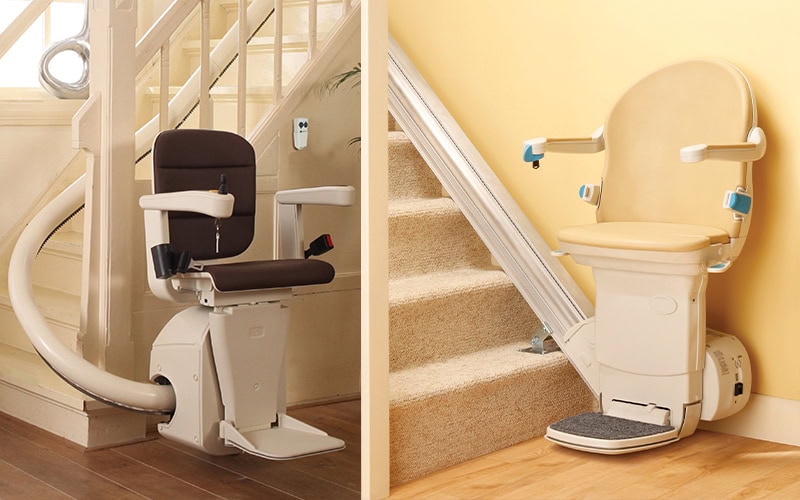
Stairs may seem vulnerable when you add a chair lift, but if you have it professionally installed and maintained, it rarely causes structural harm; most issues are limited to cosmetic scuffs or improper fittings. If you choose a low-quality unit or improper mounting, there is a real risk of damage and unsafe conditions. With proper rail placement and periodic checks, a chair lift can enhance your safety and preserve your stairs.
It’s natural to worry that a chair lift will ruin your staircase, but when you choose professional installation and follow recommended maintenance, your stairs are unlikely to suffer; however, improper installation or cheap components can lead to structural damage or accelerated wear. This post helps you evaluate risks, safeguards, and how to protect your home and investment.
You might worry that a chair lift will damage your stairs. Still, when handled by professionals, the effect is usually minimal: proper installation and rail systems protect stair surfaces, while poor installation or harsh alterations can cause damage. You can also prevent wear with routine checks and pads, and modern lifts are designed to distribute weight safely, meaning long-term impact on your stairs is typically low.
Key Takeaways:
-
- Properly installed chair lifts distribute weight and anchor to rails or wall studs, so they typically do not cause structural damage to stairs when mounted by experienced professionals.
- Visible wear is usually cosmetic and repairable; choosing the right lift type for your staircase and following scheduled maintenance minimizes long‑term wear.
- Professional installation (like the services offered by Caps Remodeling) uses protective hardware, reversible mounting options, and warranties to protect your stairs and provide peace of mind.
The Engineering Reality: How Chair Lifts Are Designed
Structural Considerations in Staircase Design
Manufacturers anchor the rail to your treads or the wall using brackets spaced roughly every 24–36 inches, so the load is distributed across many points rather than concentrated on a single tread or stringer. Typical residential lifts are rated for 300–350 lbs (heavy-duty models up to 500 lbs), and installers verify tread material, stair pitch, and clearances before drilling. Improper DIY attachments or exceeding the rated capacity are the main ways you risk damage; a professional assessment prevents that by matching anchors and fasteners to your stair construction.
Safety Mechanisms Built into Chair Lifts
Most modern units include seat belts, swivel-seat locks, footrests, carriage obstruction sensors, and redundant braking systems that stop the chair within 1–2 inches of an obstruction. Drives commonly use worm-gear or rack-and-pinion systems with self-locking behavior plus an electromagnetic or mechanical brake, and battery backup that typically provides about 20–30 trips during power outages. Certified models meet ASME A18.1 standards and include overload sensing to prevent operation above rated weight.
Drive systems combine a geared motor and fail-safe brakes so the chair cannot free-fall; many manufacturers add a secondary mechanical brake that engages if primary braking fails. Soft-start/soft-stop electronics reduce jerk and stress on the track, extending rail life, while load cells and tilt sensors disable travel under unsafe conditions. Remote call/send controls and an emergency-stop button give you immediate control, and installers perform proof-load testing—often to at least 1.5× the rated capacity—before final sign-off to ensure both your safety and that the stair structure remains undamaged.
The Common Misconceptions About Chair Lifts
The Myth of Structural Damage
Many homeowners fear that a chair lift will weaken their stairs. Still, professional installations fasten the rail to the stringers or stair treads with brackets spaced about 12–16 inches, spreading the load rather than concentrating it. Typical residential staircases are built to withstand loads far exceeding the static weight of a lift plus user; most stairlift systems weigh roughly 80–120 lbs and accommodate 250–400 lb users. You can still request a quick on-site assessment to confirm anchoring points and add localized reinforcement if your stairs need it.
Debunking Fear of Aesthetic Compromise
Modern chair lifts prioritize discreet design: rails can be powder-coated to match trim, seats fold to roughly 12 inches depth, and low-profile rails often sit within 3–4 inches of the wall so your stair width remains usable. You can pick upholstery, finish, and compact controls that blend with hardwoods or painted risers, so functionality doesn’t mean sacrificing your home’s look.
CAPS Remodeling installers commonly route rails to minimize visual impact, conceal wiring under the rail, and fit foldable seats and retractable footrests that keep the stairwell tidy. Ask for sample swatches and an in‑home mockup so you can see how a chosen finish and rail placement will appear; many manufacturers also offer custom covers and low-profile handrail-compatible brackets for an even more integrated solution.
The Truth About Chair Lifts and Stair Integrity
How Chair Lifts Connect with Staircases
Most residential chair lifts attach via a rail that is either stair-mounted (bolted to the treads/stringer) or wall-mounted (anchored into studs). Brackets typically occur every 2–3 treads, so the load is spread across multiple points instead of one spot. Manufacturers custom-cut rails to your stair length and installers position anchors to hit structural members, meaning you rarely drill only into thin trim or weak risers.
Assessing the Weight Distribution and Structural Impact
Typical home lifts support between 250–400 lbs, with heavy-duty models rated to 500–600 lbs; the chair plus user creates the total static load, and dynamic forces during starts/stops can add another 20–50%. Loads transfer from seat → carriage → rail → brackets → treads/stringer → framing, so the condition of stringers and tread connections is what determines the risk of damage.
Manufacturers design rails and brackets with safety factors well above rated capacity, so properly installed systems rarely harm sound stairs. If you have a 300 lb user and a 75 lb chair, expect installers to plan for roughly 375–560 lbs, including dynamic peaks. Professional assessments include checking for rot, loose fasteners, and excessive deflection (visible sag or more than about 1/4 inch under normal load), measuring step rise/run, and locating solid attachment points. Where weak stringers exist, installers commonly add blocking, sister the stringer, or switch to a wall-mounted rail to eliminate concentrated stress. Spotting cracked stringers, missing blocking, or water-damaged treads before installation is what prevents long-term damage and keeps your stairs safe.
Assessing the Long-Term Impact of Chair Lifts on Staircases
Wear and Tear: Fact vs. Fiction
High-frequency use (for example, 10 trips per day equals roughly 36,500 cycles over 10 years) is the real driver of wear, not the lift itself; properly anchored rails distribute forces so your treads see only a fraction of the load. You should expect normal cosmetic scuffs on carpet and superficial compression on softer woods, while loose or corroded anchors are the actual danger that can accelerate damage and require repairs.
Materials Matter: How Different Stairs Respond
Hardwoods like oak or maple hold fasteners far better than softwoods such as pine, so your risk of splitting or compression is lower; concrete, stone, and steel stringers are importantly immune to ladder-style rail loads. Carpeted stairs hide surface wear but can conceal loose brackets, and laminate or veneer treads may need backing to avoid delamination—proper material-specific fastening prevents most issues.
In practice, installers usually space mounting brackets to spread load across multiple points—often every 2–3 steps—and will switch from tread-only anchoring to stringer or wall attachments on delicate surfaces. You benefit when professionals add threaded inserts, metal backing plates, or longer fasteners into the structural stringer; at CAPS Remodeling, we routinely reinforce vulnerable treads during retrofits, use corrosion-resistant hardware, and perform a post-install torque check. That approach reduces localized stress and keeps your staircase structurally sound for decades while minimizing visible wear.
The Engineering Behind Chair Lift Installation
Assessing Staircase Integrity
Technicians evaluate your treads, stringers, and wall framing, measuring joist spacing (commonly 12, 16, or 24 inches) and checking for rot, loose treads, or previous repairs. Rails typically attach with brackets spaced roughly every 24–36 inches, so the load is distributed across multiple points rather than a single tread. Homes over a century old or stairs with decorative/open risers may require blocking or alternative anchoring to the stringer or wall to meet safety standards.
The Role of Professional Installation
Certified installers use manufacturer-specified brackets and structural screws, perform alignment and clearance checks, and run operational tests before signing off—standard straight-stair installs often take about 3–4 hours, while curved systems can require 1–3 days. Improper DIY anchoring can loosen treads and create a fall hazard, whereas a pro preserves your finish, follows code, and maintains the product warranty.
Beyond basic mounting, professionals document your staircase condition with measurements and photos, install blocking or sister-stringers when needed, and verify weight capacity—standard residential lifts are usually rated for 300–400 lbs, with bariatric models up to 600 lbs. Your installer will also confirm seat swing, footrest clearance, and power/backup systems, plus provide post-install instructions and warranty paperwork so you know exactly how the work was done and what protections apply.
Common Misconceptions Surrounding Chair Lift Usage
“Chair Lifts Always Cause Damage”
Properly installed chair lifts rarely harm stairs; rails are typically fixed to treads or the stringer with brackets spaced about 12–18 inches apart to spread load, and a straight flight often needs only 4–8 small mounting points. You’ll usually see only small, cosmetic screw holes when a lift is removed, which can be filled and refinished. Modern systems are engineered to protect stairs while supporting 300–400 lbs or more, so structural damage is the exception, not the rule.
“Installation is Complicated and Harmful”
Many installations are straightforward: a straight stair lift can be professionally fitted in 2–4 hours, with minimal changes to your stairs, while curved rails require custom manufacturing and more time, but still avoid major structural work. You’ll be evaluated for stair strength first, and installers use manufacturer-specified anchors and techniques to prevent damage. Complicated-looking projects are handled with templates and experienced crews, not guesswork.
For more details, installers begin with a site survey and measurements, then choose between wall-mount or tread-mounted rails depending on your stair construction. Straight rails are often completed the same day after delivery, whereas curved rails need a template and typically a 48–72 hour turnaround for fabrication. Reinforcement is required only when treads are compromised—examples include rotten wood or loose spindles—otherwise, technicians use load-spreading plates and torque settings that protect the stairs. CAPS Remodeling follows manufacturer specs and local codes, so you get an installation that prioritizes safety and leaves your stairs in repairable, often near-original condition.
Misconceptions About Chair Lifts and Stair Damage
The Myth of Weight Distribution
Many assume your seated weight presses down on a single tread, but stairlifts transfer loads through a steel rail and multiple mounting brackets, spreading force across the staircase. Typical residential lifts are rated for 300–400 lb, with heavy-duty units up to 600 lb, and brackets placed roughly every 12–18 inches keep point pressure well below structural limits. You only face risk if the lift is overloaded or installed without the proper mounting pattern.
Navigating Bends and Turns: The Truth Beyond Common Beliefs
Curved stair systems use custom-engineered rails that follow your staircase geometry and attach with precision brackets, so bends don’t inherently cause extra wear; manufacturers design these rails to handle the same loads as straight systems. You should ask for bracket spacing, material specs, and the lift’s rated capacity before you commit.
Engineered curved rails are often made from aluminum extrusions joined in segments and fastened to the stringer or treads with stainless-steel anchors, producing a predictable load path that installers verify against manufacturer tolerances. Industry-standard practice includes mounting points every 12–16 inches, torque-rated fasteners, and post-install load checks; this combination keeps stress distribution uniform even on 90° or spiral turns. DIY or improvised alterations, by contrast, can create stress concentrations that crack treads, void warranties, and create safety hazards. Ask your installer—CAPS Remodeling or another certified technician—for the rail engineering documents and proof of on-site testing so you can see the numbers that back up the installation.
Real-World Impacts: Chair Lifts vs. Stair Damage
Analyzing Long-Term Effects on Stairways
With 10 trips per day equating to roughly 3,650 cycles per year, cumulative use matters more than a single installation. Rails are typically fastened with brackets spaced about 12–18 inches apart, which lets the load transfer to the stringer rather than concentrate on the treads; a standard carriage plus occupant commonly produces 150–300 lbs of distributed load. If your stairs were originally weakened or built with softwood, you may see accelerated wear or hairline cracks around fasteners.
Case Studies: Experiences from Homeowners
A range of homeowner outcomes shows installation quality and stair construction drive results: a modern home with reinforced stringers reported no visible tread wear after 6 years, while an older farmhouse with original softwood treads required reinforcement after 4 years of heavy use (≈20 trips/day). Local installers, including CAPS Remodeling, often recommend pre-installation reinforcement on vintage stairs to avoid retrofit repairs.
- 1) Suburban Ranch — 5 years of use, ~8 trips/day: no measurable tread deformation; rail anchored to stringer every 14″ and pass/fail inspections showed zero repairs.
- 2) Victorian Farmhouse — 4 years, ~20 trips/day: original softwood treads developed hairline cracks around three fastener points; required stringer reinforcement and tread replacement at $1,800.
- 3) Condo Retrofit — 6 years, ~12 trips/day: aluminum rail on concrete stairs produced no structural damage; maintenance limited to lubrication and battery replacement.
- 4) Multigenerational Home — 10 years, ~15 trips/day: minor indentations (≤2 mm) on softwood treads; preventative reinforcement at year 7 avoided major repair.
You can draw clear patterns from these reports: installation method, underlying stair material, and daily trip count predict outcomes more reliably than age alone. If you notice creaks, visible fastener movement, or new hairline cracks after installation, scheduling a structural inspection within a year of installation often prevents larger repairs and keeps your staircase safe.
- 1) Urban Townhouse — 3 years, ~5 trips/day: professional installation by CAPS Remodeling; brackets every 16″, no repairs, annual checkups only.
- 2) Country Cottage — 2 years, ~25 trips/day: heavy use led to tread softening; reinforcement and new treads cost $2,400, downtime 2 days.
- 3) Senior Living Addition — 8 years, ~10 trips/day per user: rail system passed 10,000-cycle manufacturer test; required battery replacements and one carriage service visit ($250).
- 4) Historic Duplex — 6 years, ~18 trips/day: original stringer needed sistering at year 5; repair cost $1,200, installation contractor recommended ongoing monitoring.
Industry Standards: What You Need to Know
Compliance with Building Codes
Local jurisdictions typically reference ASME A18.1 for stairlift safety, and many require a permit plus final inspection before you can legally use the unit. Municipal rules vary: some cities insist on electrical inspections for hardwired lifts, others require anchorage reports. Failure to follow code can force removal or costly rework, so you should verify permits and inspection timelines with your contractor before installation.
Quality of Materials and Installation Techniques
Manufacturers commonly use powder-coated steel or extruded aluminum rails and rate standard chairs for 300–400 lbs, with heavy-duty models up to 600 lbs. Proper anchoring into wall studs or the stair stringer with heavy-duty lag bolts prevents structural damage, while battery backups and obstruction sensors meet safety expectations. Straight-stair installs typically take 3–6 hours, whereas custom curved tracks can require 1–3 days, including bespoke fabrication.
Wall-mounted rails work best when you can hit studs every 12–16 inches; open-stringer or floating stairs sometimes need floor-mounted supports or custom brackets to distribute load without stressing individual treads. Motors typically use a worm-gear brake for positive stopping and sealed gearboxes to reduce maintenance. Manufacturer warranties usually span 1–5 years, depending on parts and labor, and you should insist on manufacturer-certified installers who follow torque specs and use specified fasteners to avoid warranty voids and hidden damage to your stairs.
Expert Insights: What Professionals Say About Chair Lifts
Testimonials from Home Renovation Specialists
Installers at CAPS Remodeling note that properly mounted rails typically leave the stair structure intact; your installer will often mount to wall studs or use steel brackets to avoid stressing treads. In projects with historic 1920s homes, they reinforced stringers with plywood backing and reported no long‑term damage when anchors followed manufacturer torque specs and were sealed to prevent moisture intrusion.
Industry Standards and Best Practices
Manufacturers and pros reference ASME A18.1 and ADA guidance for safe installation, specify typical residential lift capacities of 300–375 lb (with heavy‑duty units to 500–600 lb), and require mounting into structural members or engineered backing to prevent damage to your stairs.
Before you authorize work, demand a pre‑installation inspection that documents your stair construction, fastening plan, and finish restoration. Proven techniques include mounting rails to wall studs where possible, sistering weakened stringers with steel or plywood, and using calibrated anchors with specified torque values so your stairs retain strength and appearance. Warranties often require certified installers, so choosing a pros who follow ASME A18.1 and manufacturer procedures both protects your stairs and keeps your lift covered.
Maintenance Matters: Caring for Chair Lifts and Stairs
Routine Inspections and Upkeep
Inspect rails, mounting bolts, seat swivels, and safety sensors monthly, and log any new noises or play. These symptoms often indicate worn gears or loose anchors. Test the emergency stop and remote controls each use, and arrange factory-authorized servicing about once every 12 months—more often after heavy daily use. Typical residential units carry weight capacities of 300–350 lbs, so keep records of usage and incidents. Knowing the model-specific service intervals and warranty terms helps you avoid costly, preventable repairs.
- Monthly inspection
- Annual professional service
- Weight capacity (300–350 lbs)
- Safety sensors & emergency stop
Tips for Minimizing Wear and Tear on Stairs
Choose a low-profile track and soft-chair glide wheels to reduce concentrated pressure on stair treads, and install a thin anti-slip runner in the high-traffic middle to protect nosing areas. Keep the rail free of debris and wipe down wheel housings quarterly to prevent grit-driven abrasion; older hardwood nosings often show wear first. Knowing that small upgrades—such as softer wheels, runners, and regular cleaning—can extend tread life by years will guide your preventive choices.
- Low-profile track
- Anti-slip runner
- Soft glide wheels
- Quarterly cleaning
Apply thin felt or adhesive pads where the track or chair may contact finished wood, and avoid dragging heavy items up or down stairs to prevent surface gouging; lift or use a dolly instead. Schedule a professional alignment check if you notice uneven wear or intermittent sensor trips—installers can spot track anchors loosening or misaligned tread nosing before surface failure. Knowing simple fixes and timely pro adjustments preserves both your chair lift performance and the integrity of your stairs.
- Protective pads
- Proper furniture handling
- Professional alignment
- Track anchor checks
Expert Insights: The Engineering Perspective
Interviews with Structural Engineers
Several structural engineers note that modern chair lifts introduce very small incremental loads compared with normal live loads on residential stairs (commonly ~40 psf). Most systems are rated for 300–400 lb user loads, and when anchors are fastened into stringers or studs at roughly 12–18 inch spacing, you keep point loads low and deflection within typical service limits (targeting about L/360 or better).
Real-life Experiences from End Users
Homeowners you speak with typically report only cosmetic wear at anchor locations after years of use; cases of structural damage almost always trace back to lifts fastened into deteriorated treads or installed without backing plates. Heavy daily use can speed visible wear, but structural failures are rare when installers follow manufacturer specs and reinforce weak members.
In multiple CAPS Remodeling retrofit projects, installers have reinforced older stringers by sistering new lumber, used 12–16 anchors with steel backing plates, and added rubber isolation pads under rail feet; post-install inspections at 3–5 years showed only minor finish wear and no compromised structure. If your home has century-old stairs, expect a pre-install structural check and possible reinforcement; ask for documented anchor spacing, torque values, and a certified warranty so you can be confident the lift—when properly installed—won’t damage your stairs.
Comparing Chair Lifts to Alternative Mobility Solutions
At-a-Glance Comparison
| Chair Lifts | Typical cost: $2,000–$15,000 (straight vs. curved). Install in 1–4 hours for straight tracks, with minimal structural work required. This is ideal for narrow stairs, and common weight capacities range from 300 to 400 lbs. Low maintenance and removable if you sell the house. |
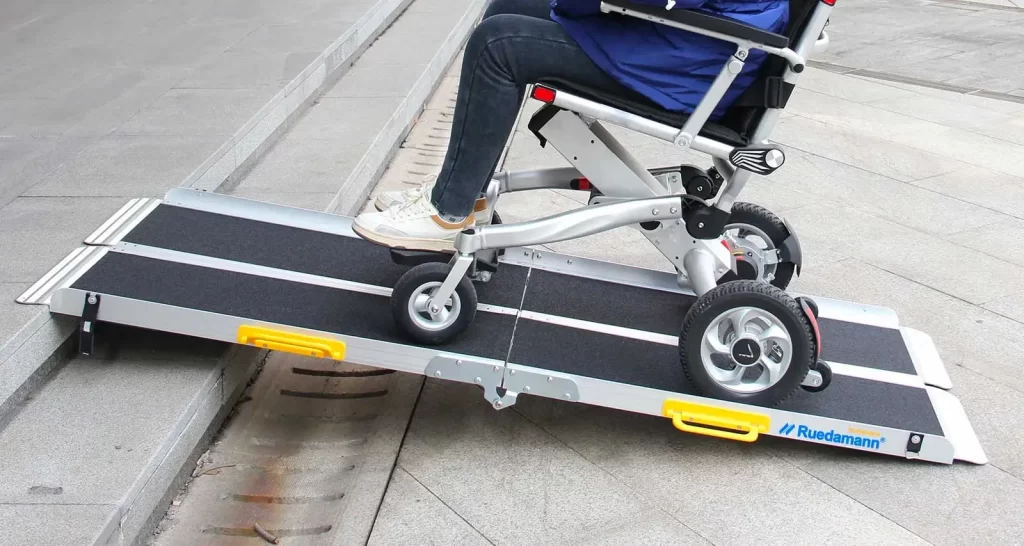
| Ramps | Lower mechanical cost ($1,000–$10,000), but need long runs because of the 1:12 slope guideline—a 10‑foot rise requires ~120 feet of ramp—often impractical for two‑story access. Weather and slip resistance require material and drainage planning. |
| Home Elevators | High upfront cost ($20,000–$80,000+), major structural work (shaft, pit, or machine space), and weeks to months to install. Ideal for situations requiring full universal access for multiple users or heavy mobility equipment. |
| Vertical Platform Lifts (VPL) | Costs typically range from $8,000 to $25,000. These systems provide wheelchair access between short vertical distances and can be installed indoors or outdoors, but they require landing clearance and may need weather protection and local permits. |
| Inclined Platform Lifts | Carry wheelchairs along the stairway; the cost is similar to that of VPLs. Require wider stairs and stronger anchoring, slower travel speed, and often more visible equipment on the stairway. |
Understanding Other Options: Ramps and Elevators
Ramps give you passive, mechanical‑free access but demand significant horizontal space and careful grading—often impossible for multi‑story changes. Home elevators deliver true universal access and higher capacities, yet they come with major cost and construction timelines and may require a pit, shaft, or room for machinery.
Evaluating Pros and Cons for Your Home
Match the solution to daily needs: if you use stairs frequently and space is tight, a chair lift often wins for speed and cost; if you need wheelchair travel between floors, a VPL or elevator may be necessary despite higher expense. Consider weight capacity, stair width, and how long you plan to live in the house.
Assess specific numbers: measure the available landing and run, note your stair type (straight vs. curved), and factor in service costs—annual stairlift tuneups are relatively low, while elevators typically require professional service contracts. CAPS Remodeling projects show many homeowners save thousands by choosing a chair lift for single‑user needs. Still, families that need full wheelchair access often find a VPL or elevator the only viable option.
Pros and Cons Overview
| Chair Lift — Pros | Chair Lift — Cons |
| Fast install (hours), lower cost, minimal construction impact, removable for resale. | Only carries seated users; it can’t transport large items or most wheelchairs without extra transfers. |
| Ramp — Pros | Ramp — Cons |
| Simple technology, no mechanical maintenance, easy for some wheelchair users if space allows. | Requires long run and large footprint; outdoor ramps need weatherproofing and slip control. |
| Home Elevator — Pros | Home Elevator — Cons |
| Universal access, high weight capacity, and the best long‑term solution for multi‑user households. | High cost, lengthy construction, may need structural modifications, and regular maintenance. |
| VPL/Inclined Platform — Pros | VPL/Inclined Platform — Cons |
| Allow wheelchair access without a full elevator; space‑efficient for short rises. | Higher cost than chair lifts, may reduce stair width, and some models are exposed to weather or aesthetic concerns. |
The Cost Factor: Evaluating the Financial Implications of Chair Lifts
Upfront Costs vs. Long-Term Value
You’ll typically see straight stairlifts from about $3,000 to $6,000 and curved or custom systems from $8,000 to $15,000+. Installation is often included, but budget $200–$400/year for maintenance and $200–$400 every 3–7 years for battery replacements. Compared to a $20,000–$50,000 first-floor remodel or home elevator, a stairlift can preserve mobility at a fraction of the cost while adding practical resale appeal.
Considering Alternatives: What Are Your Options?
Options beyond stairlifts include vertical platform lifts (VPLs) at roughly $8,000–$25,000, residential elevators from $20,000 up, permanent single-level remodels often exceeding $20,000–$60,000, short-term rentals around $150–$400/month, or ongoing caregiver costs near $20–$35/hour.
Dive deeper by matching the option to your usage and home layout: VPLs work well where space allows exterior or shaft installations, but they need regular inspections and can trigger higher permit costs; residential elevators give the best long-term accessibility and home value boost but carry hefty installation and structural expenses; full remodels eliminate stairs but typically cost two to three times a stairlift and can take months. Renting a lift or hiring hourly care may make sense short-term—if you expect temporary recovery—but if you plan multi-year use, a mid-range straight stairlift often delivers the best cost-per-year and fastest return by avoiding disruptive, expensive construction. CAPS Remodeling can provide site-specific estimates so you can compare lifetime costs side-by-side.
The Financial Perspective: Cost vs. Value
Budgeting for Installation and Maintenance
Plan for a range of costs: a straight stair lift typically runs between $2,000–$5,000, while curved or custom tracks commonly cost $8,000–$15,000. Expect installation fees of roughly $500–$2,000, and possible stair reinforcement, adding $500–$3,000. Annual upkeep averages $100–$300, with battery replacements around $200–$400 every 3–5 years. Factoring these line items into your budget prevents surprise expenses and helps you choose the model that fits both your stairs and wallet.
The Economic Benefits of Enhanced Accessibility
Adding a chair lift can significantly reduce long‑term care costs by letting you stay independent at home longer; assisted living averages about $3,500–$6,000 per month, and nursing home care often runs $7,000–$9,000 per month. You also widen your potential buyer pool by adding universal design features, which tends to shorten time on market. Those two effects together can offset a large portion of the initial outlay over time.
Consider a practical example: if you install a mid‑range straight lift for $4,500 and pay approximately $200/year in maintenance, delaying a move to assisted living that costs $4,500/month by just one year nets roughly $49,500 in avoided expenses—an immediate, tangible return on investment. Look into local grants, VA benefits, or Medicaid waiver programs that often cover mobility modifications; combining those resources with reduced care costs and avoided stair repairs (thanks to modern, non‑invasive mounting) sharply improves your financial case for installing a chair lift.
Alternatives to Chair Lifts: Evaluating Safety and Practicality
Comparison with Staircase Modifications
Modifying treads, riser heights, or adding a built-in ramp often means structural alterations and can run from approximately $3,000 to $25,000, depending on the scope. A 1:12 ramp slope per ADA requires one foot of run for every inch of rise, so a 36″ rise demands 36′ of ramp—often impractical indoors. You should weigh long-term accessibility gains against construction time, disruption, and trip-hazard reduction when comparing to a chair lift.
Comparison at a glance
| Staircase Modifications | Chair Lifts |
|---|---|
| Cost: ~$3,000–$25,000+ | Cost: straight $2,000–$5,000; curved $7,000–$15,000 |
| Time: days to weeks, significant disruption | Time: 4–8 hours (straight), 1–3 days (curved) |
| Benefit: permanent, no mechanical dependence | Benefit: minimal structural change, reusable if you move |
| Drawback: may need major layout changes | Drawback: ongoing maintenance, battery reliance |
| Best for: full accessibility throughout the home | Best for: targeted stair access with limited budget |
Assessing Mobility Devices
Portable mobility scooters and powered wheelchairs avoid altering your staircase but require clear maneuvering space and storage; scooters typically cost between $600 and $3,000, while powered wheelchairs run from $5,000 to $20,000. You should check device weight capacity (many rated 300–400 lb), turning radius, and whether your entryways and landings can accommodate the footprint before relying on them as a stair alternative.
Further evaluation should consider realistic daily use: battery-backed chair lifts can offer 6–12 emergency rides during outages, while scooters need regular charging and secure indoor storage to prevent theft or weather damage. You ought to factor in maintenance schedules—annual inspections for lifts versus periodic motor/battery checks for power chairs—and local permit requirements for permanent ramps or structural changes. Contractors, including Caps Remodeling, often perform a site measure to map clearances, verify load-bearing needs, and present a side-by-side cost and safety summary so you can choose the option that minimizes fall risk and fits your routine.
User Experiences: Real Stories from Chair Lift Owners
Innovations that Enhance User Satisfaction
Owners often tell you that modern features like swivel seats, folding footrests, slim-rail profiles, and intuitive remotes transform daily use; one retiree reported using a lift 3–4 times per day for two years with no complaints. With weight capacities up to 350 lbs, adjustable seat heights, and battery backups for multiple trips during outages, lifts feel like a reliable extension of your home rather than an intrusive retrofit.
Challenges Not Commonly Discussed
Some users report subtle issues, including carpet wear at rail mounts, occasional squeaks at fasteners, and reduced clearance on very narrow staircases, which can complicate carrying items. Warranty-covered faults are rare, but you should expect periodic tuneups and battery replacement every 3–5 years to avoid unexpected downtime; overlooking these needs can create tripping hazards or accelerated stair surface wear.
Maintenance routines matter more than many owners expect. Scheduling an inspection every 12 months—or sooner after heavy use—lets you catch loose bolts, worn gearbox grease, or rail alignment drift before they damage treads or upholstery. In custom installs, technicians can add discreet floor plates or rail shims to distribute loads and prevent carpet compression; CAPS Remodeling recommends documenting mileage (trips per day) so service intervals match your actual use and avoid surprise repairs.
Changing Perspectives: Embracing Mobility Solutions
The Importance of Accessibility in Home Design
Designing with accessibility in mind means you treat mobility as a long-term investment, not an afterthought. Integrating a chair lift often costs between $2,000–$5,000 for straight units and $8,000–$15,000 for curved systems, typically far less disruptive than a full staircase remodel. Thoughtful placement preserves traffic flow, increases functional resale appeal, and lowers the risk of costly falls by keeping bedrooms and bathrooms on accessible levels.
How Chair Lifts Enhance Independence and Quality of Life
Installing a chair lift restores access to your whole home—bedrooms, bathrooms, and living areas—so you can age in place longer and avoid relocation. Most units install in 3–6 hours, support 300–400 lbs, include safety sensors and seat swivels, and reduce caregiver strain, often delivering faster returns than major renovations.
Clients you work with normally report immediate lifestyle gains: fewer stair transfers, improved sleep when adults can return to upstairs bedrooms, and less daily lifting for family caregivers. Features like battery backup for power outages, automatic braking, and obstruction sensors directly lower accident risk, while routine servicing (annual inspections and lubrication) keeps performance reliable. CAPS Remodeling can evaluate your staircase geometry, suggest a straight or curved track, and install with minimal tread modification so your stairs remain structurally sound and visually consistent with your home.
Financial Implications: Investing in Safety
The Cost-Benefit Analysis of Chair Lifts
You can expect a straight-rail residential chair lift to cost between $2,000–$5,000, while curved-rail models commonly run $8,000–$15,000 installed; factoring in routine maintenance of about $100–$200 per year often still results in net savings compared with medical bills from falls. Many homeowners find that a lift pays back indirectly through lower caregiving costs, fewer emergency room visits, and preserved independence that helps maintain their property value.
Potential Costs of Stair Damage and Repairs
Improper installations or heavy use without protection can cause scratched hardwood or loosened treads, with cosmetic repairs ranging from $300–$1,200 for refinishing and structural fixes, climbing to $1,500–$6,000 for partial replacements; extreme cases of full staircase replacement can exceed $7,000–$15,000.
Choosing an experienced installer like CAPS Remodeling typically adds only $300–$700 to labor but dramatically lowers damage risk, since professionals use low‑profile rail mounts that distribute load across multiple risers, stainless‑steel brackets, and protective felt or skid pads to prevent scuffs. Warranties commonly cover workmanship for 1–5 years, and contractor liability insurance often addresses accidental damage during installation; homeowner policies rarely cover gradual wear, so a properly installed lift can save you thousands compared with post‑damage repairs.
Conclusion
With this in mind, you can be confident that properly installed and maintained chair lifts do not damage your stairs. Manufacturers design rails and mounting systems to distribute weight and protect stair materials; professional installation ensures fastenings and finishes are safe. By choosing quality products and routine inspections, you maintain stair integrity while improving accessibility.
Summing up
Following this, you can be confident that a well-designed, professionally installed chair lift won’t damage your stairs; installers distribute loads and secure rails in ways that protect the structure and finish. You should have your staircase evaluated and choose materials and installation methods that preserve appearance and ensure long-term safety for you and your home.
Making an Informed Decision: Factors to Consider
- Stair type: straight vs curved—curved rails can cost 2–3× more and require custom manufacturing.
- Clear width and condition of the stairs: manufacturers typically need 24–30 inches of unobstructed width for a safe fit.
- Weight capacity and user transfer needs—standard units handle 300–450 lbs; bariatric options are available.
- Installation method: bolt-to-tread, wall-mounted, or track-on-rail affects cosmetic impact and load distribution.
- Maintenance, warranty, battery backup, and expected service intervals.
- Permits, local code compliance, and installer credentials (licenses, insurance, references).
Evaluating Individual Needs and Home Layout
Measure the usable stair width and note any obstacles, such as newel posts or carpet runners. Note that rails for a chair lift mounted on treads may add only 2–3 inches of depth, whereas wall-mounted systems require a solid supporting wall. Consider the user’s mobility: if transfers require swivel seats or power footrests, factor those into sizing and installation decisions.
Consulting Experts and Getting Quotes
Arrange on-site assessments with 2–3 experienced installers to obtain itemized quotes. Straight—track installs typically complete in 1–2 days and cost $2,500–$5,000. In contrast, custom curved rails can take 2–6 weeks and range from $8,000 to $15,000. Ask about warranties, battery backups, and whether rail attachment will require drilling into treads or walls.
Verify installers’ portfolios and request references for comparable projects; ask them to show before/after photos of modifications that preserved stair integrity. Confirm whether the quote covers removal of the unit if you sell the home, service-call fees, and parts availability. Insist on a written scope that specifies rail attachment points, expected load paths, and any temporary stair protection during work. Get a timeline and payment schedule, and check that the installer carries liability insurance and a professional license. This will help you compare apples-to-apples proposals and pick a provider who protects both your interests and investment.
FAQ
Q: Do chair lifts permanently damage stairs or leave visible holes?
A: Most modern chair lifts are designed to minimize permanent impact. Straight-rail systems typically bolt a continuous rail to the stair treads, but the load is spread over many brackets, so no single tread bears excessive force. The holes left by these small bolts can usually be filled and refinished if the rail is ever removed. Curved or custom rails are also attached with brackets engineered for the stair shape. That said, installation on very delicate or historic stairs may require special reinforcement or alternative mounting methods (for example, attaching to the wall where possible) to avoid cosmetic or structural harm. A professional installer will assess the stair construction, use the proper anchors, and advise on reversibility and post-removal repair options.
Q: Will normal use of a chair lift cause scratches, scuffs, or wear to my stair finish or carpet?
A: Surface wear is possible but generally minor and preventable. Moving parts like the carriage or footrest can introduce small scuffs where they meet the rail or near the base of the stairs, and a chair lift used on a carpeted run can compress fibers over time at bracket locations. Installers commonly fit protective pads, cover plates, or felt under bracket plates and provide seat stops and guides to reduce rubbing. Regular cleaning of the rail and periodic tightening of fasteners reduces friction-related wear. If maintaining a pristine finish is important, ask about protective covers and low-profile bracket options during planning.
Q: Under what conditions could a chair lift weaken stairs, and how can that be avoided?
A: A chair lift can cause problems if the staircase is already compromised (rotted wood, insect damage, severe water damage, or loose treads), if the wrong type of rail is chosen for the stair configuration, or if installation is done improperly with oversized anchors or uneven bracket spacing. To avoid this, follow these steps: have a qualified installer inspect the stairs before purchase; repair or reinforce any damaged stringers, treads, or wall framing first; choose a rail and mounting method suited to your stair material; and use an installer who follows manufacturer specifications for anchor size and spacing. With proper pre-install inspection, reinforcement when needed, and professional fitting, the risk of structural damage is very low.

Introducing Kevin Olrich, Owner of CAPS Remodeling. As a trusted expert in the field of barrier free remodeling Kevin brings a compassionate approach to create safer, more comfortable, and independent living conditions for the elderly and disabled throughout the State of Michigan. His leadership and experience is at the core of how CAPS provides the best solutions to meet the unique needs of our customers and medical professionals.