How to Keep Handicap Ramp from Freezing: 10 Safe Winter Steps
January 2, 2026
Can Stairlifts Be Fitted to Any Stairs? Straight, Curved & Narrow Explained
January 16, 2026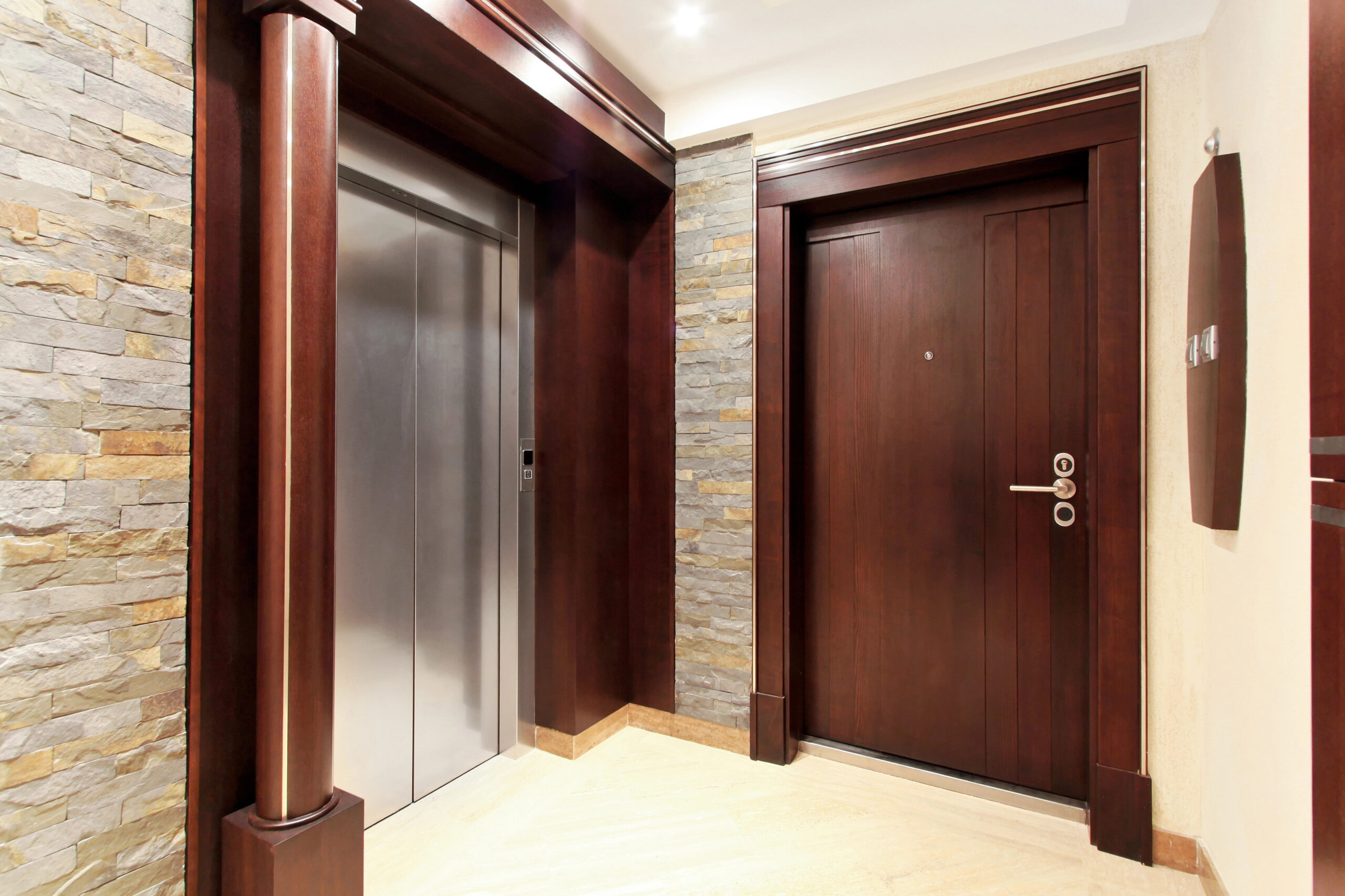
Owners and managers across the state are asking: Do elevators for house rentals Michigan make financial sense? The answer is often yes—when you balance safety, code, insurance, maintenance, and guest experience. The right system can expand your renter pool, lift your nightly rate or lease value, and future-proof your property for aging tenants and winter mobility.
For a closer look at models, layouts, and service plans, see our page on elevators for house rentals Michigan.
Why Michigan rentals benefit from in-home elevators
Michigan’s mix of multi-story homes, lake houses with elevated entries, and townhomes means stairs are common—and winter weather turns them into a seasonal challenge. Adding elevators to house rentals in Michigan addresses specific needs for guests using mobility devices, families with strollers, and renters carrying luggage or groceries.
- Wider renter pool and stronger listing visibility
- Less tenant churn in long-term rentals
- Safer access during snow and ice
- Stand-out amenity in search filters and listing headlines
What types of elevators fit rentals best
Choosing the right system affects footprint, power, noise profile, and installation schedule.
1) In-shaft residential elevators
Best for: Multi-level homes and premium rentals
Pros: Smooth ride, enclosed look, broad cab/door options for mobility devices
Plan for: Shaft framing, pit, overhead, electrical, and inspections
2) Compact retrofit elevators
Best for: Existing homes where carving a full shaft is tough
Pros: Minimal footprint, versatile placement (stacked closets, corners)
Plan for: Adequate turning radius at landings and door clearances
3) Through-floor/pneumatic styles (where appropriate)
Best for: Tight footprints and statement designs
Pros: Smaller structural changes, modern look
Plan for: Sound profile, visual impact, and alignment with the booking audience
Not sure which path fits your property? Start here: home elevators in Michigan.
Code and permits—what rental owners should expect
Every installation must align with state and local requirements. For rentals, that typically includes:
- Building and elevator permits with staged inspections
- Interlocks, backup lowering, alarm/phone or two-way device (as required)
- Clear door and cab widths to support mobility devices
- Dedicated circuits and labeled disconnect
- Renter-friendly usage instructions are posted at the call station and inside the cab
Because interpretations vary by municipality, schedule a pre-permit consult to map drawings, timelines, and inspection checkpoints around your rental calendar.
Insurance and liability: set it up right
When used well, elevators for house rentals in Michigan can reduce overall risk compared with guests tackling steep or icy stairs.
- Notify your carrier and add any needed rider
- Keep maintenance logs, inspection tags, and service records
- Post simple instructions and contact info for service
- Decide who can access the elevator (all guests vs. registered tenants)
- Document any incident with photos, notes, and immediate service calls
Costs, revenue impact, and ROI
Think like an investor:
Revenue levers
- Short-term rentals (STRs): higher nightly rate, longer stays, better off-season bookings
- Long-term rentals (LTRs): reduced vacancy and stronger renewals
Expense levers
- Fewer injuries and claims related to stair carries
- Less wear on stairs and railings
- Predictable maintenance vs. emergency fixes
Model returns over a 5–10-year horizon, factoring in installation, service, modest ADR increases, and vacancy reductions.
Renter-proof features that matter
Renters need a straightforward, forgiving design. Prioritize:
- Cab width and depth to fit a wheelchair/rollator plus a companion
- Large, backlit controls with tactile markings
- Bright, even cab lighting with auto shut-off
- Grippy, easy-clean flooring
- Flush thresholds; no trip edges
- Battery-lowering or backup descent
- Clear rules: no overloading or blocking doors
Winterization for Michigan’s freeze-thaw cycle
Elevators keep access steady when exterior steps freeze. Still, plan winter details:
- Replace worn weather seals and door sweeps
- Balance HVAC to prevent hoistway condensation
- Place absorbent mats and drip trays at entries
- Keep exterior walks and garage routes ice-free so riders approach on a steady footing
Spell out elevators for house rentals in Michigan and “step-free entry” in your listing to set accurate expectations for winter travelers.
Maintenance plan for uptime and reviews
A good plan is the backbone of rental readiness:
- Seasonal/annual service to check ride quality, doors/interlocks, batteries, and emergency systems
- On-call support number for tenants and staff
- A tiny stock of consumables (bulbs/LEDs, seals where applicable)
- House rules are posted near the call button
- Quick “turnover check” for STRs: listen for door timing issues or unusual sounds
Set this up with a provider that documents each visit in your files and with your insurance.
Fitting an elevator into existing homes
Retrofits succeed with smart layout choices:
- Stacked closets for a discreet shaft
- Corner or stair-adjacent locations for efficient two-stop travel
- Garage-to-kitchen paths that make winter grocery trips easy
- Finish choices that match trim and hardware so the upgrade feels original
During evaluation, map joists, plumbing, electrical, and landing clearances to avoid mid-project surprises.
STR vs. LTR playbooks
Short-term rentals
- Put “Elevator—Step-Free” in the title and first bullet
- Keep service contact info handy for fast fixes
- Check the operation during every cleaning
Long-term rentals
- Clarify usage and reporting in the lease
- Market to renters who value accessibility
- Budget a monthly reserve for preventive maintenance
Messaging that converts
Be specific in listings and tours:
- Exact door widths and cab dimensions
- Number of stops and travel distance
- The parking-to-entry route is step-free
- Photos that show approach → call button → cab → hallway exit
Clarity builds trust, reduces pre-booking questions, and improves review quality.
When a full elevator isn’t step one
If the budget or timeline isn’t ready, phase your upgrades:
- Start with wider doors, handrails, and main-level bedroom/bath access
- Plan the future shaft path while you update finishes and mechanicals
- Add the elevator when the calendar and budget align
This phased approach still supports renters today and positions you for a clean elevator installation later.
How CAPS Remodeling helps rental owners statewide
From first walk-through to post-install service, we support elevators for house rentals in Michigan with:
- Property assessment around goals (STR vs. LTR)
- Coordination with local permitting and inspections
- Equipment selection: size, style, features renters understand
- Finish planning for durability and easy cleaning
- Documented maintenance so uptime and insurance compliance stay on track
Explore options or schedule a consult here: home elevators.
FAQs
1) Are elevators allowed in Michigan house rentals?
Yes—when designed, permitted, and inspected correctly. Work with a team that coordinates drawings, safety devices, and the municipal schedule.
2) What size cab is best for a rental?
Choose a layout that fits a wheelchair or rollator plus a companion. You’ll serve more renters and reduce maneuvering stress at landings.
3) How much maintenance should I plan for?
Schedule seasonal or annual service, plus quick response support. Keep simple rules posted and encourage tenants to report issues early.
4) Will an elevator raise my rental income?
Often. Owners see higher nightly rates in STRs and lower vacancy in LTRs. Actual ROI depends on property type, market, and how clearly you market accessibility.
5) How long does installation take?
Timelines vary by model and permit path. A pre-permit consult maps structural work, electrical needs, and inspection milestones that fit your booking calendar.

Introducing Kevin Olrich, Owner of CAPS Remodeling. As a trusted expert in the field of barrier free remodeling Kevin brings a compassionate approach to create safer, more comfortable, and independent living conditions for the elderly and disabled throughout the State of Michigan. His leadership and experience is at the core of how CAPS provides the best solutions to meet the unique needs of our customers and medical professionals.