Wheelchair Ramp Rentals in Madison Heights: When Temporary Access Makes Sense
March 16, 2026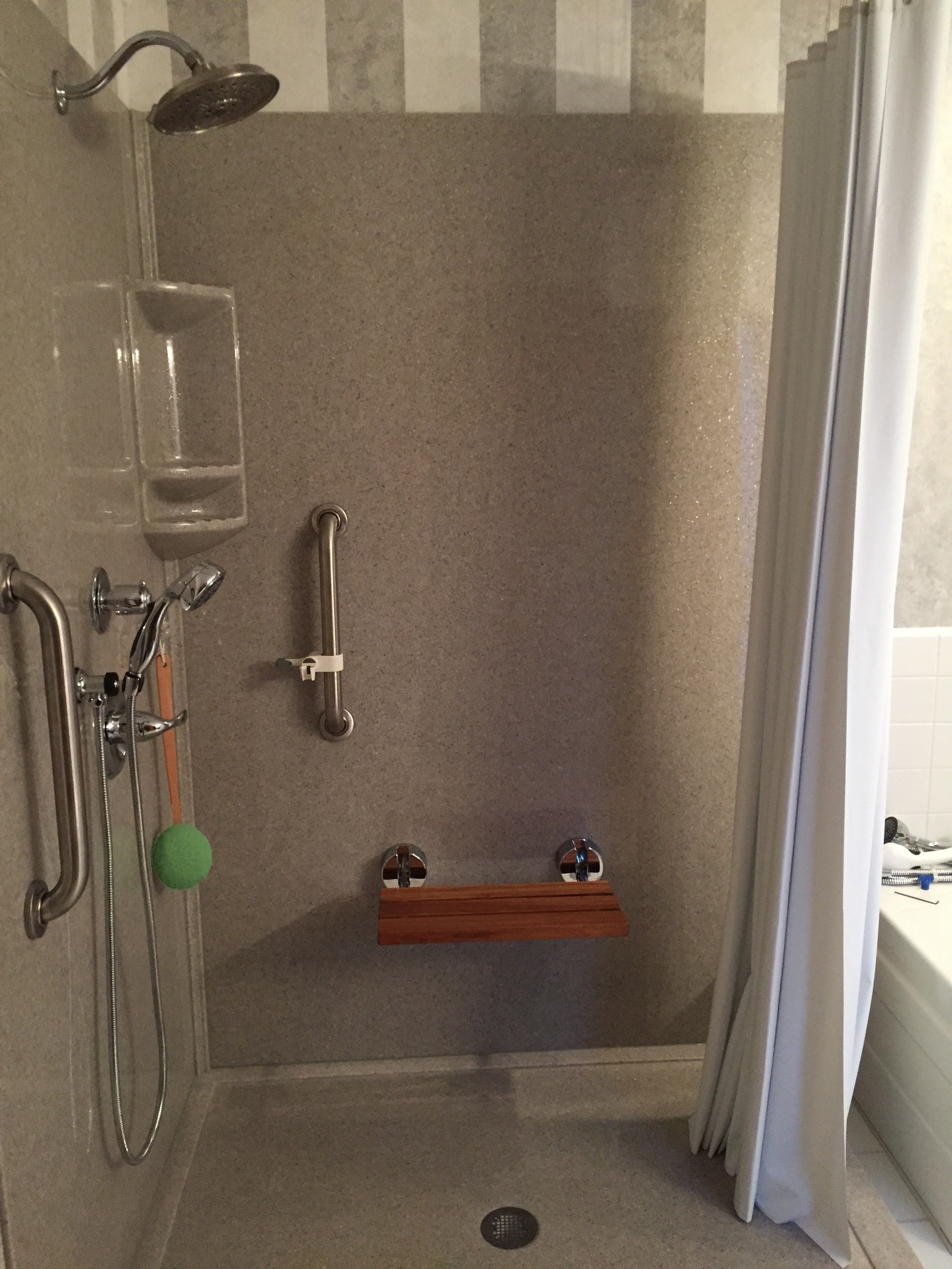
Why More Families Are Choosing Roll-In Showers in Madison Heights
March 30, 2026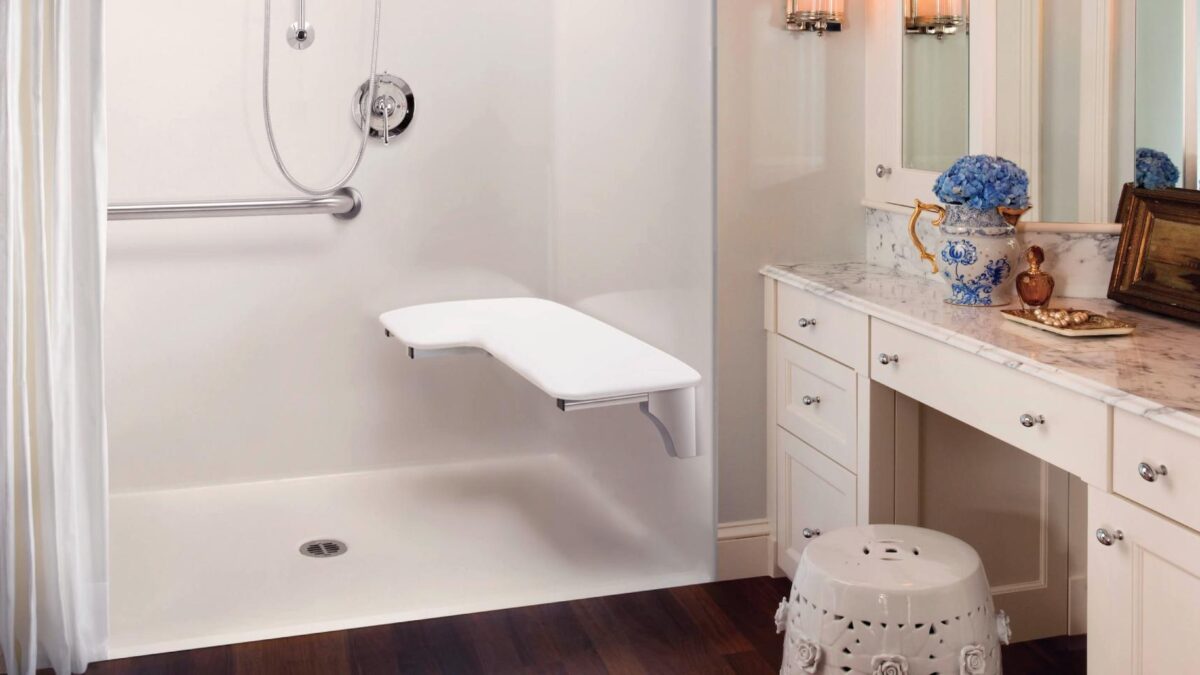
Bathrooms are among the most important rooms in any home, but they can also become among the hardest spaces to use when mobility changes. What once felt simple can start to feel frustrating, tiring, or unsafe. Stepping over a tub wall, standing on a slick floor, reaching for support, or moving through a tight layout can all become daily concerns.
That is why many homeowners begin looking into accessible bathroom remodeling in Madison Heights.
For some families, the goal is to help an older adult remain at home longer. For others, it is about supporting a loved one with mobility challenges, preparing for recovery after a medical event, or making everyday routines easier for everyone in the household. In many cases, the decision comes from recognizing that the current bathroom no longer fits the family’s lifestyle.
Accessible bathroom remodeling is not only about adding safety features. It is about improving comfort, functionality, and confidence in one of the most-used spaces in the home. A better bathroom layout can make mornings smoother, reduce the need for assistance, and help daily routines feel less stressful.
Families in Madison Heights often choose this type of remodeling because they want the home to support real life now while also preparing for what may come later.
Why the bathroom often becomes the first room families want to change
When people think about accessibility upgrades, they often picture ramps, lifts, or changes to entries first. Those upgrades matter, but the bathroom is often where challenges show up most clearly.
That makes sense.
The bathroom combines water, smooth surfaces, tight turns, and repeated transfers. It is a room where balance matters, where privacy matters, and where even a small obstacle can create a larger daily problem. A narrow doorway, a low toilet, a slippery shower floor, or a standard tub may not seem like a major issue until the household begins dealing with reduced strength, limited balance, or wheelchair use.
Once that happens, the bathroom may shift from being routine to being one of the hardest spaces in the home.
That is one reason accessible bathroom remodeling in Madison Heights becomes such a priority. Families want a safer setup in the room that often has the highest day-to-day demand.
Safety is one of the biggest reasons families remodel
For many households, safety is the first reason the conversation begins.
A family member may have had a near fall stepping out of the shower. Someone may have trouble lowering onto the toilet safely. A spouse may be helping more than before during bathing or transfers. Small signs like these can add up quickly.
A bathroom that feels even slightly unsafe can affect the whole day.
People may rush less, avoid showering as often as they would like, or rely more on another person to complete basic routines. That can lead to frustration, loss of confidence, and added physical strain for caregivers.
An accessible bathroom remodel can address these concerns with better layout choices and features that support steadier movement.
Families want easier daily routines, not just a safer room
Safety matters, but families usually want more than that.
They want the bathroom to feel easier to use.
That may mean a shower that is simpler to enter, a layout with more room to move, support where it is actually needed, or fixtures that reduce strain during everyday tasks. A remodel can help turn the bathroom from a room people worry about into a room that better supports independence.
That kind of change affects more than one moment.
It can make getting ready in the morning less exhausting. It can make nighttime bathroom trips less stressful. It can reduce the frequency with which a caregiver needs to step in. It can also help the person using the bathroom feel more in control of their routine.
This is often why families do not wait for a major incident before moving ahead. They choose accessible bathroom remodeling in Madison Heights because they want the home to work better now, not only after a serious problem forces the issue.
Aging in place is a major factor
Many families remodel their bathrooms to stay in the home longer.
That goal shapes many decisions.
A person may be doing fairly well today, but recognize that the current bathroom will become harder to use over time. The tub may already be awkward. The floor may feel slick. The space may be too tight to support a walker or other mobility aid comfortably. Instead of waiting until the room becomes a major obstacle, the family chooses to plan.
This kind of thinking is practical.
A bathroom that supports aging in place can help reduce future stress and create a home that feels more usable over the long term.
For families thinking ahead, the bathroom is often one of the first spaces worth updating.
Remodeling helps support changing mobility needs
Mobility needs do not always stay the same.
A person may begin using a cane, then later need a walker. Someone recovering from surgery may need support for longer than expected. A loved one may start needing more help with transfers or bathing. In other cases, wheelchair access becomes part of the household’s everyday reality.
When these changes occur, a standard bathroom can start working against the user rather than supporting them.
That is why families often choose accessible bathroom remodeling in Madison Heights during periods of transition. They want a space that can handle current needs while also making room for what may come next. A well-planned remodel can help the bathroom adapt to real use rather than forcing the household to keep adjusting to a layout that no longer fits.
Caregiver support is another reason families move forward
Sometimes the remodel is not only about the person using the bathroom. It is also about the person helping them.
If a spouse, adult child, or caregiver has to assist with transfers, bathing, or movement in a cramped layout, the room can become physically demanding for everyone involved. Repeated lifting, bracing, and steadying can wear people down over time.
That strain often becomes one of the clearest signs that the bathroom needs to change.
A more accessible setup can improve movement, create more working space, and reduce awkward positions during daily assistance. Even small layout changes can make a real difference by reducing unnecessary strain on repeated tasks.
Families often choose remodeling because they want a bathroom that supports care without making every routine harder than it needs to be.
Common features families often want in an accessible bathroom
Every bathroom remodel should be shaped by the household’s needs, but there are a few features families commonly look for when improving accessibility.
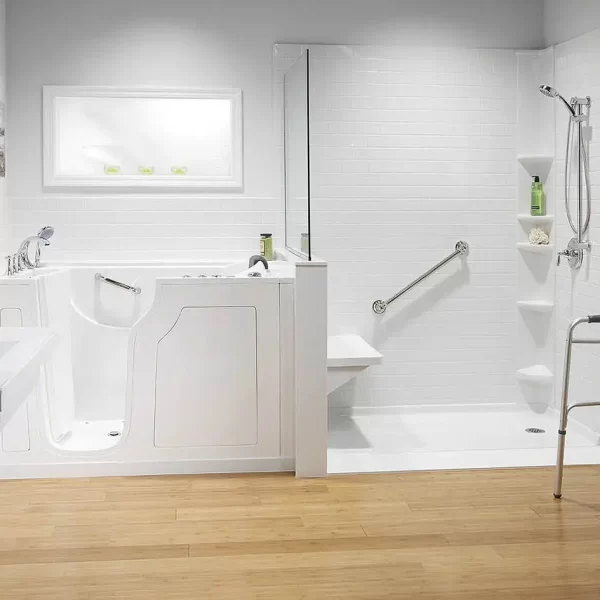
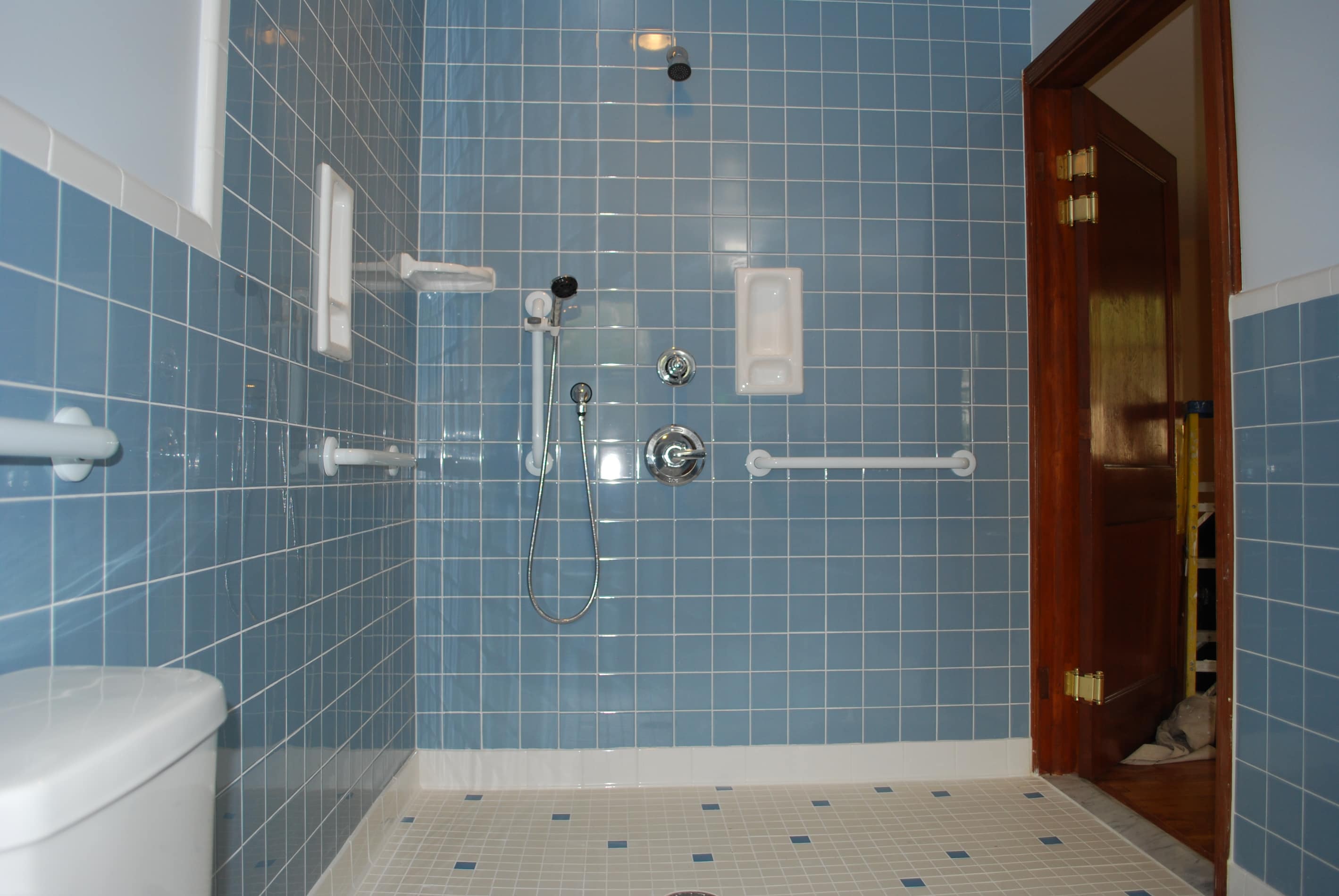
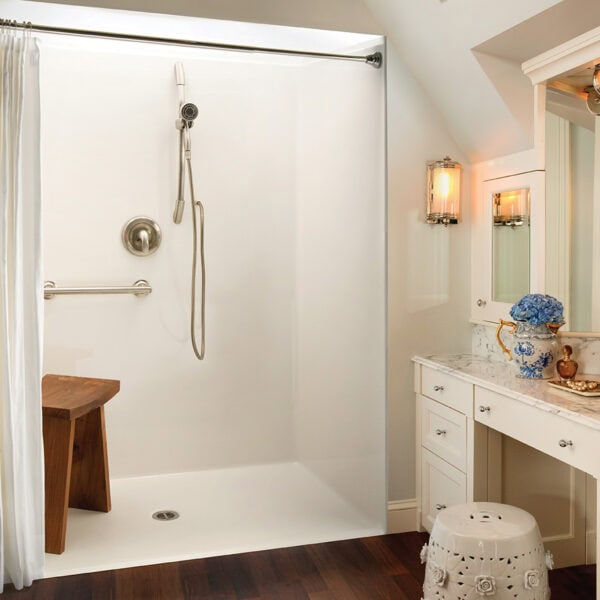
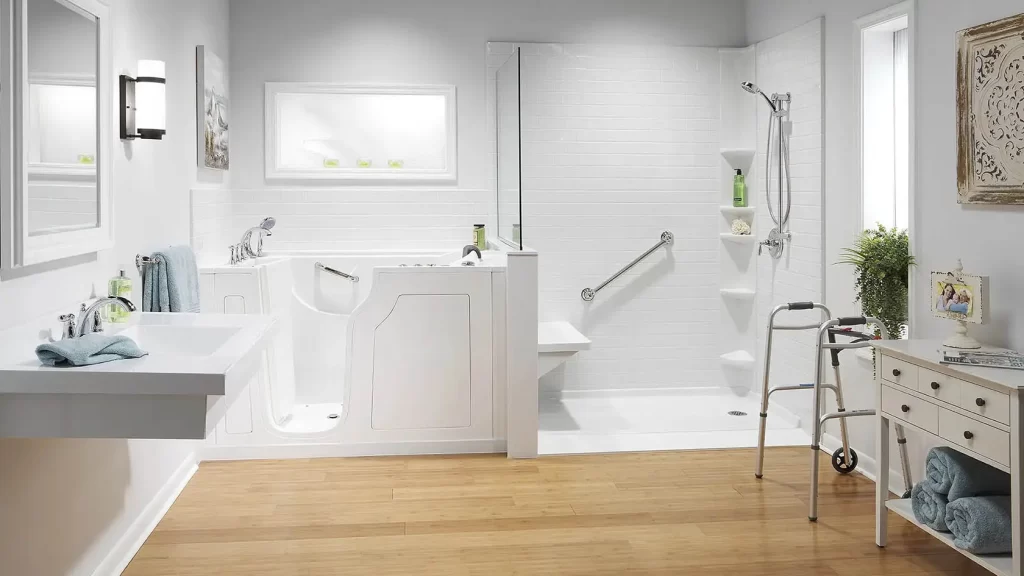
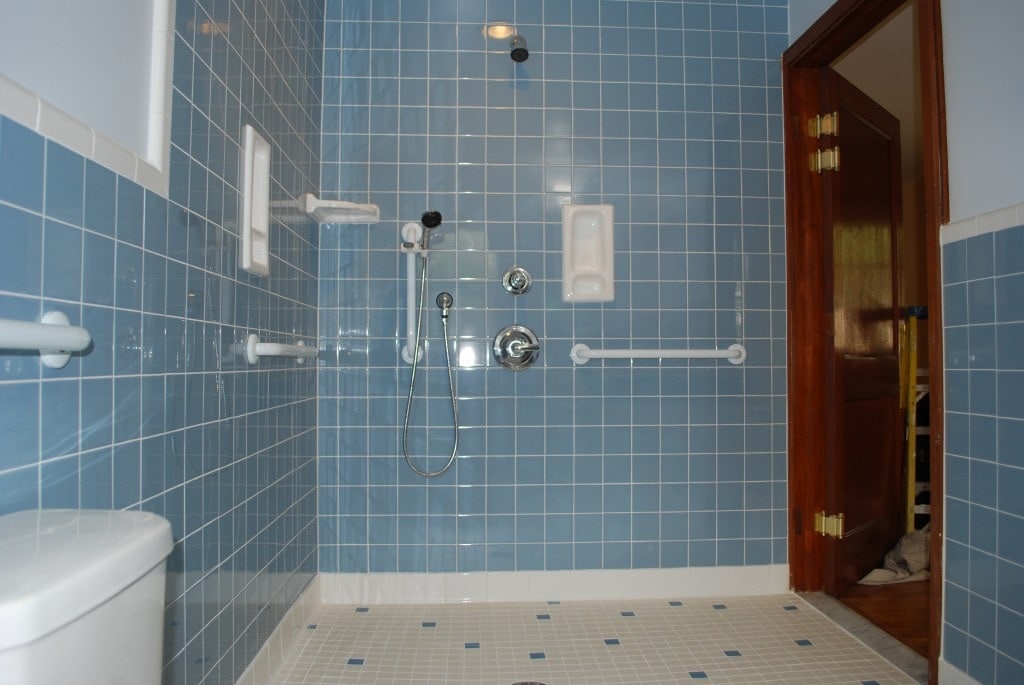
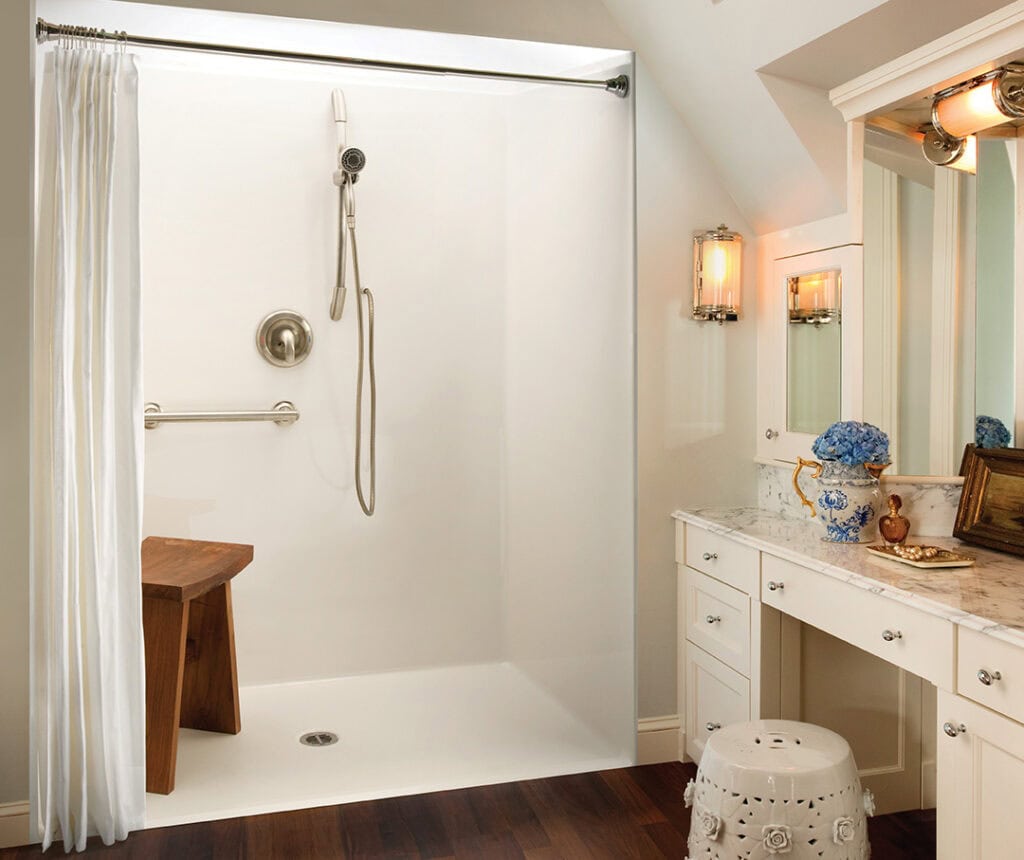
One major priority is a better bathing area. Many families want a walk-in shower, roll-in shower, or another lower-barrier bathing option because traditional tubs can become difficult to enter safely.
Grab bars are another frequent priority. They can provide support where it matters most, especially near showers and toilets.
Families also often look at toilet height, sink access, flooring, doorway width, shower controls, and lighting. None of these details should be treated as random upgrades. Each one affects how easily and safely the bathroom can be used every day.
The best results usually come from looking at how the entire room functions rather than focusing on a single feature in isolation.
More space often means better function
A bathroom does not have to be large to work well, but layout matters.
In many older homes, the bathroom may feel tight even before accessibility needs change. Once a wheelchair, walker, shower chair, or caregiver assistance becomes part of the equation, the same room can feel even more limiting.
That is why many families choose remodeling to improve the flow of the space.
More open maneuvering room can make a big difference. Better spacing around fixtures can reduce awkward turns and make daily routines more manageable. A sink with usable clearance underneath may help support seated use. A more open shower layout can make entry easier and lower stress during bathing.
Families often realize that the issue is not one single feature. It is how the room works as a whole.
Accessible design can still feel comfortable and attractive
Some homeowners hesitate because they worry an accessible bathroom will look overly clinical.
That concern is common, but it does not have to define the outcome.
A well-planned bathroom can support safer use while still feeling warm, updated, and comfortable.
For many families, that balance matters.
They are not only trying to solve a safety issue. They also want a bathroom that feels like part of the home. Good remodeling can improve usability without making the room feel cold or out of place.
Planning often leads to better decisions
One reason families choose accessible bathroom remodeling in Madison Heights is that planning gives them more options.
When a bathroom problem becomes urgent, decisions may feel rushed. The household may be responding to a hospital discharge, a sudden decline in mobility, or an accident that has already shown the room is not working well. In those moments, the priority is immediate function.
But when families start earlier, they often have more time to think through the details.
They can evaluate which changes matter most. They can consider how the bathroom may need to function a year from now, not only today. They can choose a layout that supports long-term use rather than applying quick fixes that only partly solve the problem.
That often leads to a better result.
Families want one project to solve multiple problems
A bathroom challenge is rarely limited to one issue.
A household may be dealing with slippery flooring, a hard-to-reach tub, poor support near the toilet, and a layout that does not work well for mobility equipment. Trying to solve each one separately can be frustrating and may not lead to the kind of room the family truly needs.
That is why remodeling can be more appealing than piecemeal changes.
Instead of treating every problem as its own project, families can create a bathroom that works together as a complete space. The result is often more practical because the room is planned around actual daily routines from the start.
For many homeowners, that is the point when remodeling begins to make clear sense.
Why local families in Madison Heights turn to CAPS Remodeling
Families often want a team that already focuses on accessibility work rather than treating it like a side service.
That matters because bathroom remodeling is often connected to larger household goals.
A family may start with the bathroom, but also consider entry access, handrails, or other changes that make the home easier to live in. Working with a company centered on accessible home solutions can help the bathroom project fit into that bigger picture.
The emotional side of bathroom accessibility matters too
Many people think about bathroom remodeling in terms of fixtures and layout.
But families often choose these projects for emotional reasons too.
They want their loved one to feel less embarrassed about asking for help. They want a parent or spouse to feel more comfortable at home. They want daily routines to feel calmer. They want the home to support dignity as much as function.
That part matters.
A bathroom that is easier to use can reduce stress for everyone in the household. It can help feel less intrusive. It can make routines feel more private and more normal again. Those benefits may not show up on a product list, but they are often central to why families decide the project is worth doing.
Why waiting too long can make things harder
Some families delay remodeling because they are unsure whether the need is serious enough yet.
That hesitation is understandable.
But in many cases, the bathroom does not become easier to use with time. It becomes more frustrating, more tiring, and more limiting. The household keeps working around the problems in the room instead of fixing them.
That often leads to repeated stress.
Planning can help families avoid rushed decisions and prevent the bathroom from becoming a daily obstacle. If the signs are already there, even in smaller ways, it often makes sense to take a closer look before the room becomes much harder to manage.
Families choose accessible bathroom remodeling in Madison Heights for many reasons, but most return to the same goal: making daily life safer, easier, and more manageable.
Some want to age in place with more confidence. Some want to support a loved one through a health change. Some want to reduce caregiver strain. Others simply want a bathroom that better meets the household’s needs than it does today.
Whatever the starting point, the bathroom plays a major role in how comfortable and usable the home feels.
When the space is planned well, it can support independence, improve routines, and help the household move through the day with less stress. That is why so many families see accessible bathroom remodeling not as an extra upgrade, but as a meaningful investment in how the home works.
FAQs
1. Why do families choose accessible bathroom remodeling in Madison Heights?
Families often choose it to improve safety, support aging in place, reduce caregiver strain, and make daily bathroom routines easier for someone with changing mobility needs.
2. What bathroom features are often included in an accessible remodel?
Common features include walk-in or roll-in showers, grab bars, non-slip flooring, improved toilet access, wheelchair-friendly sink setups, and better spacing throughout the room.
3. Is accessible bathroom remodeling only for wheelchair users?
No. It can also help people using walkers, canes, shower chairs, or anyone who needs a safer and easier bathroom layout.
4. Can an accessible bathroom still look modern and comfortable?
Yes. Accessible design can improve functionality while still feeling up to date, comfortable, and visually consistent with the rest of the home.
5. Why is the bathroom often one of the first rooms families remodel?
Bathrooms combine slippery surfaces, tight layouts, and daily use, so accessibility problems often appear there earlier and more clearly than in other rooms.

Introducing Kevin Olrich, Owner of CAPS Remodeling. As a trusted expert in the field of barrier free remodeling Kevin brings a compassionate approach to create safer, more comfortable, and independent living conditions for the elderly and disabled throughout the State of Michigan. His leadership and experience is at the core of how CAPS provides the best solutions to meet the unique needs of our customers and medical professionals.