Accessing Your Entire Home Independently With A Stair Lift
August 15, 2021
Choosing the Right Lift Chair
January 8, 2022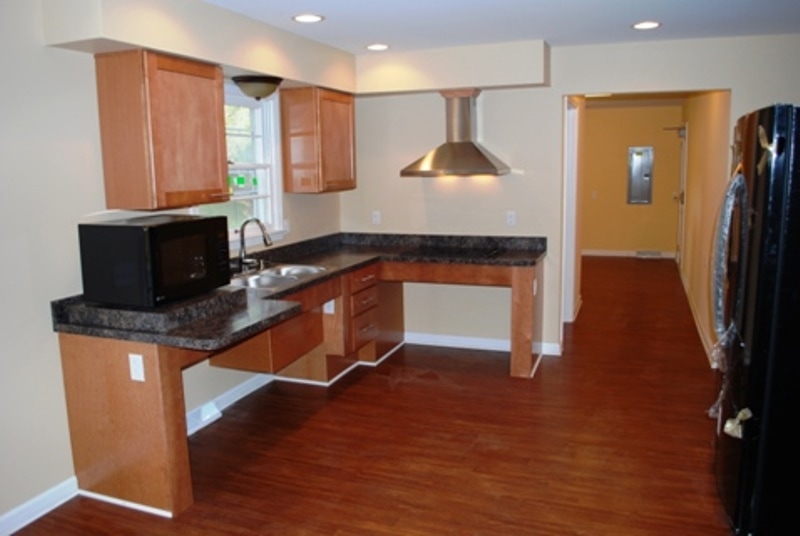
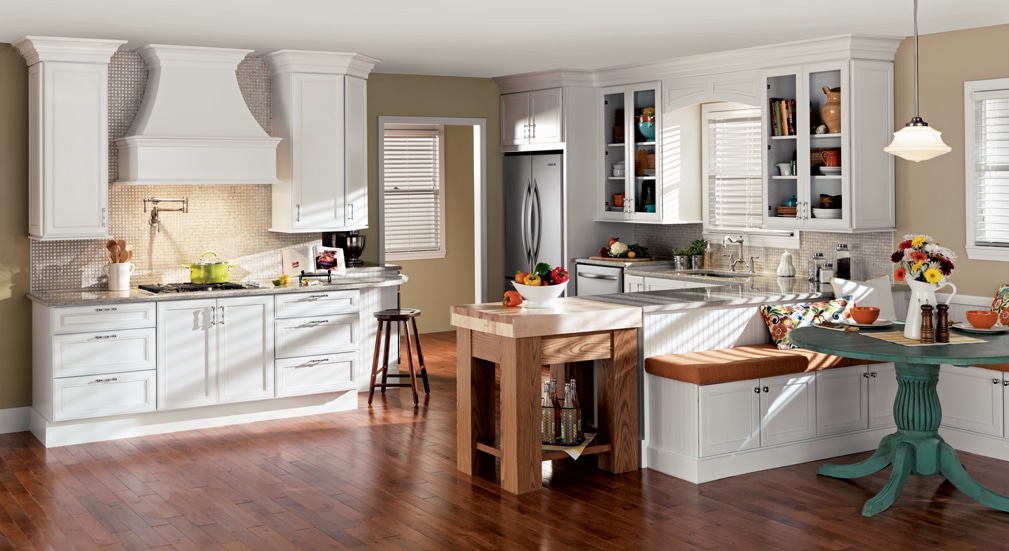
The kitchen is the most used room in the house and it often has the most barriers to independence.
Whether you need a barrier-free kitchen now or for the later years in life pre-planning for your home is a good and smart start.
We cannot always plan what is going to happen to us the next day, but we can plan how our home can accommodate us.
Barrier-Free Kitchen Features
To give you an idea of what a barrier-free kitchen remodel entails, it includes installing a roll-under sink, shorter countertop heights, a roll-under cooktop, a smooth cooktop, better lighting, setting the microwave lower, and pull-out shelves and drawers for easier access for wheelchairs.
We recognize the unique requirements of our clients and want you to stay in your home safely, comfortably, and most importantly independently.
Get Started on Remodeling Your Kitchen
At CAPS Remodeling, we understand the unique requirements of the physically challenged or handicapped. Our purpose is to provide solutions with our home modifications so that our clients can stay in their homes more safely, comfortably, and independently.
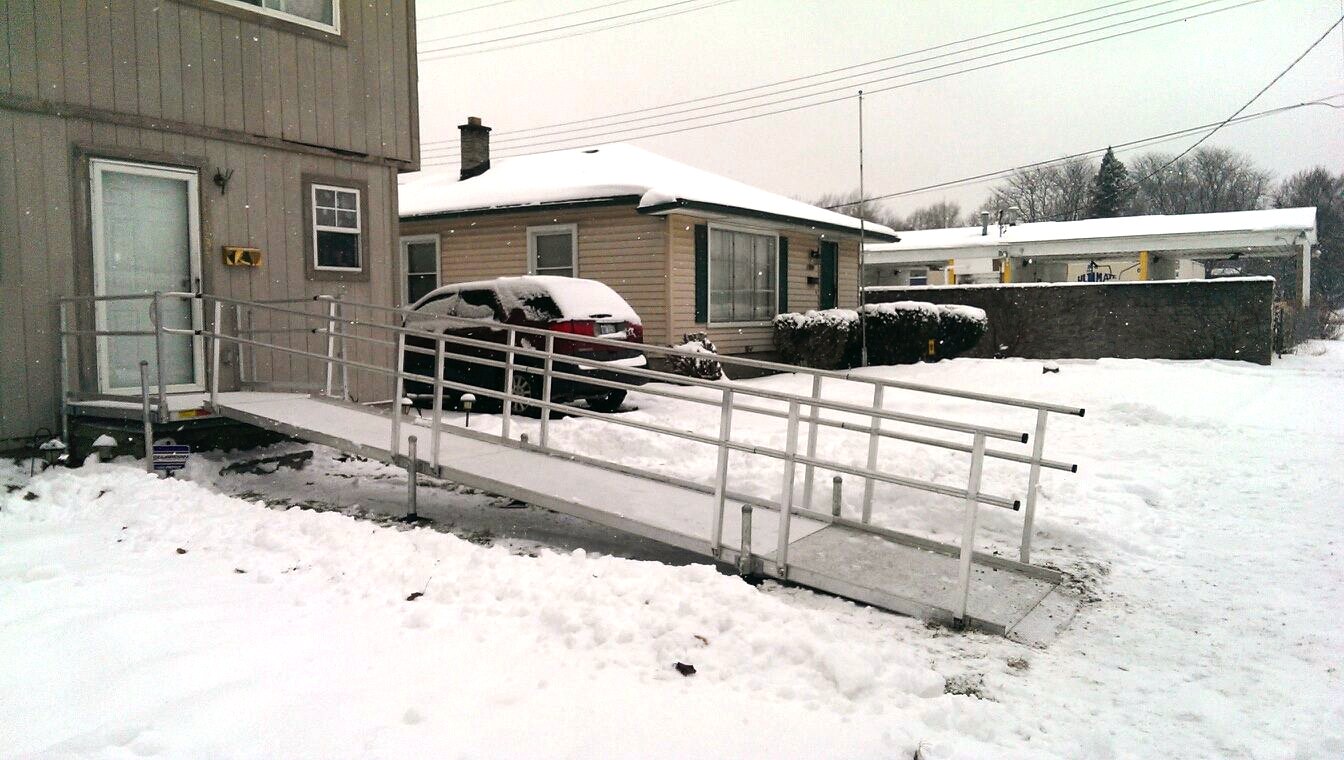
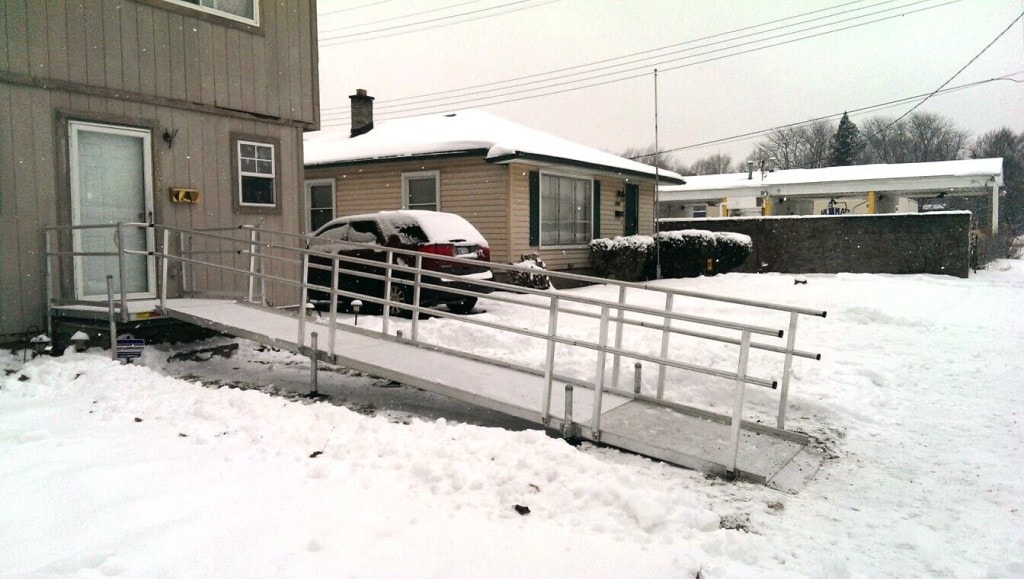
Some modifications we offer include wheelchair accessibility in the kitchen, grab bars installed in the bathroom, accessible bathing such as roll-in showers or step-in bathtubs, door widening, or wheelchair ramps leading into a doorway – to name a few! With so many services offered, we are confident that we will be able to provide you with the assistance you need to make your home a more comfortable place for you and your family.
Check out our website for more information on barrier-free remodeling.
FAQ
1. What features make a kitchen handicap accessible?
A handicap accessible kitchen is adapted to accommodate the needs of individuals with mobility challenges. This commonly includes lower countertops, accessible sinks, pull-out shelves, ramps instead of steps, lever-style handles, and enough room for a wheelchair to maneuver. Appliances such as wall ovens and side-opening microwaves, as well as touch or voice-controlled devices, also contribute to making a kitchen more accessible and safer for everyone.
2. How can I improve safety in an accessible kitchen?
Safety in a handicap accessible kitchen is prioritized with features like slip-resistant flooring, easy-to-reach fire extinguishers, automatic shut-off appliances, and rounded counter edges to prevent injuries. Proper lighting minimizes the risk of accidents, and clear, unobstructed pathways allow for easy navigation, reducing tripping hazards and ensuring emergency exits are accessible.
3. Are there specific guidelines for counter and cabinet heights in accessible kitchens?
Yes, accessible kitchen guidelines recommend counters at a height of 28-34 inches to allow comfortable wheelchair access. Cabinet height is adjusted so that important items are within reach without strain. Pull-down or pull-out shelving, as well as drawers with D-shaped handles, help make storage easier and safer for individuals with limited mobility or strength.
4. What are the best kitchen appliances for accessibility?
Accessible kitchens benefit from side-opening ovens installed at reachable heights, cooktops with front-mounted controls, drawer-style dishwashers, and refrigerators with bottom freezers. Appliances that offer tactile, visual, or auditory feedback and smart controls via voice or apps can further enhance independence and safety for users with various disabilities.
5. How do I plan an accessible kitchen layout for someone using a wheelchair?
When planning an accessible kitchen for a wheelchair user, ensure there is at least 60 inches of turning radius for easy movement. Design an open-concept layout with minimal obstructions, incorporate adjustable or lowered workspaces, and position sinks and cooktops to allow knee clearance underneath. Safety, comfort, and efficiency are improved by ensuring clear sightlines and easy access to all essential kitchen zones.

Introducing Kevin Olrich, Owner of CAPS Remodeling. As a trusted expert in the field of barrier free remodeling Kevin brings a compassionate approach to create safer, more comfortable, and independent living conditions for the elderly and disabled throughout the State of Michigan. His leadership and experience is at the core of how CAPS provides the best solutions to meet the unique needs of our customers and medical professionals.