Wheelchair Ramp Permit Michigan: What to Know About Slope, Landings, and Local Rules
May 25, 2026
Walk-In Tub vs. Roll-In Shower: Which Is Right for Your Michigan Home?
June 16, 2026
For many Michigan families, home accessibility modifications are not optional upgrades. They are safety improvements that can help an older adult, a person with a disability, or a veteran stay in the home they know and trust.
A safer bathroom, a wheelchair ramp, a stair lift, wider pathways, better handrails, or a patient lift can make everyday life easier. These changes can also reduce fall risks, make caregiving less physically demanding, and support more independence at home.
That naturally leads to one of the most common questions families ask: Does Medicare cover home modifications?
The answer is usually no for permanent remodeling work, but there are important exceptions and related programs to know about. Medicare may help with certain medical equipment used in the home, Medicaid may provide more flexibility through Michigan waiver programs, and VA benefits may help eligible veterans with certain accessibility changes.
This guide breaks down how Medicare, Medicaid, and VA coverage may apply to home accessibility modifications in Michigan, which projects may qualify, and what homeowners should understand before starting the process.
Does Medicare Cover Home Modifications?
In most cases, Original Medicare does not pay for permanent home modifications such as bathroom remodeling, wheelchair ramps, doorway widening, flooring changes, or full accessibility renovations.
Medicare is mainly health insurance. It is built to cover medically necessary care, certain medical services, and approved durable medical equipment. Medicare Part B can cover durable medical equipment when it is medically necessary and prescribed for home use. Examples may include walkers, wheelchairs, hospital beds, patient lifts, and other approved equipment.
That distinction matters.
A patient lift may be considered durable medical equipment in certain situations. A permanent ceiling lift installation, full bathroom rebuild, ramp construction, or accessible shower remodel is usually treated differently because it becomes part of the home rather than a removable medical device.
So, when someone asks, “does Medicare cover home modifications,” the practical answer is this: Medicare may cover some medical equipment used inside the home, but it usually does not cover construction-based home accessibility modifications.
Why Medicare Usually Does Not Pay for Accessibility Remodeling
Medicare generally looks at whether an item is medical equipment, medically necessary, prescribed by an approved provider, and used in the home. Permanent remodeling often falls outside that definition.
For example, a standard wheelchair may qualify as durable medical equipment under Medicare rules if all requirements are met. A ramp built into the front entrance of a home usually does not qualify as durable medical equipment because it is a structural modification.
The same idea applies to many bathroom safety projects.
Grab bars, accessible showers, walk-in bathing changes, comfort-height toilets, slip-resistant flooring, and widened bathroom entryways can be extremely helpful. They may even be medically recommended. However, they are still commonly treated as home improvements rather than covered Medicare benefits.
This can be frustrating for families because the need is real. A person may not be able to bathe safely, enter the home, transfer from a wheelchair, or use the stairs without changes. Still, Medicare coverage rules are narrow when it comes to physical changes to the home.
What Medicare May Cover Instead
Although Medicare usually does not pay for remodeling, it may help with certain equipment that supports mobility, transfers, and daily care at home.
Depending on the situation, Medicare may cover approved durable medical equipment such as wheelchairs, walkers, hospital beds, scooters, oxygen equipment, and patient lifts when the required medical and supplier rules are met. Patient lifts may also be covered under certain conditions when they meet Medicare’s requirements.
This is why families should separate the project into two categories.
The first category is equipment. This may include removable or semi-removable items prescribed for medical use.
The second category is construction. This may include ramps, bathroom remodeling, doorway widening, stair changes, flooring changes, and permanent accessibility updates.
Medicare may help with the first category. It usually does not help with the second category.
A homeowner who needs both may have to combine funding sources. For example, Medicare may help with an approved patient lift, while another program, private payment, or veteran benefit may be needed for bathroom safety work or ramp construction.
Does Medicare Advantage Cover Home Modifications?
Some Medicare Advantage plans may offer benefits beyond Original Medicare. These extra benefits vary by plan, location, year, and eligibility requirements.
In some cases, a Medicare Advantage plan may offer limited support for home safety items or in-home support services. However, homeowners should not assume that a plan will cover ramps, bathroom remodeling, stair lifts, or permanent accessibility improvements.
The best step is to contact the plan directly and ask specific questions.
Instead of asking only, “do you cover home modifications,” ask about the exact project. For example:
Can the plan help pay for grab bars?
Can the plan help pay for a wheelchair ramp?
Can the plan help pay for bathroom safety modifications?
Can the plan help pay for a stair lift?
Can the plan help pay for a patient lift?
Can the plan help pay for an accessibility assessment?
The more specific the question, the easier it is to get a useful answer. Families should also ask whether the benefit requires prior approval, a doctor’s order, an in-home assessment, a preferred contractor, or specific paperwork before work begins.
Does Michigan Medicaid Pay for Home Accessibility Modifications?
Michigan Medicaid may offer more options than Medicare for home accessibility modifications, especially for people who qualify for home and community-based services.
Michigan’s MI Choice Waiver program is one key program to understand. Environmental accessibility adaptations may be available through MI Choice for eligible adults who need a nursing facility level of care but can receive services in a home or community setting.
This is an important difference from Medicare.
Medicare generally focuses on medical care and medical equipment. Medicaid waiver programs can sometimes focus more directly on helping a person remain safely at home rather than moving into a facility.
For eligible Michigan residents, environmental accessibility adaptations may include certain physical changes to the home that support safety, access, and independence. Coverage depends on eligibility, assessment, program rules, approval, and whether the modification is considered necessary for the person’s care plan.
What Are Environmental Accessibility Adaptations?
Environmental accessibility adaptations are home changes that help a person function more safely in their living space.
These adaptations may be considered when a home has barriers that make daily life unsafe or impossible. A barrier might be a bathtub that cannot be safely entered, steps that block wheelchair access, narrow pathways, or a bathroom layout that prevents safe transfers.
Depending on program approval and individual need, examples may include accessibility changes such as ramps, bathroom safety modifications, grab bars, doorway adjustments, and other changes that improve access inside or around the home.
The goal is not luxury remodeling. The goal is function, safety, and continued living at home.
This is why documentation is so important. Medicaid waiver programs generally require that the modification be tied to a care need. A project is more likely to be considered when it directly supports mobility, bathing, toileting, transfers, entry into the home, or daily living safety.
Who May Qualify for Michigan Medicaid Home Modification Help?
Eligibility depends on the program. For MI Choice, a person generally must meet financial and care-related requirements. The program serves people who meet nursing facility level-of-care criteria but can receive support in a home or community-based setting.
That means not every Michigan Medicaid member will automatically qualify for home modifications.
A person may need an assessment. The home modification may need to be included in a service plan. The project may need prior authorization before work begins. There may also be cost limits, provider rules, and documentation requirements.
Families should avoid starting construction and assuming reimbursement will happen later. Many programs require approval first.
A safer approach is to speak with the appropriate Medicaid waiver contact, care coordinator, or case manager before scheduling the work. This helps confirm whether the project may be covered, what paperwork is needed, and whether there are contractor or estimate requirements.
Does the VA Pay for Home Accessibility Modifications?
For eligible veterans and service members, VA programs may offer meaningful help with home accessibility modifications.
The VA offers disability housing grants for veterans and service members with certain service-connected disabilities. These grants can help eligible people buy, build, or change a home to meet their needs and live more independently.
Two major VA housing adaptation grants are the Specially Adapted Housing grant and the Special Home Adaptation grant. These are not general home improvement grants. They are tied to specific qualifying disabilities and eligibility rules.
For Michigan veterans, this may be one of the most important funding paths to explore when the need for accessibility changes is connected to a qualifying service-connected disability.
What Types of VA Home Modifications May Be Covered?
VA housing adaptation benefits may help with changes that make the home more usable for the veteran’s disability-related needs.
Depending on eligibility and approval, this may include modifications such as ramps, wider doorways, accessible bathrooms, adapted entrances, and other changes that improve mobility and access to daily living.
The exact scope depends on the veteran’s grant eligibility, disability rating, home situation, and VA approval. Some veterans may qualify for larger housing adaptation support, while others may qualify for more limited assistance.
The key point is that VA benefits should be reviewed before the project begins. A veteran should not assume that every accessibility project will be covered. The VA will need to determine eligibility, review the requested modification, and approve the grant or benefit in accordance with its rules.
Medicare vs. Medicaid vs. VA Coverage
Medicare, Medicaid, and VA benefits are often discussed together, but they work very differently.
Medicare is usually the most limited option for home accessibility remodeling. It may cover approved durable medical equipment, but permanent home modifications are usually not covered.
Michigan Medicaid may be more flexible through waiver programs such as MI Choice, especially when a home modification helps a person remain safely in the community instead of needing facility-based care.
VA benefits may help eligible veterans with certain service-connected disabilities adapt their homes for greater independence.
For many families, the right answer is not one program. It may be a mix of benefits, private payment, family support, and phased planning.
For example, a homeowner may use Medicare for approved durable medical equipment, explore Medicaid waiver support for home safety adaptations, and use private funds for upgrades that are needed but not covered.
A veteran may explore VA housing adaptation grants first, then consider other resources for work that falls outside the grant approval.
Common Home Accessibility Modifications Michigan Families Ask About
Michigan families often ask about similar accessibility projects because the same home barriers keep coming up.
Bathroom safety is one of the biggest concerns. Many falls occur in bathrooms due to wet surfaces, high tub walls, tight layouts, and limited support points. Modifications may include grab bars, accessible showers, handheld shower fixtures, shower seating, better lighting, and safer flooring.
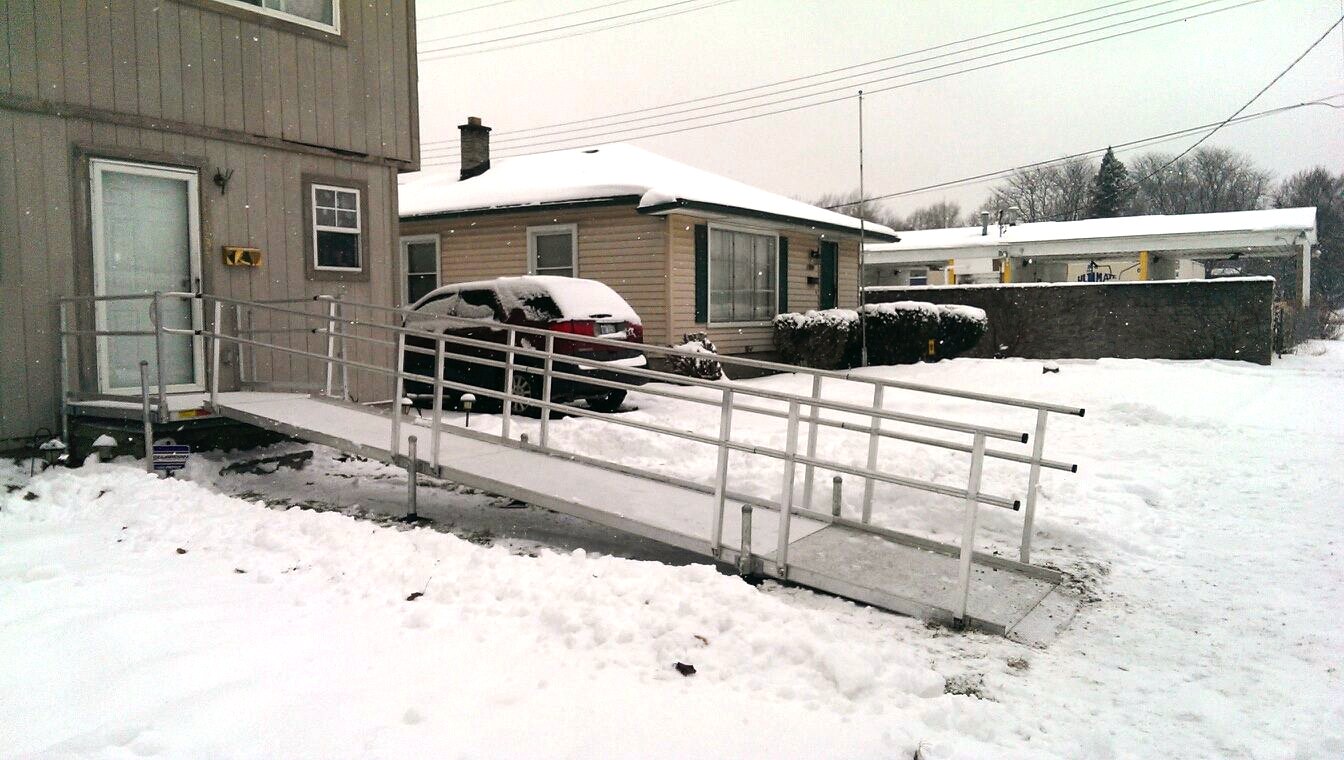
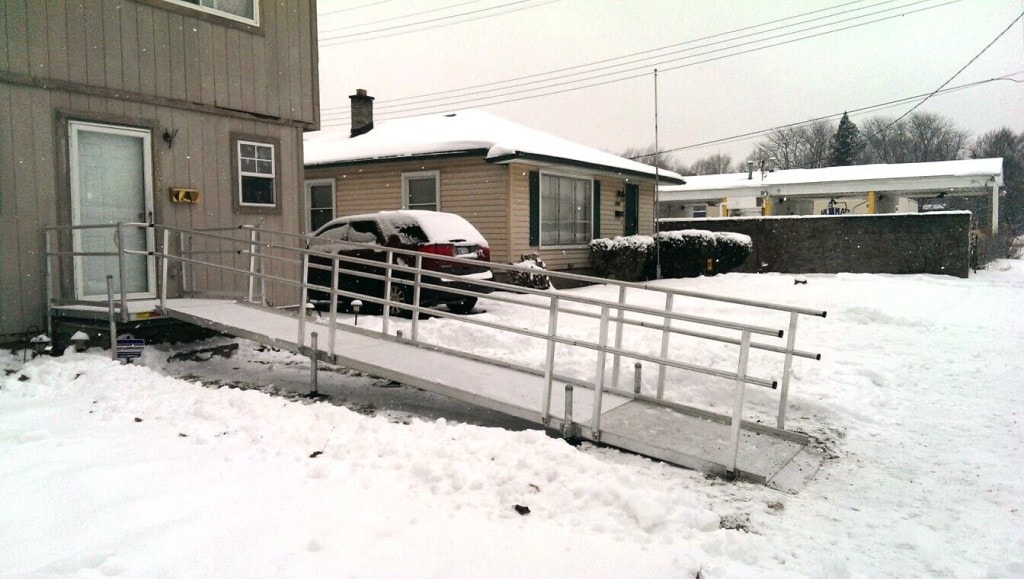
Entry access is another major concern. A person may be able to move around inside the home but still struggle to get through the front door, garage entrance, or back entry. Wheelchair ramps and handrails can make a major difference.
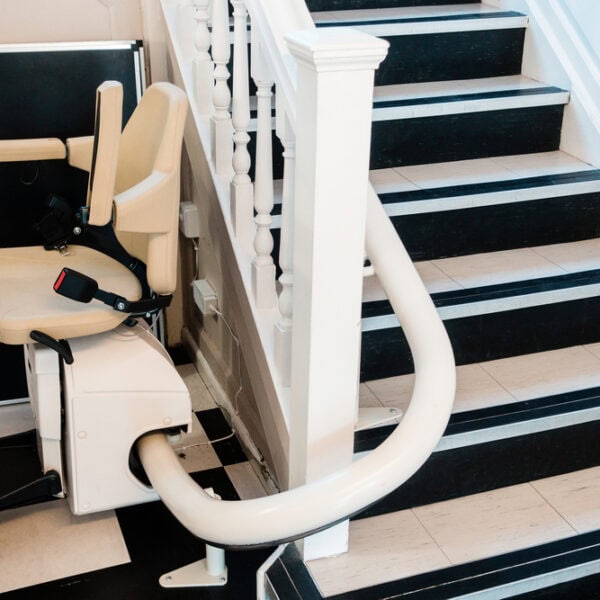
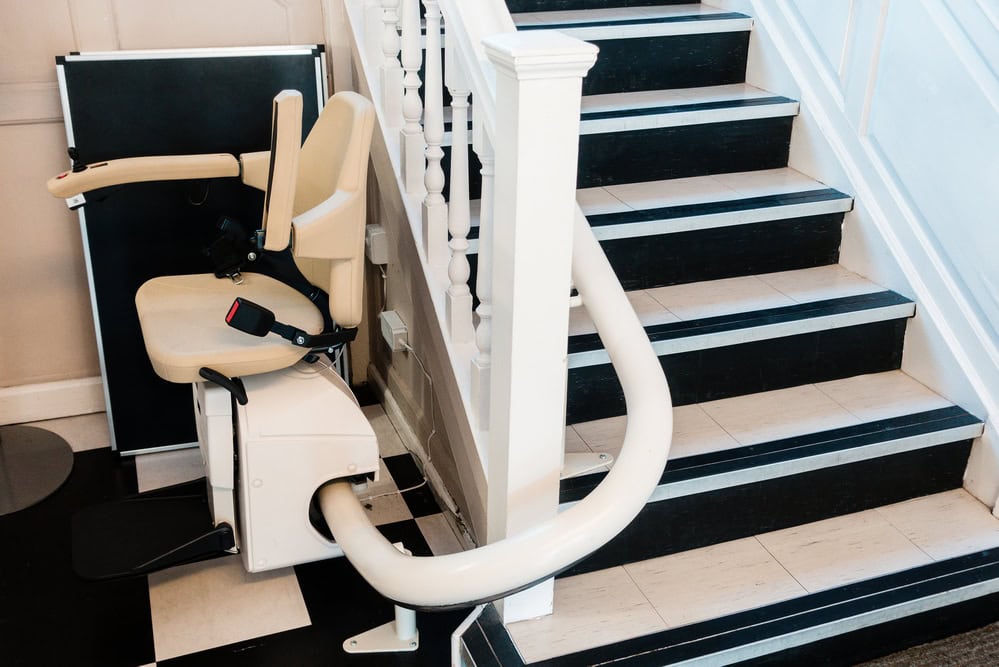
Stairs are also a common barrier in Michigan homes. Many homes have bedrooms, laundry areas, or bathrooms on different levels. Stair lifts, platform lifts, and home elevators may be considered when stairs limit safe movement.
Transfers can also become difficult. Moving from a bed to a wheelchair, from a wheelchair to a toilet, or from a chair to a shower can put both the individual and the caregiver at risk. Patient lifts and bathroom layout changes may help reduce strain and improve safety.
Every home is different, so the right modification depends on the person’s mobility, caregiver support, floor plan, entrances, bathroom setup, and long-term needs.
Why Approval Before Installation Matters
When funding may involve Medicare, Medicaid, or VA benefits, timing matters.
Many families make the mistake of paying for modifications first and asking about coverage later. That can create problems. Programs may require prior authorization, medical documentation, inspections, care plan approval, or specific application steps before work begins.
This is especially important for Medicaid waiver services and VA housing adaptation grants.
A homeowner may need to show that the modification is medically or functionally necessary. A veteran may need to complete the proper VA application process. A Medicaid participant may need the change approved as part of a support plan.
Even when a project seems obviously necessary, the funding source may still deny payment if the process is not followed.
Before beginning work, families should gather documents, speak with the correct program contact, and ask what must happen before installation.
What Documentation May Help?
The documentation needed will depend on the program, but families can prepare by collecting clear information about the safety concern and the requested modification.
Helpful documentation may include a doctor’s note, a therapy recommendation, a care plan, a mobility assessment, discharge paperwork, a fall history, photos of the unsafe area, and a written explanation of how the modification supports daily living.
For example, if a person cannot safely step over a bathtub wall, the documentation should explain the bathing barrier. If a wheelchair user cannot enter the home, photos of the steps and doorway may help show the access problem. If a caregiver is injured or at risk during transfers, a patient lift recommendation may be helpful.
The goal is to connect the project to a real, everyday need.
A request that says “bathroom remodel” may sound optional. A request that explains unsafe bathing access, transfer risk, mobility limits, and the need for specific safety changes is much stronger.
How CAPS Remodeling Helps Michigan Homeowners Plan Accessibility Projects
CAPS Remodeling works with homeowners who need safer, more accessible living spaces. These projects are often personal. They may involve a parent who wants to stay home, a spouse recovering from a major health change, a veteran adapting to new mobility needs, or a family trying to make caregiving safer.
The right accessibility plan starts with the home and the person using it.
A bathroom may need grab bars, a safer shower entry, more room for transfers, and better support around the toilet. An entrance may need a ramp, handrails, or a more stable path. A multi-level home may need a lift solution. A bedroom or living area may need layout changes to improve mobility.
CAPS Remodeling can help homeowners think through the physical side of the project: what needs to change, what safety concerns exist, and what modifications may make the home more usable.
Families exploring Medicare, Medicaid, or VA benefits should also speak directly with their benefit program, care coordinator, case manager, or VA representative about coverage rules and approvals.
Questions to Ask Before Starting a Home Modification Project
Before starting a home accessibility project, families should ask several practical questions.
What daily activity is unsafe right now?
Is the main problem entry access, bathing, toileting, stairs, transfers, or general mobility?
Does the person use a wheelchair, walker, cane, scooter, or caregiver assistance?
Is the need short-term, long-term, or likely to increase over time?
Will the modification still work if mobility changes in the future?
Could any funding source require approval before installation?
Is the work urgent due to a hospital discharge, fall risk, or a caregiver safety issue?
These questions help shape a better project. They also help avoid spending money on a change that solves only part of the problem.
For example, installing grab bars may help, but if the person cannot enter the shower safely, a larger bathroom safety change may be needed. A ramp may solve entry access, but the doorway width and interior turning space may still need attention.
Accessibility works best when the whole path of movement is considered.
Planning for Michigan Homes and Weather
Michigan homes bring their own accessibility challenges.
Snow, ice, rain, and freeze-thaw conditions can affect ramps, exterior handrails, thresholds, and outdoor walking surfaces. A ramp that works well in summer may need the right surface, slope, drainage, and handrail setup to remain safer during winter.
Older homes may also have narrow hallways, small bathrooms, raised thresholds, steep stairs, and tight entryways. These conditions can make accessibility planning more detailed.
For homeowners in Michigan, it is important to think beyond the immediate modification. A safe entry should account for outdoor conditions. A bathroom safety plan should account for the user’s mobility and caregiver space. A lift or stair solution should account for the home’s layout and long-term use.
Good planning can help the modification feel less like a patch and more like a safer way to keep living at home.
So, Does Medicare Cover Home Modifications?
The answer is usually no.
Medicare may cover certain durable medical equipment when requirements are met, but it generally does not pay for permanent home accessibility remodeling. That means projects such as wheelchair ramps, accessible bathroom remodels, doorway widening, and many built-in safety upgrades are usually not paid for by Original Medicare.
However, that does not mean homeowners are out of options.
Michigan Medicaid waiver programs may help eligible residents with environmental accessibility adaptations. VA housing adaptation grants may help eligible veterans and service members with certain service-connected disabilities. Medicare Advantage plans may offer limited additional benefits, depending on the plan.
The best approach is to identify the person’s needs, check eligibility before work begins, gather documentation, and plan the modification with safety, function, and long-term use in mind.
For many Michigan families, home accessibility modifications can make the difference between struggling in an unsafe home and living with more confidence, comfort, and support.
FAQs
Does Medicare cover home modifications like ramps or bathroom remodeling?
Original Medicare usually does not cover permanent home modifications such as ramps, bathroom remodeling, doorway widening, or built-in accessibility changes. It may cover certain durable medical equipment when prescribed and medically necessary.
Does Medicare cover grab bars?
Original Medicare generally does not cover grab bar installation as a home modification. Some Medicare Advantage plans may offer limited home safety benefits, but coverage varies by plan and should be confirmed before installation.
Can Michigan Medicaid pay for wheelchair ramps or bathroom safety modifications?
Michigan Medicaid may help eligible participants through waiver programs such as MI Choice. Environmental accessibility adaptations may be available as a waiver service, but approval depends on eligibility, assessment, care planning, and program rules.
Can the VA help veterans pay for home accessibility modifications?
Yes, eligible veterans and service members with certain service-connected disabilities may qualify for VA housing adaptation grants. These grants may help pay for approved home changes such as ramps, wider doorways, and other accessibility modifications.
Should I start the project before applying for coverage?
It is better to check coverage and approval requirements before starting work. Medicaid waiver programs, VA grants, and some plan-based benefits may require documentation, prior approval, or specific steps before installation.

Introducing Kevin Olrich, Owner of CAPS Remodeling. As a trusted expert in the field of barrier free remodeling Kevin brings a compassionate approach to create safer, more comfortable, and independent living conditions for the elderly and disabled throughout the State of Michigan. His leadership and experience is at the core of how CAPS provides the best solutions to meet the unique needs of our customers and medical professionals.