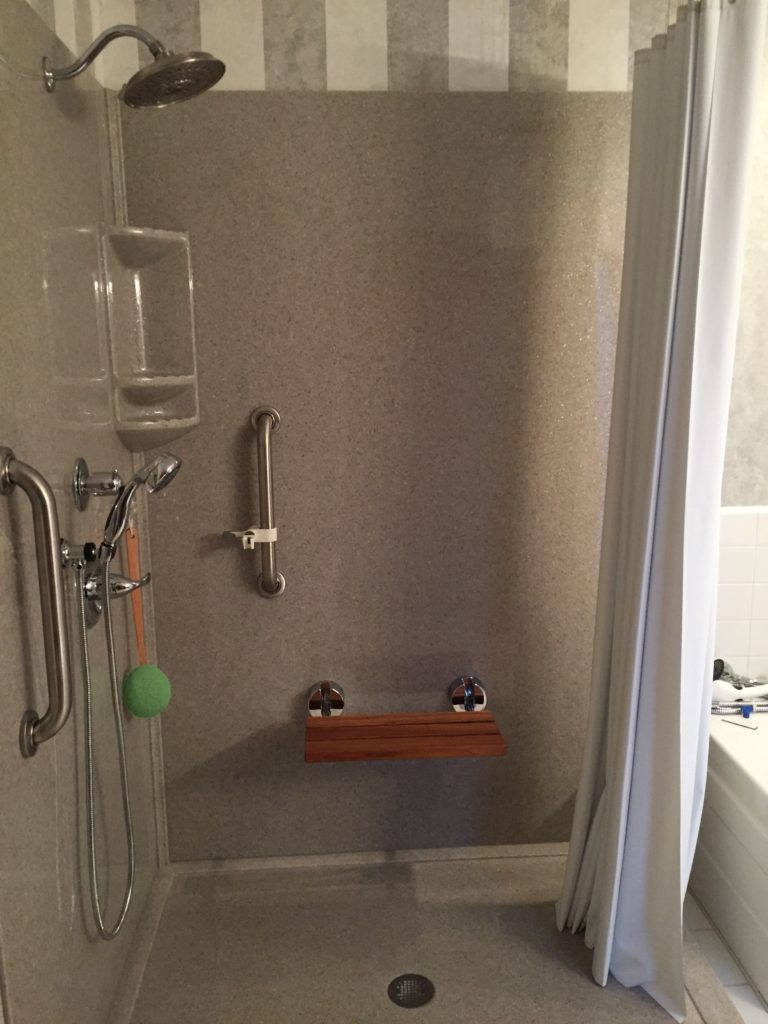

Does Medicare, Medicaid, or the VA Pay for Home Accessibility Modifications in Michigan?
June 9, 2026
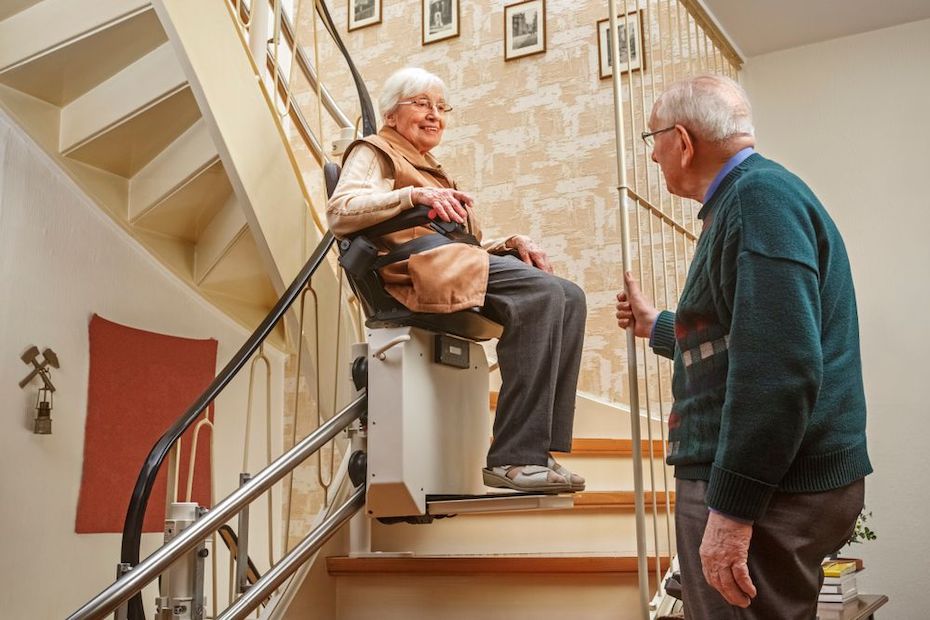
Accessible Kitchen Remodeling: Wheelchair-Friendly Design Ideas for Aging in Place
June 23, 2026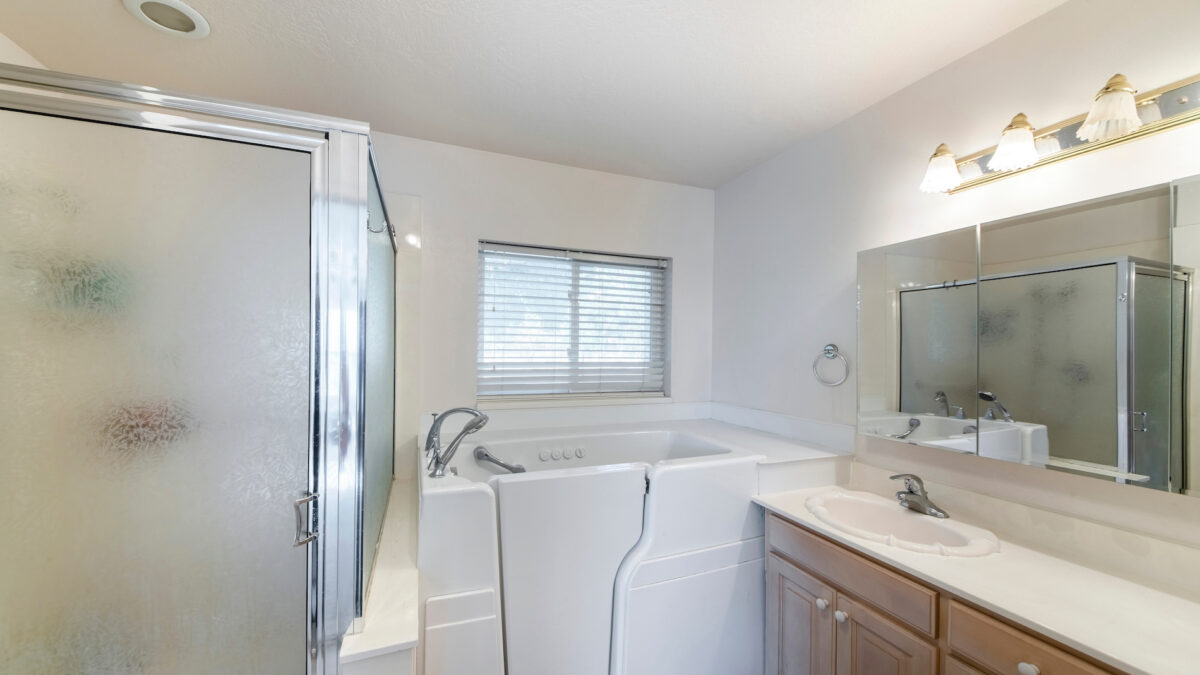
Choosing between a walk-in tub and a roll-in shower is one of the most important decisions homeowners make when planning a safer bathroom.
Both options can support aging in place. Both can reduce the risks of stepping over a high tub wall. Both can make bathing more comfortable for people with limited mobility.
Still, they are not the same.
A walk-in tub is usually best for someone who wants to sit, soak, and bathe with more comfort than a standard bathtub allows. A roll-in shower is usually best for someone who uses a wheelchair, a walker, or caregiver support, or who wants the easiest possible entry.
For Michigan homeowners, the right choice depends on mobility, bathroom size, caregiver needs, budget, long-term health changes, and daily use.
This guide explains the key differences between a walk-in tub and a roll-in shower so you can choose the option that fits your home, lifestyle, and safety needs.
What Is a Walk-In Tub?
A walk-in tub is a bathtub designed with a low-entry door. Instead of stepping over a high tub wall, the user opens the door, steps into the tub, closes the door, and sits on a built-in seat.
Most walk-in tubs are made for seated bathing. Many models include grab bars, slip-resistant flooring, easy-to-reach controls, handheld showerheads, and built-in seating.
Some walk-in tubs also include comfort features such as water jets or air jets. These features can be appealing to people who enjoy soaking or want a more relaxing bathing experience.
The main purpose of a walk-in tub is to make bathing safer than using a traditional bathtub. It can be a good fit for someone who can still step over a small threshold and sit upright during bathing.
However, a walk-in tub is not always the best choice for someone who uses a wheelchair full-time or requires significant caregiver assistance with transfers.
What Is a Roll-In Shower?
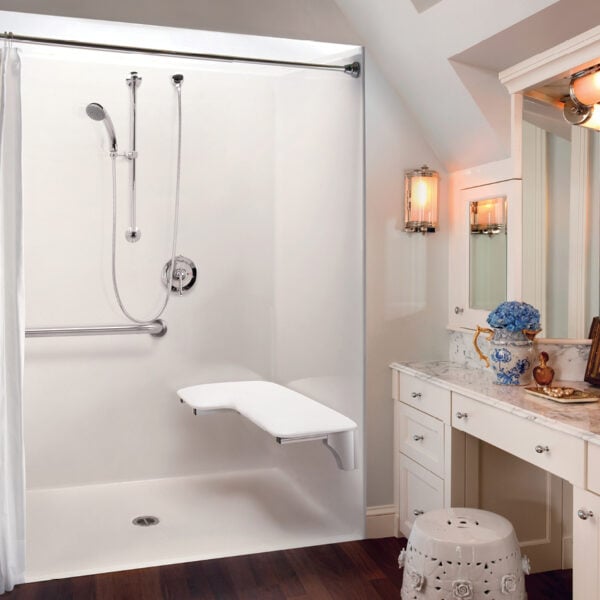
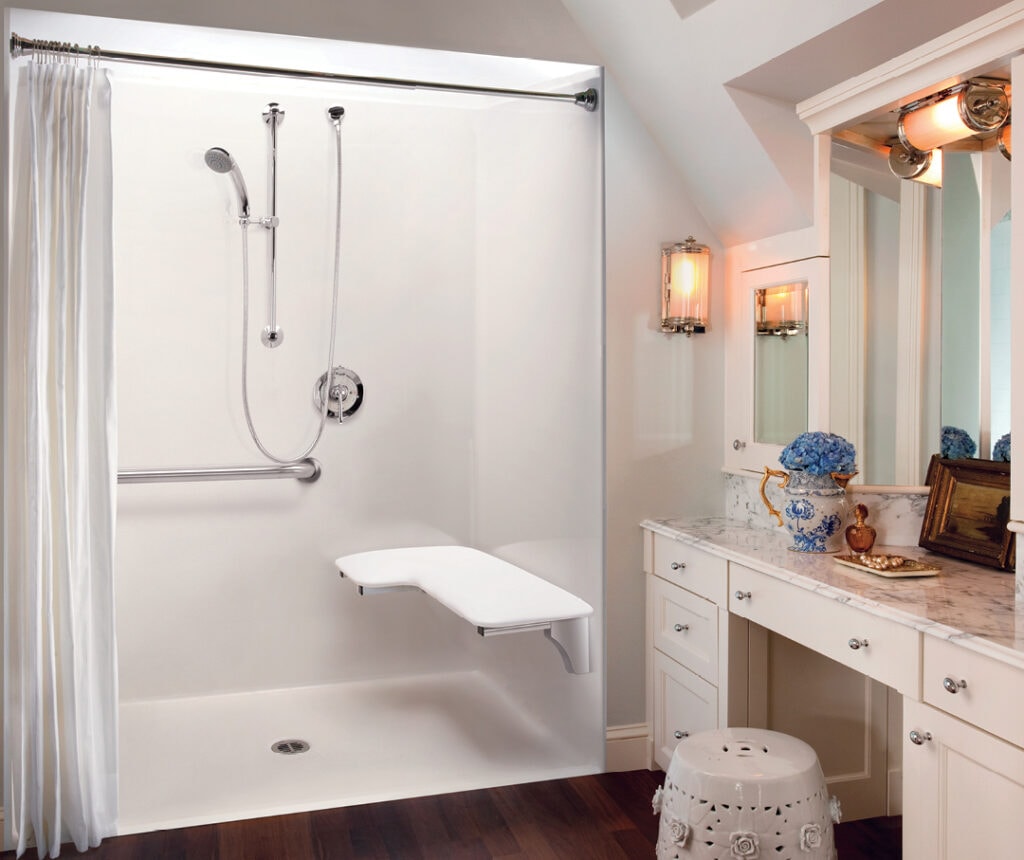
A roll-in shower is an accessible shower with a low or barrier-free entry. It is designed so that a wheelchair, walker, shower chair, or caregiver can move into the shower area more easily.
Unlike a standard shower with a curb, a roll-in shower is designed to eliminate or reduce the step at the entrance. It often includes a wider opening, slip-resistant flooring, grab bars, handheld shower controls, seating, and enough space for safer movement.
Roll-in showers are often recommended for people who need the highest level of bathing access.
They can work well for wheelchair users, people who cannot safely lift their legs over a tub wall, people who need assistance from a caregiver, and homeowners planning for long-term accessibility.
A roll-in shower may not provide the soaking experience of a tub, but it often provides more freedom, more space, and easier entry.
Walk-In Tub vs Roll-In Shower: The Main Difference
The main difference between a walk-in tub and a roll-in shower is how the user enters, bathes, and exits.
A walk-in tub still requires the user to step into the tub and sit while it fills and drains. The door cannot be opened while the tub is full, so the person must remain seated until the water has drained enough to open the door safely.
A roll-in shower allows the user to enter the shower area with less waiting. The person can walk in, roll in, or transfer to a shower chair. The shower can be used with more open space and often with more caregiver access.
So, the question is not only which one looks better. The better question is: which option matches the user’s mobility now and in the future?
If the person can walk independently and enjoys soaking, a walk-in tub may be a strong option.
If the person uses a wheelchair, has balance concerns, or needs help bathing, a roll-in shower may be the safer and more practical choice.
Safety Considerations for Walk-In Tubs
A walk-in tub can make bathing safer than climbing over the wall of a traditional bathtub.
A lower step-in height can reduce the risk of tripping. Built-in seating can help users avoid standing for long periods. Grab bars and slip-resistant surfaces can provide more support while entering, sitting, and exiting.
For many older adults, this can be a major improvement.
However, walk-in tubs still require some mobility. The user must be able to step into the tub, turn, sit down, stand up, and exit safely. Even though the entry is lower than a standard bathtub, it is not completely barrier-free.
There is also the waiting period to consider.
The user must usually sit inside the tub while it fills and drains. In a Michigan winter, that waiting time may feel uncomfortable if the bathroom is cool or drafty. A warm bathroom, proper ventilation, and a good water heater setup can improve the experience.
For people with serious balance issues, transfer challenges, or a high risk of falls, the waiting and entry process may be a concern.
Safety Considerations for Roll-In Showers
A roll-in shower is often the safer choice for people with more limited mobility.
The low or barrier-free entry can make it easier to enter without lifting the legs over a tub wall. This is helpful for people using wheelchairs, walkers, canes, or shower chairs.
Roll-in showers also give caregivers more room to help. That extra space can reduce awkward bending, twisting, and lifting during bathing support.
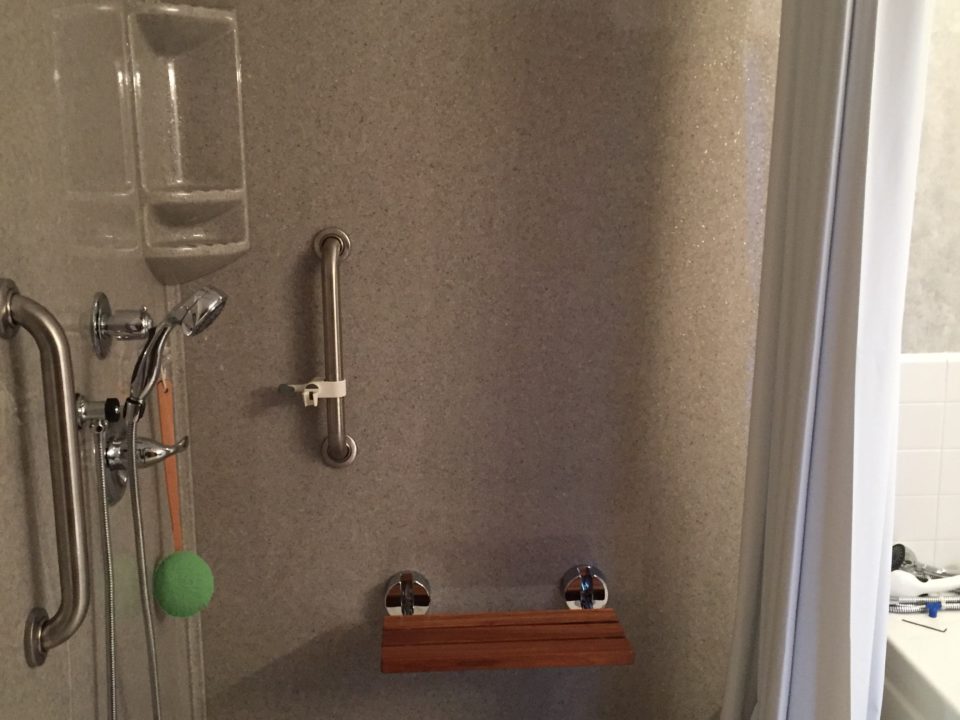
A well-designed roll-in shower may include grab bars in the right places, a fold-down seat or shower chair, handheld controls, slip-resistant flooring, good drainage, and enough turning space.
Drainage is especially important. A roll-in shower must be planned correctly so water stays where it should. The slope of the floor, shower size, drain placement, and water control features all matter.
When installed properly, a roll-in shower can make daily bathing easier, safer, and faster for many Michigan homeowners.
Which Option Is Better for Wheelchair Users?
For most wheelchair users, a roll-in shower is usually the better choice.
A roll-in shower is designed with access in mind. It can accommodate a wheelchair or shower chair in the bathing area with fewer barriers. It can also provide more space for transfers and caregiver support.
A walk-in tub may not work as well for a wheelchair user because it still requires a transfer into a seated tub area. The user must transfer from the wheelchair to the tub seat and remain inside while the tub fills and drains.
That transfer may be difficult or unsafe for some people.
Some walk-in tub models have wider doors or transfer-friendly layouts, but they still do not offer the same open access as a well-planned roll-in shower.
For homeowners who are planning for long-term wheelchair use, a roll-in shower is often the more flexible option.
Which Option Is Better for Aging in Place?
Both options can support aging in place, but they support it in different ways.
A walk-in tub may be better for someone who is still mobile, enjoys bathing, and wants to replace a standard tub with a safer seated option. It can feel familiar because it still offers a tub-style bathing experience.
A roll-in shower may be better for someone planning for future mobility changes. It is often easier to adapt over time because it can accommodate standing, seated, walker, wheelchair, and caregiver users.
For long-term planning, many homeowners choose a roll-in shower because it can serve more stages of mobility.
A person may walk into it today, use a shower chair later, and need caregiver support in the future. The same shower can often continue working through those changes.
A walk-in tub can be helpful, but it may become harder to use if the person’s mobility declines.
Comfort and Bathing Experience
Comfort is a major factor in the walk-in tub vs. roll-in shower decision.
A walk-in tub offers a soaking experience. For people who enjoy sitting in warm water, this can be a major benefit. The built-in seat can feel secure, and the bathing process may be relaxing.
Some homeowners like walk-in tubs because they feel less clinical than some accessible shower setups. They still offer the comfort of a bath, but with easier entry than a standard tub.
A roll-in shower offers a different kind of comfort.
It provides more open space, easier movement, and faster bathing. It can feel less confining than a walk-in tub. It also allows the user to bathe while standing, sitting on a bench, or using a shower chair.
For someone who does not care about soaking, a roll-in shower may feel simpler and more convenient every day.
The best choice depends on how the person prefers to bathe and what level of support they need.
Caregiver Support and Family Needs
Caregiver support is one of the biggest factors in this decision.
If a family member or professional caregiver helps with bathing, a roll-in shower is often easier to work with. The open layout provides more space to assist with transfers, washing, drying, and movement.
A walk-in tub can be harder for caregivers to use because the user is seated in a smaller bathing area. Helping someone enter, sit, stand, and exit may require more careful positioning.
This does not mean a walk-in tub is never right for someone with caregiver help. It simply means the bathroom layout and level of assistance must be reviewed carefully.
For families in Michigan caring for an aging parent, spouse, or loved one, the goal is not only the user’s safety. It is also caregiver safety.
A bathing setup that forces the caregiver to bend, reach, or lift in awkward positions can increase the risk of strain and injury. A roll-in shower may reduce that problem by allowing better access from different angles.
Space Requirements in Michigan Bathrooms
Many Michigan homes have bathrooms that were not designed for accessibility. Older homes may have narrow doors, small tub alcoves, tight toilet placement, and limited floor space.
A walk-in tub may fit into the footprint of an existing bathtub. This can make it appealing for homes with tight bathroom layouts.
However, fit is not the only issue. The door swing, transfer space, seat position, and user’s mobility must still be considered.
A roll-in shower may require more planning. The shower area often needs enough room for entry, turning, seating, drainage, and caregiver access. In some bathrooms, this may mean reworking the layout.
That can involve removing a tub, adjusting plumbing, changing flooring, widening the entry, or making other accessibility updates.
The extra planning can be worth it if the result is a safer and more usable bathroom. But the home’s layout must be reviewed before making a decision.
Water Use and Drainage
Walk-in tubs and roll-in showers handle water very differently.
A walk-in tub requires the user to sit inside while the tub fills. It also requires the user to wait for the water to drain before opening the door.
This means water heater capacity matters. If the water heater is too small, the tub may not fill with enough warm water for a comfortable bath. Michigan homeowners should consider this before choosing a large walk-in tub.
A roll-in shower uses water more like a standard shower, but the drainage design is critical.
Because the shower entry is low or barrier-free, the floor must be sloped properly. The shower should be designed to help control water and reduce pooling outside the shower area.
Poor drainage can create slip hazards and damage flooring. Good planning can help prevent those issues.
Cleaning and Maintenance
Cleaning is another practical difference.
A walk-in tub has a door seal, a built-in seat, jets if included, and a deeper bathing area. These features may require regular cleaning to keep the tub working well and feeling fresh.
If the tub has water jets or air jets, maintenance may be more involved. Homeowners should understand the cleaning requirements before choosing extra features.
A roll-in shower is often easier to clean because it has a more open design. Large wall panels, slip-resistant flooring, and fewer tight corners can make maintenance simpler.
However, roll-in showers still need routine care. Grout lines, drains, shower seating, glass panels, and grab bars should be cleaned regularly.
For someone with limited energy or mobility, the easier cleaning option may be the better long-term choice.
Cost Factors to Consider
Cost can vary widely for both options.
A walk-in tub may be less disruptive if it fits where the existing tub is located. However, the final cost depends on the tub model, features, plumbing needs, electrical needs, and bathroom conditions.
A roll-in shower may require more remodeling, especially if the bathroom floor needs to be adjusted for drainage or the layout changed. The cost can also depend on shower size, materials, seating, grab bars, waterproofing, and whether changes to the doorway or flooring are needed.
Instead of choosing based solely on the starting price, homeowners should consider long-term value.
A walk-in tub may be right today, but will it still work if mobility declines?
A roll-in shower may cost more in some cases, but will it better support future needs?
A good accessibility project should solve today’s problem while also reducing the chance of needing another major remodel soon.
Resale and Long-Term Home Value
Accessible bathroom upgrades can make a home more usable for a wider range of people.
A roll-in shower often has broad appeal because many homeowners like low-entry showers even when they do not have mobility concerns. A well-designed shower can look modern, clean, and practical.
A walk-in tub may strongly appeal to some buyers, especially older adults or those who enjoy seated bathing. However, some buyers may prefer a shower, especially if the home has only one full bathroom.
For Michigan homeowners thinking about resale, the best choice is usually the one that looks intentional and functions well.
A poorly planned accessibility upgrade can feel awkward. A well-designed accessible bathroom can feel like a smart improvement.
CAPS Remodeling can help homeowners think through both safety and layout so the finished bathroom feels useful, comfortable, and suited to the home.
When a Walk-In Tub May Be the Better Choice
A walk-in tub may be the better choice when the user can still walk, step over a low threshold, sit upright, and stand without major assistance.
It may also be a good fit for someone who enjoys soaking and wants a more relaxing bath experience.
A walk-in tub can work well for someone with mild to moderate mobility limitations who does not need wheelchair access in the bathing area.
It may also be appealing when the bathroom has limited space and the existing tub footprint works well for replacement.
The key is making sure the user can safely enter, sit, wait, stand, and exit. If any part of that process feels risky, a roll-in shower may be the better option.
When a Roll-In Shower May Be the Better Choice
A roll-in shower may be the better choice when safety, access, and long-term flexibility are the top priorities.
It is often a strong fit for wheelchair users, walker users, people with serious balance concerns, and anyone who needs caregiver support during bathing.
It can also be ideal for homeowners who want to age in place and plan before mobility becomes more limited.
A roll-in shower can make the bathroom easier to use for many people in the household. It can support standing showers, seated showers, assisted bathing, and wheelchair access, depending on the design.
For many Michigan families, this flexibility makes the roll-in shower the more practical long-term choice.
How to Decide Between a Walk-In Tub and Roll-In Shower
The best way to decide is to think about daily use.
Start with the person who will use the bathroom most often. Can they step safely? Can they stand long enough to transfer? Do they need a walker or a wheelchair? Do they need help from a caregiver? Do they enjoy soaking, or do they simply need a safer way to bathe?
Then look at the bathroom itself. Is there enough space for a roll-in shower? Can the doorway be widened if needed? Is there room for a shower chair? Would a walk-in tub fit the existing layout better?
Also, think about the future. A bathroom that works today should still be useful if mobility changes over the next few years.
Many homeowners make the mistake of solving only the current problem. For example, a walk-in tub may help now, but if wheelchair access becomes necessary later, the bathroom may need another remodel.
A roll-in shower may offer more flexibility for changing needs, but it must be designed correctly to control water, support transfers, and feel comfortable.
Why Professional Planning Matters
Accessible bathroom remodeling is different from standard bathroom remodeling.
The details matter more because the project is tied to safety, movement, and daily care. Grab bar placement, shower entry height, floor slope, seat location, doorway width, lighting, and fixture reach can all affect how well the bathroom works.
A bathroom can look accessible yet be difficult to use if the layout does not meet the person’s needs.
For example, a shower bench may be installed on the wrong wall. A grab bar may be placed where it looks good, but does not help with transfers. A shower may be low-entry but too small for caregiver assistance.
CAPS Remodeling helps Michigan homeowners plan bathroom safety upgrades around real daily use. That means looking at the person, the home, and the long-term goal before deciding between a walk-in tub and a roll-in shower.
Walk-In Tub vs Roll-In Shower
The right choice depends on safety, comfort, mobility, and future needs.
A walk-in tub can be a good option for someone who wants a seated bathing experience, enjoys soaking, and can still step into the tub safely. It can be a major improvement over a traditional bathtub.
A roll-in shower is often better for wheelchair users, walker users, caregiver-assisted bathing, and long-term aging in place. It provides easier entry, more space, and more flexibility as needs change.
For many Michigan homes, the roll-in shower is the more adaptable choice. But for the right person, a walk-in tub can still be a comfortable and safer bathing solution.
Before deciding, consider how the bathroom is used now, how mobility may change, and what layout will make bathing safer every day.
CAPS Remodeling can help homeowners choose the right accessible bathing option and create a bathroom that supports comfort, independence, and safer living at home.
FAQs
Is a walk-in tub safer than a regular bathtub?
Yes, a walk-in tub is usually safer than a regular bathtub because it has a lower entry, built-in seating, and support features. However, it still requires the user to step in, sit down, stand up, and wait for the tub to drain before exiting.
Is a roll-in shower better than a walk-in tub for wheelchair users?
In most cases, yes. A roll-in shower is usually better for wheelchair users because it offers easier entry, more open space, and better access for transfers or caregiver support.
Which is better for aging in place: a walk-in tub or a roll-in shower?
A roll-in shower is often better for long-term aging in place because it can support changing mobility needs over time. A walk-in tub may be better for someone who still walks safely and wants a seated soaking experience.
Can a small Michigan bathroom fit a roll-in shower?
Some small bathrooms can be changed to fit a roll-in shower, but it depends on the layout, plumbing, doorway width, and available floor space. A professional layout review can help determine what is possible.
Does a roll-in shower need grab bars and seating?
Most accessible roll-in showers work best with grab bars, slip-resistant flooring, handheld controls, and seating. These features help improve safety, comfort, and ease of use.

Introducing Kevin Olrich, Owner of CAPS Remodeling. As a trusted expert in the field of barrier free remodeling Kevin brings a compassionate approach to create safer, more comfortable, and independent living conditions for the elderly and disabled throughout the State of Michigan. His leadership and experience is at the core of how CAPS provides the best solutions to meet the unique needs of our customers and medical professionals.