
Top Features to Include in Wheelchair Accessible Bathroom Remodeling in Detroit
April 21, 2026
Wheelchair Ramp Length Calculator: How to Measure the Right Ramp Size for Your Home
May 7, 2026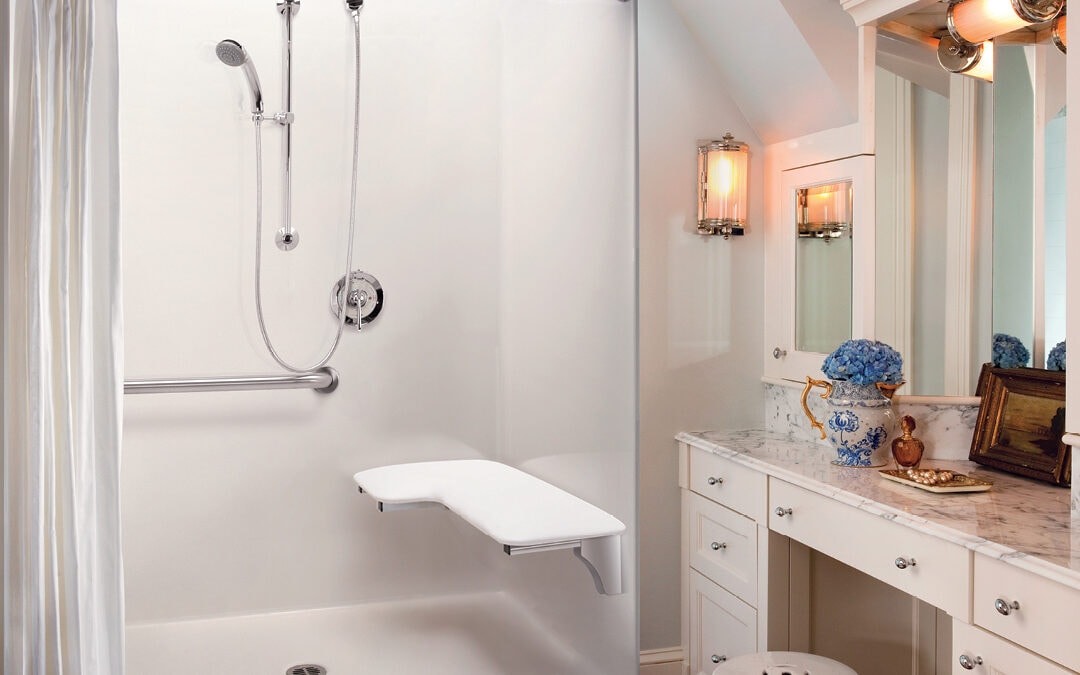
Bathrooms can become one of the hardest areas of the home to use when mobility changes. A standard tub or raised shower entry may seem manageable at first, but for someone using a wheelchair, walker, or transfer support, that setup can quickly turn into a daily obstacle. That is why many families begin looking into roll-in showers for wheelchairs in Madison Heights when safety and ease of use become more important.
A roll-in shower is designed to make bathroom access smoother by reducing or removing the barrier at the shower entrance. Instead of stepping over a tub wall or a high curb, the user can enter the shower area with far less difficulty. For some households, that means better independence. For others, it means safer caregiving and less strain during daily routines.
Still, not every shower labeled accessible is the same. A roll-in shower needs to do more than look modern. It should fit the user’s needs, the bathroom layout, and the way the space is used each day. Homeowners planning a bathroom update should understand what a roll-in shower actually is, what features matter most, and how the right design can improve both comfort and safety.
If you are researching roll-in showers for wheelchairs in Detroit, here is what to know before starting the project.
What is a roll-in shower?
A roll-in shower is designed so that a wheelchair user can enter more easily. In most cases, that means the shower has a very low threshold or no curb at all, allowing smoother access from the main bathroom floor into the shower area.
This matters because traditional showers often create a barrier at the exact point where stability matters most. Stepping over an edge, lifting one foot into a tub, or navigating a narrow opening can be difficult for people with reduced mobility. A roll-in shower helps reduce that problem by creating a more open and accessible entry.
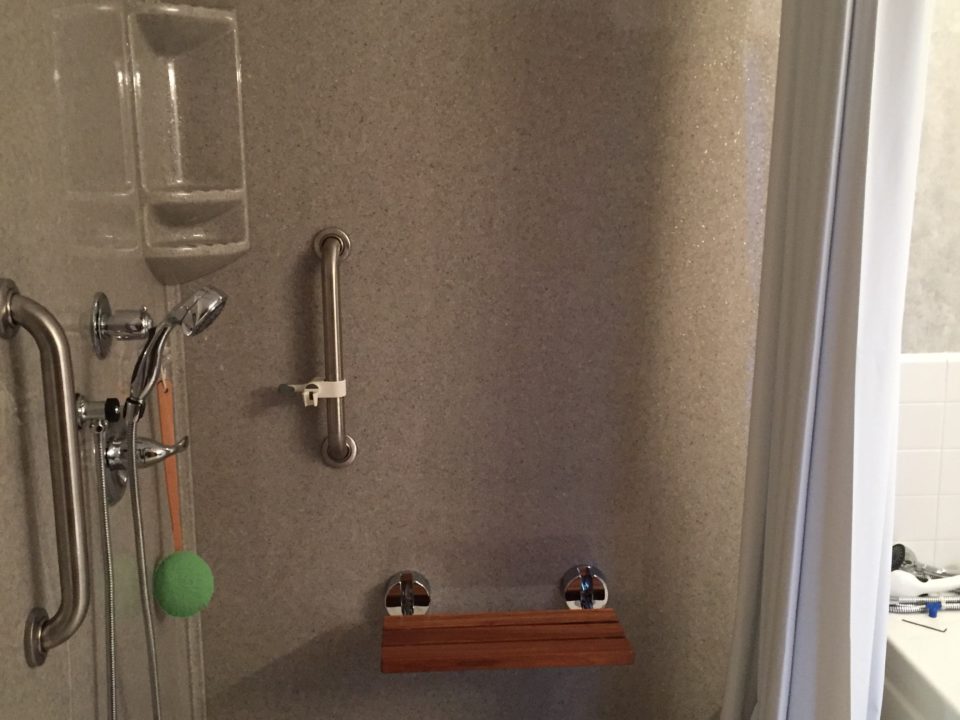
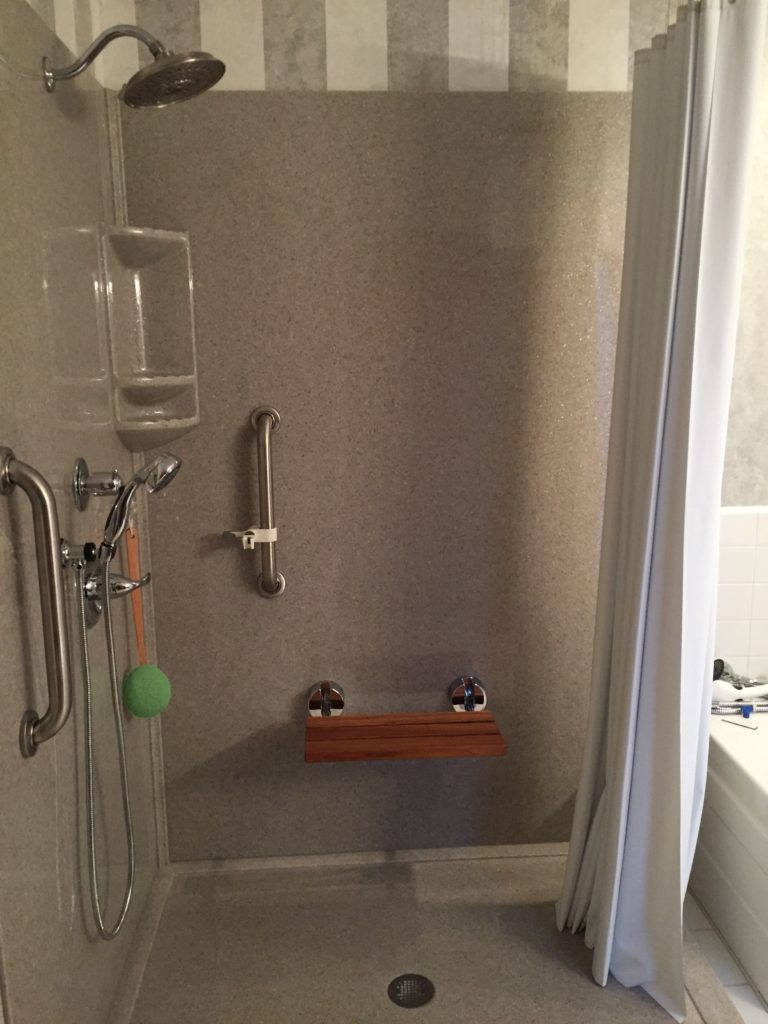
The design may also include additional floor space, grab bars, improved drainage, handheld shower components, and space for seating or caregiver assistance. The exact setup depends on the home and the user, but the main purpose remains the same: safer, easier access to bathing.
Why homeowners in Detroit look for roll-in showers
Homeowners often start thinking about accessibility after a specific event. It may be a surgery, a fall, a change in mobility, or the growing need to make the home easier to use over time.
In many cases, the bathroom is the first room where the struggle becomes clear. A person may be able to move through other parts of the house with some support, but the shower area is different. Wet surfaces, tight spaces, and awkward transfers make the bathroom more difficult than many people expect.
That is why roll-in showers for wheelchairs in Detroit are often part of a larger effort to make daily life safer. Families are not just updating tile or replacing fixtures. They are trying to create a bathroom that works better in real life.
For some people, the main reason is independence. For others, it is reducing fall risk. For caregivers, it may be about having enough room to help without crowding the user or twisting into unsafe positions.
A roll-in shower is not just for full-time wheelchair users
One common misunderstanding is that roll-in showers are only for people who use a wheelchair all day.
In reality, these showers can also help people who:
- use walkers
- use transfer benches or shower chairs
- have a limited balance
- are recovering from surgery
- need caregiver assistance
- tires easily while standing
A more accessible shower entry can make a major difference, even if the person is not rolling directly into the shower in a wheelchair every time. The design supports easier movement, fewer obstacles, and a lower chance of accidents during bathing.
That is one reason many homeowners choose this style even when the current need is moderate. It creates a bathroom that is easier to use now and more practical if needs grow later.
The biggest advantage is easier entry
The most obvious benefit of a roll-in shower is easier entry.
In a traditional setup, the user often needs to step over a tub edge or shower curb while balancing on a wet surface. That motion can be risky for anyone with weakness, pain, or limited movement. For wheelchair users, it may create an access point that simply does not work well.
A roll in design reduces that barrier. The flatter entry allows the shower space to feel more connected to the rest of the bathroom. That smoother transition can make the room feel safer and less stressful right away.
For many families, this is the feature that changes the daily routine the most. Something as basic as getting into the shower stops feeling like an obstacle and becomes more manageable.
Bathroom layout matters as much as the shower itself
A roll-in shower can be a great solution, but the rest of the bathroom still matters.
If the doorway is too narrow, the floor space is too tight, or the toilet and vanity crowd the path to the shower, the room may still be hard to use. That is why homeowners should consider the entire layout, not just the shower area.
Questions worth asking include:
- Is there enough space to approach the shower comfortably?
- Can the user turn or reposition easily in the bathroom?
- Is the door swing getting in the way?
- Is there enough room for a caregiver if assistance is needed?
- Does the sink or toilet placement block movement?
A well-designed shower works best when it fits into a bathroom that supports movement from start to finish.
Curbless entry is one of the most important features
When people think about roll-in showers for wheelchairs in Detroit, curbless entry is often the first feature that comes to mind.
That feature matters for good reason. Even a small curb can create problems for wheelchair users, shower chair transfers, or anyone with an unsteady footing. A curbless design reduces the barrier and supports smoother access into the shower.
This does not just help with movement. It can also make the bathroom feel more open and less confined. That can improve comfort for both the user and the caregiver.
A curbless entry should be carefully planned so the shower still drains properly and integrates well with the rest of the bathroom floor. The goal is not just to remove the curb. The goal is to create a safer and more functional bathing area overall.
Enough shower space is essential
A shower can have an accessible entry and still be hard to use if the interior space is too tight.
That is why shower size matters. A wheelchair user may need extra room to position properly. A person using a shower chair may need more space to transfer. A caregiver may need room to assist without blocking movement or creating an awkward setup.
When planning a remodel, it helps to think beyond the opening. The whole shower should support the way the user actually bathes.
This includes room for:
- turning or repositioning
- transfer support
- seating
- caregiver access
- reaching controls easily
- keeping shower items within practical reach
A cramped shower may limit the value of every other accessibility feature added to the space.
Grab bars should be part of the design from the start
Grab bars are among the most useful features of an accessible shower, but they work best when planned early.
A grab bar should not be treated like a random add-on placed wherever there is open wall space. It should support the real points where stability matters. That may include the shower entry, the seating area, or the wall where the user braces during movement or transfers.
When added in the right places, grab bars help improve confidence and reduce the chance of slipping. They also make it easier for caregivers to assist without having to provide every point of support physically.
For many households, properly placed grab bars turn a shower from stressful to far more manageable.
Shower seating can make daily use much easier
Not every wheelchair user wants or needs the same kind of shower setup. Some people roll in directly. Others transfer to a built-in bench or shower seat.
That is why seating is often an important part of planning roll-in showers for wheelchairs in Detroit. A seat can help reduce fatigue, support safer bathing, and make transfers feel more controlled.
The right option depends on the user’s strength, transfer ability, and daily routine. Some households prefer a built-in bench. Others need more flexibility with a separate shower chair. The main point is that the shower should support safe use, not force the user to adapt to an uncomfortable layout.
Handheld shower components improve flexibility
A handheld shower component is another important feature that can make an accessible shower easier to use.
This setup gives the user more control over water direction and can be especially helpful while seated. It also makes the shower more practical for caregivers who need to assist with bathing.
A handheld option often works well because it adapts to different situations. One day, the user may need more help. Another day, they may want more independence. Flexible shower components make the space easier to use across both situations.
Simple features like this often have a big effect on day-to-day comfort.
Slip-resistant flooring helps reduce risk
Wet floors are one of the biggest safety concerns in any bathroom.
For wheelchair users and people with balance issues, slick flooring can be much harder. That is why slip-resistant flooring is a key part of an accessible bathroom remodel. The floor should support both wheels and feet, especially near the shower entry, where moisture is most likely to accumulate.
This feature is easy to underestimate because it may not look dramatic. But in daily use, it plays a major role in safety. The best accessible bathroom designs pay equal attention to the surface under the user as to the fixtures on the wall.
Drainage needs to be planned carefully
A curbless or low-threshold shower only works well when drainage is handled properly.
Without good drainage planning, water may spread too far into the bathroom or create issues around the shower entry. That can make the room less safe and less comfortable to use.
Homeowners should understand that drainage is not just a technical detail behind the walls. It affects how well the shower performs every day. A roll-in shower should feel open while also keeping water where it belongs.
That is why the design phase matters so much. The shower needs to be accessible without sacrificing function.
Storage and controls should be easy to reach
A shower can be accessible at the entrance and still frustrating once the person is inside.
If soap shelves are too high, controls are placed awkwardly, or products are hard to reach while seated, the daily experience becomes more difficult. Good design looks at how the user will actually interact with the space.
That means thinking about:
- reachable shower controls
- practical shelf height
- easy access to shampoo and soap
- mirror placement, if needed,d nearby
- clear positioning of support features
The room should support the full bathing routine, not just the entry point.
Caregiver support is an important part of planning
Many accessible bathrooms are used with help from a spouse, adult child, or caregiver.
When that is the case, the shower needs to support two people moving through the space safely. A narrow or crowded layout can make assistance more difficult and put strain on both the user and the helper.
That is one reason homeowners should think carefully about how the shower will be used each day. A design that looks fine on paper may not work well if there is no space for transfers, washing, or repositioning.
Planning for caregiver support does not reduce independence. In many homes, it makes safe bathing more realistic and less stressful for everyone.
Roll-in showers can support aging in place
Many families in Detroit who are looking into roll-in showers for wheelchairs are also considering long-term living at home.
Even if the current need is moderate, a bathroom that is easier to use now may become much more valuable later. A roll-in shower can help a home accommodate changing mobility over time, rather than forcing the family to make rushed changes later.
This is especially important for aging in place. Bathroom access often becomes one of the first major challenges as mobility shifts. Updating the shower now can help the home remain usable longer and make daily routines easier.
For households planning, a roll-in shower is often more than a short-term fix. It is part of making the home work better over time.
Small bathrooms can still be improved
Some homeowners assume their bathroom is too small for a meaningful accessibility update.
While space does create limits, a smaller bathroom can still often be improved. The key is smart planning. In some cases, that may mean changing the shower footprint, adjusting fixture placement, or removing bulky elements that crowd the room.
A small bathroom may not have every feature found in a larger space, but it can still become far more functional than it is now. What matters most is choosing features that solve the biggest daily problems.
The goal is not perfection. The goal is a bathroom that works better and feels safer.
It is important to think about current and future needs
The best bathroom remodel not only solves today’s problem, but also prepares for tomorrow’s. It also considers what may be needed later.
A homeowner may currently use a walker but later need a wheelchair. Someone who now showers with little help may later need more support. Families who think ahead during the remodel can often avoid extra work later.
That may include planning for:
- stronger wall support for future grab bars
- more open floor space
- easier transfer options
- a layout that works with changing mobility
- shower features that remain practical over time
Thinking ahead does not mean overbuilding. It means creating a space that stays useful as needs change.
What homeowners should ask before starting the project
Before moving forward, it helps to ask a few practical questions.
How will the user enter and exit the shower?
Will they remain in a wheelchair, or transfer to seating?
Will a caregiver be helping regularly?
Is the bathroom large enough as it is, or should the layout change?
Which daily task is currently the hardest: entry, standing, transfer, or reaching controls?
These questions help focus the remodel on real use instead of surface-level changes.
A good shower design is not about trends. It is about function.
Common mistakes to avoid
There are a few mistakes homeowners should try to avoid when planning roll-in showers for wheelchairs in Detroit.
One mistake is focusing only on the shower entry and ignoring the rest of the bathroom layout. Another is choosing features that look accessible without checking whether they truly fit the user’s routine. Some families also underestimate the value of space, grab bar placement, or easy-to-reach controls.
Other common issues include:
- not allowing enough room for caregiver help
- keeping storage too high or too far away
- choosing slippery flooring
- treating seating as optional when it is actually needed
- overlooking how future mobility changes may affect the shower
Avoiding these problems early can lead to a much better result.
Roll-in showers for wheelchairs in Detroit can make a major difference in how a bathroom functions day to day. They help reduce barriers, support safer movement, and make bathing easier for both users and caregivers.
The most effective shower design is not just about removing a curb. It is about creating a space that supports entry, comfort, stability, and practical daily use. Features such as adequate interior space, grab bars, seating, slip-resistant flooring, reachable controls, and a layout that supports movement all play an important role.
For homeowners in Detroit, the right roll-in shower can turn the bathroom from a daily challenge into a more usable and safer part of the home. That is why planning matters. When the shower is designed around real mobility needs, the result is a bathroom that works better now and stays more useful over time.
FAQs
1. What is the main benefit of roll-in showers for wheelchairs in Detroit?
The main benefit is easier and safer shower access. A roll-in design reduces barriers at the shower entry and supports better movement for wheelchair users and others with mobility challenges.
2. Are roll-in showers only for people who use wheelchairs full-time?
No. Roll-in showers can also help people who use walkers, shower chairs, transfer support, or caregiver assistance during bathing.
3. Do roll-in showers need grab bars?
Grab bars are highly helpful in most accessible shower designs because they provide added stability and support during entry, movement, and transfers.
4. Can a small bathroom still have a roll-in shower?
Yes, in many cases, a small bathroom can still be improved with a roll-in shower, though the layout may need careful planning to make the best use of the available space.
5. What should homeowners focus on first when planning roll-in showers for wheelchairs in Detroit?
Homeowners should first focus on the user’s real daily needs, including how they enter the shower, whether transfers are needed, whether caregiver help is involved, and how much space is required for safe movement.

Introducing Kevin Olrich, Owner of CAPS Remodeling. As a trusted expert in the field of barrier free remodeling Kevin brings a compassionate approach to create safer, more comfortable, and independent living conditions for the elderly and disabled throughout the State of Michigan. His leadership and experience is at the core of how CAPS provides the best solutions to meet the unique needs of our customers and medical professionals.