
When installing a residential elevator, you’ll choose between two proven drive types: hydraulic systems that raise the car with fluid-driven pistons, and traction systems that lift with cables and counterweights. This guide walks through how each system works, compares performance and lifetime costs, and highlights differences in safety, space needs, and code implications so you can match a solution to your home’s height, structure, and daily use. Homeowners usually weigh installation footprint, upfront budget, and ongoing energy use—so we explain the mechanics, common variants such as holeless hydraulics and MRL (machine room-less) traction, and recent technological improvements. You’ll find clear comparisons of advantages and drawbacks, cost and space benchmarks, safety and regulatory notes, and a practical checklist to help decide between retrofit or new-construction options. Technical terms such as piston, cylinder, sheave, counterweight, and MRL are used where helpful to make trade-offs easy to follow.
What Are Hydraulic Elevators and How Do They Work?

Hydraulic elevators lift the car by pressurizing hydraulic fluid to extend a piston or ram, converting fluid pressure into smooth, linear upward motion. The main parts—piston, cylinder, hydraulic pump, fluid reservoir, and control valves—form a closed loop where fluid flow and pressure control speed and floor leveling; lowering is handled by a controlled valve that returns fluid to the tank. Hydraulics are strong and simple, well suited to heavy loads and short-to-moderate travel heights, though they typically run slower than traction drives. Knowing this mechanism lets you evaluate holed versus hole-less layouts and roped-hydraulic hybrids, each of which affects installation complexity and site work.
How Does the Hydraulic System Move the Elevator Car?
The pump pressurizes hydraulic fluid, forcing the piston up inside the cylinder and lifting the car. Valves and the control system manage flow to provide smooth starts, stops, and precise leveling at each landing; when descending, a controlled valve release returns fluid to the reservoir so the piston retracts safely. Modern upgrades—variable-speed pumps, quieter motors, and smarter valve controls—reduce noise and improve ride comfort, which matters in a home environment. This basic operation leads into the different hydraulic configurations commonly used in residences and their retrofit implications.
What Types of Hydraulic Elevators Are Available for Homes?
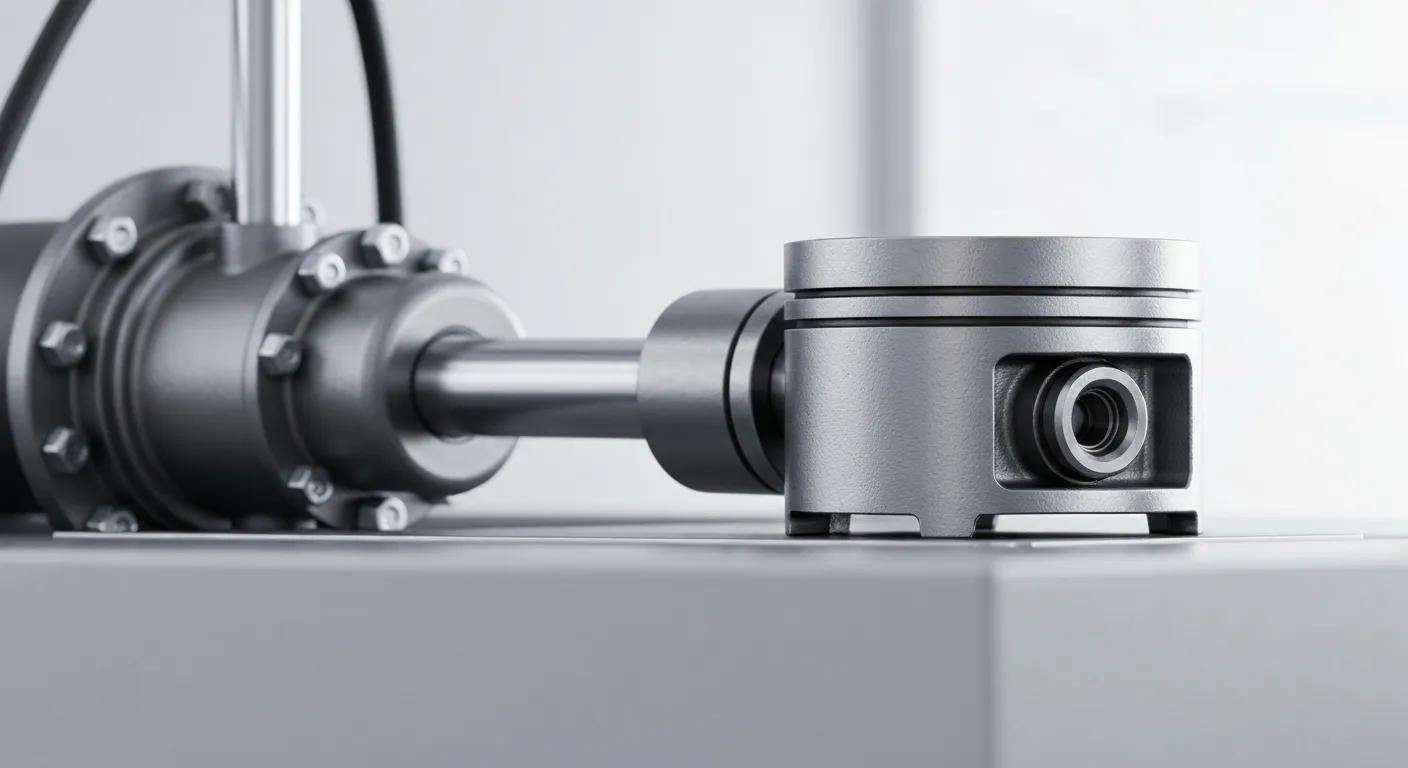
For homes, you’ll typically see three hydraulic varieties: holed (traditional) hydraulic, hole-less hydraulic, and roped hydraulic hybrids. Holed hydraulics use a buried cylinder or well and can reach greater travel heights, but they require excavation and a more bottomless pit. Holeless hydraulics keep the cylinder within the hoistway above a shallow pit, avoiding major digging—often the best retrofit option. Roped hydraulics pair a hydraulic jack with ropes and a small sheave to extend travel while shortening the cylinder. Knowing these options helps you weigh structural disruption against desired height and capacity before comparing traction alternatives.
What Are Traction Elevators and How Do They Operate?

Traction elevators use steel cables that pass over a motor-driven sheave with a counterweight balancing much of the car’s mass. The sheave and motor—either geared or gearless—convert rotary motion into vertical travel; the counterweight reduces motor torque, thereby improving efficiency and ride quality. Modern traction drives commonly use VVVF (variable-voltage, variable-frequency) controls and regenerative systems that recover braking energy, reducing electricity consumption. With that foundation in place, the following section explains the cable-and-counterweight balance and why traction often outperforms hydraulics in speed and efficiency.
How Does the Cable and Counterweight System Function?
The counterweight offsets most of the car and load, so the motor primarily overcomes friction and unbalanced weight, enabling smaller motors and more efficient operation than pushing fluid alone. Steel ropes loop over the sheave and attach to the car and counterweight; as the motor turns the sheave, rotation becomes vertical movement. VVVF drives smooth speed changes and enables regenerative braking, returning energy to the building. Safety is ensured by multiple ropes, routine rope-wear inspections, and electronic monitoring of motor torque and speed, reducing the risk of sudden failure. This balancing principle explains why traction typically delivers higher speeds and lower lifetime energy use than hydraulics.
What Types of Traction Elevators Are Suitable for Residential Use?
Residential traction variants include geared, gearless, and machine room-less (MRL) models. Geared traction uses a gearbox and a compact motor—cost-effective but sometimes noisier. Gearless traction mounts the motor directly on the sheave for a quieter, smoother ride and higher efficiency, at a higher initial price. MRL traction moves the motor and controls into the hoistway so no separate machine room is needed, saving floor space and easing retrofits. Choosing among geared, gearless, and MRL systems depends on priorities such as ride quality, footprint, and long-term operating costs.
What Are the Key Advantages and Disadvantages of Hydraulic vs Traction Elevators?
This section distills the main trade-offs—speed, cost, space, noise, and lifecycle maintenance—and provides an EAV-style comparison for quick reference. Hydraulics generally have lower equipment costs and strong lifting capability at short to moderate heights, but may require a pit and historically use more energy per trip. Traction systems usually require higher upfront investment, especially for gearless and MRL types, but offer higher speeds, smoother ride quality, and better energy efficiency (particularly with regenerative drives), which can lower operating costs over time. The table below summarizes typical ranges for key attributes so you can translate these pros and cons into planning metrics.
| System | Attribute | Typical Value / Range |
|---|---|---|
| Hydraulic (Holed/hole-less) | Speed | 0.5–1.0 m/s (residential range) |
| Hydraulic | Max Travel Height | Typically ≤ 6–7 floors (higher with roped hybrid) |
| Hydraulic | Load Capacity | 450–1,000+ kg (residential to light commercial) |
| Traction (Geared/Gearless/MRL) | Speed | 1.0–2.5 m/s (residential to low-rise commercial) |
| Traction | Max Travel Height | Suitable for multi-story homes and higher rises |
| Traction | Load Capacity | 300–1,000 kg depending on configuration |
The table shows hydraulics favor heavier loads at lower speeds, while traction scales better for taller travel and long-term efficiency—useful when reviewing cost and space next.
What Are the Benefits and Limitations of Hydraulic Elevators?
Hydraulic elevators are mechanically simple—piston, pump, valve—which can mean lower equipment costs and reliable performance for heavy loads over short distances. They’re a good match for short-travel or retrofit projects when hole-less options are available. Maintenance tasks (pump, fluids, seals) are straightforward in principle, but require attention to leaks and proper fluid handling. Downsides include slower travel, potential environmental concerns with hydraulic fluid, and extra site work for holed installations. Recent improvements—biodegradable fluids, quieter pumps, and better valve control—reduce these drawbacks and keep hydraulics a practical choice where payload and simplicity matter more than speed.
What Are the Benefits and Limitations of Traction Elevators?
Traction elevators deliver smooth rides, higher speeds, and notable energy savings—especially with VVVF controls and regenerative drives that recover braking energy. They generally cost more up front and can require more advanced electrical and control systems, but lower operating costs and durable components like steel ropes often justify the investment over time. MRL traction saves building footprint by eliminating a separate machine room, making it attractive for tight sites, though it requires careful hoistway design and sometimes more complex service access. The main obstacle for some homeowners is the initial price and planning for rope inspections and specialized maintenance.
How Do Hydraulic and Traction Elevators Compare in Cost, Space, and Energy Efficiency?
A practical cost-and-space comparison helps you estimate installation and lifetime expenses, decide between a machine room or MRL solution, and weigh environmental impacts such as energy use and fluid disposal. Prices vary with region, travel height, shaft complexity, and finishes, but the cost table below outlines common components and ranges to support budgeting and trade-off decisions. After the table, we explain how pit depth, headroom, and machine-room needs influence construction choices and how to evaluate operational energy differences between regenerative traction and pump-driven hydraulic systems.
What Are the Installation and Maintenance Costs for Each Elevator Type?
The table below lists typical installation and maintenance line items for residential hydraulic and traction elevators, with ranges and notes to guide budgeting. Installation costs include equipment, hoistway construction, pit and headroom work, any machine room build-out, electrical upgrades, and labor. Maintenance covers routine inspections, fluid or lubricant checks, and periodic part replacements. For an accurate picture, include energy use, scheduled maintenance, and expected component replacements in your lifecycle total cost of ownership (TCO).
| System | Cost Component | Typical Range / Notes |
|---|---|---|
| Hydraulic | Equipment & Pump | Moderate upfront; ranges vary by capacity and hole vs hole-less |
| Hydraulic | Pit/Well Construction | Significant if holed hydraulic required; excavation costs apply |
| Hydraulic | Annual Maintenance | Moderate; includes fluid checks and seal replacement |
| Traction | Equipment & Motor | Higher upfront, especially gearless; efficiency can justify cost over time |
| Traction | Machine Room or MRL Fit | Machine room adds construction cost; MRL saves footprint but may raise equipment cost |
| Traction | Annual Maintenance | Lower energy costs; rope inspections and periodic gearbox checks as applicable |
This breakdown shows hydraulics can reduce initial equipment spending in simple setups but may add site work, while traction often requires higher equipment investment yet yields lower operational energy costs and predictable maintenance.
How Do Space Requirements Differ Between Machine Room and MRL Designs?
Traditional machine-room designs need a separate mechanical room for motors, controllers, and pumps, which affects floor plans and construction complexity. MRL traction and hole-less hydraulic options minimize or eliminate that separate room by locating equipment in the hoistway or compact cabinets, making them appealing for tight lots, older homes, or retrofit projects. Pit depth and headroom also vary: holed hydraulics need deeper wells and specific clearance above, while MRL and hole-less layouts reduce excavation and overhead needs but demand careful shaft planning. Balance these space constraints with structural changes and aesthetic goals when selecting between machine-room and MRL approaches.
Which Elevator Type Is More Energy Efficient and Environmentally Friendly?
Traction elevators are generally more energy-efficient, particularly when equipped with regenerative drives that return braking energy to the building. Hydraulic systems traditionally consume more energy because the pump must work against the full load during ascent, though variable-speed pumps and biodegradable fluids have narrowed that gap. Lifecycle factors—materials, fluid disposal, and embodied energy—also matter: hydraulic fluids require careful handling and replacement, while traction uses steel ropes and motors whose higher embodied energy is often offset by long-term efficiency gains. Industry data tend to show regenerative traction systems offering the lowest operational carbon footprint, while modern hydraulic designs reduce earlier environmental concerns.
Technical and Economic Comparison of Traction and Hydraulic Elevators
A clear technical and economic distinction exists between traction and hydraulic elevators: traction comes in geared and gearless forms, while hydraulic units may be direct- or indirect-acting. Each configuration brings different operational and cost trade-offs that are important to weigh for residential use.
Technical and economical comparison of hydraulic and traction elevators with VDI 2225 method, CO Azeloğlu, 2024
How Do Safety Features and Regulations Differ Between Hydraulic and Traction Residential Elevators?
Both drive types must meet the same residential-adapted standards and inspection schedules (for example, ASME A17.1 / CSA B44 and applicable local codes), but their safety features address different failure modes. Hydraulic systems prioritize pressure relief, rupture resistance, and controlled emergency lowering to prevent uncontrolled descent. Traction systems emphasize overspeed governors, mechanical safety brakes, and rope redundancy to guard against rope or motor faults. Regular inspections, emergency-lowering procedures, and clearly defined maintenance responsibilities are essential regardless of drive type. The table below compares typical safety mechanisms and their purpose so homeowners know what to expect at inspections and in emergency planning.
| System | Safety Feature | Function / Relevance |
|---|---|---|
| Hydraulic | Pressure Relief Valve | Prevents overpressure and uncontrolled movement |
| Hydraulic | Emergency Lowering Unit | Enables controlled descent during power loss |
| Hydraulic | Leak Detection / Environmental Safeguards | Detects fluid leaks and reduces contamination risk |
| Traction | Overspeed Governor | Detects excessive speed and triggers safety gear |
| Traction | Safety Brakes / Safety Gear | Engages to stop car in event of uncontrolled movement |
| Traction | Rope Redundancy | Multiple ropes reduce single-point failure risk |
The table shows hydraulics focus on fluid-control protections while traction emphasizes mechanical redundancy and overspeed safeguards—both aiming to keep passengers safe when properly maintained.
What Safety Mechanisms Are Standard in Hydraulic Elevators?
Common hydraulic protections include pressure-relief valves to limit cylinder pressure, emergency lowering systems that use stored energy or backup power, and robust piping designed to resist rupture. Residential installs also use door interlocks, redundant control logic, and alarm/communication systems to meet codes and support occupants during interruptions. Environmental safeguards—drip pans, leak sensors, and biodegradable fluids—help reduce the impact of any leak in a home. Knowing these hydraulic-specific measures helps you plan maintenance and emergency procedures appropriate for fluid-driven systems.
What Safety Features Are Included in Traction Elevators?
Traction systems rely on overspeed governors that detect uncontrolled descent and activate safety gear, multiple steel ropes for redundancy, and mechanical safety brakes to stop the car if electrical controls fail. Electrical safety features, backup lowering methods, and scheduled rope inspections are standard practice; modern traction controllers also provide diagnostics to flag issues early. Because traction uses rotating machinery, correct vibration isolation and secure anchoring of sheaves and motors are important to long-term safety and serviceability. Together these measures create a comprehensive safety framework for traction installations.
How Can You Choose the Best Elevator for Your Home?
Start by assessing building height, shaft and machine-room space, budget, expected usage, and accessibility or design priorities. Use a decision framework that compares travel height and number of stops, retrofit versus new-construction constraints, upfront versus lifecycle costs, and whether MRL, hole-less hydraulic, or traction configurations match your structural limits. The checklist below prioritizes the key factors to bring to a certified installer or engineer when requesting feasibility studies and quotes. After the checklist, we note where to get professional help to turn these considerations into compliant, buildable options.
- Assess travel height and number of stops: determine whether hydraulic or traction best matches vertical distance.
- Evaluate available space: check for pit, headroom, and machine-room footprint vs. MRL or hole-less alternatives.
- Compare total cost of ownership: include installation, energy, and maintenance over the expected lifetime.
- Consider usage frequency and load: frequent or heavy use favors more robust systems and scheduled maintenance.
- Confirm accessibility and customization needs: door width, cabin size, and finishes can affect structural requirements.
This checklist turns planning into practical questions to bring to a certified installer or structural engineer for precise feasibility and reliable quotes.
What Factors Should You Consider When Selecting a Residential Elevator?
Prioritize structural compatibility—can your home accommodate a pit, or is shaft depth limited?—and weigh that against performance needs like speed, capacity, and ride comfort. Budget the initial purchase and the total cost of ownership: traction often costs more up front but can save energy long term, while hydraulic systems may reduce initial equipment expense but require fluid management and possible site disruption. Local codes, permit timelines, and insurance requirements can also influence whether an MRL or hole-less hydraulic retrofit is feasible. Early structural review and consultation prevent costly redesigns and align aesthetic and accessibility goals with technical constraints.
How Do Design and Customization Options Affect Your Elevator Choice?
Cabin finishes, door types, lighting, controls, and accessibility features affect elevator weight and space needs and can shift which drive type is most suitable. Heavier premium finishes increase payload and may favor hydraulic capacity or require upgraded traction components. Accessibility upgrades—wider doors, tactile controls, and handrails—change hoistway dimensions and door motor sizing, which in turn impact cost and shaft design. Options range from basic functional cabins to premium, smart-integrated finishes; each choice influences load, space, and control complexity. Understanding these interactions helps you choose an elevator that balances appearance and performance.
Where to get help: consult certified elevator installers, licensed structural engineers, and local building-code officials early to confirm feasibility, get accurate quotes, and secure permits. Professionals will review structural plans, interpret local adaptations of ASME A17.1 / CSA B44, and recommend inspection and maintenance plans tailored to hydraulic or traction systems. Engaging experts before finalizing designs reduces surprises, ensures code compliance, and speeds the path from concept to a reliable residential elevator.
Frequently Asked Questions
What are the main differences in installation requirements between hydraulic and traction elevators?
Hydraulic elevators—especially holed types—often need a pit and excavation for the cylinder. Traction elevators, and MRL variants in particular, can eliminate a separate machine room and reduce footprint, though they need careful hoistway planning to accommodate the sheave and counterweight. Site constraints, structural access, and how much excavation you can allow will determine which system is feasible.
How do the energy consumption patterns of hydraulic and traction elevators compare?
Traction elevators are usually more energy-efficient, especially with regenerative drives that capture energy on descent. Hydraulics consume more energy during ascent because the pump works against the full load, though variable-speed pumps and efficiency improvements have reduced that disadvantage. Factor long-term energy use into your total cost of ownership.
What maintenance considerations should homeowners keep in mind for each elevator type?
Hydraulic systems need regular checks of fluid levels, seals, and leak prevention measures. Traction systems require periodic inspection of ropes, motors, and safety components. Traction maintenance can be more specialized, but its lower energy use and durable parts often result in predictable lifecycle costs. Budget for scheduled service and inspections regardless of drive type.
Are there specific safety regulations that apply differently to hydraulic and traction elevators?
Both types must meet applicable standards, but the safety focus differs: hydraulic systems emphasize pressure relief and controlled lowering, while traction systems focus on overspeed governors and rope redundancy. Compliance with ASME A17.1 / CSA B44 (and local code adaptations) is essential; your installer will confirm which features and inspection intervals apply to your installation.
What are the environmental impacts associated with hydraulic and traction elevators?
Hydraulic elevators can pose spill and disposal concerns because of hydraulic fluids, so responsible handling and biodegradable fluid options matter. Traction elevators—especially those with regenerative drives—tend to have lower operational carbon footprints. Both systems have lifecycle impacts from materials and manufacturing; consider energy use, maintenance, and end-of-life disposal when evaluating sustainability.
How do the costs of hydraulic and traction elevators compare over their lifetimes?
Hydraulics may offer lower upfront costs but can carry higher operating costs through energy use and fluid handling. Traction typically costs more initially but often delivers lower lifetime expenses thanks to improved energy efficiency and durable components. Run a total cost of ownership analysis that includes installation, maintenance, and energy to make a clear comparison.
What customization options are available for residential elevators, and how do they affect choice?
Customization ranges from simple cabins to high-end finishes, different door types, and smart controls. Heavier finishes increase payload, which can influence the drive choice; hydraulic systems handle higher loads easily, while traction systems may need specification adjustments. Work with your installer to balance design preferences, accessibility requirements, and mechanical limits.
Choosing between hydraulic and traction elevators comes down to how your home uses the lift, the structural constraints, and long-term costs. Hydraulics offer robust lifting and lower initial equipment cost in many setups. Traction systems provide better speed and energy efficiency—especially for taller builds—and can lower operating costs over time. Weigh installation space, budget, and lifecycle expenses, then consult certified home elevator professionals to find the right solution for your home.
 Madison Heights, MI