Debunking Myths: Do Chair Lifts Damage Your Stairs?
August 5, 2025
Outdoor Chair Lifts for Stairs: Weatherproofing and Safety Considerations
August 19, 2025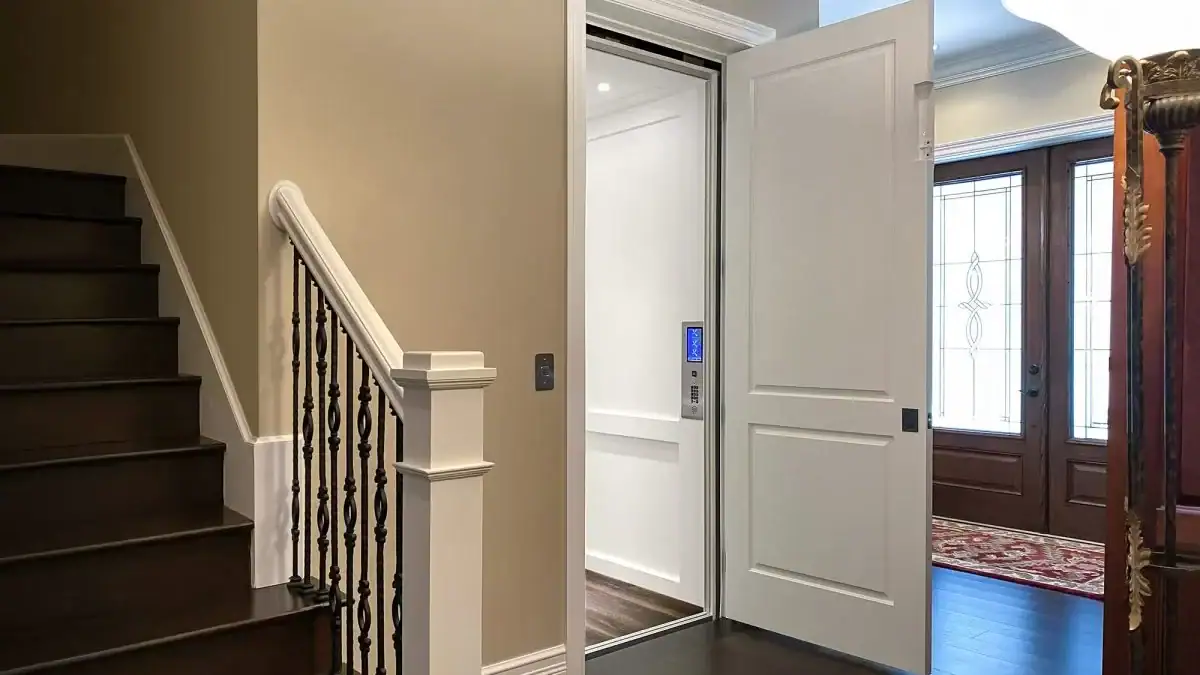
Home lifts are typically more compact and space-saving, while traditional home elevators deliver higher capacity and long-term durability. As you weigh options, assess safety risks, installation and maintenance costs, and how each affects your accessibility and resale value, so you can choose what fits your lifestyle and budget. For professional guidance, visit CAPS Remodeling at https://www.capsremodeling.com/.
Key Takeaways:
- Home lifts are typically smaller, less invasive, and more budget-friendly—good for limited space and lighter loads—while traditional home elevators require a shaft/overhead space, cost more, and offer higher capacity and smoother performance.
- Safety, code compliance, and accessibility differ: traditional elevators often meet stricter building codes and better accommodate wheelchairs, whereas home lifts vary by model and may need careful review to ensure accessibility and local approvals.
- Consider long-term costs and goals: home lifts can lower upfront and installation expenses with simpler maintenance, but traditional elevators often add greater resale value and durability; consult a professional to match the option to your home layout and needs.
For a site assessment and personalized recommendation, visit CAPS Remodeling: https://www.capsremodeling.com/
The Functional Landscape: Home Lifts Defined
Understanding Home Lifts
You’ll find home lifts range from compact, shaftless platform units to enclosed, cable- or hydraulic-driven elevators that serve 2–5 stops. Typical weight capacities run from about 350–1,000 lb, with travel speeds commonly around 20–40 ft/min. Many models include emergency lowering and battery backup to reduce the risk of entrapment, and some shaftless installs can be completed in as little as 1–3 days, depending on structural work.
Key Features and Benefits of Home Lifts
You’ll appreciate how space-saving designs and modular components let a lift fit inside small footprints—closets or corner shafts—while low-noise drives and soft-start controls improve comfort. Expect energy draws under 2 kW during use, quieter operation than many traditional elevators, and reduced construction time: some shaftless platform lifts are installed in under a week.
- Capacity: Most residential lifts support 350–1,000 lb, suitable for a wheelchair plus caregiver or multiple passengers.
- Drive systems: Choices include hydraulic, traction, and pneumatic (vacuum) designs, each with different space and maintenance profiles.
- Footprint: Shaftless and platform lifts can fit into 24–36 in. wide openings, minimizing remodeling costs.
- Safety features: Emergency lowering, phone intercoms, door interlocks, and automatic braking exceed many building-code minimums for residential use.
- Installation time: Typical installs range from 1–7 days for modular units to several weeks for full shaft construction.
- Any maintenance plan should include annual inspections and belt or hydraulic checks to maintain warranty and safety performance.
Further details matter when you compare models: hydraulic drives offer smooth starts and strong torque for heavier loads, while traction units are more energy-efficient over long travel. Manufacturers often publish MTBF (mean time between failures) figures—commonly 3–7 years for major components—so you can budget for wear items. In one typical condo retrofit, a shaftless platform reduced construction time by 60% and avoided a full shaft build.
- Accessibility options: Fold-down seats, transfer platforms, and wheelchair-accessible car sizes meet ADA-like needs in private homes.
- Power backup: Battery or generator backup provides controlled descent during outages, reducing the risk of passenger entrapment.
- Controls: Low-voltage call/send panels, key switches, and app-enabled monitoring add convenience and security.
- Noise: Modern drives produce under 50 dB at typical use distances, comparable to a quiet office.
- Warranty: Standard residential warranties cover 1–5 years for parts and labor; extended plans are available for major components.
- Any site evaluation should check floor load capacity, overhead clearance, and local code requirements before you commit to a model.
Traditional Home Elevators: A Deeper Dive
What Makes Traditional Elevators Unique
Traditional residential elevators rely on established drive systems—typically cable-driven traction or hydraulic piston designs—that deliver higher capacities (commonly 500–1,000 lbs) and smoother rides at speeds of roughly 30–60 ft/min. You’ll notice they usually require a dedicated shaft and often a machine room or equipment enclosure, which affects layout and remodeling decisions more than compact home lifts do.
Essential Components and Their Functions
Key parts include the hoistway, cab, landing doors and interlocks, drive system (hydraulic pump or traction motor with ropes and counterweight), control panel, and safety devices such as governors and emergency brakes; the pit and overhead structure complete the installation. You must treat the shaft and pit as hazardous zones during construction and maintenance.
Traction systems move the cab via steel ropes over a sheave with a counterweight to balance load and reduce motor size. In contrast, hydraulic systems push a piston or use a plunger to raise the car Holeless hydraulic variants avoid deep pits. Safety gear engages if overspeed is detected, and door interlocks prevent car motion until landings are secure; many installations include battery backup for emergency lowering. Typical cab sizes you’ll encounter are around 36″ x 54″ for a single-user lift with 600–750 lb capacity, and electrical service is often 220V for drive equipment—plan your mechanical room and inspection schedule accordingly, since regular inspections and licensed technicians are required to keep these systems legal and safe.
Cost Comparison: Beyond the Initial Investment
Cost Elements Compared
| Home Lifts | Traditional Home Elevators |
|---|---|
| Initial purchase: typically $8,000–$30,000 depending on model (platform, pneumatic, or limited-stop). | Initial purchase: usually $30,000–$100,000+ for traction or hydraulic systems and custom cabs. |
| Installation & structural work: minimal shaft or drywall work; many installs complete in days to 2 weeks. | Installation & structural work often require a shaft, pit, and sometimes a machine room, taking 4–12+ weeks and potentially involving structural reinforcement. |
| Permits & inspections: local permits are required; inspections are usually conducted annually or biannually, depending on the jurisdiction. | Permits & inspections: more stringent permitting and certified annual inspections; some municipalities require elevator-certified contractors. |
| Annual maintenance: $200–$600, typical for basic preventive service and safety checks. | Annual maintenance: $800–$2,500 typical; major systems require more frequent servicing and parts replacement. |
| Energy & operating costs: low consumption; roughly $5–$30/month depending on use. | Energy & operating costs: higher consumption, especially hydraulic systems; roughly $20–$80/month. |
| Capacity & usage: usually 250–750 lb, optimized for personal mobility and light loads. | Capacity & usage: commonly 1,000–2,500 lb, supports larger groups and heavy loads. |
| Lifespan & resale: 10–20 years typical; resale value modest but attractive for accessibility-focused buyers. | Lifespan & resale: 20–30+ years with overhauls; can add notable resale value when integrated well. |
| Safety & regulatory: meets residential standards; fewer redundant systems. | Safety & regulatory: built to commercial-grade redundancies and stricter code compliance. |
Breakdown of Installation Costs
You can expect the installation bill to include the unit, labor, permits, electrical hookup, and any structural changes. Home lifts often avoid major framing or shaft work, keeping labor and materials near $2,000–$8,000, while traditional elevators may tack on $10,000–$50,000 for shaft construction, pit work, and finishes, depending on cab customization and site conditions.
Ongoing Maintenance and Energy Expenses
Routine servicing for home lifts typically costs $200–$600 per year, covering lubrication, safety checks, and minor adjustments. In contrast, traditional elevators often require quarterly service contracts that average $800–$2,500 annually, with potential spikes if parts or major repairs are needed.
Longer-term, hydraulic elevators can incur added costs from fluid changes and potential leak remediation, which in some cases has led to bills of several thousand dollars for pit repairs. You should budget for annual inspections mandated by local code—failure to keep up can create legal and safety risks. Energy-wise, a typical home lift might draw 1–2 kW peak and cost under $30/month with moderate use; a traction or hydraulic system used frequently can push monthly energy costs into the $40–$80 range. Factor in service-response times and parts availability: older or custom elevator brands often mean higher downtime and replacement expenses. For a realistic project estimate, CAPS Remodeling recommends obtaining full lifecycle quotes (installation + 5–10 years of service) rather than focusing only on purchase price.
Space Efficiency: Maximizing Your Home’s Layout
Home Lift Design Considerations
You can install many modern home lifts with a very small footprint—shaftless platform lifts commonly fit into a 3′ x 3′ to 4′ x 4′ (9–16 sq ft) footprint—so you preserve living space and avoid major structural work. Capacities typically range from 350–750 lbs, speeds sit around 12–30 ft/min, and options like pneumatic or vacuum lifts eliminate the need for a pit or separate machine room, making them ideal for tight retrofits or stairwell-adjacent installations.
Space Requirements for Traditional Elevators
Traditional residential elevators usually require a dedicated hoistway of about 5′ x 5′ to 6′ x 6′ (25–36 sq ft), plus a pit depth (often 6–18 inches) and overhead clearance of 8–10 ft; if a separate machine room is used, add roughly 20–40 sq ft to your plan. Capacities commonly start near 1,000 lbs, and hydraulic or traction systems affect pit and overhead needs.
Many homeowners find that a full traditional shaft can remove an entire closet, pantry, or portion of a stairwell—except 25–50 sq ft of usable floor area taken per floor served, and budget structural work if you need to alter load-bearing walls. Choosing a machine-room-less (MRL) residential elevator can reduce that footprint by eliminating the separate room, but you still need a compliant hoistway and appropriate pit/overhead clearances; local building codes will dictate exact dimensions, so arrange a site survey with your contractor before finalizing the layout.
Safety Standards: Navigating Codes and Regulations
Safety Features in Home Lifts
You get a suite of built-in protections on modern home lifts: door interlocks, obstruction sensors, emergency stop buttons, battery-powered emergency lowering, and overload sensors that prevent operation above rated capacity. Typical residential lifts carry about 250–500 kg at speeds of roughly 0.15–0.3 m/s, and manufacturers often include redundant braking and speed-governor systems to limit descent if power fails.
Compliance and Regulations for Traditional Elevators
You must comply with nationally recognized codes like ASME A17.1/CSA B44 and ADA accessibility rules for commercial elevators, plus local permitting and inspection schedules. Most jurisdictions require a licensed elevator contractor for installation and regular inspections to keep the car in service.
Many areas mandate at least an annual safety inspection, with periodic load testing often performed at 125–150% of rated capacity; some municipalities require semi-annual or quarterly checks for high‑traffic systems. You’ll sign off permits before use, keep a maintenance log for inspectors, and face removal from service or fines if violations persist. Upgrades and modernizations must meet current code baselines, so factor code-driven retrofit costs into your planning and maintenance agreements.
Installation Process: What Homeowners Should Expect
Choosing the Right Professional Installer
Look for an installer with at least 5+ years of experience in residential lifts, a valid state contractor license, and proof of insurance; ask for three recent references and photos of similar jobs. Factory-certified technicians preserve warranties, so verify manufacturer authorization and written warranty transfer terms. Expect the installer to handle permits and provide a detailed scope, line-item estimate, and a post-installation safety checklist—poor installation can void warranties and create serious safety risks.
Timeline and Project Management Insights
Plug-and-play home lifts often go in within 1–3 days, while traditional elevators typically require 4–8+ weeks, including hoistway construction, permits, and inspections; equipment lead times commonly run 4–12 weeks. Plan for permit review windows of 2–6 weeks and factor in seasonal supply delays.
Expect pre-install prep, including site surveys, structural reinforcement (such as header beams or a pit for some elevators), and electrical upgrades—many systems require a dedicated 240V circuit or battery backup. Coordinate electrician, carpenter, and inspector schedules to avoid idle time; a typical two-story elevator project in a suburban home took our team 6 weeks from demo to final inspection, while a shaftless model in a bungalow was completed in 48 hours. Budget a 10–20% contingency for unexpected issues (old wiring, hidden framing, or asbestos abatement) and insist on a written timeline with milestones and inspection dates before work begins.
User Experience: Accessibility and Convenience
Design Adaptations for Different User Needs
You’ll find adaptations like lowered control panels at 36–42 inches, tactile buttons, voice announcements, and cabins sized to fit a standard wheelchair (about 36″ x 48″). Platform lifts often include fold-down seats and manual gates for tight spaces, while traditional elevators provide automatic sliding doors and smoother rides. Watch for pinch points on older lift gates and ensure emergency lowering systems are included if you and your family depend on independent vertical access.
Comparison of Ease of Use Between Home Lifts and Elevators
You’ll notice home lifts tend to be simpler: push-button or rocker controls, lower speeds (about 20–30 ft/min), and installation in days. Traditional residential elevators offer automatic doors, higher speeds (40–60 ft/min), and larger capacities (commonly 750–1,000 lb) for a smoother, more comfortable trip. Choose a lift for quick, low-impact mobility; pick an elevator if you need frequent, multi-person access and a steadier ride.
You can ask CAPS Remodeling to assess your floor plan and recommend the best fit based on your daily stair usage, wheelchair dimensions, and space constraints. Installation time, cab size, and control placement all affect daily usability, so weighing those specifics will help you select the option that reduces barriers and increases independence.
Ease-of-Use Comparison: Home Lifts vs. Traditional Elevators
| Capacity | Home lifts typically range from 500–750 lb, while traditional elevators, which suit multiple passengers, can handle 750–1,000 lb+. |
| Speed | Home lifts: 20–30 ft/min (slower, safer for short trips). Elevators: 40–60 ft/min (smoother, faster between floors). |
| Controls & Accessibility | Home lifts: simple, low-height controls and manual gates. Elevators: full control panels, automatic doors, braille/tactile options. |
| Installation Time & Footprint | Home lifts: 1–5 days, minimal shaft. Elevators: 2–8 weeks, require a hoistway and pit in many cases. |
| Maintenance & Reliability | Home lifts: lower maintenance but fewer redundancies. Elevators: more frequent servicing but built for continuous use and redundant safety systems. |
| Safety Features | Home lifts: emergency stop and lowering; check for entrapment risks. Elevators: automatic door sensors, emergency phones, certified inspections. |
| Cost | Home lifts: typically lower upfront cost (often 30–60% less). Elevators: higher installation and permit costs but greater long-term usability for larger households. |
Integrating Technology: Smart Home Compatibility
The Role of Modern Technology in Home Lifts
You can connect many modern home lifts to your smart home via Wi‑Fi, Bluetooth, or mesh protocols (Z‑Wave/Zigbee), enabling app control, geofenced arrivals, and voice commands through Alexa or Google Assistant; manufacturers also offer remote diagnostics and over‑the‑air firmware updates. Typical residential units run on single‑phase 110–240V power with capacities around 500–750 lb, using direct‑drive motors that cut installation complexity and energy use.
Traditional Elevators: The Technological Gap
Traditional commercial elevators usually require 3‑phase 208–480V, a machine room, and proprietary control systems that lack smart integration out of the box. You’ll often face costly retrofits to add an app or voice control because diagnostics and interfaces are manufacturer‑specific.
Many commercial elevator controllers rely on proprietary PLCs and hardwired relays, so integrating IoT functions typically means adding certified interface modules and coordinating re‑certification under ASME A17.1. In contrast, most residential lifts fall under ASME A18.1 with more retrofit flexibility. If you pursue upgrades without professional oversight, you risk voiding code compliance and creating safety hazards. Expect retrofits to involve replacing the controller, running network cabling to the machine room, and working with the OEM — projects that commonly take weeks and cost several thousand dollars. Having CAPS Remodeling assess compatibility lets you choose the right modules, understand code impacts, and keep your lift safe and under warranty.
Summing up
When choosing between home lifts and traditional home elevators, consider the factors of space, budget, installation time, and maintenance. Home lifts offer compact, cost-effective accessibility, while traditional elevators provide higher capacity and finish options. Your decision should match mobility needs, design goals, and long-term value—CAPS Remodeling can guide you through the best fit for your home.
FAQ
Q: What is the main difference between a home lift and a traditional home elevator?
A: Home lifts are typically lighter-duty, compact systems designed for low to moderate travel and simpler installations. Examples include pneumatic vacuum lifts, platform lifts (for wheelchairs), and shaftless models that often require minimal structural work and no deep pit or separate machine room. They tend to be less expensive, quicker to install, and well-suited for retrofit projects or limited-space homes. Traditional home elevators (traction or hydraulic residential elevators) use a dedicated shaft, may require a pit and machine room or machine-room-less equipment, and offer higher weight capacity, smoother ride, faster travel, and more finish and cab customization. They generally conform to full elevator codes and are better for high-traffic use, heavier loads, or when a more comprehensive elevator solution is desired.
Q: How do safety, building-code compliance, and accessibility compare between the two options?
A: Safety features exist for both, but compliance varies by product and jurisdiction. Traditional residential elevators are engineered to meet elevator codes. They are often inspected under the same regulatory framework as commercial elevators, with requirements for emergency lowering, phone/communication, door interlocks, and specific construction standards. Home lifts may meet different standards (for example, they might be classified as limited-use/limited-application or meet accessibility product standards), and some models do not satisfy all local elevator code requirements. For accessibility, platform lifts and certain home lifts are excellent for wheelchair access over short heights. At the same time, full-size residential elevators provide more space, higher weight limits, and smoother access for frequent use. Because local building departments and insurance carriers interpret codes differently, it’s important to consult a qualified installer or a remodeling team—like CAPS Remodeling—to verify whether a chosen system will meet local code, permit, and inspection requirements before purchase and installation.
Q: What should I expect for cost, installation timeline, and ongoing maintenance for each option?
A: Costs and timelines vary widely based on model, site work, and finish choices. As a general guide, home lifts often start at lower price points (commonly in the lower thousands to mid five figures, depending on type and features). They can sometimes be installed in days to a few weeks if minimal structural changes are needed. Traditional residential elevators usually range higher (mid five figures into six figures for fully customized installations). The process can take several weeks to a few months due to factors such as shaft construction, electrical work, and permitting. Ongoing maintenance also differs: home lifts can have lower annual service costs but may require specific component servicing more frequently; residential elevators typically require annual inspections and preventive maintenance contracts, and their parts and servicing tend to be more specialized and therefore costlier. Lifespan depends on usage and maintenance—well-serviced residential elevators commonly last decades, while some home lifts have shorter service lives depending on design and intensity of use. To get an accurate estimate tailored to your home and needs, arrange an on-site assessment with a trusted contractor such as CAPS Remodeling at https://www.capsremodeling.com/—they can evaluate space, permitting, accessibility goals, and present options with realistic cost and timeline projections.

Introducing Kevin Olrich, Owner of CAPS Remodeling. As a trusted expert in the field of barrier free remodeling Kevin brings a compassionate approach to create safer, more comfortable, and independent living conditions for the elderly and disabled throughout the State of Michigan. His leadership and experience is at the core of how CAPS provides the best solutions to meet the unique needs of our customers and medical professionals.