
Outdoor Chair Lifts for Stairs: Weatherproofing and Safety Considerations
August 19, 2025
Commercial Properties: Wheelchair Ramps in Madison Heights for Shops, Offices & Churches
September 3, 2025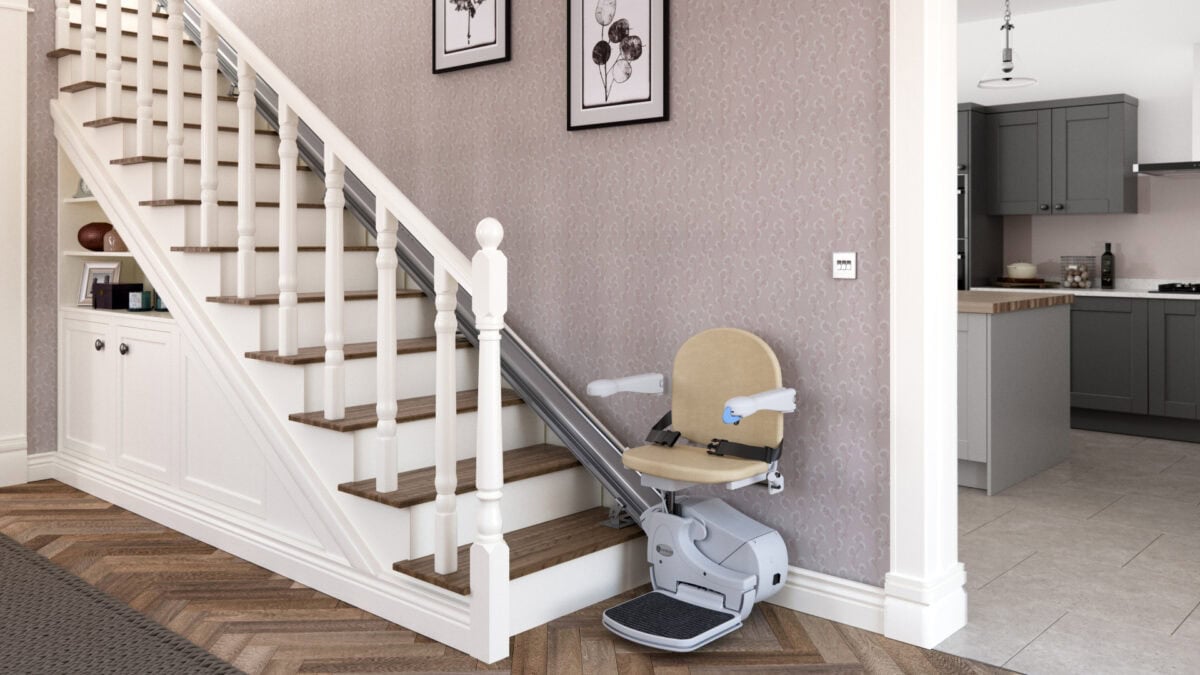
There’s a point when combining a stair lift and a home elevator makes sense for you and your household. If you or a family member faces mobility changes or a high fall risk, a stair lift can meet near-term needs while a home elevator delivers long-term independence and increased property value. Consult CAPS Remodeling at https://www.capsremodeling.com/ to evaluate layout, budget, and code, thereby reducing injury risk and optimizing safe access throughout your home.
Key Takeaways:
- Match solutions to users by combining a stair lift for quick, low-impact access and a home elevator for wheelchair users, heavy loads, or long-term mobility needs, serving different family members and situations.
- Phase upgrades around space and budget: install a stair lift now to restore immediate access and plan an elevator when budget or layout modifications allow, minimizing disruption while improving accessibility over time.
- Future-proof your home and enhance its resale value by pairing both options, which together improve safety, independence, and marketability. A professional assessment from CAPS Remodeling will identify the best integrated approach.
For a free assessment, visit https://www.capsremodeling.com/
Assessing the Unique Needs of Your Home
Evaluating the Layout and Design of Your Home
Measure stair width, landing depth, ceiling height, and clearances before selecting solutions: many straight stair lifts need at least 30–32 inches of clear stair width, while curved systems require custom rails and higher cost. Typical residential elevator cabs start around 36 “×48” and often require a 5’×5′ shaft plus pit and headroom; structural reinforcements or rerouting HVAC may be necessary for framing. Open risers, split-level plans, and load-bearing walls can steer you toward one solution or the other.
Identifying the Users and Their Mobility Requirements
Document each user’s weight, transfer style, daily frequency of trips, and any cognitive or endurance limits. Many stair lifts support 300–400 lbs, while home elevators commonly carry 600–1,000+ lbs, which affects whether a wheelchair or caregiver can ride. Pay attention to lateral transfer space, seat height (typically 18–20″), and whether users need seatbelts, swivel seats, or powered transfer features to avoid fall risk.
Assess real-world scenarios: if you or a caregiver must move a wheelchair or transfer someone who needs full assistance, a home elevator with a 36 “×48” clear cab and 600–1,000 lb capacity often provides safer transfers and room for equipment, while a stair lift serves users who can independently pivot and sit for frequent short trips. Consider power-backup options for outages, emergency lowering, and how often heavy items (furniture, groceries) need to be moved between floors. These usage patterns often determine whether combining both systems best meets your household’s needs.
Cost Considerations: Stair Lifts vs. Home Elevators
Initial Investment vs. Long-term Value
Straight stair lifts typically run about $2,500–$5,000, while custom curved models commonly land between $8,000–$15,000; home elevators usually start around $20,000 and can exceed $100,000 when you include shaft construction, permits, and finishes. If you expect permanent, whole-home accessibility, an elevator can deliver better long-term value and resale appeal. Still, if your need is temporary or budget-sensitive, a stair lift gives immediate, low-cost access with far lower upfront risk to your finances.
Upkeep and Maintenance Costs
Annual service for stair lifts often runs $100–$300, with battery replacements around $150–$300 every 3–5 years; elevators typically require professional maintenance contracts of $1,200–$3,000 per year plus periodic inspections and code-related upgrades. You should factor in permit renewals, insurance adjustments, and occasional part replacements when comparing true ongoing costs.
Expect that major elevator repairs—motor replacements, controller failures, or shaft remediation—can easily exceed $5,000–$15,000. At the same time, a neglected stair lift usually faces cheaper fixes but higher chances of user-stranding if batteries fail. Many homeowners we work with budget roughly 2–6% of the elevator’s installation cost annually for maintenance and compliance, and about 1–3% for stair lifts. A practical strategy is a tied maintenance plan: scheduled inspections prevent expensive emergency repairs and reduce safety risks—skipping service once can lead to a $6,000 motor swap versus a few hundred dollars in routine checks.
Space Utilization: Making the Most of Your Home’s Footprint
When Space Constraints Demand Creative Solutions
Narrow staircases under 36 inches often rule out a full elevator, so you can pair a compact stair lift (rails that typically project 4–6 inches) with a small through-floor lift or modular elevator in an adjacent closet or unused hallway. Converting a 3’×5′ closet into a shaft frees roughly 15 sq ft, while folding-seat stair lifts preserve walking clearance for caregivers and daily use.
Blending Accessibility Solutions Seamlessly with Home Design
Use matching finishes and integrated millwork to hide an elevator shaft: glass cabins keep sightlines open, painted steel rails can recess into trim, and built-in storage under stairs can conceal equipment to maintain your home’s aesthetic. Many residential elevator cabs start at 36 “×48”, so planning trim and door swings early keeps the design cohesive.
Plan electrical and structural details up front so your accessibility upgrades look intentional rather than tacked on. Stair lifts commonly use 24V battery systems for backup and require only a nearby outlet. In contrast, residential elevators typically need a dedicated 208–240V circuit and may demand a shallow pit or header clearance—insufficient headroom or altering a load-bearing wall can add significant cost. Glass shafts, pocket doors, and recessed rails reduce visual bulk; in a recent CAPS Remodeling retrofit we combined a 36 “×48” elevator cab with a fold-up stair lift by relocating a linen closet and routing power through an adjacent utility wall, preserving flow while adding full first-to-second-floor access.
Safety First: Analyzing Risks and Benefits
Safety Features of Stair Lifts and Elevators
Your stair lift will usually include a seat belt, obstruction sensors that stop and reverse the carriage, soft-start/soft-stop motors, and a battery backup that typically provides about 5–10 full trips during a power outage; capacities commonly range from 250–400 lb. Residential elevators add door interlocks, emergency lowering or phone, and larger capacities—often 750–1,000 lb with speeds near 30–40 ft/min—reducing transfers and fall risk for users and caregivers.
Customizing Solutions for Enhanced User Safety
You can specify features like a 90° swivel seat for safer transfers, power-fold rails to preserve hallway clearance, caregiver-operated controls, and remote diagnostics for proactive fault detection. For elevators, upgrading to a 60 “×60” cab and 1,000 lb capacity lets you transport a wheelchair and caregiver together, eliminating risky manual lifts and repeated transfers on stairs.
Start customization by documenting the user’s transfer pattern, weight, and any assistive device dimensions; precise measurements matter—stair rise, run, and landing clearance determine whether a straight or curved rail, or an elevator, is the safer option. Batteries in stair lifts typically need replacement every 3–5 years, and manufacturers recommend service or inspection every 6–12 months; elevators usually require annual inspections and may need a generator or emergency lowering plan to handle outagesRemodelingodeling often performs a home visit to simulate transfers, test clearances, and combine a compact elevator with a secondary stair lift where geometry or budget prevents a single solution—this hybrid approach can remove the most dangerous manual transfers while keeping mobility practical and affordable for your household.
Lifestyle and Mobility Trends: What’s Right for You?
Understanding Changing Mobility Needs Over Time
As you age, mobility can move from occasional stiffness to steady instability; by 2030, about one in five Americans will be 65 or older, so planning matters. A stair lift with a typical weight capacity of 300–400 lbs often serves as an immediate safety upgrade, while future wheelchair use usually requires a vertical solution. Falls remain the leading cause of injury-related death for adults 65+, so tracking changes in balance, endurance, and strength helps you decide whether a temporary stair lift or a permanent elevator best fits your timeline.
Future-proofing Your Home’s Accessibility
During any remodel, reserve space and systems that make later elevator installation easier: run conduit, reinforce floors, and leave a compact footprint (many home elevators fit in a ~4’×4′ shaft). A stair lift can cost $3,000–$15,000 and provides immediate use, while residential elevators typically range from $25,000 to $100,000; planning now reduces later disruption and cost. Choosing modular elevator options lets you add vertical access later with less demolition and downtime.
Practical future-proofing steps include converting an under-stair closet to an elevator shaft candidate, pre-wiring for a 240V circuit if required, and coordinating structural supports during other work; modular elevators can often be set in over a few days to a couple of weeks, whereas full bespoke installs take longer. Permitting and structural review are integral to the process. Skipping permits can lead to safety hazards and fines. Therefore, it’s advisable to work with professionals like CAPS Remodeling to phase a stair lift now and upgrade to an elevator later, minimizing disruption.
Installation and Integration: Expert Insights
Selecting Qualified Professionals for Installation
Look for a team that combines a manufacturer-certified stair lift installer, a licensed elevator contractor (QEI-certified or equivalent), a licensed electrician, and a structural engineer for any shaft or header work; installers with at least 3–5 years of experience on combined projects typically avoid the common pitfalls. You should verify permits, proof of insurance, and references, and expect permit turnaround of 2–6 weeks plus coordinated scheduling to keep construction and equipment lead times aligned.
Ensuring Compatibility between Systems
Confirm electrical requirements (stair lifts usually run on 110–120V with battery backup; home elevators often need 220–240V or a dedicated 30–60A circuit), weight capacities (stair lifts ~300–400 lb, elevators 500–1,000+ lb), and physical clearances so rails, landings, and door swings don’t conflict; structural interference or shared landing encroachments create safety hazards if not resolved in planning.
Match elevator drive type to site constraints: Hydraulic elevators need a pit and possibly a machine room, while gearless traction or MRL units save space but require specific shaft tolerances. Stair lift rails attach to treads or walls—curved rails require custom templates and 4–8 week fabrication. Coordinate control logic to prevent simultaneous conflicting commands from call/send buttons and lockouts. Additionally, plan for outage strategies, as stair lifts rely on onboard batteries for safe descent, whereas elevators may require a generator or battery lowering device. On projects CAPS Remodeling handles, combining a 750 lb elevator with a 350 lb stair lift typically requires reinforcing a 48″ landing and rerouting handrails, adding an extra 1–2 days of framing but preventing later operational conflicts.
The Psychology of Accessibility: Enhancing Quality of Life
Emotional Benefits of Mobility Solutions
You often find anxiety, isolation, and cancelled plans ease once mobility barriers are addressed; according to the CDC, one in four adults aged 65+ falls each year, and reducing stair use directly lowers that daily worry. Stair lifts and home elevators restore access to bedrooms, kitchens, and social spaces, letting you host, cook, and move without depending on others. Clients report less stress about home navigation and more willingness to invite friends and family back into familiar routines.
Building Independence and Confidence through Design
Thoughtful design turns equipment into empowerment: low-profile stair rails, ergonomic seats with armrests, tactile controls, and seat belts or interlocks make you feel secure using stairs or elevators alone. Choosing a home elevator provides level access to every floor, while a stair lift offers a quick, affordable solution—both boost daily autonomy so you can keep routines like showering upstairs or using a home office without assistance.
Costs and timelines influence how you plan for independence. A straight stair lift typically runs $2,000–$5,000 with installation in a few hours, whereas curved lifts often cost $8,000–$15,000 and require custom rails and days to install. Home elevators span roughly $20,000–$100,000, depending on type (hydraulic, traction, pneumatic), and may take 2–8 weeks plus permitting and shaft work. Combining solutions lets you phase investments: you can install a stair lift immediately to reduce fall risk and schedule an elevator later to eliminate stairs. Pay attention to permits, load-bearing modifications, and emergency features—these design decisions directly affect how independent and confident you feel inside your home.
Combining Forces: When Stair Lifts Complement Elevators
The Benefits of Hybrid Solutions
Pairing a home elevator with a stair lift lets you match solutions to user needs: install an elevator in the home’s core for daily, heavy use and add a stair lift on a secondary or narrow staircase for occasional visitors or service access. You gain redundant mobility options, reduce wear on the elevator, and often avoid costly structural work by keeping elevator placement centralized. Typical hybrid installs can cut overall disruption and improve accessibility for multiple household members.
Cost-Effective Ways to Implement Both
Phased implementation saves cash: start with a stair lift for $3,000–$15,000 to secure immediate access, then budget for a residential elevator when funds allow—most shaftless/electric models run $20,000–$75,000 depending on capacity and finishes. Position the elevator where plumbing or an existing shaft reduces build costs, and use a fold-up stair lift that does not block emergency egress when parked.
Explore modular elevators and shaftless pneumatic units to lower installation time and structural modifications; these often require no major pit or machine room, cutting labor costs by 20–40%. Financing options include manufacturer financing, contractor payment plans, or rolling costs into a home equity line to spread expenses. Factor in permits and inspections—typically $500–$2,500—and request quotes that separate equipment, structural, and electrical costs so you can phase work. At CAPS Remodeling, we recommend a site survey to identify a central elevator zone and a secondary stair where a compact stair lift will deliver immediate mobility with remodeling.
To wrap up
Taking this into account, you should consider combining a stair lift and home elevator when mobility needs, space, and future accessibility goals vary among household members, when redundancy and safety are crucial, or when property value and long-term independence are priorities. Consult CAPS Remodeling to assess your layout, budget, and personalized solutions for seamless integration.
FAQ
Q: When does it make sense to install both a stair lift and a home elevator in the same house?
A: Combining a stair lift and a home elevator makes sense when different household members have differing mobility needs, when budget or timeline prevents installing a full elevator immediately, or when the home layout limits elevator placement. For example, a stair lift can provide immediate, relatively low-cost access for someone with limited mobility. At the same time, you plan, permit, and budget for a permanent elevator that offers full wheelchair access and higher long‑term convenience. Other common reasons to use both are pRemodelingdeling (install stair lift now, elevator later), multi-level homes with secondary staircases where an elevator cannot serve every floor, and transitional situations where temporary mobility solutions are needed during recovery or while measuring long‑term requirements. CAPS Remodeling can evaluate your floor plan, user needs, and timeline to recommend the best staged approach; visit https://www.capsremodeling.com/ to schedule an assessment.
Q: What site, structural, and electrical factors determine whether both systems will work together in my home?
A: Key factors include available space, stair configuration, load-bearing structure, and existing electrical capacity. Stair lifts require a clear stair run and mounting points on the stair treads or stringer. At the same time, elevators need shaft space, pit, and headroom considerations (or a shaftless option), and often reinforced flooring or foundations for certain installations. Electrical demand differs: stair lifts typically need a standard outlet at the top or bottom landing with battery backup, whereas elevators usually require a dedicated circuit and sometimes a higher-voltage supply depending on the model. Zoning, building codes, and local permitting also influence the placement and timing of installations. An on-site inspection by CAPS Remodeling will identify whether modifications—such as framing changes, electrical upgrades, or resurfacing—are necessary and outline a coordinated plan to install both systems safely and efficiently; visit https://www.capsremodeling.com/ for details.
Q: How should I prioritize costs, timeline, maintenance, and resale value when planning to combine these mobility solutions?
A: Prioritize based on immediate user needs, long-term accessibility goals, and budget constraints. If quick access is the highest priority, a stair lift delivers fast installation at a lower initial cost; plan an elevator later to increase home value and universal accessibility. Consider lifecycle costs: elevators typically incur higher installation and maintenance expenses but add more to resale value and long-term usability. At the same time, stair lifts have lower upfront costs and simpler maintenance. Coordinate maintenance schedules and warranties to avoid overlap and unexpected downtime; many homeowners opt for professional maintenance contracts for both systems. Finally, document all upgrades and permits—this strengthens resale appeal and helps future owners understand the accessibility features. CAPS Remodeling can provide a costed roadmap showing phased options, maintenance expectations, and estimated impact on home value; learn more at https://www.capsremodeling.com/.

Introducing Kevin Olrich, Owner of CAPS Remodeling. As a trusted expert in the field of barrier free remodeling Kevin brings a compassionate approach to create safer, more comfortable, and independent living conditions for the elderly and disabled throughout the State of Michigan. His leadership and experience is at the core of how CAPS provides the best solutions to meet the unique needs of our customers and medical professionals.