Do Chair Lifts Damage Your Stairs? Myths vs Facts
June 19, 2025
The Smallest Home Elevators for Space-Saving Installation
July 2, 2025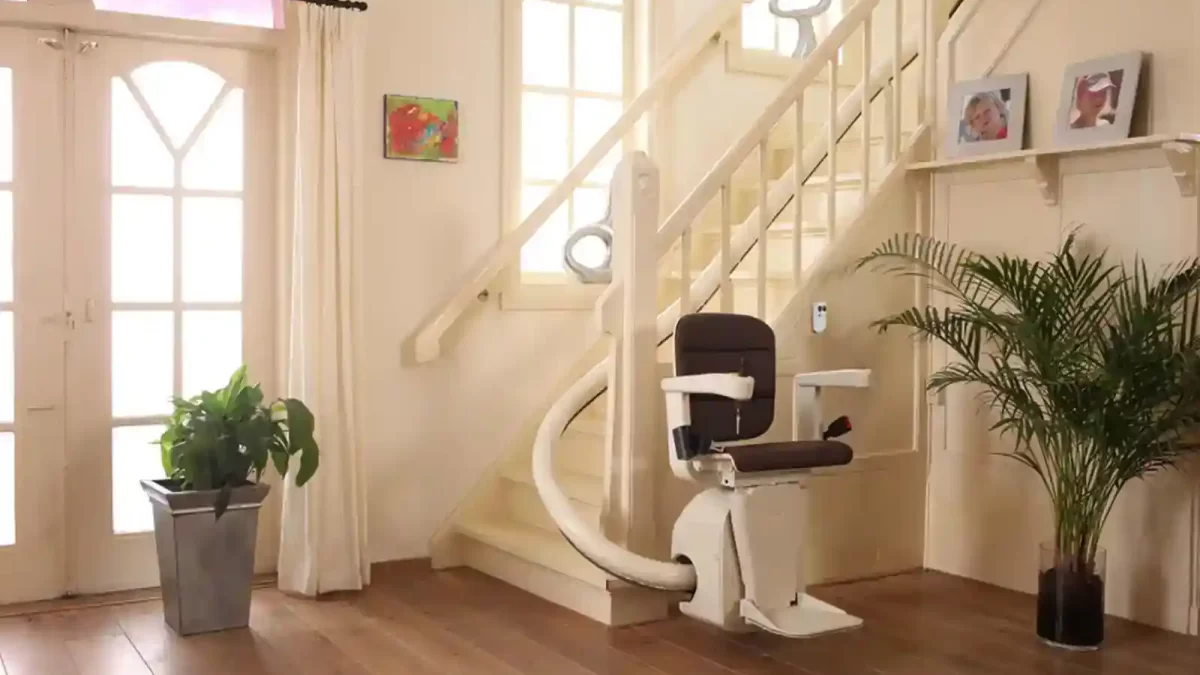
Stairlifts can transform how you navigate your home by improving mobility and safety. When deciding between curved and straight stair lifts, understanding the unique features and installation needs of each option helps you make the best choice for your stairs. Straight lifts work well on stairs without bends and often install faster and more affordably. In contrast, curved lifts adapt to complex staircases, providing extra versatility but requiring custom rails and longer installation times. Knowing these differences ensures you select a stair lift that enhances your independence while maintaining maximum safety in your home.
Key Takeaways:
- Straight stair lifts are designed for stairs without bends or landings, offering a customizable straight rail that can include retractable features for narrow spaces, while curved stair lifts have custom-built rails to navigate curves, landings, and spiral staircases.
- Straight stair lifts typically rotate the chair at the top landing for safe entry and exit, whereas curved stair lifts often include an overrun feature that allows the chair to park safely out of the way without needing to swivel.
- Installation times vary, with straight stair lifts usually installed within one to two weeks due to their simpler design, and curved stair lifts requiring four to six weeks because of their custom rail fabrication and detailed surveying process.
The Architectural Impact of Rail Shapes
Defining Curved vs. Straight Rail Systems
Straight rail systems follow a direct, linear path from one floor to another, ideal for stairs without interruptions or turns. In contrast, curved rail systems are meticulously crafted to mirror the unique bends, landings, or spirals of your staircase, ensuring smooth navigation. The complexity of curved rails means each is custom-built to fit the exact contours of your home’s architecture, while straight rails offer quicker installation due to their simpler design.
Aesthetic Considerations in Design
Straight rails offer a clean, minimalist look that seamlessly integrates into modern or traditional interiors, drawing minimal attention. Curved rails, however, become a more prominent feature due to their tailored form, often adding a sculptural quality that complements the staircase’s architecture.
The visual presence of your stair lift’s rail system significantly influences the overall look of your stairwell. Straight rails can be discreetly positioned along the edges of your stairs, and with retractable designs, they fold away to minimize obstruction. Conversely, curved rails, custom-formed to wind around corners and landings, become a defining design element. Depending on your home’s style, you might choose finishes like brushed aluminum or powder coating to either highlight or blend the rail with existing woodwork or metal accents. Well-executed curved rails can even enhance the architectural interest of traditionally challenging staircases, reflecting a balance between functionality and artistry within your living space.
Top Landing Finish: A Detail Often Overlooked
Importance of Seamless Integration
The top landing finish plays a vital role in how smoothly you transition off the stair lift and into your next space. For straight stair lifts, the ability to rotate the chair at the top ensures a safe and ergonomic exit, reducing the need for awkward twisting or reaching. Curved stair lifts often feature an overrun that lets you park the chair discreetly, keeping the landing clear and avoiding obstruction in high-traffic areas. This seamless integration enhances both safety and convenience, especially in homes with narrow landings or busy corridors.
Customization Options for Individual Needs
Options for tailoring the top landing finish allow you to address specific mobility challenges or spatial constraints within your home. Power-assisted swivels can be added to straight stair lifts for effortless chair rotation, while overrun lengths on curved lifts are adjusted to fit available space precisely. These custom elements improve usability and provide personalized solutions that make daily transfers safer and more comfortable for you.
Beyond basic rotation and parking features, customization extends to finer details, such as adjustable seat heights and ergonomically designed controls positioned at your fingertips. If your staircase landing is tight or uniquely shaped, technicians can modify the overrun or swivel angles to fit perfectly within your environment. Some users also include safety sensors near the landing to detect obstructions, automatically stopping the lift if needed, adding an extra layer of protection tailored to your home’s conditions.
The Installation Journey: What to Expect
Timeframes for Straight Stair Lifts
Straight stair lifts typically have a swift installation process, often completed within one to two weeks. Since these units are not custom-built but adaptable to your stair’s length, you might see installations happening even faster when urgency is involved. This expedited timeline means you can regain safe stair access quickly, minimizing disruption to your daily routine.
The Complex Process for Curved Stair Lifts
Curved stair lift installations demand a longer timeline, usually ranging from four to six weeks. The process begins with a detailed on-site survey to capture every twist, bend, and landing. From these precise measurements, a custom rail is engineered and built specifically to your staircase’s unique shape, ensuring smooth operation and perfect fit.
Beyond measurements, creating a curved stair lift involves designing a rail that navigates multiple turns and landings without compromising safety or comfort. Specialized manufacturing techniques produce a sturdy, tailored rail that aligns precisely with the contours of your stairs. Given the complexity, this leads to a longer lead time compared to straight lifts but results in a highly personalized mobility solution. The installation itself requires skilled technicians to carefully fit and test the system, guaranteeing it operates seamlessly from day one.
Balancing Budget: Understanding the Costs
Breakdown of Expenses for Straight Stair Lifts
Expect straight stair lifts to cost between $3,000 and $7,000, with price variation depending on length and added features. This range includes professional installation and warranty coverage. Customizable rails tailored to the exact stair length help keep costs manageable. Optional upgrades, such as a power-assisted swivel seat or outdoor installation, may increase the price. Still, generally, straight stair lifts remain the more affordable choice for homes with simple, linear staircases.
Financial Considerations for Curved Stair Lifts
Curved stair lifts involve higher expenses, starting at around $12,000 due to the need for a custom-designed rail that fits your staircase’s unique bends and landings. Beyond design complexity, the manufacturing process and installation timeline add to the overall cost. While the initial investment is greater, the enhanced versatility and seamless integration with intricate staircases justify the price for many users.
Because curved stair lifts require a detailed home survey and a tailor-made rail system, the manufacturing process demands increased materials and labor. These factors contribute to a longer lead time and a higher price point compared to straight models. Additionally, curved lifts often include premium features such as “overrun” top landings for parking and automatic battery operation, ensuring reliable performance even during power outages. Planning your budget with these elements in mind will help you make an informed decision tailored to your home’s architectural needs and your mobility requirements.
Advantages of Straight Stair Lifts
Simplicity and Ease of Use
Straight stair lifts provide a straightforward design that makes operation intuitive. With fewer mechanical components than curved models, they offer simple controls that are easy to master for users of all ages and abilities. The consistent rail shape means less maintenance and quicker troubleshooting, helping you rely on the lift day after day without hassle. Features like a manual or power-assisted swivel chair at the top landing add safety while maintaining ease of use during transfers.
Best Use Cases and User Profiles
Straight stair lifts are ideal for homes with staircases that have a direct, uninterrupted path between floors. They’re well suited to users who need reliable, efficient access without requiring extensive customization or complex installations. Whether your residence has a narrow entranceway or outdoor steps, these lifts adapt well and provide a stable solution. For individuals with limited mobility but straightforward home layouts, straight lifts offer excellent value and a quick installation timeline.
Many homeowners who opt for straight stair lifts have traditional staircases without bends or landings, making the installation less invasive and more budget-friendly. Users such as seniors with moderate mobility limitations or individuals recovering from surgery often benefit from the speed of installation, typically within one to two weeks, and the user-friendly design. Additionally, those living in homes with limited space near the stairs appreciate the retractable rail option, which helps minimize tripping hazards when the lift isn’t in use.
Advantages of Curved Stair Lifts
Customizability and Space Efficiency
Curved stair lifts are engineered with precision-tailored rails that conform to every bend and landing of your staircase, ensuring a perfect fit. This customization enables the stair lift to maximize your available space, fold up neatly when not in use, and navigate tight corners or landings without obstructing pathways. You gain a smooth, unobtrusive addition to your home that maintains both function and aesthetic, especially in staircases with unique architectural details.
Accessibility for Unique Stair Designs
You can equip virtually any staircase—spiral, L-shaped, or multi-landing—with a curved stair lift. These units adapt to complex layouts by using custom rails molded specifically for your staircase’s contours, enabling safe and reliable access where straight lifts simply won’t fit. This flexibility means you don’t have to remodel or compromise your home’s design to regain mobility and independence.
For staircases with unconventional layouts, such as winding or spiral stairs, curved stair lifts provide unparalleled accessibility options. Their tailored rails enable installation in homes where traditional straight lifts are impractical, including those with multiple landings or tight angles. This adaptability expands your mobility solutions to fit your home’s unique structure without expensive renovations, preserving your living space while enhancing safety and convenience.
Real-Life Applications: Who Benefits More?
Profiles of Users for Straight Stair Lifts
Straight stair lifts are ideal for homes with simple staircase layouts, typically preferred by users who require a quick and cost-effective solution. You might find these lifts in residences where stairs run directly between two levels without bends or landings. Elderly individuals or those recovering from surgery often benefit from the straightforward installation timeline, which can be completed within just a week or two. Additionally, if your stairs have narrow entryways, the retractable rail option enhances safety by minimizing tripping hazards when the lift isn’t in use.
Who Chooses Curved Stair Lifts and Why
Curved stair lifts are favored by users who face complex staircases with bends, landings, or spiral designs that cannot accommodate a straight rail. You may choose this option if your home has unique architectural features or requires maximum custom fit for safety and comfort. Although installation typically takes longer—often 4 to 6 weeks—the customized rail ensures smooth navigation around corners and obstacles, significantly improving mobility in more challenging spaces.
Many individuals opt for curved stair lifts due to the additional versatility they provide. For example, if your staircase includes multiple landings or requires the chair to park safely out of the way at the top, the overrun feature delivers added convenience and safety. The investment in a curved model often pays off in long-term independence at home, especially for users who need a tailored solution that seamlessly integrates within unconventional stair layouts while still offering advanced safety features and battery backup for uninterrupted use during power outages.
Final Thoughts: Choosing the Right Stair Lift for Your Home
Assessing Your Specific Needs
You’ll want to evaluate the layout of your staircase and the extent of mobility challenges faced daily. Straight stair lifts are suitable for stairs without turns or landings and offer quicker installation, while curved models fit complex staircases with bends and landings, ensuring safe and uninterrupted travel. Consider whether features like power-assisted swivels or chair overruns will enhance your experience. Factoring in your home’s dimensions and lifestyle will help pinpoint the most practical and safe solution tailored specifically for you.
Making the Informed Decision
Budget and timing often influence your choice, as straight stair lifts typically range from $3,000 to $7,000 and can be installed within one to two weeks. Curved stair lifts, starting around $12,000, require a custom design and take four to six weeks for installation. Comparing these factors alongside safety features, such as battery backup and retractable rails, enables you to select a stair lift that balances cost, functionality, and convenience to fit your unique home environment.
Diving deeper into the decision process, understanding the technical and practical differences ensures that you avoid costly modifications or safety compromises. For instance, a curved stair lift’s custom rail design accommodates spiral or pie-shaped stairs, which a straight lift cannot. On the other hand, a retractable rail on a straight lift reduces tripping hazards in narrow stairways. Careful consultation and professional guidance allow you to weigh installation timelines and long-term maintenance against your daily mobility needs, empowering you to invest confidently in the option that offers both independence and peace of mind.
Conclusion
As a reminder, choosing between curved and straight stair lifts depends largely on your staircase layout and specific needs. Straight stair lifts are ideal for stairs without bends, offering quicker installation and lower cost, while curved stair lifts provide customized solutions for staircases with landings or curves, though with a longer timeline and higher investment. Both types prioritize safety, convenience, and independence within your home. Understanding these differences will help you select the best stair lift to enhance your mobility and comfort with confidence through Caps Remodeling.
FAQ
Q: What are the main differences between straight and curved stair lifts?
A: Straight stair lifts are designed for staircases without bends, curves, or landings and operate along a straight rail that can be customized to fit the exact length of your stairs. Curved stair lifts, on the other hand, are made specifically for staircases with bends, landings, or spiral designs. Their rails are custom-built to follow the shape of your staircase, enabling smooth navigation around corners and at multiple angles.
Q: How do installation times differ for straight versus curved stair lifts?
A: The installation of straight stair lifts typically takes less time, often within one to two weeks, as these units are not custom-built and the rails are straightforward to fit. Curved stair lift installation requires a longer timeline, generally four to six weeks, because the rail must be precisely measured, custom-designed, and manufactured to fit the unique contours of your staircase.
Q: How do the costs compare between straight and curved stair lifts?
A: Straight stair lifts generally cost less, ranging between $3,000 and $7,000, including installation and warranty. Curved stair lifts involve a more complex design and custom manufacturing process, resulting in higher pricing, typically starting at around $12,000. These costs reflect the additional customization and installation complexity involved with curved models.

Introducing Kevin Olrich, Owner of CAPS Remodeling. As a trusted expert in the field of barrier free remodeling Kevin brings a compassionate approach to create safer, more comfortable, and independent living conditions for the elderly and disabled throughout the State of Michigan. His leadership and experience is at the core of how CAPS provides the best solutions to meet the unique needs of our customers and medical professionals.