Wheelchair Ramp Length Calculator: How to Measure the Right Ramp Size for Your Home
May 7, 2026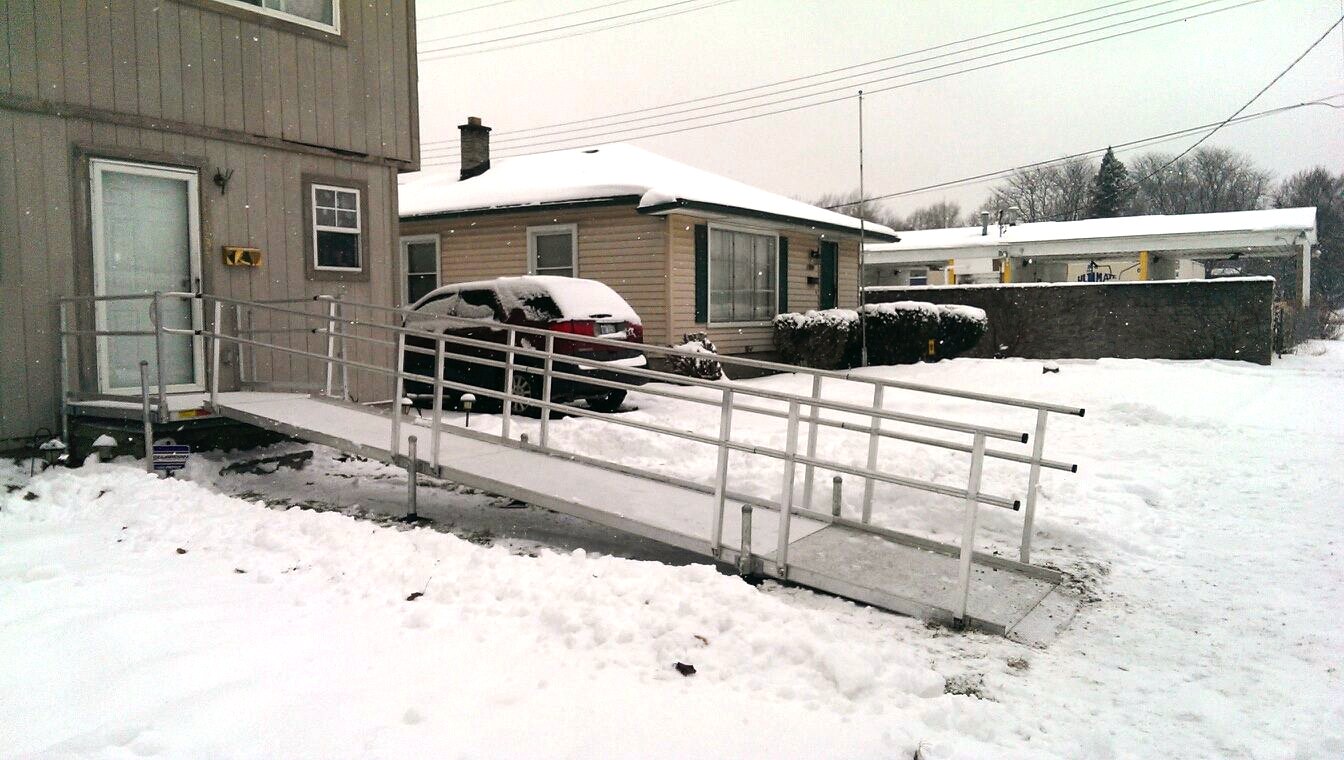
Wheelchair Ramp for Garage Entry: Slope, Space, and Safety Tips
May 18, 2026
Winter can make everyday home access more difficult, especially for older adults who use wheelchairs, walkers, scooters, or other mobility support.
A wheelchair ramp that feels safe in spring or summer may become harder to use when snow, ice, freezing rain, and low visibility are factors. A small patch of ice can create a serious hazard. A ramp that is not cleared properly can become difficult to climb. Poor lighting can make edges, landings, and wet spots harder to see.
That is why winter wheelchair ramp safety should be part of every aging-in-place plan.
For many homeowners, a ramp is more than a convenience. It is the main connection between the home and the outside world. It helps with medical appointments, family visits, errands, and daily routines. When winter weather affects access, it can reduce independence and increase stress for the person using the ramp and the people helping them.
A safer winter ramp starts with good planning, regular care, and the right features for the home.
Why Winter Wheelchair Ramp Safety Matters for Aging in Place
Aging in place means staying in your own home while your mobility needs change over time. For many older adults, this means the home must become easier and safer to use.
A wheelchair ramp can support that goal by making entryways more accessible. However, winter conditions can change how the ramp performs.
Snow can make the ramp surface uneven. Ice can reduce traction. Wet leaves can freeze in place. Cold metal surfaces may become slick. Poor drainage can create icy patches near the bottom of the ramp. Even a well-built ramp needs attention during winter.
For someone using a wheelchair, a slippery ramp can be hard to control. For someone using a walker, the risk of losing balance can increase. For a caregiver, pushing or guiding someone on a snowy ramp can be difficult and unsafe.
That is why winter wheelchair ramp safety is not just about removing snow. It is about creating a safer access route from the driveway, sidewalk, or garage to the door.
Start With the Ramp Surface
The ramp surface is one of the most important parts of winter safety.
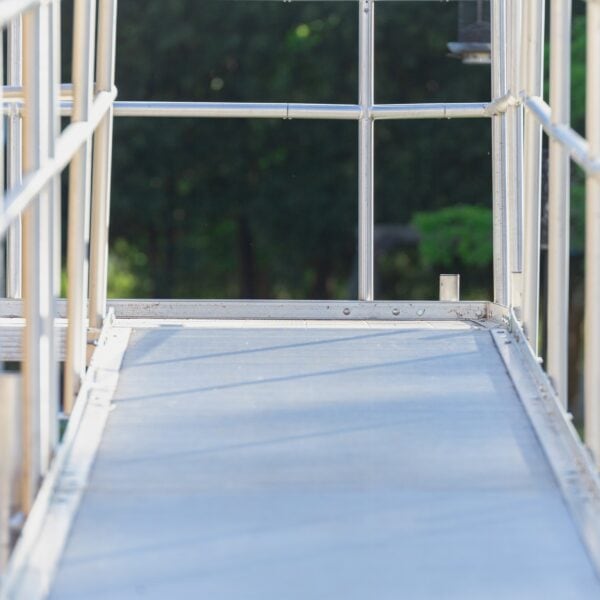
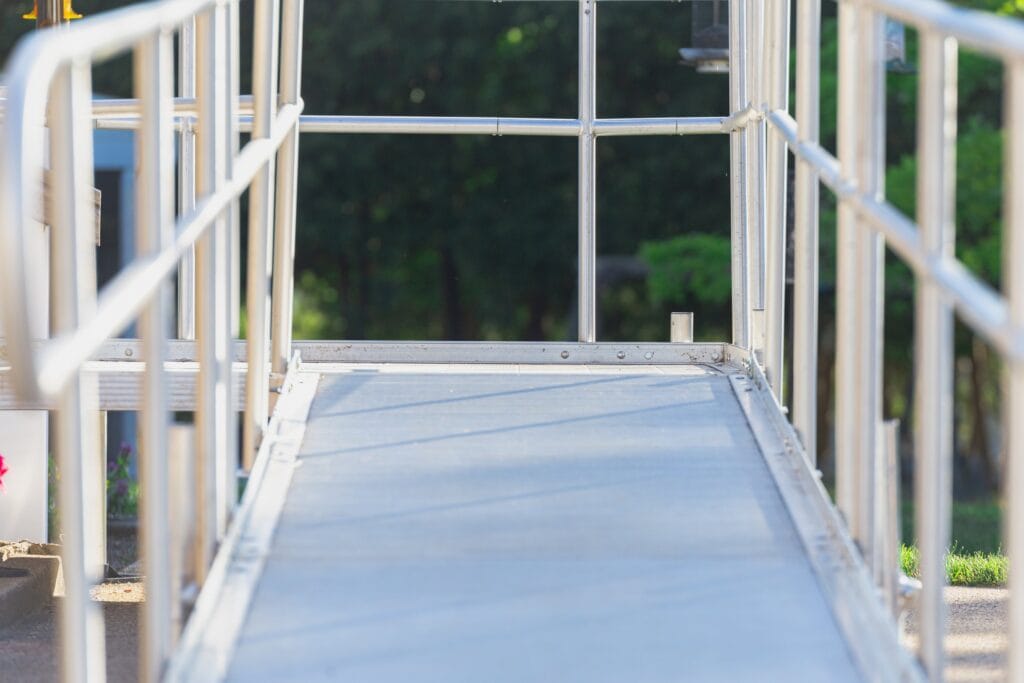
A smooth surface may look clean, but it can become slippery when wet or icy. A safer ramp surface should help provide traction during daily use.
Some ramps are built with textured surfaces. Others may use slip-resistant strips or surface treatments. The best choice depends on the ramp material, location, and how often the ramp is used.
Outdoor ramps should also be checked for worn areas. Over time, high-traffic sections may become smoother. If the ramp surface has become slick, uneven, cracked, or loose, winter can make the problem worse.
Before the first heavy snow, homeowners should walk the ramp and inspect the surface closely. Check for loose boards, raised fasteners, worn traction areas, soft spots, or places where water collects.
If the ramp feels unstable or unsafe, it may be time to have it reviewed by CAPS Remodeling.
Keep Snow Removal Simple and Consistent
Snow removal is one of the most important parts of winter wheelchair ramp safety.
Even a light snowfall can make a ramp harder to use. Snow can hide ice, cover edges, and reduce traction. If snow is packed down by wheels or foot traffic, it can become harder to remove later.
The safest approach is to clear the ramp as soon as possible after snow begins to build up.
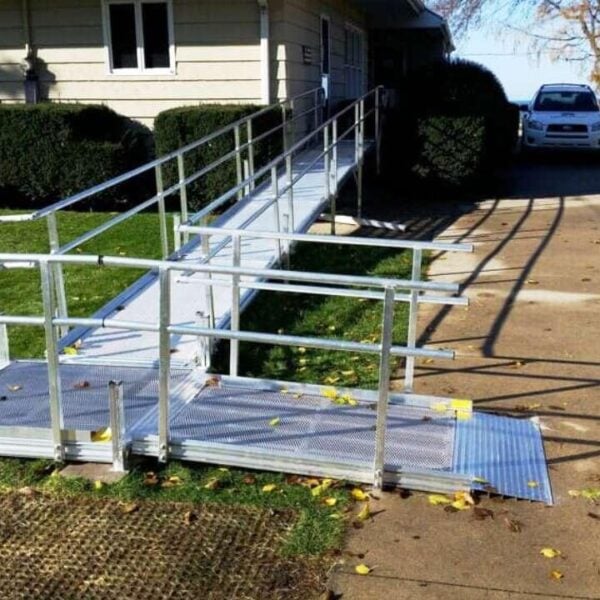
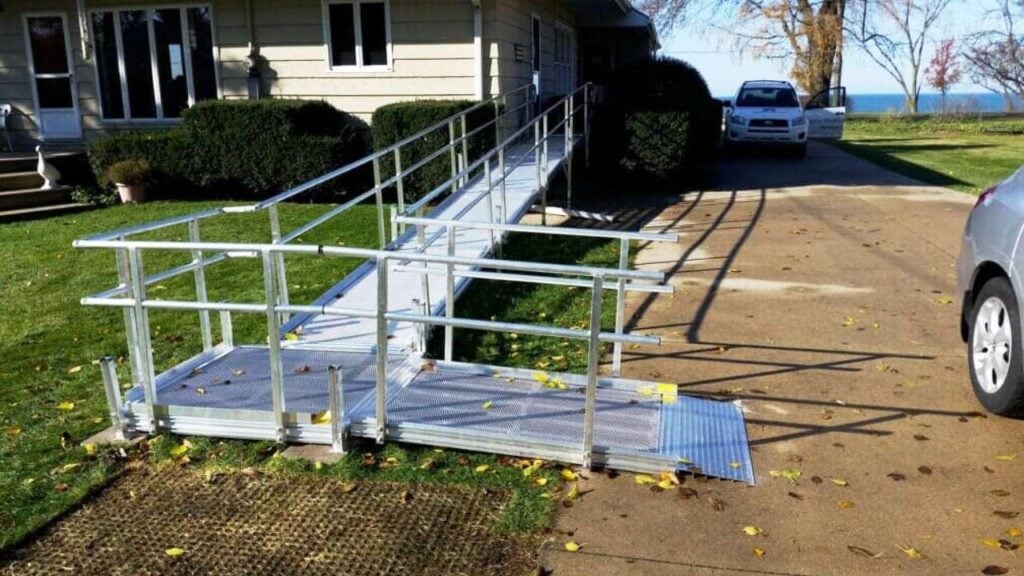
The top landing should be cleared. The full ramp surface should be cleared. The bottom landing and the path leading away from the ramp should also be cleared.
Clearing only the ramp itself is not enough. A wheelchair user also needs a safe route to the driveway, walkway, or vehicle.
For aging-in-place homes, snow removal should be planned before winter begins. The person using the ramp should not have to depend on last-minute help. Family members, caregivers, neighbors, or a snow removal service may need to be part of the plan.
A consistent snow removal routine can help keep the ramp usable throughout the season.
Watch for Ice at the Top and Bottom of the Ramp
Ice often forms where people least expect it.
The top landing and bottom landing are common problem areas. Water can drain from the ramp and freeze near the lower end. Snow can melt during the day and refreeze at night. Roof runoff can drip near the entry. Moisture from shoes, wheels, or equipment can freeze on cold surfaces.
These small icy spots can be dangerous because they happen in transition areas.
At the top of the ramp, the user may need to slow down, turn, or open the door. At the bottom, the user may be moving between the ramp and another surface. Any sudden loss of traction in these areas can be risky.
For better winter wheelchair ramp safety, check landings often. Pay close attention after freezing rain, sunny afternoons, and temperature drops.
If ice keeps forming in the same place, the issue may be related to drainage, shade, roof runoff, or the slope of nearby surfaces. CAPS Remodeling can help homeowners look at access issues as part of a safer ramp plan.
Use Ice Melt Carefully
Ice melt can help reduce slippery areas, but it should be used carefully.
Not every product is right for every ramp material. Some products may affect wood, metal, concrete, nearby plants, or pets. Some may leave residue that makes the surface messy or harder to manage.
Homeowners should choose an ice control product that fits the ramp material and follow the product directions.
It is also important not to rely only on ice melt. Snow should still be removed. Ice should still be checked. The ramp should still have good traction and drainage.
For aging-in-place safety, the goal is to reduce risk in several ways rather than relying on a single product.
A small container of ice melt can be kept near the door so it is available when needed. However, it should be placed where it does not block the doorway, landing, or ramp path.
Make Sure Handrails Are Easy to Grip
Handrails are especially important in winter.
Cold weather, gloves, snow, and ice can all affect grip. A handrail should feel sturdy, easy to reach, and comfortable to hold.
For older adults, handrails can provide extra support when entering or leaving the home. They can also help caregivers steady themselves while assisting someone else.
During winter, handrails should be cleared of snow and checked for ice. If a handrail is loose, wobbly, too low, too high, or hard to grip, it may not provide the support needed.
A ramp with turns or a longer run can benefit from well-placed handrails. Even when a wheelchair user does not rely on the handrail directly, caregivers and family members may use it often.
Good handrails support safer movement and better confidence during winter use.
Improve Lighting Around the Ramp
Winter days are shorter, and ramps may be used in the dark more often.
Poor lighting can make it hard to see snow, ice, ramp edges, landings, and changes in surface level. This can increase the chance of slips, trips, and navigation problems.
For better winter wheelchair ramp safety, lighting should cover the full access route.
The doorway should be well-lit. The top landing should be visible. The ramp surface should be clearly visible. The bottom landing and nearby walkway should also have enough light.
Motion lights may be helpful, but they should turn on early enough for the user to see the path before entering the ramp area. Lights should also be placed to reduce shadows.
If the ramp has turns, each landing should be clearly visible. If the ramp connects to a driveway, the route to the vehicle should be visible as well.
Lighting is a simple upgrade that can make a major difference during winter.
Keep the Ramp Edges Clear
Snow can blur the edges of a ramp.
This makes it harder to tell where the ramp ends and where the yard, steps, or surrounding surface begins. For wheelchair users, clear ramp edges help with alignment and control. For caregivers, visible edges make it easier to guide movement safely.
Ramp edges should be cleared during snow removal. If snow is piled too close to the ramp, it can narrow the usable path. It can also melt and refreeze on the surface.
Avoid pushing snow against handrails, edges, or landings. Snow piles should be moved away from the main access route whenever possible.
If the ramp has edge protection, ensure it is visible and undamaged. If the ramp does not have proper edge protection, that may be worth reviewing before winter weather becomes a regular concern.
Check the Ramp Slope
Ramp slope affects how easy the ramp is to use in any season, but winter makes slope even more important.
A steep ramp can become much harder to use when wet, snowy, or icy. A wheelchair may be harder to control when going down. A caregiver may struggle to push someone up. A walker user may feel less stable.
A safer ramp should have a slope that fits the user’s needs and the home layout.
Some older ramps may have been added quickly without enough planning. Others may be too short for the entry height. In winter, these problems become more noticeable.
If a ramp feels too steep, unsafe, or tiring, it may need to be replaced or redesigned. A longer ramp, a different layout, or another accessibility option may be better for long-term aging-in-place.
CAPS Remodeling can help homeowners review whether the ramp slope is practical for daily use.
Keep Landings Open and Usable
Landings are flat areas at the top and bottom, and sometimes between ramp sections.
They are very important for safety. A landing gives the user space to rest, turn, open a door, or change direction.
During winter, landings can become cluttered with snow piles, shovels, ice-melt containers, packages, decorations, or other outdoor items. Even small items can create problems for wheelchair users and caregivers.
The top landing should stay open enough for safe door use. The bottom landing should connect smoothly to the next surface. Any middle landing should remain clear for turning and resting.
For aging in place, keeping landings clear should be part of the daily winter routine.
A ramp may have the right slope and surface, but if the landings are blocked, the access route is still unsafe.
Think About Drainage Before Winter Problems Start
Drainage is easy to overlook until ice forms.
Water that sits on or near the ramp can become a serious winter hazard. This can happen when the ramp drains poorly, when nearby surfaces slope toward the ramp, or when roof water drips onto the access route.
Look for areas where water collects after rain. These same spots may freeze during cold weather.
Also, check whether downspouts release water near the ramp. Water should not flow across the ramp surface or pool at the bottom landing.
If drainage problems keep returning, they should be addressed rather than handled only with salt or ice melt.
A safer ramp plan should account for water movement, shade, and freeze-thaw cycles. This is especially important for homes where the ramp is used daily.
Choose Materials With Winter Use in Mind
Ramp materials affect winter performance.
Some materials may require more maintenance. Some may feel slick when wet. Some may handle snow and ice better than others. Some may need surface treatments or added traction.
When planning a new ramp, homeowners should think about long-term use, not just installation.
Will the ramp be exposed to snow?
Is the area shaded most of the day?
Will someone be able to clear it regularly?
Is the ramp close to the roof runoff?
Will the user be in a manual wheelchair, a power wheelchair, a walker, or a scooter?
The answers can help guide material and design choices.
A ramp for aging in place should be built with daily safety in mind. It should fit the home, the user, and the local winter conditions.
Make the Full Route Safer, Not Just the Ramp
A ramp is only one part of the access route.
The route may begin in the bedroom, hallway, or living area. It may pass through a doorway, porch, garage, walkway, driveway, or sidewalk.
If any part of that route is unsafe, winter access can still be difficult.
For example, a ramp may be clear, but the driveway may be icy. The ramp may have traction, but the walkway may be uneven. The doorway may be accessible, but the threshold may be hard to cross.
Good winter wheelchair ramp safety looks at the full path.
Inside the home, check the flooring near the entry. Wet wheels can track in snow and water. A slippery entry floor can become another fall risk.
Outside the home, check the path to vehicles, mailboxes, trash bins, and other common areas.
Aging in place works best when the full home environment supports safer daily movement.
Create a Winter Ramp Maintenance Checklist
A simple checklist can make winter ramp care easier.
Before winter begins, inspect the ramp surface, handrails, landings, lighting, drainage, and fasteners. Make sure snow removal tools are available and easy to reach. Choose an ice control product that fits the ramp material.
After each snowfall, clear the ramp, landings, and connected path. Remove snow from handrails. Check for hidden ice. Keep edges visible.
After freezing rain or temperature changes, inspect the top and bottom landings. Look for refrozen meltwater. Watch for slick patches near shaded areas.
Throughout the season, look for damage, loose parts, worn traction, or drainage issues.
This type of routine can help families stay ahead of hazards rather than react after a problem occurs.
When to Replace or Redesign a Winter Ramp
Some ramps can be improved with maintenance. Others may need a larger update.
A ramp may need to be replaced or redesigned if it is too steep, too narrow, unstable, worn, slippery, poorly drained, or hard to clear.
It may also be time to update the ramp if the user’s mobility needs have changed. A person who once used a walker may now use a wheelchair. A manual wheelchair user may need a more manageable slope. A caregiver may need more space to assist safely.
Aging in place is not a one-time project. The home may need updates as needs change.
CAPS Remodeling can review the current ramp and help determine whether repairs, upgrades, or a new design would better support safe winter access.
How CAPS Remodeling Supports Safer Wheelchair Ramp Access
CAPS Remodeling helps homeowners plan accessibility updates that fit real daily needs.
For wheelchair ramps, that means looking beyond the basic ramp structure. The team can review slope, surface, landings, handrails, entry points, available space, and how the ramp will be used during winter.
Homeowners interested in safer wheelchair ramps can work with CAPS Remodeling to plan a solution that provides easier access year-round.
This is especially helpful for aging-in-place planning because the ramp must support comfort, safety, and independence over time.
The right ramp can make it easier to leave the home, return home, welcome visitors, and stay active. In winter, those details matter even more.
Winter Ramp Safety for Caregivers
Caregivers also need to think about ramp safety.
Pushing a wheelchair on a snowy or icy ramp can be physically demanding. Guiding someone with a limited balance can also be risky if the caregiver lacks a secure footing.
A safer ramp supports both the person using mobility equipment and the person helping them.
Caregivers should wear shoes with good traction during winter. They should avoid rushing. They should check the ramp before use. If the ramp appears unsafe, it should be cleared and repaired before anyone uses it.
The ramp should also have enough width and landing space for assistance. A tight ramp can make caregiving more difficult, especially when winter clothing, gloves, and mobility equipment take up extra space.
Good design can reduce strain and make daily routines safer for everyone involved.
Planning Helps Protect Independence
Winter can make older adults feel more isolated when it becomes hard to leave the home safely.
A safer ramp helps protect independence. It supports routine medical visits, social activities, family gatherings, and everyday errands. It also helps reduce worry for family members who want their loved one to have safe access.
Planning is key.
Do not wait until the first ice storm to think about ramp traction. Do not wait until snow piles up to decide who will clear the ramp. Do not wait until someone feels unsafe to review the slope, handrails, lighting, or drainage.
Aging in place works best when the home is ready before problems become urgent.
Winter wheelchair ramp safety is an important part of aging in place.
A ramp should make daily access easier, not more stressful. During winter, that means paying close attention to snow removal, ice prevention, traction, handrails, lighting, drainage, and clear landings.
A calculator or basic ramp plan may help with size, but winter safety depends on how the ramp performs in real conditions.
For older adults, caregivers, and families, the right ramp design can support safer movement and greater confidence throughout the season.
CAPS Remodeling can help homeowners plan or improve wheelchair ramp access to make the home easier to use during winter and beyond.
FAQs
Why is winter wheelchair ramp safety important for aging in place?
Winter wheelchair ramp safety is important because snow, ice, freezing rain, and poor visibility can make home access harder and less safe. For older adults aging in place, the ramp may be the main way to enter and leave the home. Keeping it safer helps support independence, daily routines, and caregiver support.
How can I make a wheelchair ramp safer in winter?
You can make a wheelchair ramp safer in winter by clearing snow quickly, checking for ice, keeping landings open, improving lighting, using proper ice-control products, and ensuring handrails are stable and easy to grip. It is also important to check the ramp surface for worn or slippery areas before winter weather becomes frequent.
What areas of a wheelchair ramp are most likely to become icy?
The top landing, bottom landing, shaded sections, and areas near the roof runoff are often more likely to become icy. Water can melt during the day and refreeze at night, creating slick spots. These areas should be checked often during winter.
Should a wheelchair ramp be replaced if it feels too steep in winter?
A ramp that feels too steep in winter may need to be reviewed. Snow and ice can make a steep ramp harder to use and more difficult to control. CAPS Remodeling can inspect the ramp, review the slope and layout, and help decide whether repairs, changes, or a new ramp design would be safer.
Does CAPS Remodeling help with winter-ready wheelchair ramp planning?
Yes, CAPS Remodeling can help homeowners plan wheelchair ramp solutions that support safer access during winter. The team can review ramp slope, surface, landings, handrails, drainage, and entry layout to create a better fit for aging in place.

Introducing Kevin Olrich, Owner of CAPS Remodeling. As a trusted expert in the field of barrier free remodeling Kevin brings a compassionate approach to create safer, more comfortable, and independent living conditions for the elderly and disabled throughout the State of Michigan. His leadership and experience is at the core of how CAPS provides the best solutions to meet the unique needs of our customers and medical professionals.