Enhance Bathroom Safety: Grab Bar Installation in Madison Heights
December 16, 2025
Madison Heights: Your Guide to Handicap Accessible Bathrooms
December 30, 2025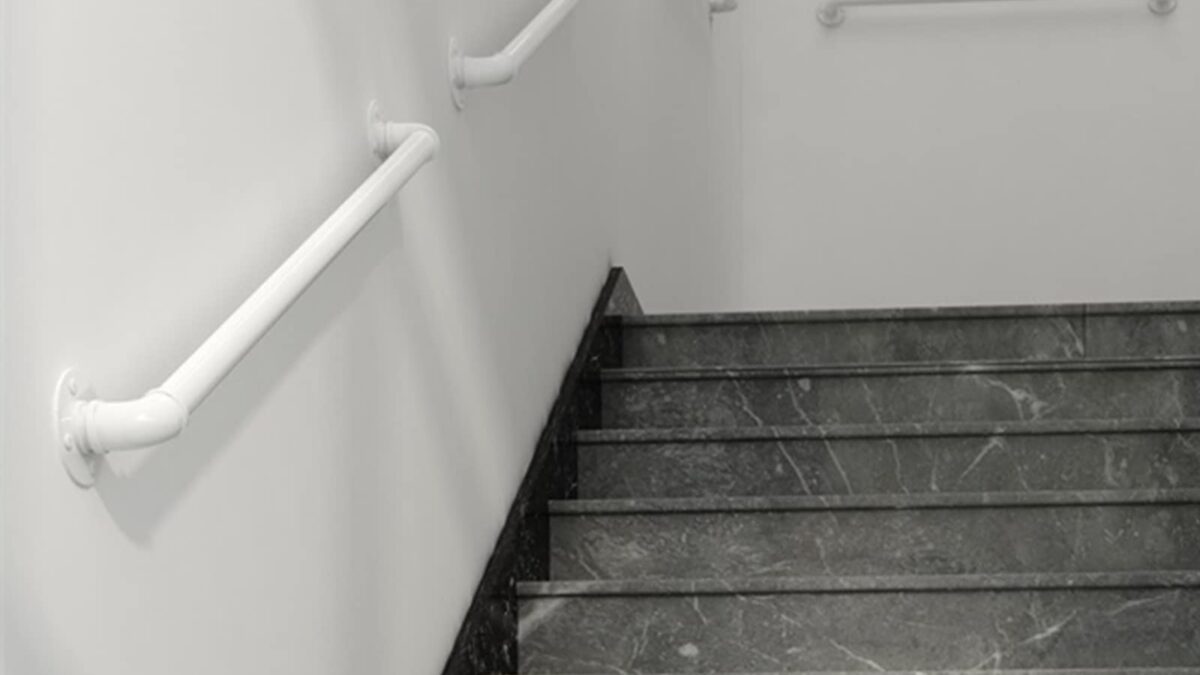
Handicap accessible handrails are more than just a safety feature—they are a vital tool for fostering independence and confidence in the home. For seniors and individuals with mobility challenges, well-placed handrails can make daily routines safer and easier. In Madison Heights, where weather and home layouts vary, the right handrail installation can significantly reduce the risk of falls and help people move through their homes with greater ease.
The Importance of Handrails for Mobility and Safety
Handrails play a crucial role in supporting those who need extra assistance with balance or movement. Whether you’re using a cane, walker, or simply want added reassurance, a sturdy, well-designed rail offers leverage and stability. These supports are especially important for caregivers, as they provide a secure point to guide loved ones up and down stairs or through hallways. By encouraging independence, handrails help individuals complete more tasks without assistance, making homes safer and more comfortable for everyone.
Essential Features of ADA-Compliant Handrails
For maximum safety and usability, handrails should be installed with careful attention to ADA standards and best practices. Key features include:
-
Consistent Height: Rails should be installed at a uniform height, typically between 34 and 38 inches, along their entire length to ensure easy access and support.
-
Continuous Support: Rails must run uninterrupted, especially on staircases, to allow users to maintain contact as they move.
-
Ergonomic Design: The rail should be easy to grip, with enough space between the wall and the rail to avoid knuckle bumps.
-
Secure Mounting: Rails should be anchored into studs or blocking and secured with sturdy brackets to prevent wobbling or flexing.
-
High-Contrast Finishes: Choosing a finish that contrasts with the wall helps those with limited vision locate the rail quickly, even in low light.
-
Smooth Transitions: At corners and landings, rails should turn gently or overlap to ensure a seamless hand-off.
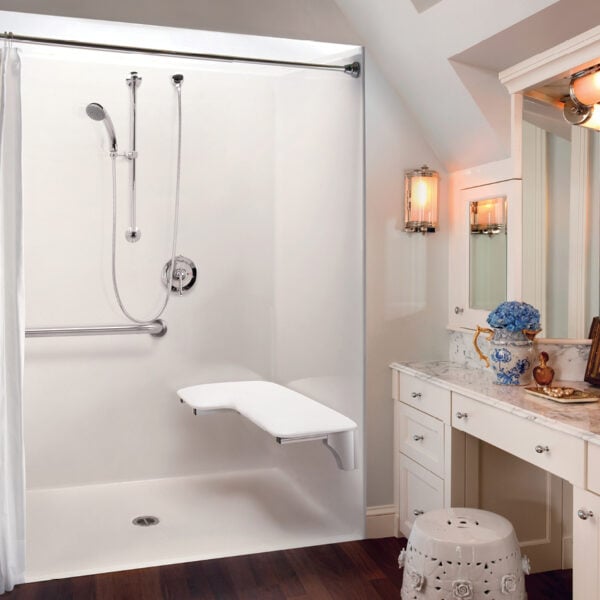
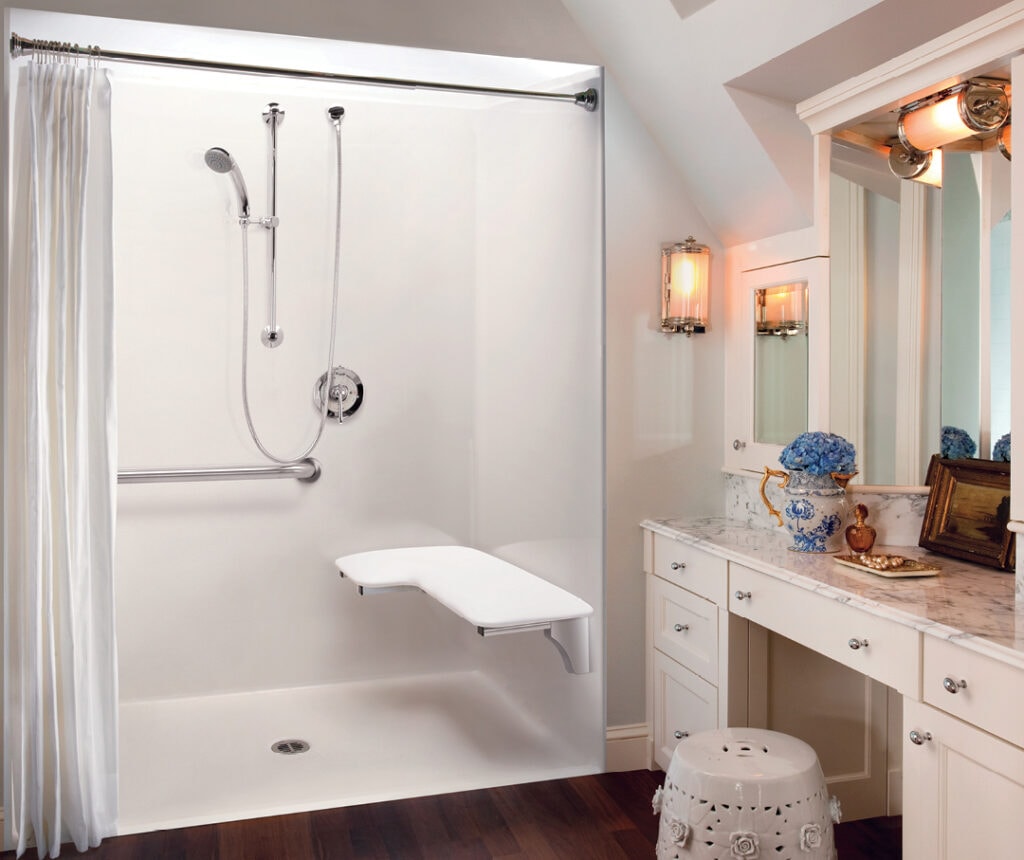
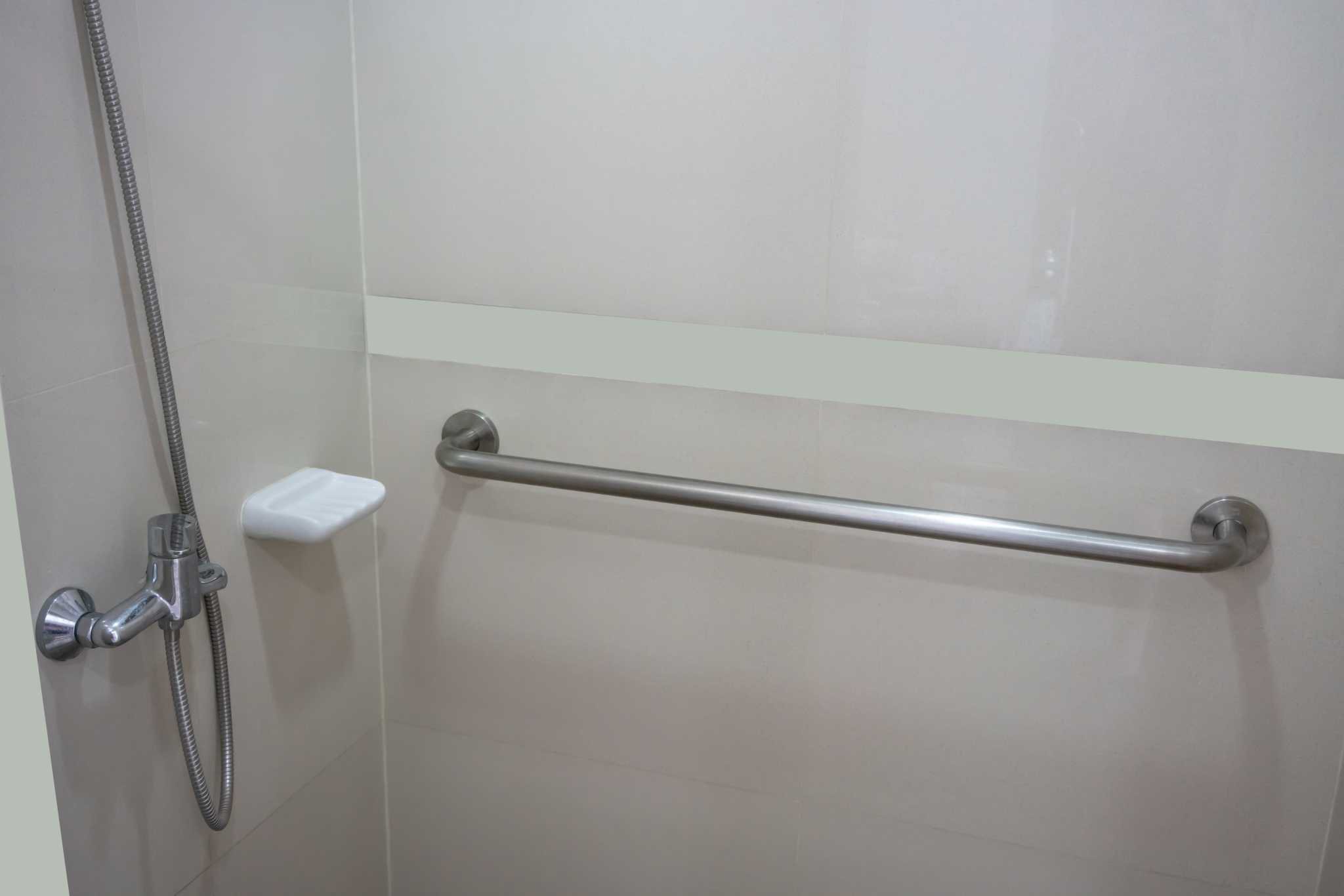
Bathroom interior in patient room with basic required equipment. Modern design in beige color.
Strategic Placement for Maximum Impact
Handrails are most effective when installed in high-risk areas throughout the home. Key locations include:
-
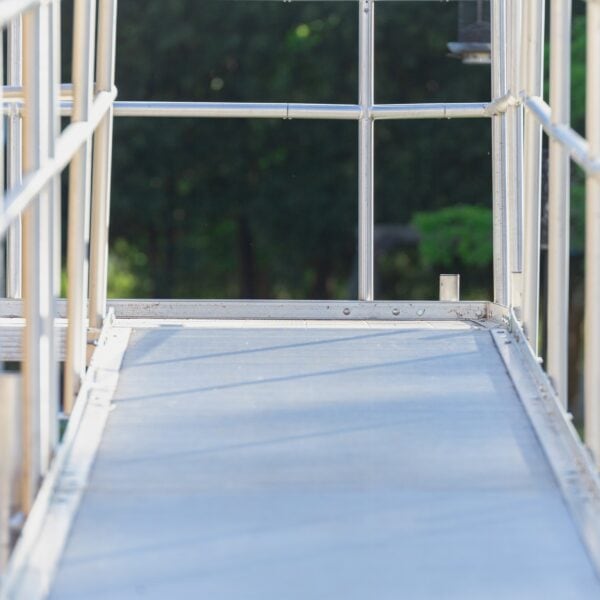
Staircases: Installing rails on both sides provides extra support and allows for easier navigation, especially for those with limited mobility.
-
Hallways: Long hallways benefit from continuous rails, offering light support for walking and reducing the need to touch walls for balance.
-
Entryways and Garages: These areas are common fall zones, so adding a rail near steps and thresholds can prevent accidents.
-
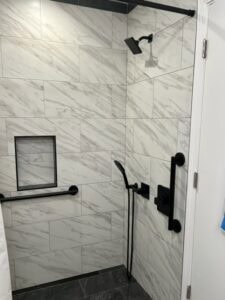
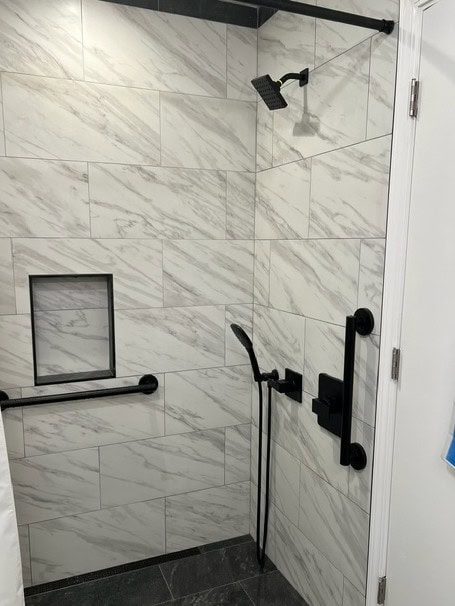
Bathrooms: Short assist rails near showers or tubs complement grab bars, enhancing safety without cluttering the space.
Choosing the Right Materials and Finishes
The materials used for handrails should balance durability, comfort, and style. Options include:
-
Steel: Strong and easy to clean, with matte finishes that improve grip.
-
Powder-Coated Aluminum: Lightweight and corrosion-resistant, ideal for outdoor installations.
-
Wood: Provides a warm, inviting look, but must be sealed to withstand moisture.
-
Textured Grips: Micro-texture or knurled sections offer better traction in damp areas.
Our team will help you select materials and finishes that suit your home’s style and your specific needs.
Our Installation Process: Safety, Precision, and Care
We take a meticulous approach to handrail installation, ensuring every detail is addressed:
-
Initial Assessment: We begin with a walkthrough to identify daily routes, trouble spots, and your preferred hand side.
-
Detailed Measurements: We confirm heights, bracket spacing, and clearances to ensure a perfect fit.
-
Secure Anchoring: If studs aren’t available, we add discreet blocking or use approved anchors.
-
Clean Installation: We protect surfaces, drill precisely, and finish all fasteners neatly.
-
Testing and Adjustment: After installation, we test the rail and make any necessary adjustments for comfort and safety.
Design Tips for Optimal Comfort and Safety
To maximize the benefits of your handrails, consider these design tips:
-
Dual Rails: Install rails on both sides of stairs for added safety, especially on staircases with turns.
-
Extended Rails: Extend rails slightly beyond the top and bottom risers to provide support at the start and end of your journey.
-
Adequate Lighting: Soft, low-glare lighting on stairs and landings makes rails easier to find at night.
-
Comfortable Reach: Adjust the rail height to match your shoulder range and grip strength for the best experience.
-
Winter Considerations: For exterior rails, choose finishes and fasteners that can withstand snow, ice melt, and temperature swings.
Pairing Handrails with Other Accessibility Upgrades
Handrails are most effective when combined with other minor home modifications:
-
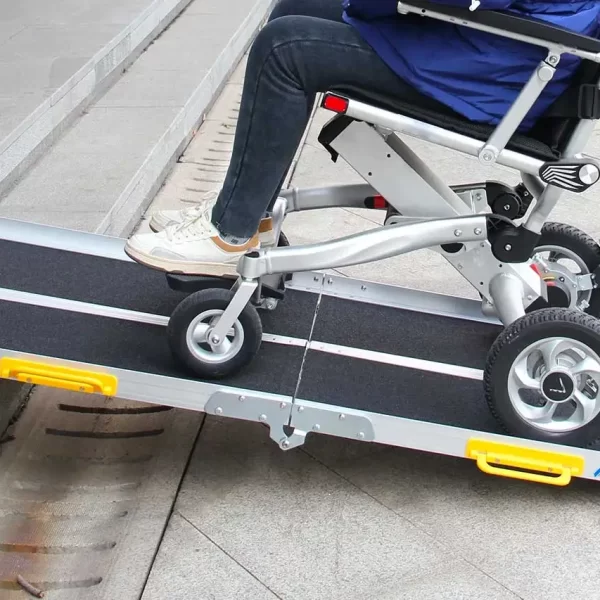
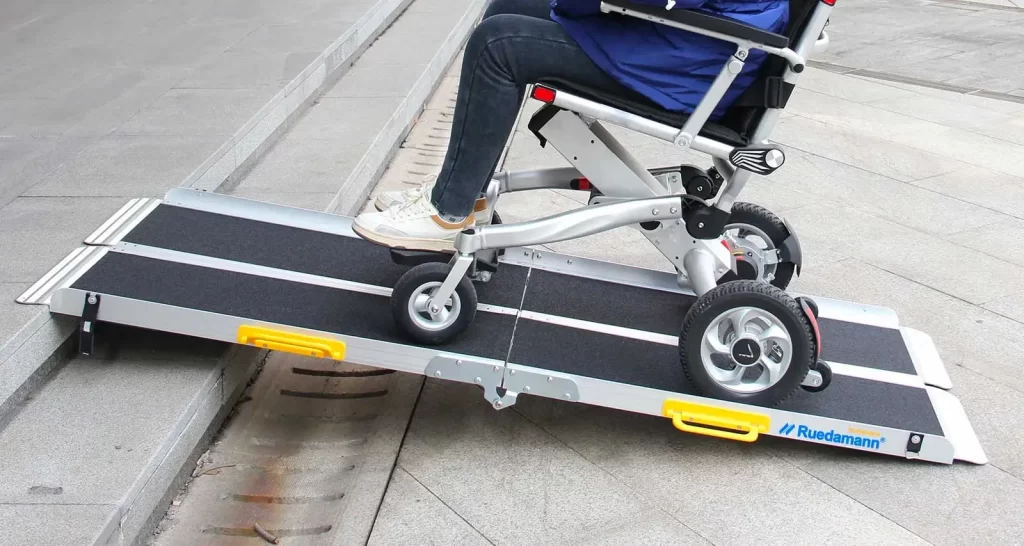
Threshold Ramps: Smooth transitions at entryways reduce tripping hazards.
-
Non-Slip Tread Strips: Add traction to exterior steps.
-
Lever Handles: Easier to operate than traditional knobs.
-
Night Lighting: Motion sensors or soft lighting along hallways improve visibility.
-
Visual Markings: Contrasting colors at stair noses help with depth perception.
These small changes work together to create a safer, more accessible home environment.
Maintenance for Long-Lasting Safety
Regular maintenance keeps your handrails safe and functional:
-
Cleaning: Wipe rails frequently to prevent oils from reducing grip.
-
Bracket Checks: Inspect brackets seasonally, especially outdoors after freeze-thaw cycles.
-
Touch-Ups: Address any chipped paint or powder coat to prevent corrosion and maintain appearance.
When to Upgrade or Replace Handrails
Consider new or upgraded handrails if:
-
You’ve experienced a near fall on stairs or turns.
-
You’ve started using a cane or walker and need more stability.
-
A caregiver requires better grip positions on stairs.
-
Your current rail wobbles or doesn’t extend to key steps or landings.
-
Paint-only rails feel slippery, especially in humid conditions.
Frequently Asked Questions
1. What is the ideal height for accessible handrails?
The recommended height is 34 to 38 inches from the walking surface. This ensures comfortable and safe use for most individuals. Adjustments can be made based on personal needs.
2. Can handrails be installed on both sides of stairs?
Yes, dual rails are highly recommended for improved safety and convenience. We’ll ensure the staircase remains comfortable and unobstructed.
3. Will the installation damage my walls or trim?
We carefully plan bracket locations and use proper anchors or blocking to minimize damage. Any exposed fasteners are finished neatly, and we clean up thoroughly after installation.
4. Do you install exterior handrails?
Absolutely. We use weather-resistant materials and finishes, and consider drainage and snow patterns to ensure durability and safety year-round.
5. How do I know if I need handrails or grab bars—or both?
Rails guide movement along paths like stairs and hallways, while grab bars support transfers in bathrooms or at beds. Many homes benefit from both, placed where each is most needed.
-

Introducing Kevin Olrich, Owner of CAPS Remodeling. As a trusted expert in the field of barrier free remodeling Kevin brings a compassionate approach to create safer, more comfortable, and independent living conditions for the elderly and disabled throughout the State of Michigan. His leadership and experience is at the core of how CAPS provides the best solutions to meet the unique needs of our customers and medical professionals.