Why Families Choose Accessible Bathroom Remodeling in Madison Heights
March 23, 2026
How Ramp Length Impacts Wheelchair Ramp Installation Cost in Detroit
April 7, 2026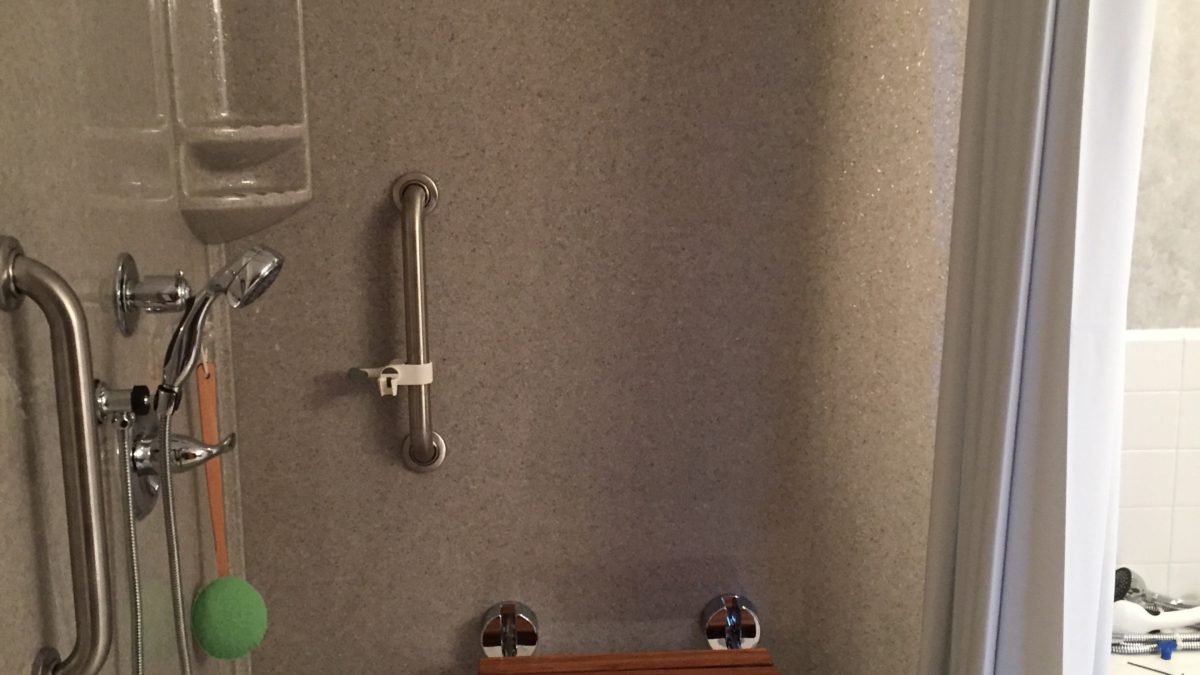
Bathrooms can become one of the most difficult rooms in the home when mobility changes. A space that once felt simple can begin to feel limiting, affecting the entire day. Stepping over a tub wall, turning in a tight shower, balancing on a wet floor, or relying on help for basic bathing can all add stress to a routine that should feel manageable.
That is one reason more homeowners are looking into roll-in showers in Madison Heights.
For many families, the change is not only about updating the bathroom. It is about creating a space that feels safer, easier to use, and better suited for long-term comfort. A roll-in shower can support daily independence, reduce caregiver strain, and make the bathroom work better for real-life mobility needs.
Some families start thinking about this change after a health event. Others begin planning earlier because they want to age in place and avoid future problems. In both cases, the goal is often the same: make the bathroom more usable before it becomes a daily obstacle.
That is why roll-in showers in Madison Heights continue to gain attention from homeowners who want a bathroom that supports safety, comfort, and easier access.
Why does the shower become a problem for so many households
A standard shower or tub setup can work well for years, until it does not.
Often, the first challenge is the entry itself. A raised tub edge or shower curb may not seem like much at first, but it can quickly become difficult for someone using a walker, wheelchair, or shower chair. Even a person with mild balance issues may start feeling less steady getting in and out.
Once that happens, bathing can feel less routine and more stressful.
The concern is not only about slips and falls, although those are important. It is also about comfort, confidence, and the effort required by the process. A person may start avoiding showers, relying more on help, or feeling anxious every time they step into the bathroom.
That is where roll-in showers stand out. By removing the barrier at the entry point, they can create a more direct, lower-stress path into the shower area.
Safety is one of the main reasons families make the switch
Many households start the conversation because the current shower no longer feels safe enough.
Sometimes there has already been a close call. Someone may have slipped while stepping over a threshold. A loved one may need to brace against the wall or pull on a towel bar for support. A caregiver may be helping more and more during transfers. These small warning signs often point to a setup that is no longer working well.
A roll-in shower can help address that issue directly.
Without a raised entry barrier, movement into the shower can feel more controlled. The layout also tends to work better with other accessibility features that families often want in the same space, such as grab bars, seating, handheld showerheads, and non-slip flooring.
For families focused on making daily bathing safer, that combination matters more than any single product.
Families want easier daily routines, not just a remodel
A bathroom upgrade usually begins with a practical need, but the deeper reason is often about daily life.
People want the bathroom to feel easier to use.
They want less struggle in the morning. They want less stress before bed. They want a shower that fits the person using it, rather than forcing them to work around the limitations of the room. In many homes, that is exactly what prompts interest in roll-in showers in Madison Heights.
A roll-in shower can make the process feel more direct and less tiring. That matters for someone using mobility equipment, but it also matters for a spouse, adult child, or caregiver helping with bathing. When the shower setup is simpler to enter and use, the whole routine can become smoother.
This is often why families do not view the project as only a bathroom upgrade. They see it as an improvement in daily life.
Aging in place is a major reason more homeowners are planning ahead
Not every family looks into a roll-in shower because of an immediate crisis.
Many are planning.
They want the home to support long-term living without forcing a move or a rushed remodel later. The bathroom is often one of the first spaces they think about, because it combines water, hard surfaces, limited space, and repeated daily use.
That makes it one of the most important rooms to evaluate early.
For families who want to stay in their homes longer, roll-in showers in Madison Heights are often part of that larger plan.
Roll-in showers work well for changing mobility needs
Mobility needs do not always stay the same.
A person may begin with occasional balance concerns, then later need a walker. Someone recovering from surgery may require extra support for longer than expected. In other cases, wheelchair access becomes essential to daily movement through the home.
When that happens, the bathroom may stop working the way it once did.
A shower that requires stepping over a curb can become frustrating or unsafe. A narrow layout may not allow room for assistance. A setup that once felt normal may now require extra effort every day.
Roll-in showers are often chosen because they can better support these kinds of transitions.
That flexibility is a big reason more families see the upgrade as a practical long-term choice.
Caregiver strain is another major factor
Sometimes the strongest reason for a remodel is not only the person using the shower. It is the person helping them.
Caregiving in a bathroom can be physically demanding. Tight spaces, awkward angles, and repeated transfers can quickly wear people down. A spouse or adult child may be lifting more than they should, bracing someone during entry, or trying to help in a room that simply was not designed for assisted bathing.
That strain often builds over time.
A better shower layout can reduce some of that pressure by creating smoother access and more usable space. When the entry is easier and the shower area is planned around actual use, assistance can feel less awkward and less physically demanding.
Families often choose roll-in showers in Madison Heights because they want the bathroom to better support care, not make it harder.
The entry barrier is often the biggest issue
One of the simplest reasons roll-in showers appeal to so many families is that they solve one of the most frustrating problems in the room: the threshold.
For many households, the tub wall or shower curb is the point where bathing becomes difficult. It interrupts movement, forces extra balance, and turns a small step into a daily obstacle.
Removing that barrier can change the entire experience.
That is why so many families begin here. The improvement is not abstract. It affects the part of the routine that often feels hardest right now.
Families often pair roll-in showers with other bathroom safety upgrades
A roll-in shower is often the main focus, but it is rarely the only thing people consider.
Once homeowners start looking at the bathroom more closely, they often notice other areas that could work better, too. Grab bars, accessible sinks, comfort-height toilets, improved flooring, wider clearances, better lighting, and shower seating all become part of the conversation.
That is not surprising.
Bathrooms function as a whole space. If one element changes but the rest of the room still feels difficult, the improvement may feel incomplete.
Families often choose a roll-in shower because it is the feature that improves the overall bathroom layout.
More homeowners are realizing accessible design can still look attractive
Some people delay this kind of project because they worry an accessible bathroom will look too medical or too plain.
That concern is understandable, but it need not define the result.
A bathroom can be easier to use and still feel updated, warm, and comfortable.
That balance matters to families.
They want the room to work better, but also to feel like part of the home. A well-designed roll-in shower can help achieve both goals at once.
Planning before an emergency leads to better choices
Another reason more families are choosing roll-in showers in Madison Heights is that they do not want to wait for a crisis.
When the bathroom suddenly becomes a problem, decisions often feel rushed. A hospitalization, injury, or sharp mobility change can force quick action. In those moments, the focus is on immediate need.
But homeowners who start earlier often have more room to think.
They can decide which shower layout makes the most sense. They can consider who will be using the space, what kind of support may be needed later, and how the bathroom fits into a larger aging-in-place plan. They can also make changes before bathing becomes a daily source of stress.
That tends to lead to better outcomes and fewer rushed compromises.
Local experience matters for this kind of project
Families often want a company that already works in accessibility-centered remodeling rather than treating it as a minor add-on.
That matters because a roll-in shower is often part of a bigger plan.
Some homeowners are also considering entryway changes, grab bars in other rooms, or broader bathroom remodeling. Working with a team that already focuses on accessibility can help the shower project fit more naturally into the rest of the home.
Roll-in showers can support both current and future needs
One of the strongest reasons families choose this upgrade is that it can solve today’s problems while also preparing for tomorrow.
The household may need safer shower access right now, but they may also know that mobility needs could continue changing. A roll-in shower can help bridge that gap by creating a setup that feels more adaptable than a standard shower or tub arrangement.
That future value matters.
Instead of making a small fix that may quickly outgrow, families often want a better foundation for long-term use.
For many homeowners, that is exactly why the investment feels worthwhile.
Why Madison Heights families are prioritizing bathroom access
The bathroom is one of the few places in the home where privacy, safety, and physical movement all come together in a very direct way.
If the room is hard to use, the impact is immediate. It affects comfort, confidence, scheduling, caregiving, and the overall feeling of independence in the home.
That is why roll-in showers in Madison Heights appeal to so many families. The change is practical. It addresses a clear day-to-day need. It can reduce stress in a room that people rely on every single day.
And because the bathroom often reveals accessibility problems early, it is often one of the first places families decide to improve.
The emotional side matters too
This kind of remodel is not only about layout and fixtures.
It is also about peace of mind.
Families want loved ones to feel more confident bathing at home. They want less fear around slips and less stress around getting help. They want routines to feel more manageable and less draining. In many cases, that emotional relief is just as important as the physical upgrade.
A bathroom that feels easier to use can shift the tone of the whole day.
That is one reason families often feel strongly about this project once they decide to move ahead. It is not only a construction choice. It is a quality-of-life choice.
More families are choosing roll-in showers in Madison Heights because they want bathrooms that are safer, easier to use, and better suited to real mobility needs.
Some are planning for aging in place. Some are responding to a recent health change. Some want to reduce caregiver strain. Others simply want a shower that no longer feels like a daily obstacle.
Whatever the reason, the pattern is clear: homeowners want the bathroom to support independence and comfort, not work against them.
A roll-in shower can help create that kind of space. It can improve entry, lower daily stress, and make one of the most important rooms in the home function better for the people who use it.
FAQs
1. Why are more families choosing roll-in showers in Madison Heights?
Families often choose them for safer entry, easier daily bathing, better support for mobility changes, and improved comfort for aging in place or caregiving needs.
2. Are roll-in showers only for wheelchair users?
No. They can also help people using walkers or shower chairs, as well as anyone who finds a standard shower threshold difficult or unsafe to manage.
3. What features are often paired with a roll-in shower?
Common additions include grab bars, non-slip flooring, handheld showerheads, seating, accessible sink setups, and other bathroom safety upgrades.
4. Can a roll-in shower still look modern?
Yes. Accessible design can be both functional and visually appealing, rather than strictly clinical.
5. Why do families often remodel the shower before other bathroom features?
The shower entry is often where the biggest day-to-day challenge first shows up, especially when a curb or tub wall makes movement harder and less safe.

Introducing Kevin Olrich, Owner of CAPS Remodeling. As a trusted expert in the field of barrier free remodeling Kevin brings a compassionate approach to create safer, more comfortable, and independent living conditions for the elderly and disabled throughout the State of Michigan. His leadership and experience is at the core of how CAPS provides the best solutions to meet the unique needs of our customers and medical professionals.